
For many visitors to New York City, understanding the rhythm of the city involves more than just navigating its subway lines or deciphering its iconic landmarks. It’s about appreciating the diverse cultural tapestry that makes this metropolis unique. For those observing the Jewish Sabbath, known as Shabbat, knowing the precise start and end times is paramount to planning their stay and fully immersing themselves in this significant religious observance. Shabbat in New York City, a city with a vibrant and historic Jewish community, presents a fascinating blend of tradition and modern urban life.
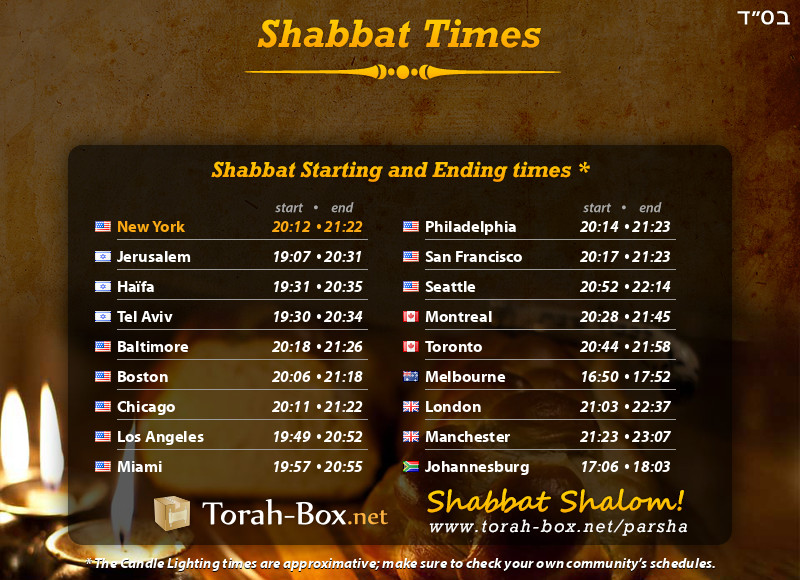
The observance of Shabbat is a cornerstone of Jewish life, a weekly day of rest and spiritual rejuvenation. It begins at sunset on Friday and concludes at nightfall on Saturday. In a bustling global hub like New York City, the exact timing of sunset can vary slightly throughout the year, influenced by the changing seasons and the city’s geographical coordinates. For tourists and residents alike, accurate information about Shabbat timings is essential for logistical planning, whether it’s arranging transportation, dining, or participating in synagogue services. This guide aims to provide clarity on the temporal aspects of Shabbat in New York City, offering insights into how this ancient tradition is observed in a contemporary urban setting.
Understanding Shabbat’s Temporal Framework
Shabbat is fundamentally governed by the astronomical phenomenon of sunset. This astronomical marker dictates the beginning and end of the day in Jewish tradition. In New York City, like all locations, this means that the specific time of Shabbat’s commencement shifts weekly.
The Astronomical Basis: Sunset as the Definitive Marker
The Jewish calendar is inherently tied to celestial movements, with the day beginning at sunset. This is not an arbitrary decision but is rooted in the creation narrative in the Torah, where the phrase “And there was evening and there was morning, a first day” is interpreted to signify the start of a day from evening to evening. For New York City, this means that as the sun dips below the horizon, the spiritual and physical cessation of weekday activities commences. This transition is deeply felt by observant Jews, who prepare for Shabbat throughout Friday to welcome the Sabbath in a state of sanctity and peace.
Seasonal Variations and Their Impact on Timing
The duration of daylight hours in New York City changes significantly between summer and winter. Consequently, the time of sunset, and thus the start of Shabbat, experiences considerable variation. In the height of summer, Shabbat might not begin until after 8:00 PM, allowing for longer days and later evening activities. Conversely, during the winter months, sunset can occur as early as 4:30 PM, requiring preparations to be completed much earlier in the afternoon. This seasonal fluctuation is a crucial consideration for anyone planning to observe Shabbat in the city, especially when booking flights or arranging accommodations.
Practical Implications for Observant Travelers
For travelers who observe Shabbat, understanding these temporal shifts is vital. It affects decisions about travel arrangements, particularly on Friday afternoons. Many observant Jews will aim to be settled and ready for Shabbat well before sunset, which may mean avoiding late flights or public transportation in the hours leading up to the Sabbath’s commencement. Furthermore, dining plans need to be made in advance, as many kosher restaurants may close early on Fridays or have specific Shabbat menus and hours. Hotels with kosher kitchens or dining facilities, such as the Grand Hyatt Hotel, might offer special Shabbat meals, which require advance booking.
Navigating Shabbat Observance in a Global Metropolis
New York City is home to one of the largest Jewish populations outside of Israel, with a rich history and diverse array of religious communities. This vibrant presence means that Shabbat observance is deeply integrated into the city’s fabric, particularly in neighborhoods like Borough Park and Crown Heights, which have significant Hasidic populations.
Friday Preparations: A Transition of Pace
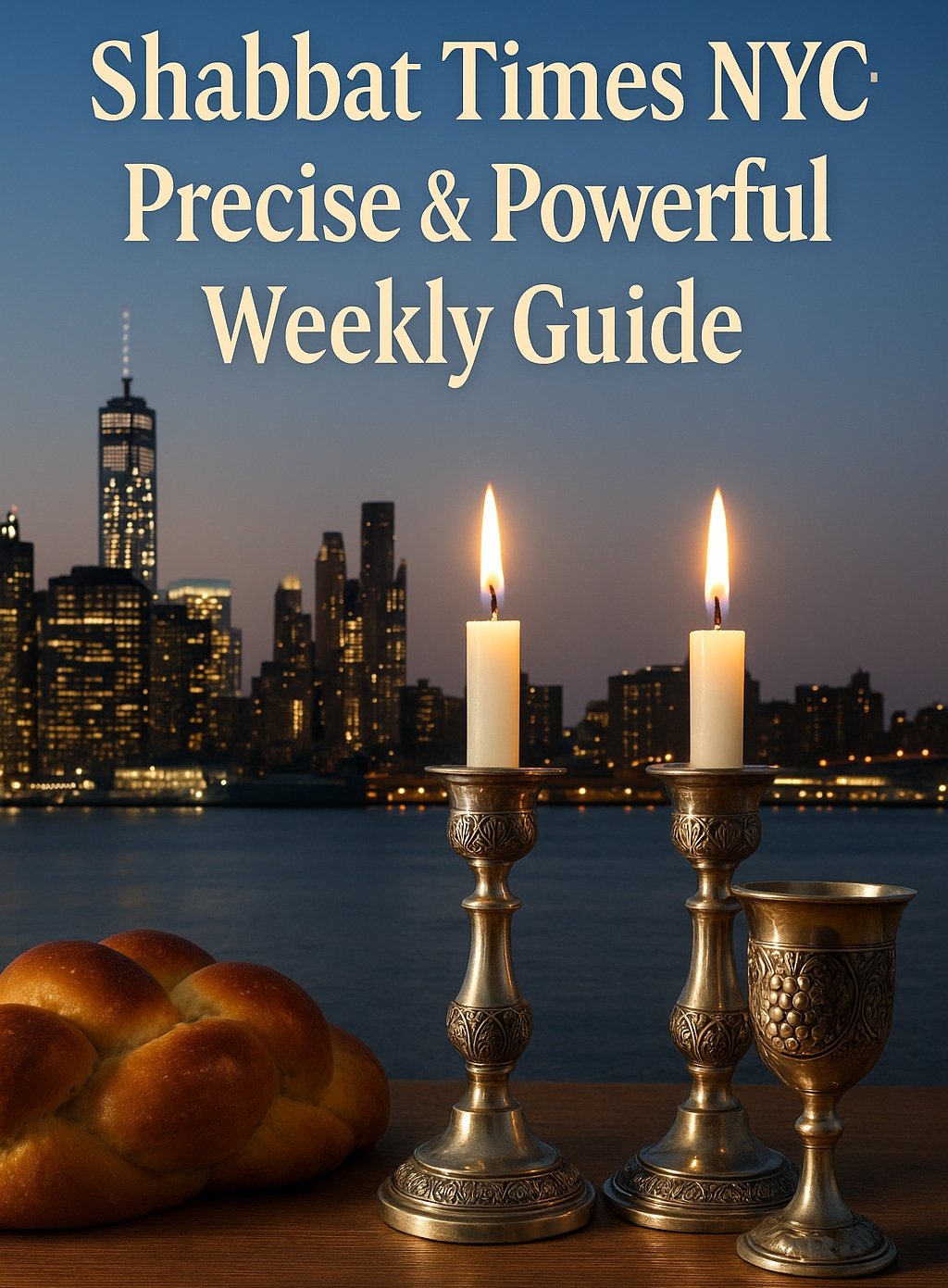
The hours leading up to Shabbat on Friday are characterized by a deliberate shift in pace. Families and individuals engage in preparations to ensure their homes are ready for the Sabbath. This typically includes cleaning, cooking and baking special Shabbat meals, and setting the table. For those staying in hotels or short-term accommodations, this might involve pre-ordering Shabbat meals or ensuring they have the necessary provisions. Many observant individuals will also attend synagogue for a Friday evening service, known as Kabbalat Shabbat, which ushers in the Sabbath with prayer and song. The Grand Hyatt Hotel, while not exclusively a religious establishment, often caters to guests with diverse needs, and understanding the timings of Shabbat can help inform travel planning around this period.
Friday Night: The Sacred Welcome
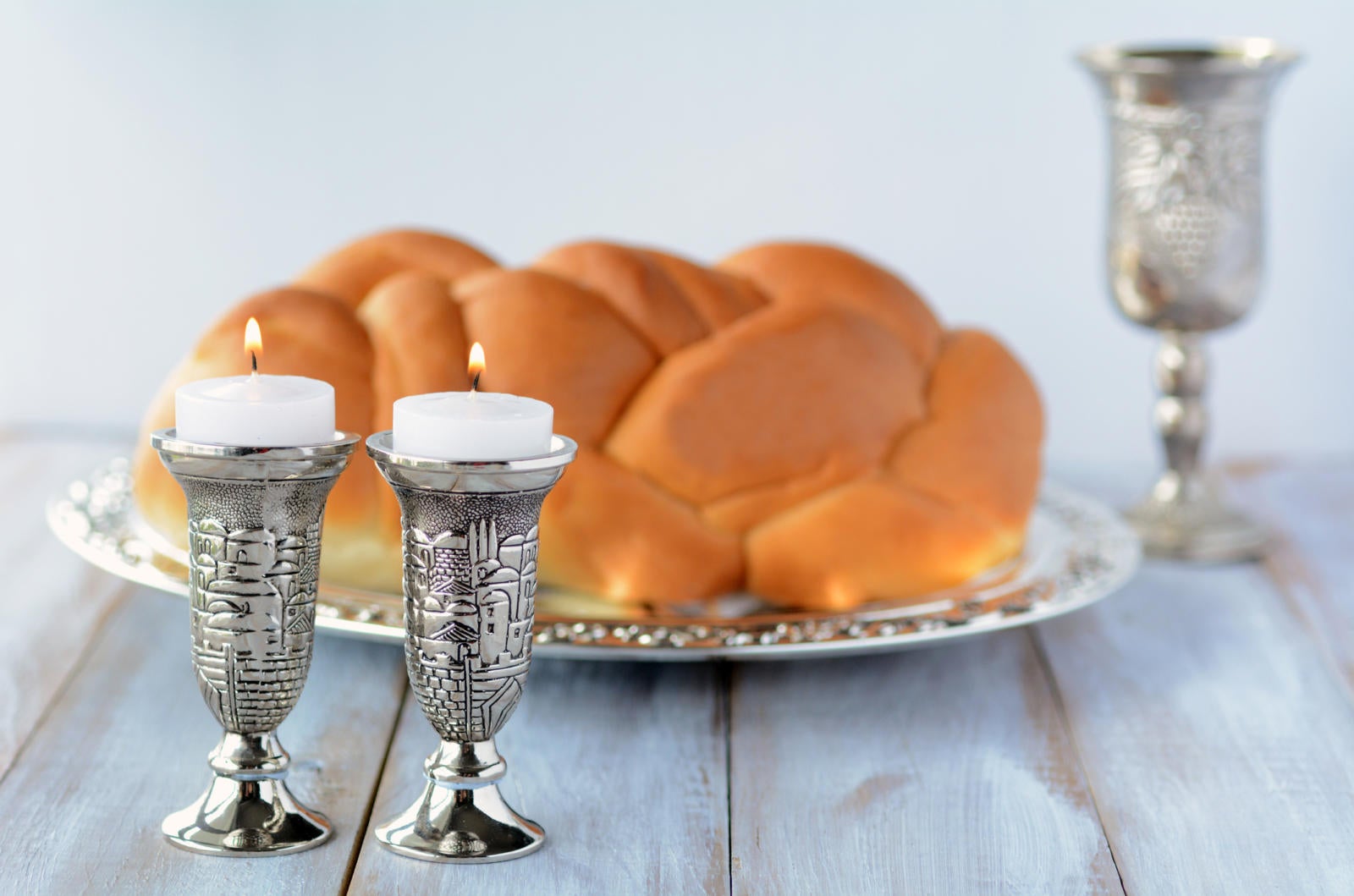
As sunset arrives, Shabbat officially begins. The atmosphere shifts from the weekday rush to one of tranquility and holiness. Families gather for a festive meal, often featuring traditional dishes like challah bread and chicken soup. The lighting of the Shabbat candles by the woman of the household is a central ritual, symbolizing the sanctification of the home and the welcoming of the Sabbath day. In New York City, this can be observed in countless homes and in the dining rooms of hotels that cater to the observant Jewish community. Synagogues across the city will host Shabbat services, from Orthodox to Reform congregations, each offering a unique spiritual experience.
Saturday: A Day of Rest and Reflection
Shabbat is a day dedicated to spiritual pursuits, family time, and rest. Observant Jews refrain from work and other creative activities, as defined by Jewish law. This often involves attending synagogue services, studying Torah, engaging in leisurely walks, and spending quality time with loved ones. For visitors, this means that many shops and businesses, particularly those owned by observant Jews, will be closed on Saturdays. Public transportation may also be affected, as observant individuals will not operate vehicles or use public transit. This creates a unique rhythm in observant neighborhoods on a Saturday, offering a glimpse into a different way of experiencing time and community within the bustling landscape of New York City. Museums and attractions like the Metropolitan Museum of Art or the American Museum of Natural History remain open, but access to them might require walking or pre-arranged transportation.
Finding Shabbat Times and Resources in New York City
Accurate and up-to-date information on Shabbat times is readily available, ensuring that observant individuals can plan their week effectively. The digital age has made accessing this information more convenient than ever before.
Online Calendars and Apps
Numerous websites and mobile applications are dedicated to providing Shabbat and holiday times for cities around the globe, including New York City. These resources often allow users to set their location and receive precise timings for sunset, candle lighting, and the end of Shabbat, which is typically marked by the appearance of three stars in the night sky. Popular platforms include Chabad.org, MyJewishLearning.com, and various synagogue websites. Many of these also offer additional information on Shabbat customs, prayers, and local synagogue listings, which can be invaluable for visitors.
Local Community Resources
Beyond online tools, local Jewish community organizations and synagogues in New York City are excellent sources of information. Many synagogues publish their weekly service schedules, which often include Shabbat timings. Community centers and Jewish federations may also have resources available, particularly for visitors seeking to connect with local congregations or find kosher dining options. For those staying in areas with a strong Jewish presence, like parts of Queens or Brooklyn, simply observing the local flow on a Friday afternoon can offer cues about the approaching Shabbat.
Considerations for Extended Stays and Planning
For travelers planning an extended stay or those coordinating group trips, understanding the weekly cycle of Shabbat becomes a critical component of itinerary planning. It impacts the feasibility of certain activities and the availability of services. When booking accommodations, especially those that aim to cater to a diverse clientele, inquiring about Shabbat services or proximity to observant communities can be beneficial. For instance, knowing when Shabbat begins helps in planning departure times for Friday excursions, ensuring a smooth transition into the day of rest. Conversely, knowing when it ends, typically after nightfall on Saturday, allows for the planning of evening activities or onward travel. The intricate dance between the secular week and the sacred Shabbat adds a unique dimension to the experience of New York City, offering a profound glimpse into the enduring traditions that shape life in this dynamic urban landscape.
LifeOutOfTheBox is a participant in the Amazon Services LLC Associates Program, an affiliate advertising program designed to provide a means for sites to earn advertising fees by advertising and linking to Amazon.com. Amazon, the Amazon logo, AmazonSupply, and the AmazonSupply logo are trademarks of Amazon.com, Inc. or its affiliates. As an Amazon Associate we earn affiliate commissions from qualifying purchases.