
The question of when the New York Mets lifted the coveted World Series trophy is a cornerstone for any baseball enthusiast, particularly those with a fondness for the often-turbulent but always compelling history of this iconic New York City franchise. While their journey has been marked by dramatic highs and agonizing lows, the Mets have indeed reached baseball’s pinnacle on two memorable occasions. These victories are not just statistics; they are embedded in the very fabric of the city’s sporting lore, resonating with generations of fans and contributing to the vibrant tapestry of New York’s cultural landscape.
The Miracle of ’69: A Fairytale Unfolds
The first, and perhaps most legendary, World Series triumph for the New York Mets occurred in 1969. This victory was nothing short of miraculous, earning the team the enduring moniker, “The Miracle Mets.” It was a season that defied all expectations, transforming a perennial underdog into champions of baseball, leaving an indelible mark on the sport and solidifying their place in the annals of sports history.
The Underdog Narrative and the Rise to Prominence
In the years leading up to 1969, the New York Mets were a team that had struggled immensely since their inception in 1962. They were often the punchline of baseball jokes, a symbol of futility. However, under the guidance of manager Gil Hodges, a new spirit began to emerge. The team, a blend of seasoned veterans and promising young talent, started to gel. Key players like Tom Seaver, Nolan Ryan, and Tommie Agee formed a formidable core. Their improbable climb through the regular season and into the postseason captured the imagination of New York and the nation.
The Fall Classic of 1969: Facing the Giants and the Orioles
The 1969 World Series pitted the New York Mets against the formidable Baltimore Orioles, a team stacked with talent and heavily favored to win. The series, however, told a different story. The Mets, playing with a never-say-die attitude, proved that grit and determination could overcome sheer talent. The pivotal moments of the series, from incredible defensive plays to clutch hitting, are still replayed and recounted by fans. The unexpected nature of their victory cemented its legendary status, forever associating the year 1969 with the improbable rise of the New York Mets to baseball’s ultimate prize.
The Amazin’ Second Act: 1986’s Championship Run
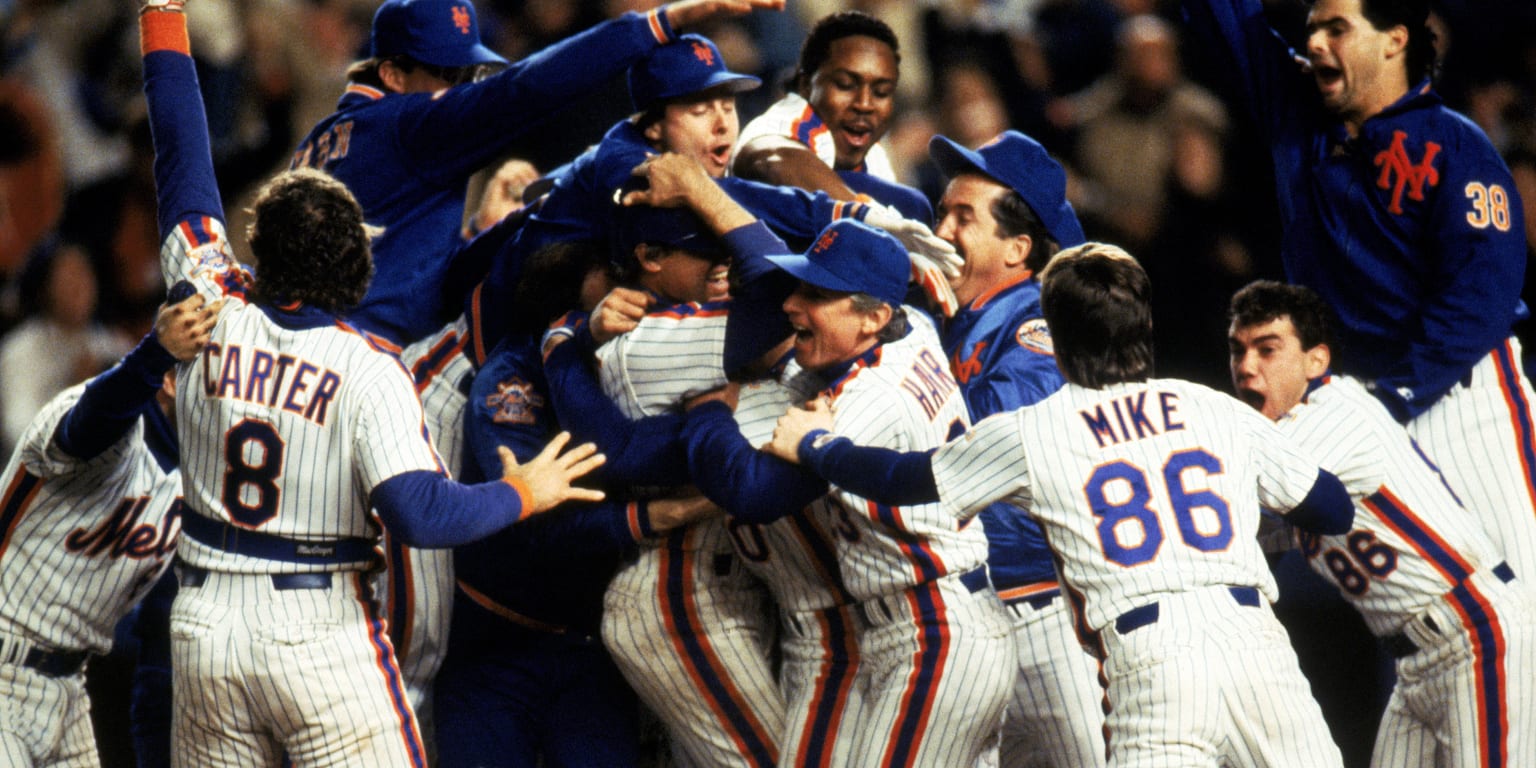
Two decades later, the New York Mets would once again taste World Series glory, this time in 1986. This championship season was characterized by a dominant regular-season performance and a thrilling, albeit often tense, postseason journey. The 1986 Mets were a different kind of team than their 1969 counterparts – a powerhouse brimming with confidence and superstar talent.

A Dominant Regular Season and a Star-Studded Roster
The 1986 New York Mets were arguably one of the most talented teams in franchise history. Led by a core of future Hall of Famers and All-Stars, including Keith Hernandez, Gary Carter, Dwight Gooden, and Darryl Strawberry, the team steamrolled through the National League. Their offensive firepower was undeniable, and their pitching staff, anchored by the formidable “Dr. K” (Dwight Gooden), was nearly unhittable. This level of consistent dominance set the stage for a deep playoff run.
The 1986 World Series: A Classic Showdown Against the Red Sox
The 1986 World Series featured a classic matchup between the New York Mets and the Boston Red Sox. This series is etched in baseball history not only for its dramatic conclusion but also for a series of unforgettable plays and moments. The Mets, after falling behind in the series, mounted a spectacular comeback, culminating in a Game 7 victory. The iconic image of Mookie Wilson hitting a ground ball through the legs of first baseman Bill Buckner remains one of the most famous and talked-about plays in baseball history, symbolizing the resilience and eventual triumph of the 1986 Mets. This championship solidified their place as one of the greatest teams to ever wear the orange and blue.
Legacy and Impact on New York Culture
The two World Series championships won by the New York Mets are more than just historical sporting achievements; they are deeply woven into the cultural fabric of New York City. These victories provided moments of shared joy, collective pride, and enduring memories for millions of fans, shaping a significant part of the city’s identity and its passionate sports narrative.
The Enduring Appeal of the “Miracle Mets” and the “Amazin’ Mets”
The 1969 and 1986 World Series victories continue to hold a special place in the hearts of New York Mets fans. The “Miracle Mets” of 1969 represent the power of belief and the triumph of the underdog, a narrative that resonates universally. The dominant and charismatic 1986 team, on the other hand, embodies a period of exceptional talent and a thrilling, high-stakes championship run. Both teams have become emblematic of the team’s spirit, inspiring new generations of fans and keeping the legendary status of these championship squads alive.

New York as a Baseball Mecca: The Role of the Mets’ Championships
New York City has long been a mecca for professional baseball, hosting two storied franchises. The New York Mets’ World Series victories have played a crucial role in defining the city’s passionate baseball culture. These championships have fostered a unique sense of community and shared experience among fans, contributing to the lively atmosphere and iconic status of baseball in the city. From the legendary Shea Stadium to the modern Citi Field, the Mets’ triumphs have created lasting memories and cemented their legacy as a vital part of the New York sporting landscape. The stories of these championship teams are not just sports tales; they are an integral part of the city’s identity, celebrated by fans and remembered for their indelible impact.
LifeOutOfTheBox is a participant in the Amazon Services LLC Associates Program, an affiliate advertising program designed to provide a means for sites to earn advertising fees by advertising and linking to Amazon.com. Amazon, the Amazon logo, AmazonSupply, and the AmazonSupply logo are trademarks of Amazon.com, Inc. or its affiliates. As an Amazon Associate we earn affiliate commissions from qualifying purchases.