
Understanding the economic landscape of a destination is a crucial component of modern lifestyle planning, whether you are a budget-conscious traveler, a digital nomad looking for a new base, or a business professional scouting locations for a corporate retreat. When visiting Louisiana, a state renowned for its vibrant jazz, spicy Creole cuisine, and sprawling cypress swamps, the underlying economy plays a significant role in the cost of services, the standard of living, and the overall traveler experience. A central question for many who look closely at the “Pelican State” is: What is the minimum wage in the state of Louisiana?
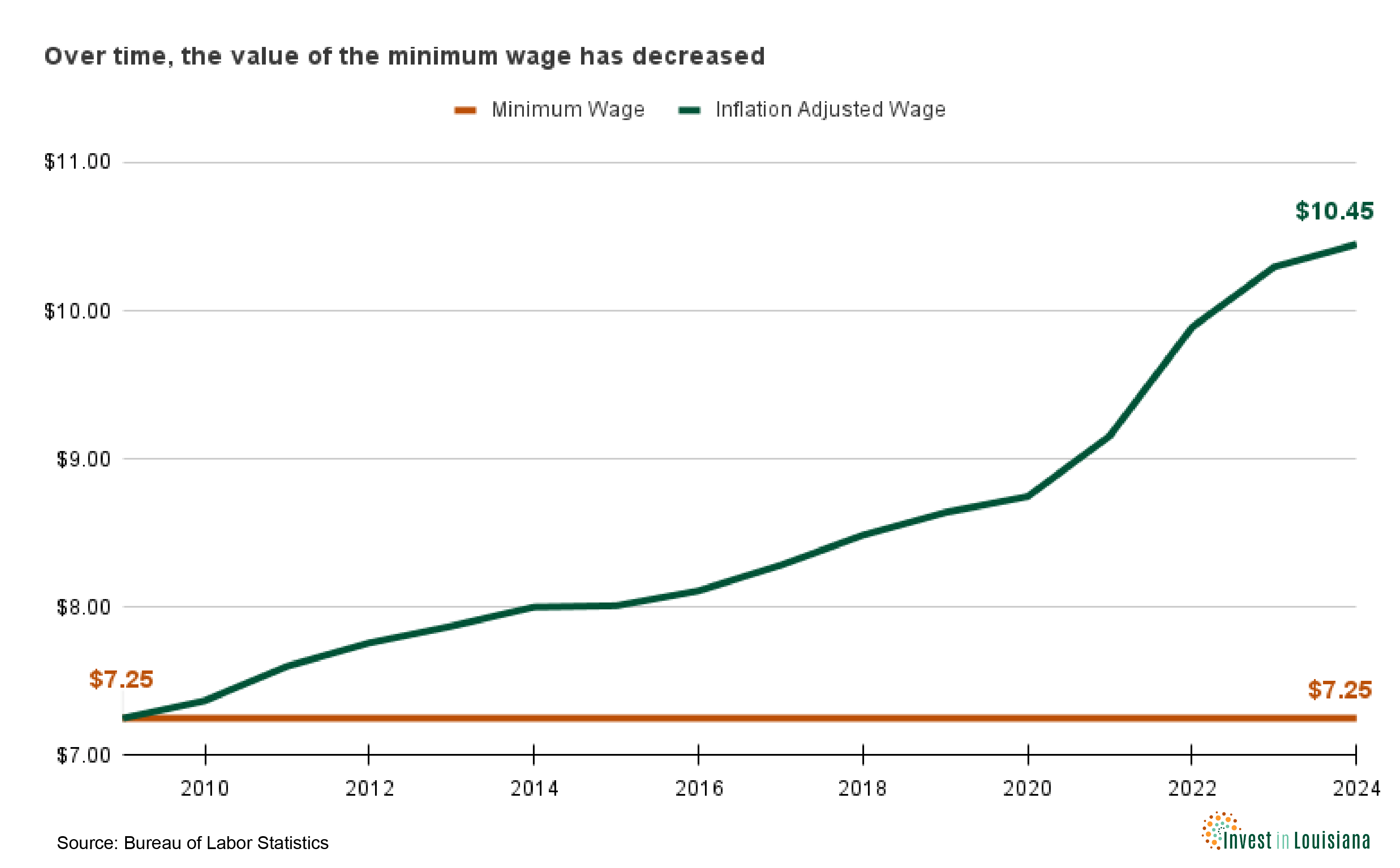
Unlike many other states in the United States that have established their own specific wage floors, Louisiana currently follows the federal minimum wage guideline. This economic reality shapes the local lifestyle, affecting everything from the price of a po’boy in New Orleans to the service levels you might encounter at luxury establishments like The Roosevelt New Orleans.
The Economic Fabric of Louisiana: Understanding the Minimum Wage
The minimum wage in Louisiana is currently $7.25 per hour. This figure aligns strictly with the federal minimum wage established by the Fair Labor Standards Act. Because the state legislature has not passed a law to set a higher state-specific rate, the federal floor remains the default. For travelers and lifestyle enthusiasts, this provides a unique context for understanding the local economy.
The Federal Floor and State Legislation
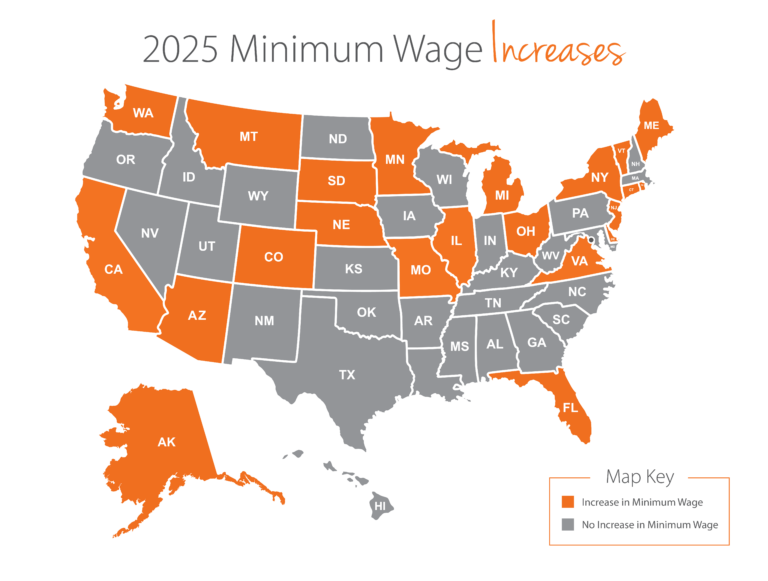
In the United States, states have the right to set their own minimum wages. If a state sets a wage higher than the federal level, the higher wage applies. However, Louisiana is one of a handful of states that has no state-level minimum wage law. This means that as the federal government maintains the $7.25 rate, so does Louisiana. For a professional looking at the lifestyle and business climate, this suggests a lower overhead for service-based businesses but also raises questions about the cost of living and purchasing power for the local workforce in cities like Baton Rouge or Shreveport.
How the Minimum Wage Affects Local Service Industry Workers
The service industry is the heartbeat of Louisiana tourism and lifestyle. From the musicians performing near Jackson Square to the waitstaff in the French Quarter, the minimum wage—and specifically the “tipped minimum wage”—is a vital topic. Under federal law, employers can pay tipped employees as little as $2.13 per hour, provided that their tips bring them up to the $7.25 hourly minimum. This structure places a significant emphasis on the tipping culture, which is an essential etiquette tip for any visitor exploring the local culture.
Navigating the Lifestyle of Budget Travel in Louisiana
For those who prioritize budget travel, Louisiana offers a fascinating paradox. While the minimum wage is low, the cost of living—and consequently, the cost of visiting—can vary wildly depending on your location. The lifestyle of a visitor in Lafayette will look very different from that of someone staying on Bourbon Street.
Affordability in New Orleans
New Orleans is the crown jewel of the state’s tourism industry, but it is also where the conversation about wages is most intense. Because the city attracts millions of visitors to landmarks like the National WWII Museum, the demand for service is high. Budget travelers can benefit from the relatively lower prices of local staples like beignets and chicory coffee, but they should also be aware that the local economy relies heavily on their patronage. Choosing to stay in lifestyle-oriented neighborhoods like the Marigny or the Garden District can offer a more authentic, and sometimes more affordable, experience than the tourist-heavy center.
Low-Cost Gems in Baton Rouge and Lafayette
Beyond the Crescent City, Baton Rouge offers a different lifestyle pace. As the state capital, it blends political life with a college-town atmosphere. The lower wage floor often translates to more affordable dining and entertainment options for travelers. Similarly, Lafayette serves as the hub of Cajun Country. Here, the lifestyle is centered on community, music, and food. The affordability of these regions makes them ideal for long-term stays or “slow travel” where the goal is to immerse oneself in the culture without the high price tag of major metropolitan hubs in California or New York.
The Impact on Hospitality and Business Stays
When planning business stays or luxury vacations, the economic environment of the state influences the level of service and the amenities available. In Louisiana, the hospitality industry is a sophisticated machine that manages to provide high-end experiences despite the lower wage mandates.
Tipping Culture and Service Standards
In luxury settings, such as the Hotel Monteleone or the elegant boutiques along Royal Street, service standards remain exceptionally high. However, because the base wage is $7.25 (or $2.13 for tipped staff), the local lifestyle is heavily supported by the generosity of guests. For the savvy traveler, understanding this is key to a successful “Business Stay” or “Luxury Trip.” Proper tipping for valets, concierges, and servers is not just a courtesy; it is a fundamental part of the state’s economic ecosystem. This ensures that the high-quality service Louisiana is known for remains sustainable.
Why Remote Workers Choose Louisiana Despite Economic Realities
For digital nomads and remote professionals, the “Lifestyle” appeal of Louisiana often outweighs the concerns regarding state-level wage growth. The low cost of entry for housing and the rich cultural tapestry make it an attractive alternative to expensive tech hubs. A remote worker earning a salary based on San Francisco or Austin standards will find that their purchasing power in Lake Charles or Monroe is significantly higher. This allows for a lifestyle of “luxury for less,” where one can afford frequent dining out, private tours of Lake Pontchartrain, and high-end accommodations that might be out of reach elsewhere.
Long-term Living and Financial Planning in the Pelican State
If you are considering moving to Louisiana or extending a temporary stay into a permanent lifestyle change, it is important to look at how the minimum wage compares to neighboring states and what that means for the future of the region.
Comparing Costs to Neighboring States
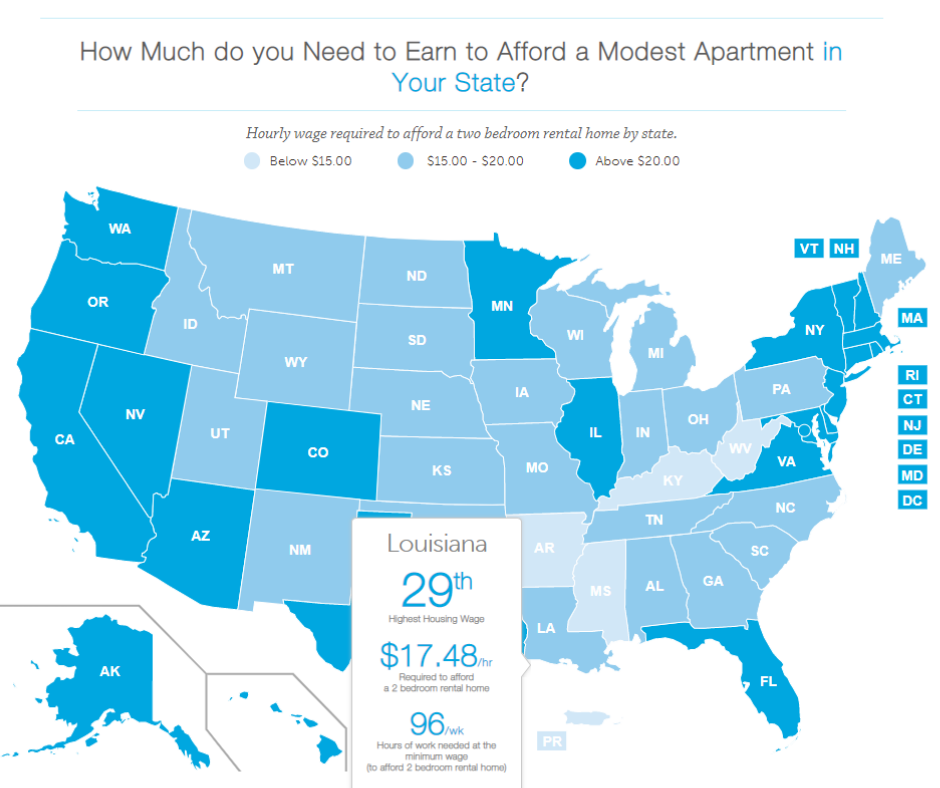
When looking at a map of the southern United States, Louisiana is surrounded by states with varying economic policies. Texas and Mississippi also follow the federal minimum wage of $7.25. In contrast, Arkansas has implemented a higher state minimum wage. For the lifestyle-focused individual, this means that Louisiana remains competitive in terms of business costs and certain consumer prices, but it may face challenges in retaining labor in border towns where workers might seek higher pay across state lines. This regional competition keeps the lifestyle in Louisiana grounded in a traditional, value-driven economy.
The Future of Wages and Tourism Development
There are ongoing discussions within the state regarding potential increases to the minimum wage, particularly in tourist-centric hubs. Local leaders recognize that to maintain the allure of Louisiana as a world-class destination, the workforce must be supported. As tourism development continues to expand—with new attractions, improved infrastructure, and a focus on eco-tourism in the bayous—there is a growing trend of “living wage” certifications among local businesses. Many lifestyle brands and hotels are choosing to pay above the minimum requirement to attract top talent, ensuring that your stay in the state is marked by the legendary “Southern Hospitality” that defines the region.
Ultimately, while the official minimum wage in Louisiana stands at the federal level of $7.25, the reality of the lifestyle there is far more complex. It is a state where culture, history, and economy intersect to create a unique environment for travelers and residents alike. By understanding these financial underpinnings, you can better navigate your journey, support the local community, and enjoy everything from the jazz clubs of New Orleans to the quiet beauty of the rural parishes with a professional and insightful perspective.
LifeOutOfTheBox is a participant in the Amazon Services LLC Associates Program, an affiliate advertising program designed to provide a means for sites to earn advertising fees by advertising and linking to Amazon.com. Amazon, the Amazon logo, AmazonSupply, and the AmazonSupply logo are trademarks of Amazon.com, Inc. or its affiliates. As an Amazon Associate we earn affiliate commissions from qualifying purchases.