
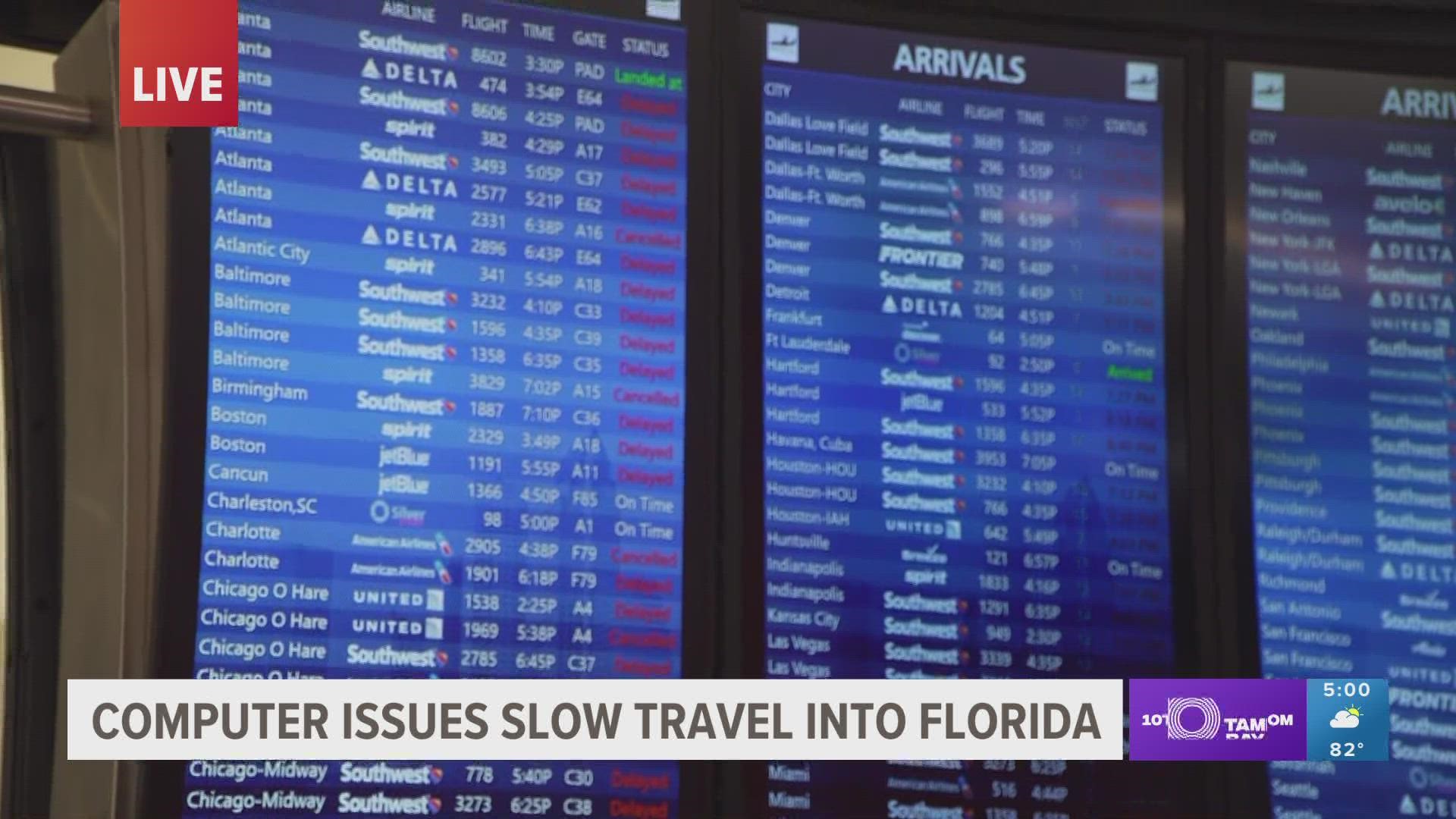
Travelers to and from the Sunshine State often envision seamless journeys to sun-drenched beaches, world-class theme parks, and vibrant cultural hubs. However, today, many are facing the frustrating reality of delayed flights departing from Florida. This isn’t an isolated incident but rather a complex interplay of factors ranging from environmental phenomena to operational challenges that are increasingly common in the modern aviation landscape. Understanding these underlying causes is crucial for anyone planning a trip, not just for today’s delays, but for future travel planning as well. These delays affect not only individual travel itineraries, turning anticipated adventures into extended waits, but also have significant repercussions on the broader tourism economy, hotel bookings, and the overall lifestyle experiences associated with visiting one of the United States’ most popular destinations. From business travelers to families embarking on their dream vacation to Walt Disney World Resort or a cruise from Miami, the ripple effect of air travel disruptions can be substantial, underscoring the delicate balance of a thriving travel industry.
The Unpredictable Hand of Weather
Florida’s idyllic climate, while a major draw for tourists, is also its Achilles’ heel when it comes to air travel. The state’s geographical position makes it particularly susceptible to specific weather patterns that can rapidly escalate into major flight disruptions.
Summer Storms and Tropical Systems
During the warmer months, roughly from May through October, Florida experiences a distinct rainy season characterized by frequent, intense afternoon thunderstorms. These storms can develop quickly and, while often short-lived, pack a punch with heavy rain, lightning, strong winds, and even hail. For aviation, these conditions create immediate hazards:
- Reduced Visibility: Pilots require clear visibility for safe takeoffs, landings, and taxiing. Intense rainfall can drastically reduce visibility, forcing ground stops or go-arounds.
- Lightning Strikes: Lightning poses a direct threat to aircraft and ground operations. Ramp personnel must cease activity during lightning advisories, halting baggage loading, fueling, and passenger boarding, leading to significant ground delays.
- Wind Shear: Sudden changes in wind speed or direction, often associated with thunderstorms, can be dangerous during takeoff and landing. Air traffic controllers may delay flights until conditions stabilize.
Beyond daily thunderstorms, Florida is situated in a hurricane-prone region. Even when a full-blown hurricane doesn’t make landfall, tropical depressions and storms forming in the Caribbean, Gulf of Mexico, or the Atlantic Ocean can bring days of heavy rain, high winds, and low ceilings across vast areas of the state. These systems not only directly impact flights but can also trigger mass cancellations and diversions, creating a backlog of aircraft and passengers that can take days to resolve even after the weather clears. The proximity of major airports like Miami International Airport, Orlando International Airport, Tampa International Airport, and Fort Lauderdale-Hollywood International Airport to coastal areas further exacerbates their vulnerability to these severe weather events.

Ripple Effects Across the Airspace
The impact of weather in Florida doesn’t stop at its borders. Airspace is interconnected, and disruptions in one region can have a cascading effect across the entire United States air traffic control system.
- Flow Control and Ground Stops: When weather severely impacts a major Florida airport, the Federal Aviation Administration (FAA) may implement “flow control” or “ground stops.” Flow control measures regulate the rate at which aircraft enter a particular airspace, while ground stops prevent aircraft from departing for a specific destination until conditions improve. This means flights destined for Florida from as far away as New York or California could be delayed at their origin airports.
- Crew and Aircraft Repositioning: Weather delays disrupt airline schedules, leading to aircraft and crew being out of position. An aircraft stuck in Orlando due to a thunderstorm cannot make its next scheduled flight to Atlanta or Dallas, leading to delays or cancellations for subsequent legs of its journey. Similarly, flight crews are subject to strict duty time limits, and weather-induced delays can push them beyond these limits, requiring a new crew to be found, which can be challenging, especially at smaller airports like Jacksonville International Airport or Southwest Florida International Airport (Fort Myers). These knock-on effects can last for hours or even days, long after the initial weather has cleared, affecting travelers not just in Florida but across North America.
Navigating the Crowded Skies and Ground
Beyond the immediate challenges posed by weather, the sheer volume of air traffic, combined with operational intricacies of airlines and airports, consistently contributes to delays in and out of Florida. The state is a magnet for tourists and business travelers alike, placing immense strain on its aviation infrastructure.
Air Traffic Control Constraints
Florida’s airspace is one of the busiest and most complex in the United States. It serves as a major gateway for domestic travel, international flights to the Caribbean, Mexico, and South America, and a significant amount of general aviation.
- High Volume: The density of flights, especially during peak travel seasons (spring break, holidays, summer), stretches the capacity of air traffic controllers. Even without adverse weather, managing thousands of arrivals and departures requires intricate sequencing and can lead to minor delays that accumulate over the day.
- Staffing Shortages: Reports often highlight ongoing staffing challenges within the Federal Aviation Administration (FAA)’s air traffic control centers. A shortage of fully certified controllers can lead to operational limitations, where the number of aircraft that can be safely managed in a particular sector or at an airport is reduced. This, in turn, necessitates spacing aircraft further apart or delaying departures, contributing directly to flight delays.
- Aging Infrastructure: While continuous upgrades are made, some components of the air traffic control system are aging. Any technical glitches or necessary maintenance can disrupt the flow of air traffic, further compounding delays. New technologies and procedures, while designed for efficiency, sometimes require a transitional period that can also introduce temporary slowdowns.

Airline Operational Challenges
Airlines themselves face a myriad of challenges that can contribute to delays, especially in a high-volume market like Florida. The competitive nature of the industry means airlines operate on tight schedules, leaving little room for error.
- Crew Availability: As mentioned earlier, crew scheduling is highly complex. Pilot and flight attendant duty time limits are strictly regulated for safety. Unexpected delays due to weather, mechanical issues, or even passenger-related incidents can cause crews to “time out.” Finding a replacement crew, especially at short notice, is a major logistical hurdle that often results in significant delays or cancellations. This is particularly challenging for airlines with large Florida operations like Southwest Airlines, American Airlines, and Delta Air Lines, as well as budget carriers such as Spirit Airlines, JetBlue, and Allegiant Air.
- Mechanical Issues: Aircraft are complex machines requiring rigorous maintenance. Minor mechanical issues, while not always safety-critical, can require an aircraft to be taken out of service for repairs. If a spare aircraft is not readily available, this creates a domino effect of delays and cancellations. Airlines often try to “swap” aircraft, but this also takes time and impacts other flights.
- Ground Operations: The efficient turnaround of an aircraft at the gate is a choreographed ballet involving baggage handlers, fuelers, caterers, cleaners, and ground staff. Any breakdown in this process—be it a shortage of personnel, equipment malfunction, or even a delay in baggage delivery from an arriving flight—can delay the subsequent departure. Florida’s major airports, handling millions of passengers annually, are constantly under pressure to manage this intricate dance.
The Far-Reaching Impact on Travelers and Tourism
Flight delays are more than just an inconvenience; they have tangible and often significant impacts on individual travelers and the broader tourism ecosystem, particularly in a tourism-dependent state like Florida.
Rescheduling and Accommodation Woes
For travelers, a delayed flight can quickly turn a meticulously planned itinerary into a logistical nightmare.
- Missed Connections: A delay on an initial leg of a journey often means missing a connecting flight, leading to hours or even days stranded at an intermediate airport. This is particularly problematic for international travelers or those with tight schedules. Passengers flying out of Orlando International Airport to connect to a cruise from Port Canaveral or Miami are particularly vulnerable to missing their ship.
- Unexpected Overnight Stays: Significant delays or cancellations frequently necessitate an unexpected overnight stay. This means scrambling to find accommodation, often at premium prices, especially if the delay affects hundreds of other passengers. While airlines sometimes offer hotel vouchers for certain types of delays, these are not guaranteed for weather-related issues, leaving travelers to bear the cost. The demand for hotels around major airports like Miami International Airport and Orlando International Airport surges during mass disruptions, making finding suitable and affordable suites or resorts a challenge.
- Lost Activities and Experiences: For tourists visiting Florida, time is precious. Delays can mean missing out on pre-booked attractions, dining reservations, or crucial days at theme parks like Universal Orlando Resort. Families on a budget trip might find their carefully allocated spending on experiences eaten up by unexpected accommodation or rebooking fees. Similarly, business travelers might miss important meetings or conferences, impacting their professional objectives. This loss of planned experiences can significantly diminish the overall quality of a trip and impact future travel choices.
Tourism’s Ripple Effect
Florida’s economy is heavily reliant on tourism. Flight delays create a domino effect that impacts various sectors.
- Hotel and Accommodation Industry: While some hotels near airports might see a temporary surge in demand from stranded passengers, widespread cancellations can lead to numerous cancellations for pre-booked accommodation further afield in destinations like Key West, Fort Myers, or Sarasota. Long-term stays and luxury resorts feel the pinch when high-spending visitors are delayed or deterred. Tour operators, car rental companies, and local attractions also face revenue losses when tourists’ travel plans are disrupted.
- Reputation and Future Bookings: Frequent or severe delays can damage Florida’s reputation as an easy and enjoyable travel destination. Negative experiences can lead travelers to choose other destinations for future vacations, impacting the state’s tourism appeal in the long run. Word-of-mouth, social media, and travel reviews play a significant role in destination perception, and consistent flight issues can deter potential visitors.
- Local Culture and Commerce: Tourists contribute significantly to local economies by dining at restaurants, shopping at boutiques, and engaging with local culture. When flights are delayed, this economic activity is curtailed, affecting small businesses and the livelihoods of those dependent on tourism. Even local food establishments near airports experience fluctuating demand based on flight schedules.
Strategies for a Smoother Journey
While some factors causing flight delays are beyond individual control, proactive planning and a flexible mindset can significantly mitigate their impact. For travelers heading to or from Florida, being prepared is half the battle.
Before You Depart: Preparation is Key
Smart preparation can transform a potentially disastrous delay into a manageable inconvenience.
- Monitor Weather Forecasts: Especially when traveling during Florida’s rainy or hurricane seasons, keep a close eye on weather predictions for your departure and arrival airports. Websites and apps dedicated to weather and flight tracking (like FlightAware or FlightStats) provide real-time updates. If severe weather is forecasted, consider adjusting your travel dates if flexibility allows, or prepare for potential disruptions.
- Choose Early Morning Flights: Statistically, early morning flights tend to have fewer delays. This is because the entire air traffic system resets overnight, and any small delays that accumulate throughout the day haven’t yet had a chance to cascade. For flights out of major hubs like Orlando International Airport or Miami International Airport, an early departure can often beat the afternoon thunderstorms or the peak congestion.
- Build in Buffer Time: If you have a critical event (like a cruise departure from Port Everglades or a wedding in West Palm Beach) or a tight connection, plan to arrive a day early. This buffer day can save immense stress and financial loss if your initial flight is delayed. For families traveling with children, this also allows for a more relaxed start to the vacation, rather than rushing directly from the airport to an attraction.
- Understand Airline Policies: Familiarize yourself with your airline’s specific policies regarding delays, cancellations, rebooking, and compensation. Knowing your rights as a passenger (e.g., EU regulations differ from United States ones for international travel) can empower you to make informed decisions. Consider travel insurance, especially for expensive trips or those with multiple connections, as it can cover unexpected accommodation, rebooking fees, and other expenses arising from delays.
During the Delay: Staying Informed and Adaptable
Once a delay occurs, your actions can significantly influence the outcome of your journey.
- Stay Connected and Informed: Download your airline’s app and enable push notifications. This is often the quickest way to receive updates on flight status, gate changes, or rebooking options. Follow airport and airline social media accounts for general information. Don’t solely rely on airport screens; sometimes, these update slower than digital channels.
- Be Proactive in Rebooking: If your flight is significantly delayed or canceled, don’t wait for the airline to contact you. Use their app, website, or call their customer service line immediately. In a crowded airport, finding an agent might take considerable time. If you have elite status with an airline, leverage that for priority rebooking. Research alternative flights on your own, even with other airlines, to present options to the agent.
- Pack Smartly: Keep essential items, medications, and a change of clothes in your carry-on luggage. This way, if your checked bags are delayed or you have an unexpected overnight stay, you’re not left completely unprepared. Having portable chargers for your devices is also crucial for staying connected and entertained during long waits.
- Embrace Flexibility: While frustrating, maintaining a positive and flexible attitude can make a significant difference. Engage with airline staff politely, as they are often dealing with challenging situations themselves. Explore alternative transportation options if feasible, or find ways to make the most of an unexpected layover. Sometimes, delays offer an opportunity to discover an unexpected local restaurant or attraction near the airport.
In conclusion, while today’s flight delays from Florida may be a source of immediate frustration, they highlight the dynamic and often unpredictable nature of air travel. By understanding the blend of meteorological challenges, air traffic complexities, and airline operational pressures, travelers can better prepare for their journeys. Proactive planning, leveraging available technology, and adopting a flexible approach are essential strategies for navigating the intricacies of modern travel, ensuring that despite occasional hiccups, your adventures in the Sunshine State remain memorable for all the right reasons.
LifeOutOfTheBox is a participant in the Amazon Services LLC Associates Program, an affiliate advertising program designed to provide a means for sites to earn advertising fees by advertising and linking to Amazon.com. Amazon, the Amazon logo, AmazonSupply, and the AmazonSupply logo are trademarks of Amazon.com, Inc. or its affiliates. As an Amazon Associate we earn affiliate commissions from qualifying purchases.