
Hawaii, a breathtaking archipelago nestled in the heart of the Pacific Ocean, beckons travelers with its pristine beaches, vibrant culture, and unparalleled natural beauty. Yet, for many dreaming of a tropical escape, the sticker shock of a Hawaiian vacation or the prospect of living in paradise can be daunting. From the moment you begin planning your travel to the final moments of your lifestyle experience on the islands, costs seem to consistently outpace those of many other popular destinations. This article delves into the multifaceted reasons behind Hawaii’s premium price tag, exploring how its unique geography, booming tourism industry, high cost of living, and commitment to environmental preservation all contribute to making this idyllic destination a significant investment.
The Unavoidable Costs of Isolation and Logistics
One of the most fundamental reasons Hawaii is so expensive lies in its extreme geographical isolation. Located over 2,000 miles from the continental United States mainland, virtually everything consumed or utilized on the islands must be transported across vast stretches of ocean. This logistical challenge translates directly into higher prices for residents and visitors alike, impacting everything from everyday groceries to the construction materials for luxurious resorts.
A Remote Paradise: Shipping and Import Dependencies
Imagine the journey of a simple apple or a bottle of shampoo to your grocery store shelf on Oahu. Unlike mainland states where goods can be trucked in relatively easily, almost all products in Hawaii arrive via cargo ships. This intricate shipping process involves significant fuel costs, labor, and port fees, all of which are ultimately passed down to the consumer. For instance, the cost of importing food alone can inflate grocery bills by as much as 30% compared to mainland prices. This dependency isn’t limited to consumables; vehicles, electronics, clothing, and even building materials for new hotels or homes incur these substantial shipping surcharges. This constant overhead for nearly every imported good establishes a higher baseline price for almost everything you encounter on the islands.
Fueling the Islands: Energy Costs
Energy is another critical expense factor. Hawaii relies heavily on imported fossil fuels, primarily for electricity generation and transportation. Without access to large-scale natural gas pipelines or significant local oil reserves, the cost of crude oil dictates much of the state’s energy expenses. While Hawaii is making strides towards renewable energy, the transition is costly and ongoing. High energy prices impact every sector, from powering hotel air conditioning and illuminating landmarks at night to fueling rental cars and tour boats. This creates a ripple effect, driving up operational costs for businesses, which in turn leads to higher prices for goods and services offered to tourists and locals alike. For travelers, this means higher airfares due to fuel surcharges for flights arriving on the islands, and pricier gasoline for exploring Maui’s scenic Hana Highway or the volcanic landscapes of the Big Island.
Inter-Island Travel: Navigating the Archipelago
For many visitors, a trip to Hawaii isn’t complete without experiencing the distinct charm of multiple islands. However, inter-island flights are an additional, often underestimated, expense. Each jump from, say, Honolulu to Kauai or Kona represents a separate air ticket. While these flights are relatively short, the limited number of airlines operating these routes and the constant demand mean fares can be quite high, especially during peak seasons. Furthermore, for those interested in exploring smaller, less developed islands like Lanai or Molokai, transportation might involve smaller planes or ferries, adding another layer of complexity and cost to the overall travel itinerary. This necessity for internal air travel significantly adds to the overall budget for multi-island travel experiences.
High Demand Meets Limited Supply: The Real Estate and Tourism Crunch
Hawaii’s allure as a top-tier travel destination, combined with its finite landmass, creates a classic economic scenario where high demand clashes with limited supply, driving prices skyward. This dynamic profoundly impacts everything from housing to hotel rates, making both living and vacationing in paradise exceptionally costly.
Precious Land: Housing and Development Challenges
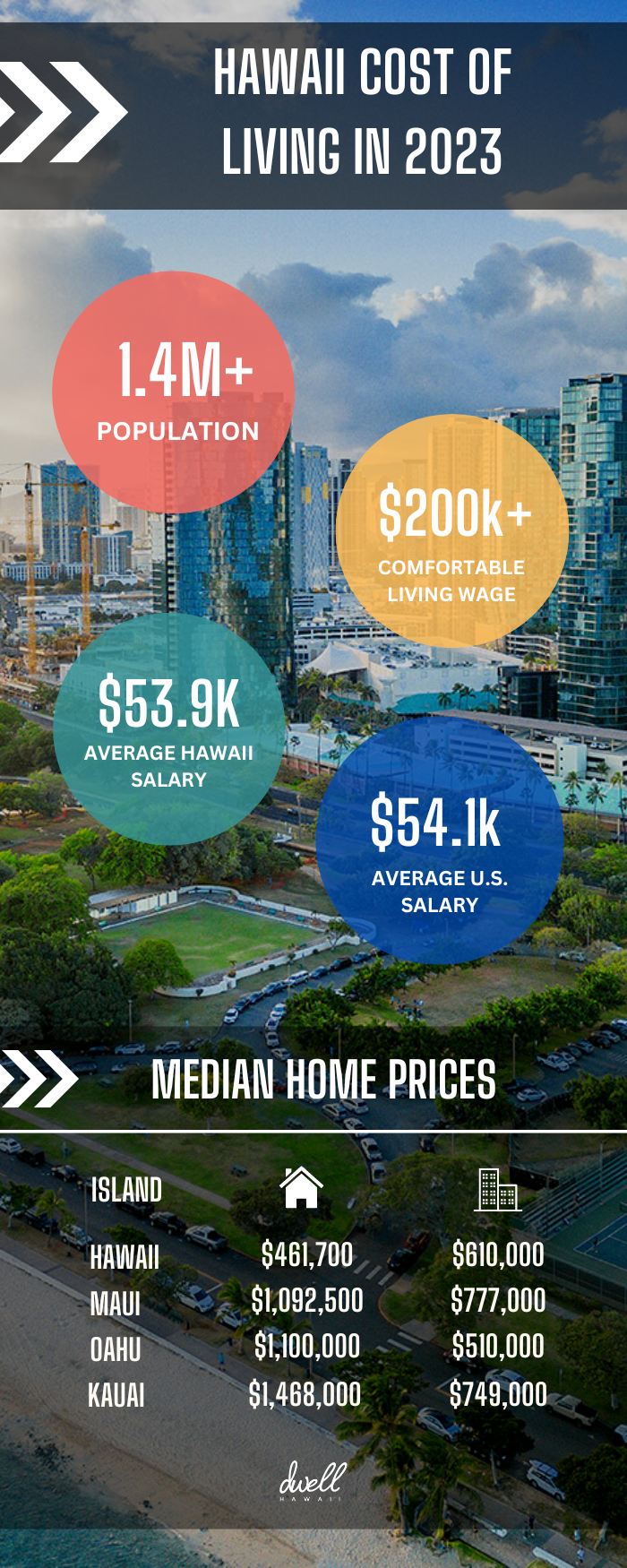
With a total land area smaller than several mainland states, Hawaii’s usable land for residential and commercial development is incredibly scarce. Much of the land is protected for conservation, is agriculturally zoned, or features challenging terrain such as volcanic slopes. This scarcity drives up real estate values to astronomical levels, especially in desirable areas like Waikiki on Oahu or Ka’anapali on Maui. High land costs directly translate into expensive construction and maintenance, inflating the price of everything from a vacation rental apartment to a sprawling resort. Businesses operating on the islands face steep rents and property taxes, which are inevitably passed on to consumers. For those seeking long-term accommodation, the rental market is equally competitive and pricey, reflecting the overall pressure on land resources.
The Allure of Paradise: Surging Tourist Numbers
Hawaii consistently ranks among the most coveted travel destinations globally. Millions of tourists flock to its shores annually, eager to experience its unique blend of adventure, relaxation, and culture. This sustained, high level of tourism creates immense pressure on existing infrastructure and services. While visitor numbers contribute significantly to the state’s economy, they also drive up demand for everything from hotel rooms to restaurant tables and popular attractions. Airlines can command higher fares due to the consistent flow of visitors, and local businesses can justify premium pricing because there is always a steady stream of customers willing to pay for the “Hawaii experience.” This constant influx of travelers, particularly during peak seasons like winter holidays and summer, means that booking in advance is crucial, and deals are rare.
High-End Accommodation: Resorts, Villas, and Suites
Given the high demand and limited supply, the cost of accommodation in Hawaii is a significant budget item for most travelers. The islands boast an impressive array of world-class resorts, offering everything from oceanfront suites to private villas with unparalleled amenities. Brands like the Four Seasons Resort Maui at Wailea, the Grand Hyatt Kauai Resort & Spa, and the Ritz-Carlton Residences, Waikiki Beach exemplify the luxury segment, with nightly rates reflecting their prime locations, extensive facilities, and impeccable service. Even more mid-range options often come with a higher price tag than comparable hotels elsewhere. The limited inventory of hotel rooms, combined with the desire to maximize revenue from high-spending visitors, keeps rates elevated. Travelers seeking to mitigate these costs often explore alternatives like vacation rental apartments, but even these tend to be expensive due to the overall housing market and regulations impacting short-term rentals. Effective booking strategies and careful comparison are essential for managing accommodation expenses.
The Elevated Cost of Living and Doing Business
Beyond geographical factors and tourism demand, the general cost of living and operating a business in Hawaii is inherently higher than on the mainland. This foundational economic reality influences nearly every price point encountered by both residents and visitors.
Labor and Wages: A Higher Baseline
Hawaii’s high cost of living necessitates higher wages for its residents to maintain a reasonable quality of life. Minimum wage rates are often higher than the federal standard, and the overall labor market commands competitive salaries across various sectors, from hospitality staff at the Disney Aulani Resort to local tour guides. These increased labor costs are a significant operational expense for businesses, which must then factor them into the prices of their goods and services. Whether it’s a server at a five-star restaurant, a lifeguard at Diamond Head, or the crew maintaining the gardens of a Princeville resort, their compensation reflects the challenging economic environment of the islands. This contributes directly to the higher cost of dining out, guided tours, spa treatments, and any service that requires human labor.
Everyday Essentials: Groceries and Goods
The combination of shipping costs and high labor expenses makes everyday essentials remarkably expensive. A typical grocery run can be startlingly costly, with many items costing 25-50% more than their mainland counterparts. This isn’t just for specialty items; staples like milk, bread, and fresh produce are significantly marked up. Dining out, whether at a casual eatery in Lahaina or a gourmet restaurant in Wailea, also reflects these higher ingredient and labor costs. Souvenirs, clothing, and other consumer goods follow a similar pattern, making casual shopping a more expensive endeavor. Even local food experiences, such as attending a traditional luau or enjoying a Maui Pineapple Tour, incorporate these elevated foundational costs.
Taxes and Regulations: Contributing to the Bottom Line
Like any state, Hawaii has its own set of taxes and regulations that contribute to the overall cost of doing business and living. The General Excise Tax (GET), for example, is applied at various stages of production and distribution, effectively compounding its impact on final consumer prices. Property taxes, although not as high as some mainland areas, are still significant due to the exorbitant property values. Additionally, strict environmental regulations and building codes, designed to protect Hawaii’s unique ecosystems and ensure sustainable development, can add considerable costs to construction and operational processes. While essential for preserving the islands, these regulatory frameworks undoubtedly contribute to the higher cost structure seen across the Hawaiian economy.
Preserving Paradise: Environmental Stewardship and Sustainable Tourism
Hawaii’s commitment to protecting its fragile ecosystems and maintaining its pristine natural beauty is admirable, but it also comes with a significant financial outlay. These efforts ensure the islands remain an attractive destination for future generations but contribute to the overall expense.
Protecting Unique Ecosystems: Conservation Costs
Hawaii is a global biodiversity hotspot, home to countless endemic species found nowhere else on Earth. Protecting these unique flora and fauna, along with the delicate marine environments, requires extensive conservation efforts. Funding for national parks like Volcanoes National Park on the Big Island, marine sanctuaries, and various ecological initiatives is substantial. These costs are often supported through government funding, grants, and, indirectly, through the tourism economy. Permits for certain activities, fees for accessing protected areas, and taxes that contribute to these funds all add to the visitor’s total cost. The state also invests heavily in managing invasive species, restoring native habitats, and promoting sustainable practices among businesses and residents, all of which are costly but vital for preserving the islands’ appeal.
The Price of Pristine Beauty: Maintaining Attractions
Maintaining the infrastructure that supports millions of tourists while also preserving the natural integrity of sites like Diamond Head or the Na Pali Coast on Kauai is an ongoing expense. Trails need upkeep, visitor centers require staffing, and waste management systems for popular beaches and parks must be robust. These operational costs are often recouped through entrance fees, parking fees, and higher prices for associated activities and tours. For instance, the cost of a helicopter tour over Waimea Canyon or a boat trip to explore sea caves helps fund the maintenance of these incredible natural destinations. Ensuring the safety of visitors and minimizing their environmental impact at popular spots like Mauna Kea or near active volcanoes like Kilauea also involves significant investment in infrastructure and personnel. This commitment to responsible tourism, while laudable, translates into higher costs for both the state and its visitors.

The Luxury Experience and Lifestyle Premium
Finally, Hawaii has cultivated a reputation as a premier destination for luxury travelers and those seeking an elevated experience. This positioning allows for a premium to be charged on many services and experiences, further contributing to the overall expense.
Curated Experiences: From Fine Dining to Exclusive Activities
Hawaii excels at offering exclusive and high-end experiences that cater to a discerning clientele. From world-class golf courses designed by legends, gourmet dining establishments featuring locally sourced ingredients, to private surf lessons or chartered yacht excursions, these specialized services come with a luxury price tag. Even cultural experiences, like a premium seat at the Polynesian Cultural Center or a private tour of Pearl Harbor, are often priced to reflect their unique value and the expertise of their providers. This “premium experience” extends to various aspects of a Hawaiian vacation, whether it’s an opulent spa treatment, bespoke shopping in high-end boutiques, or staying at a lavish Grand Hyatt Hotel property. The focus on delivering exceptional quality and memorable moments allows businesses to command higher prices.
The Premium on Convenience and Service
Travelers to Hawaii often prioritize convenience, impeccable service, and a stress-free experience. Resorts and hotels cater to this by offering a wide array of on-site amenities, concierge services, and seamless logistics. This level of service, however, requires a well-trained staff, constant maintenance, and significant operational investments, all of which are reflected in the prices. From daily maid service to poolside drink delivery and curated activity planning, the expectation of effortless enjoyment comes at a cost. Whether it’s a family trip requiring extensive childcare options or a business stay demanding top-tier meeting facilities, the convenience and comfort are part of the value proposition, and therefore, the price.
Lifestyle Choices: Balancing Budget and Luxury Travel
While Hawaii can undoubtedly be an expensive destination, it’s also true that the “expensive” label often reflects the choices travelers make. For those seeking a luxury travel experience, Hawaii delivers with unmatched elegance and exclusivity. However, it is possible to experience Hawaii on a more budget travel plan. Opting for less luxurious accommodation reviews, cooking some meals, utilizing public transport or carpooling, and choosing free natural attractions can significantly reduce costs. The inherent high baseline costs will always make it pricier than many other destinations, but smart planning and a willingness to forgo some luxuries can make paradise more accessible. Ultimately, Hawaii’s expense is a complex interplay of geography, economics, and market positioning, making it a destination that demands a significant investment but promises an unforgettable reward.
LifeOutOfTheBox is a participant in the Amazon Services LLC Associates Program, an affiliate advertising program designed to provide a means for sites to earn advertising fees by advertising and linking to Amazon.com. Amazon, the Amazon logo, AmazonSupply, and the AmazonSupply logo are trademarks of Amazon.com, Inc. or its affiliates. As an Amazon Associate we earn affiliate commissions from qualifying purchases.