
As we look towards 2025, the landscape of reproductive healthcare access in the United States continues to evolve, making the question “Can you get an abortion in California in 2025?” a pertinent one for many individuals and families. For those navigating this complex environment, California stands out as a state that has consistently affirmed and expanded access to reproductive services. This article aims to provide a comprehensive guide for anyone considering or needing to travel to California for abortion care in 2025, focusing on the essential travel, accommodation, and logistical considerations that align with our expertise in travel, hotels, and tourism.

California’s Enduring Commitment to Reproductive Healthcare
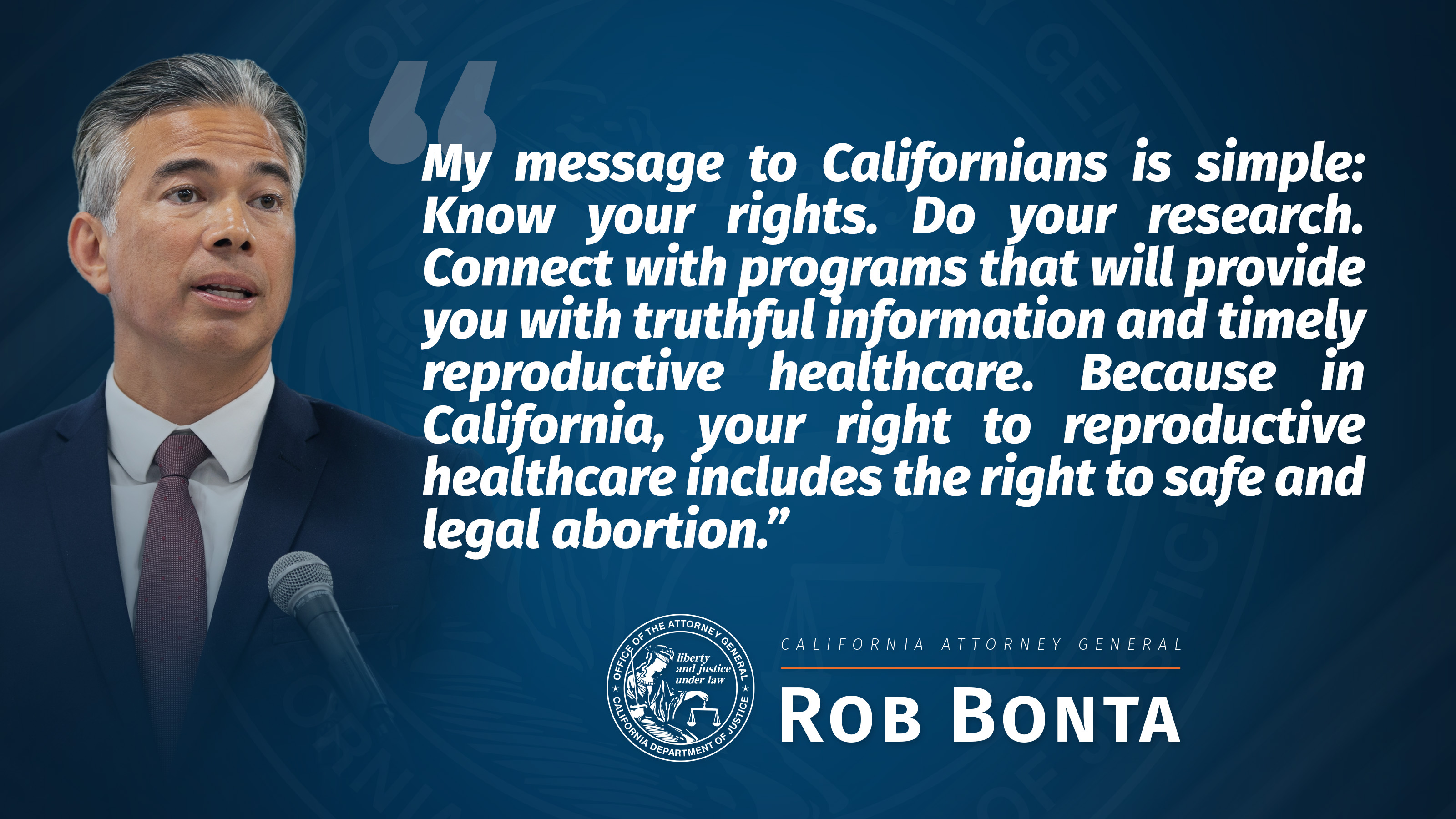
The legal status of abortion in the United States has been profoundly altered since the overturning of Roe v. Wade in 2022. However, California has taken proactive measures to enshrine reproductive rights into state law, establishing itself as a “sanctuary state” for abortion access. As of 2025, it is expected that California will continue to uphold these protections, ensuring that individuals, regardless of their state of origin, can access abortion services within its borders. This commitment includes legal safeguards for providers and patients, financial aid programs for low-income residents and out-of-state travelers, and efforts to expand the network of clinics and healthcare professionals offering these services.
The state’s progressive policies mean that, yes, you can expect to get an abortion in California in 2025. This certainty, however, comes with a need for careful planning, particularly for those traveling from states with restrictive laws. Understanding the legal framework is the first step; the next involves navigating the practicalities of travel, accommodation, and support systems to ensure a safe, discreet, and comfortable experience during what can be a challenging time. For our readers, many of whom seek destinations for various purposes, California emerges not just as a tourist hotspot but also as a critical destination for essential healthcare.
Planning Your Journey: Travel, Accommodation, and Logistics
Traveling to California for healthcare requires thoughtful planning that goes beyond typical vacation arrangements. It involves selecting the right destination, securing suitable accommodation, and understanding local transportation options, all while prioritizing privacy, comfort, and proximity to care.
Getting to California: Destinations and Transportation
California is a vast state with several major international airports and extensive transportation networks, offering numerous entry points for travelers. The choice of destination often depends on where healthcare providers are located and personal preferences for atmosphere and amenities.
-
Major Airports:
- Los Angeles International Airport (LAX) in Southern California is one of the busiest airports in the world, providing direct flights from virtually anywhere. Its proximity to Los Angeles and surrounding cities like Beverly Hills and Santa Monica makes it a primary gateway.
- San Francisco International Airport (SFO) serves Northern California and the Bay Area, offering excellent connectivity to San Francisco, Oakland, and beyond.
- San Diego International Airport (SAN) is convenient for those heading to San Diego and the southern regions of the state, including Orange County.
- Sacramento International Airport (SMF) provides access to the state capital and central California, which may offer a quieter, more discreet experience away from the bustling major cities.
-
Ground Transportation:
- Rental Cars: For flexibility and privacy, renting a car is often recommended, especially if your clinic is not directly in a major city center or if you plan to explore the area discretely. Most major airports have a wide array of rental car agencies.
- Ride-sharing Services: Uber and Lyft are widely available across California’s urban and suburban areas, offering convenient on-demand transportation.
- Public Transit: Major cities like Los Angeles and San Francisco have extensive public transportation systems (buses, subways, light rail), but they may not always be the most direct or private option, particularly after a medical procedure.
- Amtrak offers scenic train routes throughout the state, which can be an alternative for inter-city travel, though less practical for direct clinic access.
When choosing your destination, consider the location of your chosen healthcare provider first, and then explore the most convenient and comfortable travel options to reach that area.
Choosing Your Stay: Hotels, Resorts, and Alternative Accommodations
Accommodation is a critical component of travel for healthcare. The ideal stay balances comfort, privacy, proximity to your clinic, and budget. California offers a diverse range of options, from luxury resorts to budget-friendly hotels and private vacation rentals.
-
Hotels:
- Full-Service Hotels: Brands like Hilton Hotels & Resorts, Marriott International, and Hyatt Hotels Corporation offer consistent quality, amenities such as room service, on-site dining, and often discreet check-in processes. Opt for properties located a short drive from your clinic.
- Boutique Hotels: In cities like San Francisco or Los Angeles, boutique hotels can offer a more personalized and often more private experience, sometimes blending into residential areas.
- Extended Stay Hotels: For those who might require a longer recovery period or multiple appointments, hotels with kitchenettes like Residence Inn by Marriott or Homewood Suites by Hilton offer comfort and convenience akin to an apartment.
-
Vacation Rentals:
- Platforms like Airbnb and Vrbo provide access to private homes, apartments, or rooms. This option can offer unparalleled privacy and a more home-like environment, which can be particularly comforting during a sensitive time. Look for “entire place” rentals and read reviews carefully regarding privacy and host communication.
- When booking, consider neighborhoods that are quiet, safe, and offer easy access to essential services (pharmacies, grocery stores) and, crucially, your medical appointment.
-
Booking Tips:
- Anonymity: Consider booking through third-party sites like Booking.com or Expedia if you prefer an additional layer of privacy.
- Flexibility: Look for flexible cancellation policies, as travel plans for medical reasons can sometimes change unexpectedly.
- Amenities: Prioritize amenities like comfortable beds, a quiet environment, and perhaps a small refrigerator for personal items or medication.
Beyond Healthcare: Integrating Lifestyle and Support into Your Trip
While the primary purpose of your trip to California may be healthcare, it’s important to consider your overall well-being. California offers a multitude of options for quiet reflection, gentle distraction, and essential support, transforming what could be a stressful medical trip into a more holistic experience.
Local Culture and Experiences: A Gentle Distraction
For many, a trip for healthcare can be emotionally and physically taxing. Incorporating elements of the local culture and gentle, low-key experiences can provide much-needed respite and distraction. California’s diverse regions offer a variety of options.
-
Nature and Outdoors:
- Parks and Gardens: Places like Golden Gate Park in San Francisco, Balboa Park in San Diego, or even local botanical gardens offer peaceful environments for short walks and fresh air.
- Beaches: A quiet stroll along one of California’s iconic beaches, such as those in Santa Monica or Laguna Beach, can be incredibly calming, particularly during off-peak hours.
- Scenic Drives: A drive along parts of the Pacific Coast Highway can offer stunning views and a sense of escape, provided you feel up to it.
-
Arts and Culture (Low-Key):
- Museums: Opt for smaller, less crowded museums or galleries. For instance, The Getty Center in Los Angeles offers beautiful gardens and art in a tranquil setting, as do many local art galleries throughout the state.
- Local Cafes and Bookstores: Sometimes, simply enjoying a quiet coffee or browsing a bookstore can provide a comforting sense of normalcy and local immersion without requiring much physical exertion.
-
Food and Drink:
- California’s culinary scene is world-renowned. Indulge in local flavors, whether it’s fresh seafood, farm-to-table cuisine, or diverse ethnic foods. Many restaurants offer takeout or delivery services, allowing you to enjoy gourmet meals in the privacy of your accommodation.
- For those interested in non-alcoholic options, California’s vibrant juice bars and artisanal coffee shops are abundant. In regions like Napa Valley or Sonoma County, many wineries offer tours and tastings, though these might be better suited for companions or post-recovery.
The key is to select activities that support your physical and emotional state, avoiding strenuous activities or overly crowded tourist landmarks like Disneyland Resort or Universal Studios Hollywood unless specifically desired and cleared by your physician. Places like Yosemite National Park or the Golden Gate Bridge offer grand experiences, but simpler, local attractions might be more appropriate.
Financial and Support Considerations for Travelers
Accessing healthcare, especially across state lines, can incur significant costs beyond the medical procedure itself. California has recognized this burden and has established support systems.
- Financial Assistance: Many California organizations and clinics offer financial assistance for abortion care, and some even provide aid for travel, accommodation, and related expenses for out-of-state visitors. It is crucial to research these options and contact clinics directly to inquire about available support programs before your trip. Websites of reproductive rights groups often list resources.
- Support Networks: Consider traveling with a trusted companion, friend, or family member. Having someone for emotional support and practical assistance (driving, picking up prescriptions, light errands) can make a significant difference. If traveling alone, inform a trusted contact of your itinerary and check in regularly.
- Privacy and Discretion: Given the sensitive nature of the trip, maintaining privacy is often a high priority. Choose accommodations that offer discretion, plan travel routes that avoid public scrutiny, and be mindful of what information you share with others.
- Post-Procedure Care: Ensure you understand the clinic’s post-procedure instructions and have a plan for any follow-up care, whether it’s a virtual consultation or a local appointment once you return home. Factor in recovery time when planning your return journey, avoiding immediate strenuous travel.
By addressing these aspects of lifestyle and support, your journey to California in 2025 for abortion care can be managed with greater ease and peace of mind, allowing you to focus on your health and well-being.
Navigating the Legal and Practical Landscape for Out-of-State Visitors
For those traveling from states with more restrictive abortion laws, understanding the legal nuances and practical considerations is paramount. California’s status as a “sanctuary state” offers protection, but vigilance is still advised.
Legal Protections for Out-of-State Patients
California has enacted several laws to protect both providers and patients, including those from other states. These laws aim to prevent legal actions or investigations initiated by other states from impacting individuals seeking or providing care within California’s borders.
- Shield Laws: These laws prevent California state agencies from assisting out-of-state investigations related to abortion and protect medical records from being shared.
- Privacy: Healthcare providers in California are committed to patient privacy. However, individuals should still be mindful of their digital footprint and communications if privacy is a major concern.
- Informed Decisions: While California law ensures access, it is always recommended to consult with legal aid organizations specializing in reproductive rights if you have specific concerns about interstate travel or potential legal ramifications in your home state.

Practical Tips for a Smooth Trip
Beyond legal protections, practical steps can enhance the safety and comfort of your trip.
- Advance Planning is Key: Book medical appointments, flights, and accommodation well in advance. This ensures availability and often secures better rates.
- Medical Records: Have any necessary medical records or referrals readily accessible, preferably in both digital and physical formats.
- Emergency Contacts: Keep a list of emergency contacts, including the clinic’s number, your accommodation’s details, and a trusted person, easily accessible.
- Medication: Bring any personal medications you regularly take, along with a copy of your prescriptions.
- Local Resources: Familiarize yourself with local pharmacies, urgent care centers, and transportation options around your chosen accommodation and clinic.
- Discretion: If discretion is a priority, consider using cash for smaller purchases, opting for direct flights to avoid layovers in restrictive states, and using privacy settings on your phone and social media.
- Insurance: Understand your health insurance coverage. While California has support programs, your existing insurance may cover parts of the procedure, though it’s important to clarify if out-of-network or out-of-state coverage applies.
In conclusion, for those asking “Can you get an abortion in California in 2025?”, the answer remains a resolute yes. California’s unwavering commitment to reproductive freedom makes it a vital destination for healthcare access. By leveraging careful planning, understanding travel logistics, choosing appropriate accommodation, and being aware of the available support and legal protections, individuals can navigate this journey with confidence, focusing on their health and well-being during a critical time. This blend of travel strategy and essential support transforms California into more than just a place on the map; it becomes a beacon of care and access.
LifeOutOfTheBox is a participant in the Amazon Services LLC Associates Program, an affiliate advertising program designed to provide a means for sites to earn advertising fees by advertising and linking to Amazon.com. Amazon, the Amazon logo, AmazonSupply, and the AmazonSupply logo are trademarks of Amazon.com, Inc. or its affiliates. As an Amazon Associate we earn affiliate commissions from qualifying purchases.