
The allure of Alaska, with its majestic wilderness, towering peaks, and unparalleled wildlife, draws adventurers from across the globe. For many, the ultimate dream isn’t just to visit but to embark on an epic road trip, charting a course through vast landscapes to reach the Last Frontier by vehicle. The resounding answer to “Can you drive to Alaska?” is a resounding “Yes!” – and it promises to be one of the most unforgettable journeys of your life. This isn’t merely a drive; it’s an odyssey, traversing thousands of miles of diverse terrain, crossing international borders, and immersing yourself in a landscape that changes dramatically with every passing mile.
Driving to Alaska offers a unique perspective unavailable to those who arrive by air or sea. It’s a journey filled with discovery, challenging but immensely rewarding, providing an intimate connection with the rugged beauty of North America. From the bustling highways of the lower 48 United States to the serene, wild expanses of Canada’s British Columbia and Yukon territories, the drive to Alaska is an adventure woven with anticipation and spectacular views. This guide will equip you with everything you need to know to plan and execute this legendary road trip, ensuring your journey is as smooth and incredible as the destination itself.
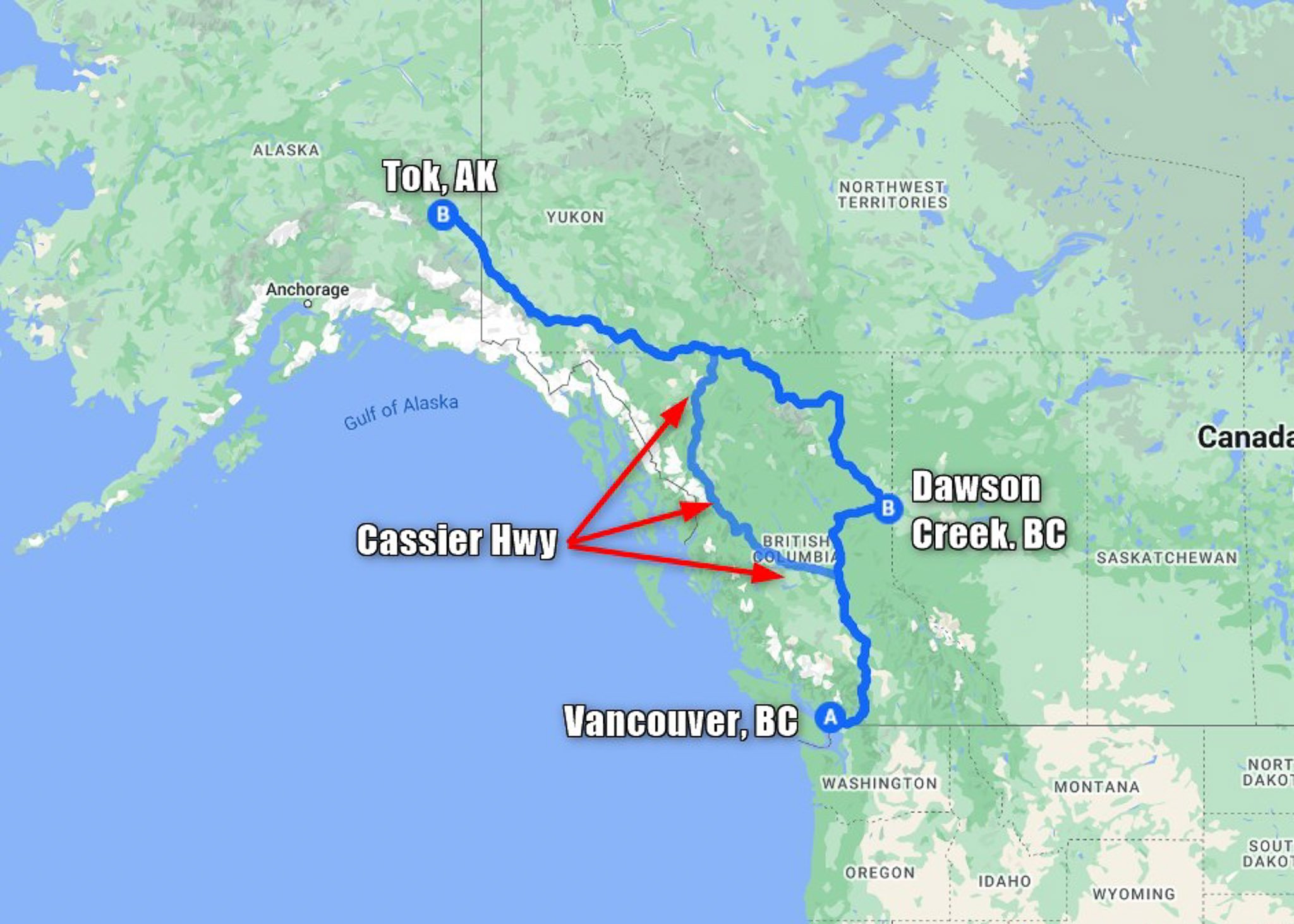
The Iconic Route: Navigating the Alaska Highway
The cornerstone of any drive to Alaska is the legendary Alaska Highway, often referred to as the Alcan Highway. This historic route was originally constructed during World War II, a monumental engineering feat to connect the contiguous United States with Alaska for military supply and defense purposes. Today, it stands as a testament to human ingenuity and a gateway for modern-day explorers seeking the wild heart of the north. While the Alaska Highway is the primary artery, the entire journey to Alaska from the lower 48 typically involves a network of roads leading up to its official start.
Tracing the Path: From Dawson Creek to Delta Junction
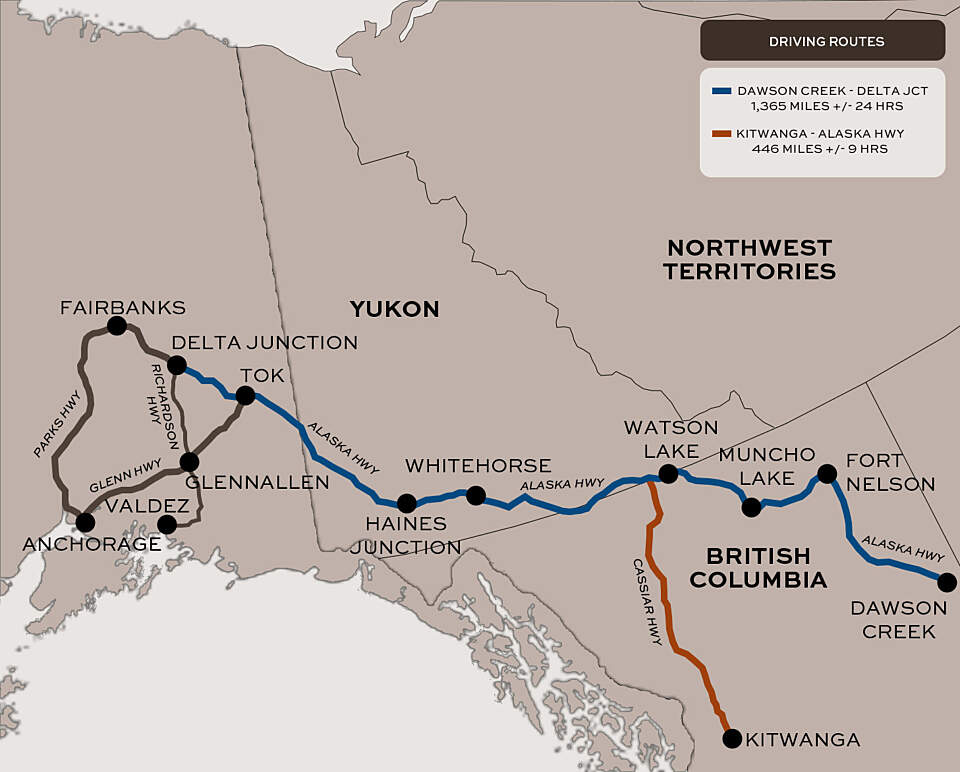
The official starting point of the Alaska Highway is Dawson Creek, a charming town in northern British Columbia, Canada. Here, you’ll find the iconic “Mile 0” post, a popular photo opportunity and a symbolic beginning to your grand adventure. From Dawson Creek, the highway stretches northwest through the vast forests and mountain ranges of British Columbia and the Yukon Territory, finally concluding at Delta Junction, Alaska. This segment of the journey alone covers approximately 2,232 kilometers (1,387 miles).
The total distance of your trip will, of course, depend on your starting point in the lower 48. For example, a journey originating from Seattle, Washington, to Anchorage, Alaska, would typically span over 3,600 kilometers (2,200 miles) and take a minimum of five to seven days of continuous driving, not accounting for stops to sightsee, rest, or enjoy the myriad attractions along the way. Most travelers allocate at least 10-14 days for a comfortable pace, allowing for unexpected delays and ample time to soak in the experience. The road surface is predominantly paved, a stark contrast to its original gravel construction, though travelers should still anticipate sections of gravel, construction zones, and areas with frost heaves that can make for a bumpy ride.
Crossing Borders: Essential Documents and Requirements
Given that a significant portion of your drive will take you through Canada, proper documentation is paramount. For US and Canadian citizens, a valid passport is the most straightforward and universally accepted form of identification for crossing the border in both directions. Enhanced Driver’s Licenses (EDLs) or trusted traveler cards like NEXUS may also be accepted for US and Canadian citizens, but a passport offers the broadest acceptance and peace of mind. Non-US or Canadian citizens will need to ensure they have the appropriate visas for both countries, such as an ESTA for entry into the United States and a Canadian eTA or visa, depending on their nationality.
Beyond personal identification, your vehicle will also need to be properly documented. Carry your current vehicle registration, proof of ownership, and valid automobile insurance. It’s advisable to check with your insurance provider to confirm coverage in Canada. Many policies extend coverage, but some may require a temporary rider. Be aware of customs regulations for both countries; restrictions apply to firearms, certain foods, plants, and alcohol. If traveling with pets, ensure you have their vaccination records (especially rabies) and a health certificate from a veterinarian. Familiarize yourself with these requirements well in advance to avoid any unwelcome delays at the border crossings, which can be frequent when navigating a journey of this magnitude.
Preparing for the Ultimate Road Trip
Embarking on a drive to Alaska is not an undertaking to be taken lightly. It requires meticulous planning and thorough preparation, transforming a simple road trip into an expedition. The sheer distances, variable road conditions, and remote stretches demand a proactive approach to ensure safety, comfort, and enjoyment.
Timing Your Adventure: Best Seasons and Weather
The overwhelming consensus is that the best time to drive to Alaska is during the summer months, typically from late May through early September. During this window, road conditions are at their prime, with less snow and ice, and temperatures are generally milder. Most seasonal services, including gas stations, restaurants, campgrounds, and attractions, are open and fully operational. The longer daylight hours also allow for more driving time and sightseeing, enhancing the overall experience. Summer brings vibrant wildflowers, active wildlife, and accessible hiking trails, making it ideal for those who wish to explore beyond the pavement.
Driving during the shoulder seasons (spring or fall) is possible but comes with additional challenges. In spring (April-May), you might encounter lingering snow and ice, mud, and fewer open services. Fall (late September-October) offers stunning autumn foliage but rapidly decreasing daylight, colder temperatures, and the risk of early winter storms and closures. Winter driving (November-March) is generally discouraged for recreational travelers due to extreme cold, heavy snow, ice, limited services, and hazardous driving conditions. If you must travel in winter, a highly prepared 4×4 vehicle, extensive winter driving experience, and a flexible schedule are essential. Always check current weather forecasts and road conditions before and during your trip, especially when traveling through mountainous regions.
Outfitting Your Vehicle for the Wilderness
Your vehicle is your lifeline on this journey, so ensuring it’s in top condition is non-negotiable. Before you even think about hitting the road, schedule a comprehensive pre-trip inspection with a trusted mechanic. Pay close attention to tire wear and pressure (including your spare!), brakes, fluid levels (oil, transmission, coolant, windshield wiper fluid), belts, hoses, and battery health. A full-size spare tire is an absolute must, and consider carrying a tire repair kit or patch tools.
Beyond routine maintenance, assemble a robust emergency kit. This should include:
- First-aid kit: Comprehensive for minor injuries and ailments.
- Emergency blankets or sleeping bags: For unexpected overnight stops in cold weather.
- Flashlight or headlamp with extra batteries: Essential for roadside issues at night.
- Jumper cables or a portable jump starter: Dead batteries can happen anywhere.
- Basic tool kit: Wrenches, screwdrivers, pliers for minor repairs.
- Extra fuel: Jerry cans can be invaluable on long, remote stretches between service stations.
- Extra water and non-perishable food: Sufficient for several days in case of breakdowns.
- Satellite phone or personal locator beacon (PLB): Cellular service is notoriously spotty or non-existent in vast areas of the Yukon and Alaska. A satellite communicator can be a lifesaver.
- Maps (paper and digital offline): Don’t rely solely on GPS, which can lose signal.
- Bear spray: Recommended if you plan on hiking in bear country.
- Bug repellent: Mosquitoes and other insects can be formidable in the summer.
- Tire chains: (Especially for shoulder season or winter travel).

Remember to pack comfortable clothing layers suitable for varying temperatures, as weather can change rapidly in the north.
Staying Safe on the Open Road
Safety on the Alaska Highway extends beyond vehicle preparedness. Wildlife encounters are almost guaranteed and can be both awe-inspiring and dangerous. Moose, caribou, elk, and various species of bears (black and grizzly) frequent the roadsides. Drive defensively, especially at dawn, dusk, and night when animals are most active. Maintain a safe distance, never feed wildlife, and be prepared to stop suddenly. Hitting a large animal like a moose can be catastrophic.
Road conditions, while mostly paved, can be unpredictable. Be vigilant for potholes, gravel sections, and frost heaves which can damage your vehicle if hit at speed. Reduce your speed in construction zones and on unpaved sections. Plan your daily driving distances realistically, accounting for slower speeds and frequent stops. Avoid driving fatigued. The vast distances and changing scenery can lead to “highway hypnosis,” so take regular breaks, stretch, and share driving responsibilities if possible.
Cellular service will be intermittent or non-existent in many remote areas. Inform family or friends of your itinerary and expected arrival times. Consider investing in a roadside assistance plan that covers both the US and Canada. When you do find services, such as fuel or food, take advantage of them, even if your tank isn’t completely empty or you’re not starving. The next stop could be further than you anticipate.
Embracing the Journey: Attractions and Experiences Along the Way
The drive to Alaska is far more than just getting from point A to point B; it’s an immersive experience teeming with natural wonders, unique cultural landmarks, and opportunities for unforgettable adventures. Each mile unveils a new vista, inviting you to explore and connect with the raw beauty of the north.
Must-See Landmarks and Natural Wonders
The Alaska Highway itself is a landmark, but several specific points of interest warrant a stop:
- Liard River Hot Springs (British Columbia): A true oasis in the wilderness, these natural hot springs are set amidst a lush boreal forest. Boardwalks lead to beautifully developed soaking pools where you can relax and rejuvenate amidst nature, often spotting wildlife like moose. It’s a perfect break from driving.
- Muncho Lake Provincial Park (British Columbia): Known as the “Jade Sea,” Muncho Lake is a stunning natural wonder with its vibrant turquoise waters, a result of copper oxide leaching from the surrounding mountains. The drive alongside the lake offers breathtaking views, and campgrounds provide opportunities for lakeside stays.
- Sign Post Forest in Watson Lake, Yukon: A quirky and iconic landmark, this unique “forest” consists of over 100,000 signs, license plates, and other memorabilia posted by travelers from around the world. Started by a homesick soldier in 1942, it’s a testament to the highway’s long history and a fun place to add your own mark.
- Yukon Wildlife Preserve near Whitehorse, Yukon: Just a short drive from Whitehorse, the capital of the Yukon, this preserve offers an incredible opportunity to view local wildlife in large natural habitats. Visitors can drive, walk, or bike a 5-kilometer loop to see moose, caribou, bison, arctic foxes, and other northern species up close.
- Kluane National Park and Reserve (Yukon): Home to Mount Logan, Canada’s highest peak, and the world’s largest non-polar icefields, Kluane National Park and Reserve is a UNESCO World Heritage site. While much of it is wilderness, accessible viewpoints and hiking trails near the highway provide stunning glacier and mountain vistas.
- Alaska Pipeline Viewpoints (Alaska): As you enter Alaska, you’ll encounter sections of the iconic Trans-Alaska Pipeline System, an engineering marvel stretching over 800 miles. Various viewpoints and interpretive displays explain its construction and importance.
Planning for Services and Accommodations
One of the most critical aspects of driving the Alaska Highway is understanding the availability of services. While not as remote as it once was, there are still long stretches between towns where fuel, food, and lodging options are sparse. Planning your stops in advance is crucial.
Fuel: Always fill up your tank when you have the opportunity, even if you’re only half-empty. Distances between gas stations can exceed 100-150 miles in some areas. Carrying extra fuel in approved containers is a wise precaution.
Food: Pack a cooler with snacks, drinks, and some basic meal ingredients. While roadside diners and small restaurants are available in towns, their hours can be limited, and options might be few and far between.
Lodging: Accommodation ranges from basic motels and lodges in small towns to RV parks and campgrounds. During peak summer season, these can fill up quickly, so booking ahead, especially in popular spots, is highly recommended. Many travelers choose to camp or bring an RV, which offers flexibility and often more scenic overnight stays. Facilities like showers and laundry may be limited in some campgrounds. In larger towns like Whitehorse or Fort Nelson, you’ll find more traditional hotel options.
Beyond the Highway: Exploring Alaska’s Gems
Once you reach Delta Junction, the official end of the Alaska Highway, your Alaskan adventure truly begins. Most drivers continue on to Fairbanks (about 160 km or 100 miles further), a vibrant city known for its access to the Arctic, gold rush history, and the University of Alaska Fairbanks. From Fairbanks, many head south on the George Parks Highway towards Anchorage, Alaska’s largest city, serving as a hub for further exploration of the state’s southern regions.
Key destinations and experiences beyond the main highway include:
- Denali National Park and Preserve: A short detour off the George Parks Highway takes you to Denali National Park and Preserve, home to North America’s highest peak, Denali. Vehicle access is restricted beyond a certain point, but shuttle buses provide extensive tours into the park’s wilderness for wildlife viewing and spectacular mountain scenery.
- Anchorage: Alaska’s urban heart offers a diverse range of activities, from world-class dining and cultural experiences to easy access to outdoor adventures like hiking, fishing, and flightseeing. Many hotels and resorts cater to all budgets.
- Seward: Located on the Kenai Peninsula, Seward is a picturesque coastal town offering gateway access to Kenai Fjords National Park with glacier cruises, marine wildlife viewing, and deep-sea fishing.
- Homer: Known as the “Halibut Fishing Capital of the World,” Homer boasts a vibrant arts scene and stunning views across Kachemak Bay.
- Juneau: While Juneau, Alaska’s capital, is not accessible by road, many travelers will reach Skagway or Haines via the South Klondike Highway and then take a ferry to explore the capital and other communities in Southeast Alaska.
Budgeting and Final Considerations for Your Alaskan Drive
A road trip to Alaska is an investment in experience, but it’s also a significant financial undertaking. Careful budgeting and a flexible mindset will help ensure a smooth and enjoyable journey without unexpected monetary surprises.
Understanding the Costs Involved
The primary expenses for your drive will include:
- Fuel: This will likely be your largest variable cost. Gas prices in remote parts of British Columbia, the Yukon, and Alaska are generally higher than in the lower 48 US or populated areas of Canada. Budget generously for fuel.
- Accommodation: Depending on your preference for hotels, motels, RV parks, or campgrounds, this cost will vary. Reserving ahead can sometimes secure better rates, but spontaneity can also lead to charming finds.
- Food: Eating out can add up quickly, especially in remote areas where options are limited and prices higher. Stocking up on groceries and preparing some of your own meals can significantly reduce this expense.
- Activities and Attractions: Entrance fees for parks, wildlife preserves, hot springs, and any specialized tours (like glacier cruises or flightseeing) will contribute to your budget.
- Vehicle Maintenance and Supplies: Beyond the pre-trip service, factor in potential minor repairs, tire changes, or additional supplies purchased along the way.
- Contingency Fund: Always set aside extra money for unforeseen circumstances – a flat tire, an unexpected overnight stay, or simply wanting to splurge on a memorable experience.
Essential Tips for a Smooth Journey
- Patience is a Virtue: The journey is long, and there will be stretches of monotonous road, construction delays, and unexpected weather. Embrace the slower pace and allow plenty of time.
- Embrace the Journey: The destination is incredible, but the drive itself is an integral part of the adventure. Stop frequently, take photos, talk to locals, and savor the moments.
- Bring a Camera: The landscapes are consistently stunning, from towering mountains and pristine lakes to abundant wildlife. You’ll want to capture every memory.
- Be Prepared for Anything: From sudden weather changes to animal crossings or limited services, a flexible mindset and a well-stocked vehicle will make all the difference.
- Communicate Your Itinerary: Share your travel plans with someone back home, including your planned stops and estimated times of arrival. This is especially important given the spotty cell service.
- Stay Flexible: While planning is essential, be open to adjusting your itinerary based on weather, local recommendations, or unexpected discoveries. Some of the best memories are made off the beaten path.
- Respect the Environment: Pack out everything you pack in, stay on marked trails, and give wildlife ample space. The pristine nature of the north is a treasure to be protected.
Driving to Alaska is more than just a trip; it’s a rite of passage for many, a testament to the adventurous spirit. It offers an unparalleled opportunity to witness the wild beauty of North America, connect with diverse cultures, and create memories that will last a lifetime. With careful planning, a well-equipped vehicle, and an open mind, you absolutely can drive to Alaska, and it will be an experience unlike any other.
LifeOutOfTheBox is a participant in the Amazon Services LLC Associates Program, an affiliate advertising program designed to provide a means for sites to earn advertising fees by advertising and linking to Amazon.com. Amazon, the Amazon logo, AmazonSupply, and the AmazonSupply logo are trademarks of Amazon.com, Inc. or its affiliates. As an Amazon Associate we earn affiliate commissions from qualifying purchases.