
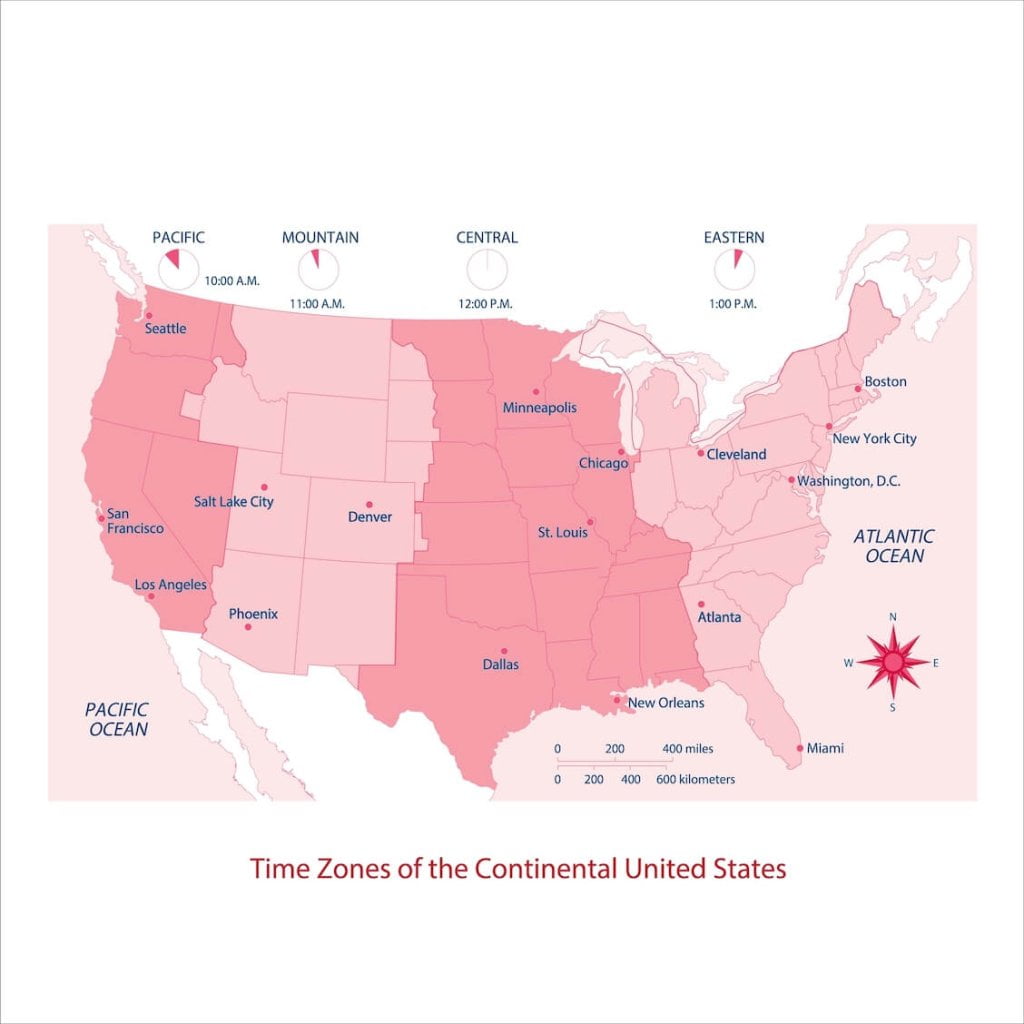
Nestled along the sun-drenched coast of California, Los Angeles stands as a global hub for entertainment, innovation, and diverse local culture. For anyone planning to visit, conduct business, or simply connect with someone in this iconic city, one of the first and most fundamental pieces of information to ascertain is its time zone. Los Angeles operates on the Pacific Time Zone (PT), a designation that shifts between Pacific Standard Time (PST) and Pacific Daylight Time (PDT) depending on the time of year. Understanding this crucial detail is not just about knowing what time it is, but also about mastering the art of travel, optimizing accommodation arrangements, and fully immersing oneself in the vibrant lifestyle that Los Angeles offers.
The rhythm of any major city is intrinsically linked to its time zone, affecting everything from peak traffic hours and business operating times to dining schedules and the availability of major attractions. For international travelers and those traversing continents, the time zone difference can be a significant factor in combating jet lag and ensuring a smooth transition into local life. This comprehensive guide aims to demystify the Pacific Time Zone, explore its practical implications for visitors and residents, and provide invaluable tips for a seamless and enjoyable Los Angeles experience.
Unpacking the Pacific Time Zone (PT)
At its core, understanding the time zone of Los Angeles means grasping the concept of the Pacific Time Zone, which encompasses a broad geographical area across western North America. This zone is characterized by its observance of Daylight Saving Time, leading to a seasonal shift between two distinct time designations.
Pacific Standard Time (PST) and Pacific Daylight Time (PDT)
The Pacific Time Zone operates under two names throughout the year:
- Pacific Standard Time (PST): This is the base time, observed during the autumn and winter months. PST is UTC-8, meaning it is eight hours behind Coordinated Universal Time.
- Pacific Daylight Time (PDT): This is observed during the spring and summer months due to Daylight Saving Time. PDT is UTC-7, making it seven hours behind Coordinated Universal Time.
The transition typically occurs on the second Sunday in March, when clocks “spring forward” one hour, and on the first Sunday in November, when they “fall back” one hour, returning to Pacific Standard Time. This system, largely adopted to make better use of daylight and save energy, has a considerable impact on daily schedules, especially for those accustomed to different time-keeping conventions.
Geographic Reach and States Adhering to PT
The Pacific Time Zone is a significant geographical entity, extending beyond just California. Major cities and states within this zone include:
- California: Los Angeles, San Francisco, San Diego.
- Washington: Seattle, Spokane.
- Oregon: Portland, Salem.
- Nevada: Las Vegas, Reno.
- Idaho: The northern part of the state.
- Canada: Most of British Columbia, including Vancouver.
- Mexico: Baja California.
It’s worth noting an important exception: Arizona does not observe Daylight Saving Time for most of the year. This means that during the spring and summer, when Los Angeles is on PDT (UTC-7), Arizona remains on Mountain Standard Time (MST), which is also UTC-7. Consequently, for a few months each year, Arizona is on the same clock as Los Angeles, but they are an hour apart during the PST period. Such nuances highlight the importance of verifying local times, especially for interstate travel or remote coordination.
Navigating Travel: The Impact of Time Zones on Your Los Angeles Experience
For visitors arriving in Los Angeles, the time zone transition can be one of the most immediate and impactful aspects of their trip. From adjusting one’s internal clock to coordinating flight arrivals and activity schedules, a proactive approach to time zone differences is key to a smooth and enjoyable experience.
Conquering Jet Lag for a Seamless Arrival
Jet lag, a temporary sleep disorder caused by rapid travel across multiple time zones, can significantly dampen the initial days of your Los Angeles adventure. Symptoms typically include fatigue, insomnia, headaches, irritability, and digestive issues. However, with careful planning, its effects can be minimized:
- Pre-adjust Your Sleep Cycle: A few days before your departure, gradually shift your sleep and meal times closer to Los Angeles local time. If flying west, try going to bed later; if flying east, earlier.
- Hydrate and Avoid Stimulants: During your flight, drink plenty of water and limit alcohol and caffeine, which can exacerbate dehydration and disrupt sleep patterns.
- Embrace Natural Light: Upon arrival, expose yourself to natural light during the day to help reset your circadian rhythm. Conversely, avoid bright lights in the evening.
- Strategic Napping: If you must nap, keep it short (20-30 minutes) and avoid napping too close to bedtime.
- Stay Active: Gentle exercise, such as a walk along Venice Beach or a morning hike in Runyon Canyon Park, can help your body adjust and boost energy levels.
- Melatonin and Other Aids: Consult with a healthcare professional about using melatonin or other sleep aids to help regulate your sleep cycle, especially for significant time differences (e.g., London to Los Angeles is an 8-hour difference).

By being mindful of these tips, travelers can significantly reduce the impact of jet lag, allowing them to hit the ground running and fully enjoy the dynamic offerings of Los Angeles.
Synchronizing Your Itinerary: Flights, Check-ins, and Attractions
Beyond personal well-being, the time zone dictates the practical logistics of your trip. Every aspect of your itinerary, from the moment you land at Los Angeles International Airport (LAX) to your evening entertainment, operates on local Pacific Time Zone.
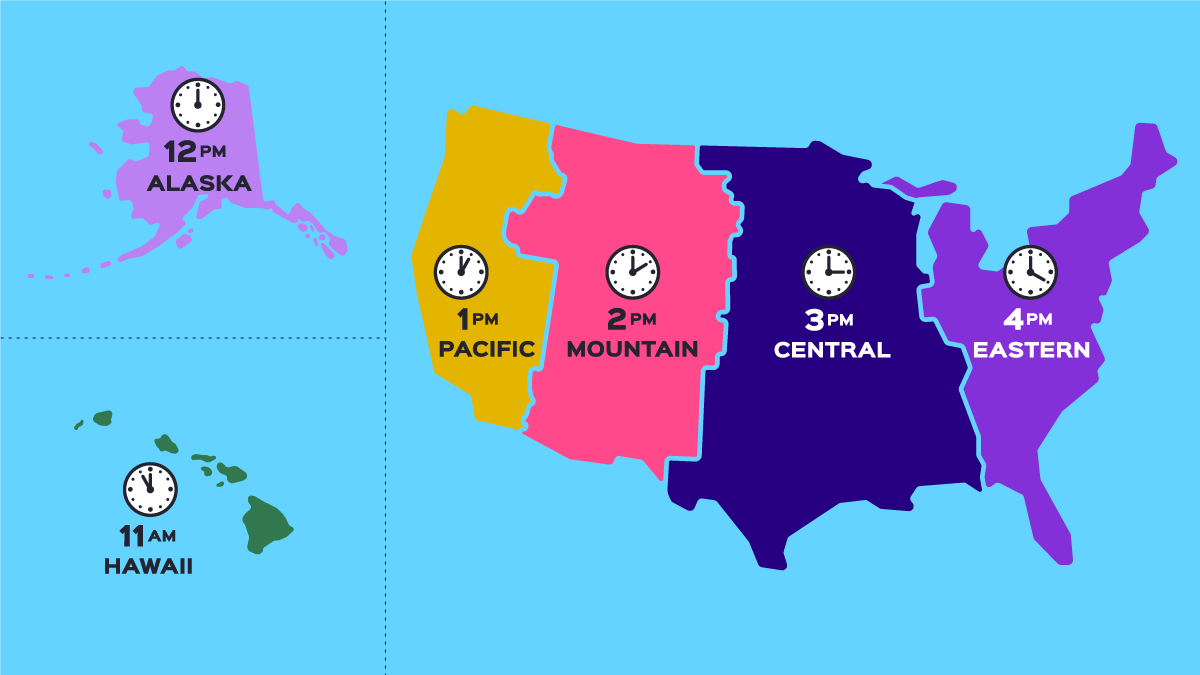
- Flight Schedules: Always confirm departure and arrival times in the local time of each airport. A flight departing New York City (Eastern Time, ET) at 9:00 AM will arrive in Los Angeles (PT) at 12:00 PM (noon) PST or 1:00 PM PDT, reflecting the 3-hour difference.
- Hotel Check-in/Check-out: Most hotels and accommodation providers have strict check-in and check-out times, typically around 3:00 PM and 11:00 AM respectively. Miscalculating these times due to a time zone shift could lead to unexpected waiting periods or additional fees.
- Tours and Reservations: Whether it’s a Hollywood studio tour, a Getty Center visit, or a reservation at a popular restaurant, all scheduled activities will be listed in local Los Angeles time. Double-checking these against your internal clock is crucial to avoid missing out on planned experiences.
Maximizing Your Stay: Time Zone-Aware Planning for Accommodation and Activities
Strategic planning is vital for maximizing your time in Los Angeles. This involves making informed decisions about your accommodation and scheduling your visits to landmarks and attractions with the local time zone firmly in mind.
Booking Accommodation: Timing Your Arrival and Departure
The choice and booking of your accommodation can be greatly influenced by time zone considerations, especially for those arriving early or departing late.
- Early Arrivals: If your flight lands in the early morning Pacific Time Zone, consider booking an extra night at your chosen hotel, resort, apartment, or villa to guarantee immediate access to your room. This allows you to rest and refresh without waiting for standard check-in. Many luxury hotels like The Beverly Hills Hotel or Waldorf Astoria Beverly Hills offer early check-in amenities for a fee or as a perk for loyal guests.
- Late Departures: Similarly, if your flight departs late in the evening, inquire about late check-out options or luggage storage services. This allows you to enjoy your final day exploring Los Angeles without the burden of your bags. Some accommodations might offer day-use suites or access to resort facilities, perfect for freshening up before an overnight journey.
- Long-term Stay Considerations: For long-term stays or business stays, getting comfortable with the local rhythm immediately can significantly improve productivity and quality of life. Look for apartments or villas that offer flexible arrival arrangements. Always check reviews and conduct a comparison of various options based on your specific time-related needs.
Exploring Los Angeles’ Landmarks and Attractions
Los Angeles is brimming with iconic landmarks and world-class attractions, each with its own operating hours, all subject to Pacific Time Zone rules. Effective planning is essential to make the most of your visits.
- Theme Parks and Studios: Major attractions like Disneyland Park in Anaheim or Universal Studios Hollywood often open early and close late, especially during peak season. Arriving right at opening time (Pacific Time) can help you beat the crowds.
- Museums and Cultural Sites: The Getty Center, California Science Center, and other cultural destinations typically have specific opening and closing hours. Checking these in advance and planning your visits strategically can optimize your day.
- Scenic Views and Outdoor Activities: For landmarks like the Griffith Observatory, timing your visit for sunset offers spectacular panoramic views of the city. A morning stroll on the Hollywood Walk of Fame or a visit to the Hollywood Sign viewing points might be best before the afternoon heat and crowds. The Santa Monica Pier offers vibrant activity from morning to late evening.
- Events and Performances: If attending a concert at the Walt Disney Concert Hall, a game at Crypto.com Arena, or a movie premiere at the TCL Chinese Theatre, remember that all start times are local Pacific Time Zone.
Dining and Nightlife: A Culinary Journey in Pacific Time
Los Angeles is a global culinary capital, and its food scene operates on a distinct rhythm. Understanding this is key to enjoying everything from early morning coffee to late-night dining and nightlife.
- Breakfast and Brunch: Many Los Angeles cafes and brunch spots buzz with activity from early morning, catering to locals starting their day and travelers adjusting to the time zone.
- Lunch and Dinner: Dinner times in Los Angeles tend to be a bit later than on the East Coast, with popular restaurants often fully booked between 7:00 PM and 9:00 PM PDT/PST. Making reservations in advance, factoring in the time difference, is highly recommended, especially for luxury dining experiences in areas like Rodeo Drive or Beverly Hills.
- Late-Night Food and Nightlife: Los Angeles offers a vibrant nightlife scene, with bars and lounges often open until the early hours of the morning (Pacific Time). Keep in mind that your body’s internal clock might be telling you it’s much later, so pace yourself.
The Broader Lifestyle: Living and Working in the Pacific Time Zone
Beyond tourism, the Pacific Time Zone profoundly shapes the lifestyle of residents and those engaging in business stays or long-term stays in Los Angeles. It influences everything from global communication strategies to daily routines and leisure activities.
Global Connections: Business and Personal Communication
The geographic position of the Pacific Time Zone presents unique challenges and advantages for communication, particularly for individuals involved in international business or maintaining personal ties across the globe.
- Eastward Communication: Communicating with the East Coast of the United States (e.g., New York City or Miami) involves a 3-hour difference. An 8:00 AM meeting in Los Angeles is already 11:00 AM in New York City, limiting the shared workday.
- European Connections: The time difference with major European cities like London (8 hours) or Paris (9 hours) means early mornings or late evenings are often required for real-time interaction. A 9:00 AM meeting in London is 1:00 AM in Los Angeles.
- Asian and Australian Links: The challenges are even greater when connecting with Tokyo (16-hour difference) or Sydney (17-hour difference). This often necessitates asynchronous communication or extremely early/late calls, highlighting the importance of flexible work arrangements for global companies.
- North American Neighbors: Closer ties with Mexico City (1 or 2 hours ahead, depending on DST) or Vancouver (same time zone) are much easier to manage. Similarly, the Mountain Time Zone (e.g., Denver) is one hour ahead, and the Central Time Zone (e.g., Chicago) is two hours ahead. Even Hawaii is only two hours behind (three hours during PDT).
For remote workers and international teams, time zone management tools and clear communication protocols are essential to bridge these gaps. Business travelers often find themselves adapting to multiple time zones within a single week.
Embracing the West Coast Rhythm: From Sunrise to Sunset
The Pacific Time Zone also fosters a distinct cultural rhythm that defines life in Los Angeles.
- Morning Routines: With the earliest sunrise in the continental U.S. occurring on the East Coast, West Coasters often receive news and market updates a few hours after they’ve broken elsewhere. This can lead to a slightly later start for some industries but also offers a serene calm before the rest of the country fully awakens.
- Leisure and Outdoors: The extended daylight hours during PDT months encourage outdoor activities well into the evening, from enjoying a beach sunset at Santa Monica Pier to evening hiking in the hills surrounding the city. This contributes to Los Angeles’ reputation for an active and vibrant lifestyle.
- Traffic Patterns: Like any major city, Los Angeles experiences rush hour traffic, but the exact timing and duration can also be influenced by the time zone and local working habits. Knowing peak times (generally 6:00 AM – 10:00 AM and 3:00 PM – 7:00 PM Pacific Time) is crucial for planning transportation.
The Pacific Time Zone doesn’t just dictate the time on a clock; it shapes the daily pulse of Los Angeles, influencing its social fabric, economic activities, and recreational pursuits.
In conclusion, Los Angeles firmly resides within the Pacific Time Zone, toggling between Pacific Standard Time (UTC-8) and Pacific Daylight Time (UTC-7) throughout the year. For any visitor or resident, a clear understanding of this time zone is paramount for efficient planning, seamless travel experiences, and deep immersion into the city’s dynamic lifestyle. From mitigating jet lag and strategically booking accommodations to enjoying world-class attractions and managing global communications, knowing the local time empowers you to unlock the full potential of your time in this dazzling destination. Embrace the rhythm of the West Coast, and your Los Angeles adventure will be as timeless as the city itself.
LifeOutOfTheBox is a participant in the Amazon Services LLC Associates Program, an affiliate advertising program designed to provide a means for sites to earn advertising fees by advertising and linking to Amazon.com. Amazon, the Amazon logo, AmazonSupply, and the AmazonSupply logo are trademarks of Amazon.com, Inc. or its affiliates. As an Amazon Associate we earn affiliate commissions from qualifying purchases.