
Las Vegas, Nevada, often referred to as the “Entertainment Capital of the World,” operates within the Pacific Time Zone. For anyone planning a visit, understanding this seemingly minor detail is crucial for everything from booking flights and hotels to scheduling evening shows and day trips. This guide delves into the specifics of Las Vegas’s time zone, its implications for travel and tourism, and how to best synchronize your internal clock with the city’s vibrant rhythm.
The dynamic pulse of Las Vegas never truly sleeps, yet it steadfastly adheres to a definitive time. Whether you’re flying in from across the globe or driving from a neighboring state, being aware of the time difference can significantly enhance your experience, helping you avoid missteps in your itinerary and make the most of every moment. From the iconic resorts on The Strip to the natural wonders just beyond the city limits, virtually every aspect of your trip will be influenced by the local time.
The Core of Las Vegas Time: Pacific Standard Time (PST)
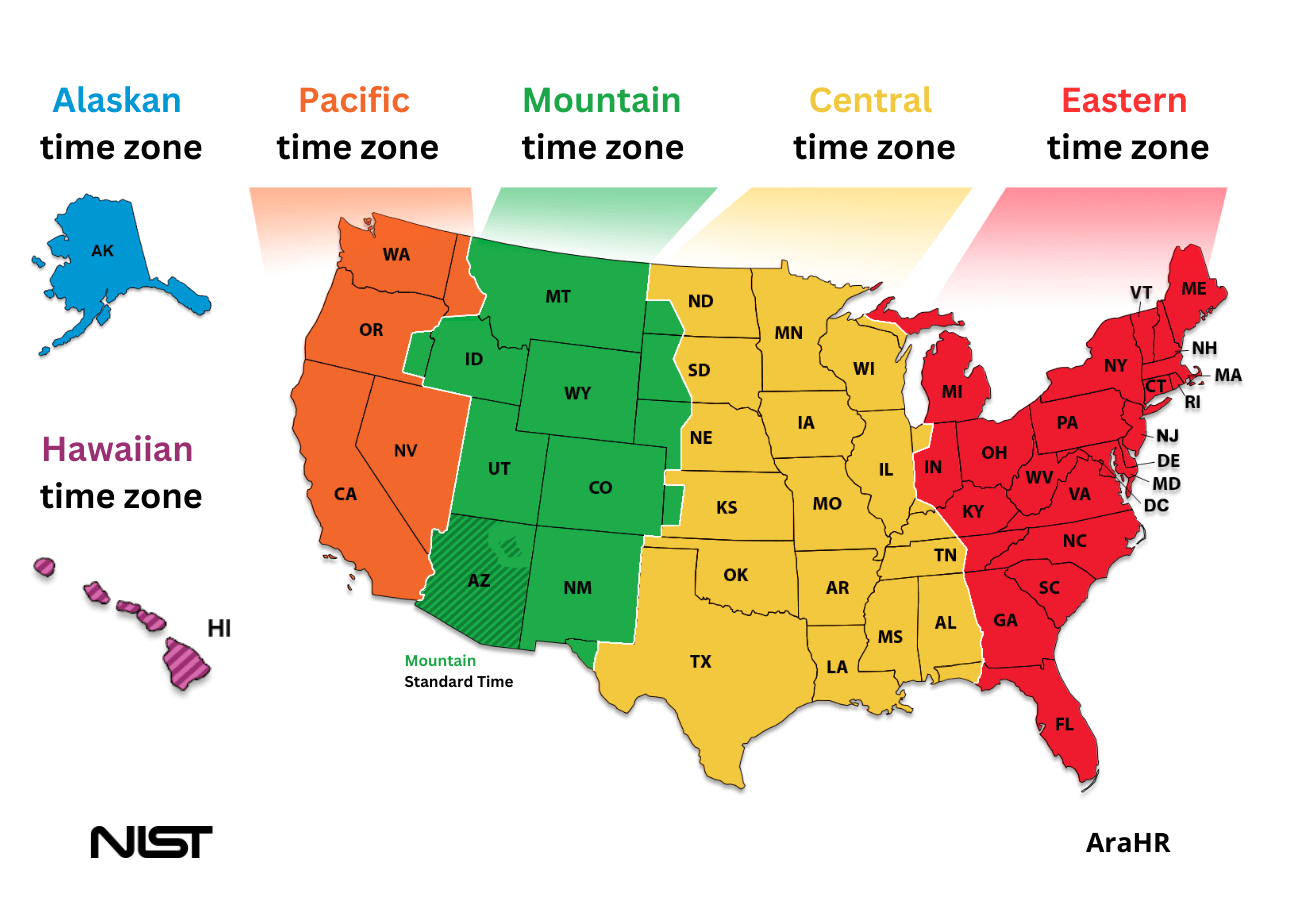
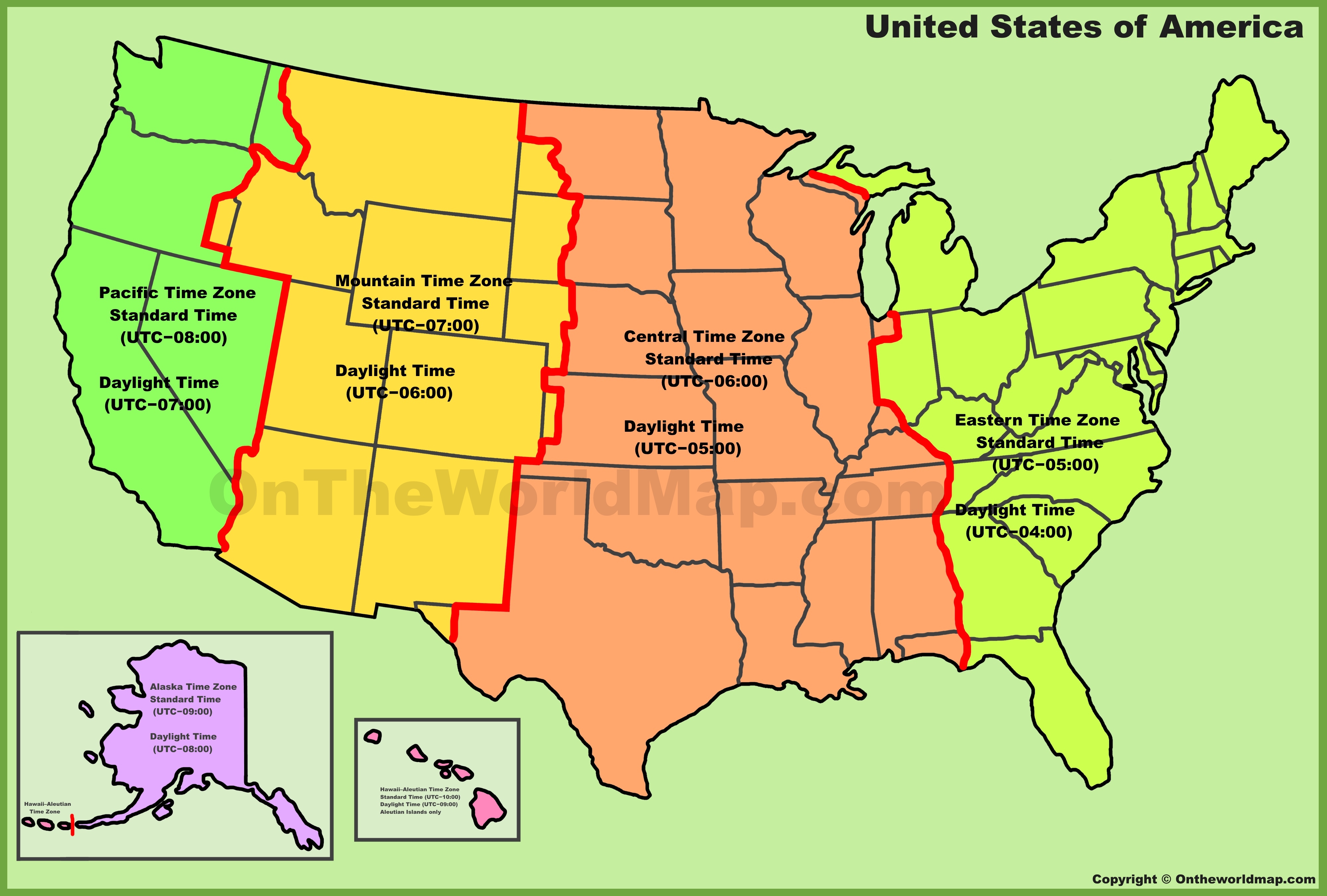
At its foundation, Las Vegas observes the Pacific Time Zone. This means that during the standard time period, it operates on Pacific Standard Time (PST), which is 8 hours behind Coordinated Universal Time (UTC-8). This designation places Las Vegas in sync with much of the Western United States, sharing its time with major cities like Los Angeles and San Francisco in California, and other areas in Oregon and Washington.
Understanding PST is the first step in aligning your personal schedule with that of your destination. This fixed reference point is essential for planning flight arrivals, hotel check-ins, and reservations, especially when communicating with businesses and services in Las Vegas from a different time zone. The consistent observance of PST ensures that once you’re on the ground, navigating the city’s myriad offerings becomes a seamless endeavor.
PST vs. PDT: Decoding Daylight Saving
Like many regions, Las Vegas observes Daylight Saving Time. When this annual shift occurs, typically starting in mid-March and ending in early November, Las Vegas switches from Pacific Standard Time (PST) to Pacific Daylight Time (PDT). During PDT, the clocks are advanced by one hour, making it UTC-7. This means you “spring forward” in the spring and “fall back” in the autumn.
This change is particularly important for visitors. If your trip spans the transition date, you’ll need to adjust your internal clock and any scheduled activities. For example, a flight arriving at 9:00 AM PST might land at 10:00 AM PDT if the change has occurred, effectively losing an hour. Most modern devices automatically adjust, but it’s always wise to double-check local time upon arrival, especially for crucial appointments or event start times. The extra hour of daylight in the evenings during PDT can be a boon for tourists, allowing more time to explore outdoor attractions or enjoy the city’s vibrant nightlife before the sun sets.
Geographic Context and Adjacent Time Zones
Nevada’s location places Las Vegas at the western edge of the United States, creating time differences with various parts of the country and neighboring regions. To the east, Nevada borders states like Arizona and Utah, which primarily operate on Mountain Standard Time (MST), one hour ahead of Pacific Time. Further east, you encounter Central Standard Time (CST), two hours ahead, and Eastern Standard Time (EST), three hours ahead.
This geographic positioning means that visitors from cities like Denver (MST), Chicago (CST), or New York City (EST) will experience a time shift upon arrival. Even some parts of Idaho bordering Nevada observe Mountain Standard Time. The situation with Arizona is unique; while it borders Nevada, most of Arizona does not observe Daylight Saving Time, remaining on MST year-round. This can sometimes lead to Las Vegas being the same time as parts of Arizona during PDT, but an hour behind during PST. Awareness of these nuances is particularly valuable for those planning road trips or tours that span state lines, such as a visit to the Grand Canyon.

Time Zone’s Impact on Travel and Tourism in Las Vegas
The time zone difference can be one of the most significant yet underestimated aspects of travel. For a destination like Las Vegas, where every hour can present a new opportunity for entertainment or relaxation, effectively managing this difference is paramount. From the moment you land at Harry Reid International Airport, your body and mind will begin adapting to the local rhythm.
Successfully navigating this transition allows you to fully immerse yourself in the Las Vegas experience, whether that means staying up late for a show or waking early for an exhilarating desert adventure. Ignoring the time shift can lead to missed appointments, grogginess, and a general feeling of being out of sync, diminishing the overall enjoyment of your trip.
Battling Jet Lag: Tips for a Smooth Transition
Jet lag is the body’s natural response to rapid travel across multiple time zones, and it can significantly impact your enjoyment of Las Vegas. Symptoms include fatigue, disorientation, difficulty sleeping, and digestive issues. For those traveling from the East Coast of the United States or international destinations like Europe or Asia, the time difference can be substantial.
To combat jet lag, consider these strategies:
- Adjust Before You Go: A few days before your trip, try to gradually shift your sleep schedule closer to Las Vegas time.
- Hydrate: Drink plenty of water before, during, and after your flight to counter dehydration, which can worsen jet lag symptoms.
- Manage Light Exposure: Seek bright light during Las Vegas daytime hours and avoid it when you need to sleep.
- Stay Active: Gentle exercise can help reset your body clock. Avoid excessive napping during the day.
- Limit Alcohol and Caffeine: While tempting, these can disrupt your sleep patterns further.
- Embrace Local Time: As soon as you arrive, try to live by the local clock, even if you don’t feel tired. This means eating meals at local times and going to bed when it’s nighttime in Las Vegas.
Synchronizing Your Itinerary: Shows, Dining, and Attractions
Las Vegas is a city built on meticulously timed experiences, from dazzling Cirque du Soleil performances to world-class dining reservations. Every showtime, tour departure, and restaurant booking is based on local Pacific Time. Miscalculating the time difference could mean missing a non-refundable ticket to a highly anticipated show or forfeiting a coveted dinner reservation.
When planning your itinerary:
- Double-Check All Bookings: Confirm all reservation times are in Las Vegas local time, especially if booking from another time zone.
- Allow Buffer Time: Account for potential delays from Harry Reid International Airport, hotel check-ins, and travel between attractions on The Strip.
- Morning vs. Evening: Decide if you’re an early riser or a night owl. Las Vegas offers activities around the clock. If you’re prone to jet lag, planning lighter activities for your first evening might be a good idea. For instance, the captivating Bellagio Fountains offer mesmerizing shows throughout the afternoon and evening, perfect for adjusting.
International Arrivals: Bridging the Time Divide
For visitors arriving from international destinations, the time zone difference can be even more pronounced. Australia, Asia, and Europe present significantly larger time gaps, often requiring travelers to adjust by 9 to 18 hours. This demands a more proactive approach to managing jet lag and scheduling.
Before departing, consider:
- Layover Strategies: If possible, choose flights with layovers that allow for some rest or gradual time zone adjustment.
- Communication: Inform your hotel or any tour operators of your estimated arrival time and any potential delays.
- Emergency Contacts: Ensure friends or family at home are aware of your expected arrival time in Las Vegas local time, to avoid unnecessary worry.
- Local SIM or Roaming: Having reliable phone service upon arrival can help in real-time adjustments and communication, minimizing stress.
Accommodation and Bookings Across Time Zones
Booking your accommodation in Las Vegas is typically one of the first steps in planning your trip, and it’s here that the time zone becomes a silent but crucial factor. Whether you’re reserving a luxurious suite at Caesars Palace or a more budget-friendly room off The Strip, understanding how local time affects your stay is essential for a smooth experience.
The details around check-in and check-out times, the confirmation of reservation specifics, and even the planning of extended stays all hinge on a clear grasp of Las Vegas’s Pacific Time schedule. Failure to account for these nuances can lead to unexpected fees, inconveniences, or even missed opportunities for activities.
Checking In and Out: Understanding Local Hotel Policies
Hotels in Las Vegas, like the MGM Grand or the Venetian Resort, strictly adhere to Pacific Time for their operational hours, especially for check-in and check-out. Standard check-in times are usually in the afternoon (e.g., 3:00 PM or 4:00 PM PST/PDT), and check-out times are typically in the late morning (e.g., 11:00 AM or 12:00 PM PST/PDT).
- Early Arrival/Late Departure: If your flight arrives significantly earlier than check-in or departs much later than check-out, you’ll need to plan accordingly. Many hotels offer luggage storage services, allowing you to explore the city without your bags. Some may also offer early check-in or late check-out for an additional fee, or as a perk for loyalty program members, subject to availability. Always confirm these arrangements with your specific hotel in advance.
- Time Zone Discrepancy: Be mindful of the time difference between your origin and Las Vegas when communicating your estimated arrival. A flight arriving at 1:00 PM EST is 10:00 AM Las Vegas time, potentially allowing for an early check-in or requiring luggage storage until your room is ready.
Online Bookings: Preventing Time-Related Errors
When booking accommodation, shows, tours, or restaurant reservations online, especially from a different time zone, it’s incredibly easy to make a mistake with the time. Most booking platforms will specify the time zone for the booking (e.g., “All times are Pacific Standard Time”), but it’s crucial to read carefully.
- Confirm Time Zones: Always verify that the times displayed on booking websites are indeed local Las Vegas time. If there’s any ambiguity, cross-reference with the hotel’s official website or contact them directly.
- Calendar Tools: Use a world clock or time zone converter tool to accurately translate event times to your local time and vice versa. This is particularly helpful for live online events or virtual meetings you might need to attend while in Las Vegas.
- Automated Confirmations: While automated email confirmations usually reflect the local time of the event, always give them a quick check to prevent any last-minute surprises.
Planning Extended Stays: Adapting to Local Rhythms
For those planning longer stays in Las Vegas, perhaps for business at the Las Vegas Convention Center or an extended lifestyle experience, full immersion into the Pacific Time rhythm becomes even more critical. Living by local time from the outset will minimize jet lag and optimize productivity or enjoyment.
- Establishing a Routine: Try to establish a consistent sleep, meal, and work/activity schedule based on Las Vegas time as quickly as possible.
- Communication with Home: If you need to communicate regularly with people in different time zones, establish designated times that work for both parties, respecting the significant differences. Tools like Google Calendar can help schedule these efficiently.
- Leverage Daylight: During PDT, the longer daylight hours can be utilized for outdoor activities like hiking at Red Rock Canyon or visiting the Hoover Dam without feeling rushed. During PST, recognize that daylight hours are shorter, which might mean earlier starts for certain excursions.
Maximizing Your Las Vegas Experience: Time Zone Savvy Strategies
Las Vegas’s appeal lies in its constant energy and diverse offerings. From the dazzling neon lights of The Strip to tranquil desert escapes, there’s always something to do. However, truly maximizing your experience means more than just filling your itinerary; it means aligning your personal clock with the city’s pulse. Being time zone savvy allows for seamless transitions between activities and helps you embrace the unique lifestyle that Las Vegas embodies.
The goal isn’t just to be on time, but to feel good while doing it. A well-rested traveler can better appreciate a Cirque du Soleil show or endure a thrilling night of gaming at Planet Hollywood Resort & Casino. By proactively considering the time zone, you transform a potential hurdle into an advantage, optimizing every hour of your Las Vegas adventure.
Nightlife and Entertainment: When the City Comes Alive
Las Vegas is renowned for its vibrant nightlife, where the party often begins long after other cities have gone to sleep. Shows, clubs, and casinos operate well into the early morning hours, creating a distinct rhythm that can be exhilarating but also demanding on your body clock, especially if you’re battling jet lag.
- Late Start Advantage: If you’ve arrived from an eastern time zone, your body might naturally feel more awake later in the Las Vegas evening. Embrace this by planning dinner reservations at 8 PM or 9 PM, followed by a show or club outing, aligning with your internal clock.
- Pace Yourself: The temptation to experience everything immediately can lead to burnout. Schedule rest periods, especially on your first day or two. A leisurely morning by the hotel pool can be a perfect way to recover before a big night out.
- Pre-Book Popular Events: Iconic shows and exclusive nightclubs can sell out quickly. Book these well in advance, confirming all times are in Pacific Time. For example, a late-night show at the Paris Las Vegas might run past midnight.
Exploring Iconic Landmarks: Timing Your Visits
Beyond The Strip, Las Vegas offers a wealth of landmarks and attractions, from man-made marvels to natural wonders. The time of day can dramatically influence the experience, particularly when considering crowds, heat, and lighting for photography.
- Morning Excursions: For popular outdoor attractions like Red Rock Canyon, Hoover Dam, or even Death Valley National Park, an early morning start is highly recommended. Not only does this allow you to beat the intense desert heat, especially in summer, but it also helps avoid peak tourist crowds. Plus, the morning light is often ideal for photography.
- Afternoon Indoors: Use the hottest part of the day for indoor activities like exploring the themed resorts (Caesars Palace, The Venetian Resort), visiting museums, or indulging in some retail therapy.
- Evening Spectacles: Many of Las Vegas’s landmarks truly shine after dark. The Fremont Street Experience light show, the Bellagio Fountains, and the illuminated skyline are best viewed when the sun has set, making them perfect for evening strolls after dinner.
Lifestyle Adaptations: Embracing the Las Vegas Flow
Ultimately, adapting to Las Vegas’s Pacific Time Zone is about more than just setting your watch; it’s about embracing the city’s unique lifestyle. The city has a rhythm all its own, catering to early birds and night owls alike.
- Flexibility is Key: While planning is essential, maintaining some flexibility in your schedule allows for spontaneous discoveries and easier adjustment to local time.
- Listen to Your Body: Especially in the first few days, pay attention to your body’s cues. If you’re tired, take a break. If you’re wide awake, explore. Las Vegas is one of the few places where a 3:00 AM craving can easily be satisfied.
- Enjoy the Moment: Once you’ve successfully navigated the time zone shift, allow yourself to fully immerse in the Las Vegas experience. Whether it’s the thrill of a casino, the serenity of a spa day, or the excitement of a live performance, being present and well-adjusted will make every moment more memorable.
In conclusion, knowing that Las Vegas, Nevada, operates on Pacific Time (PST/PDT) is foundational for any visitor. This knowledge empowers you to plan effectively, mitigate the effects of jet lag, and synchronize with the city’s vibrant schedule, ensuring your trip to this extraordinary destination is as smooth and enjoyable as possible.
LifeOutOfTheBox is a participant in the Amazon Services LLC Associates Program, an affiliate advertising program designed to provide a means for sites to earn advertising fees by advertising and linking to Amazon.com. Amazon, the Amazon logo, AmazonSupply, and the AmazonSupply logo are trademarks of Amazon.com, Inc. or its affiliates. As an Amazon Associate we earn affiliate commissions from qualifying purchases.