
Los Angeles, often envisioned as the quintessential Southern California dreamscape of sun-drenched beaches, iconic Hollywood glamour, and sprawling urban landscapes, is a magnet for travelers worldwide. From the star-studded streets of Beverly Hills to the artistic vibes of Venice Beach and the historic grandeur of Downtown Los Angeles, the city offers an unparalleled array of destinations, attractions, and experiences. Yet, beneath the vibrant facade of a global entertainment and cultural hub lies a complex social issue that significantly impacts its urban fabric: homelessness. For both residents and visitors, understanding the scope of this challenge is crucial to grasping the full picture of this dynamic metropolis.
The question “How many homeless people in Los Angeles?” goes beyond a simple number; it delves into the heart of a humanitarian crisis that poses unique challenges for tourism, urban development, and community well-being. Travelers exploring the city, whether staying in luxury suites or budget apartments, will inevitably encounter the visible signs of homelessness in various areas. This article aims to shed light on the scale of homelessness in Los Angeles, explore its implications for the travel and hospitality sectors, and discuss the ongoing efforts to address this pressing issue, offering insights for those who wish to experience the city responsibly and with informed awareness.
Understanding the Scope of Homelessness in Los Angeles
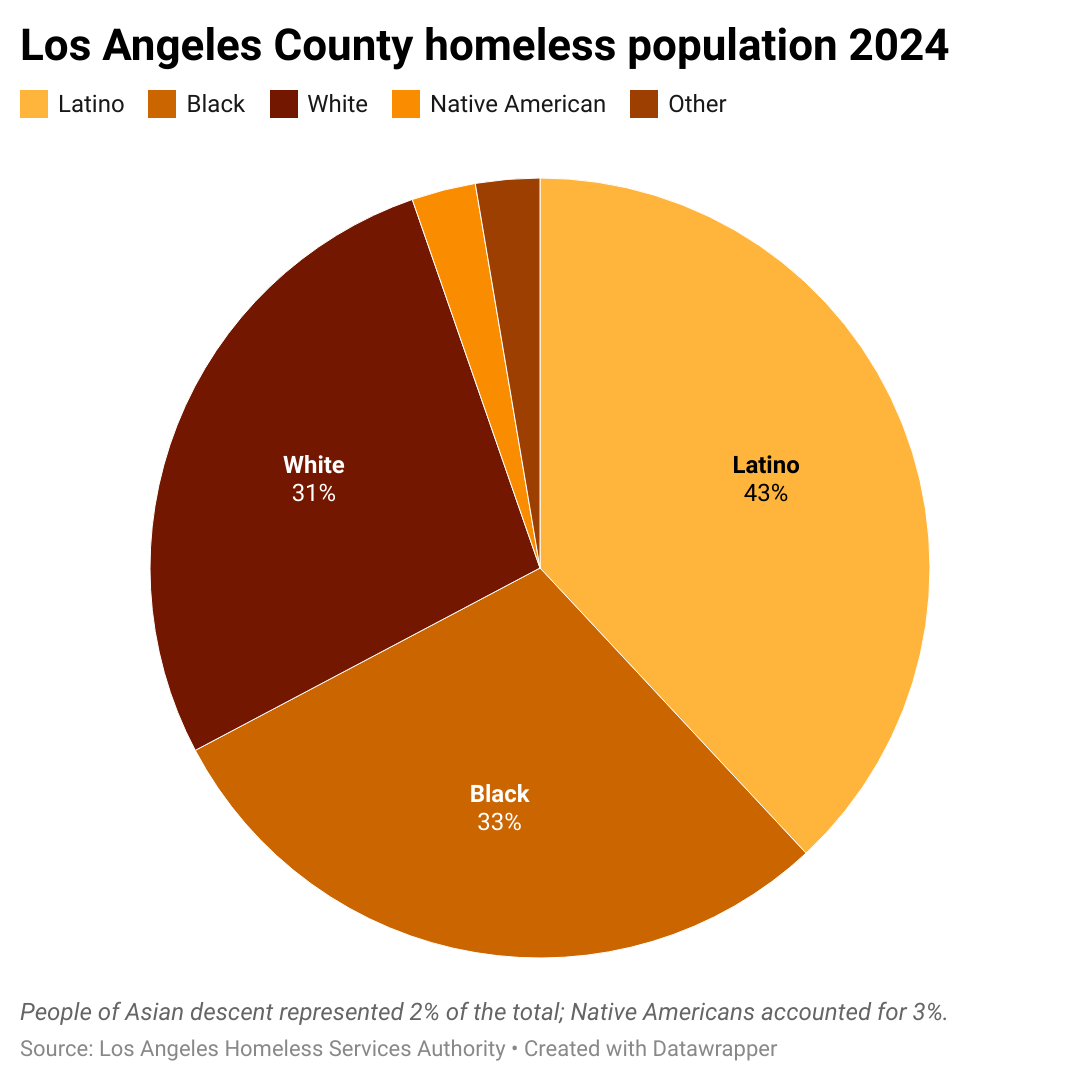
Homelessness in Los Angeles is not a new phenomenon, but its recent surge has brought it to the forefront of public discourse. The sheer scale of the crisis makes it one of the most significant urban challenges in the United States. Various factors contribute to this complex problem, affecting individuals from diverse backgrounds and across different demographics.
The Latest Figures and Trends
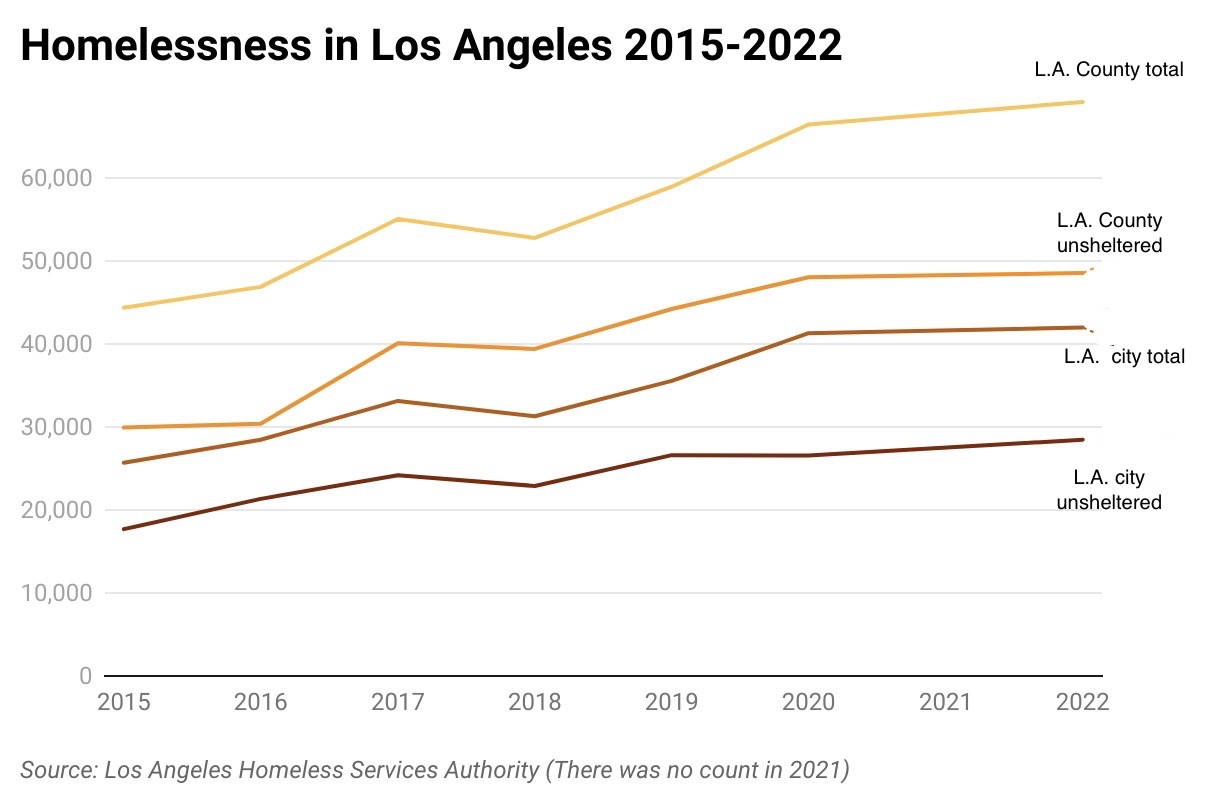
According to the Los Angeles Homeless Services Authority (LAHSA), the primary agency responsible for coordinating and implementing homelessness services in Los Angeles County, the numbers are stark. The annual point-in-time count, typically conducted in January, provides a snapshot of the homeless population. While specific figures fluctuate year by year, the trend has largely shown an increase in recent times. For instance, recent counts have reported tens of thousands of individuals experiencing homelessness on any given night, with a significant portion residing unsheltered. These numbers encompass single adults, families with children, veterans, and youth, highlighting the broad impact of the crisis.
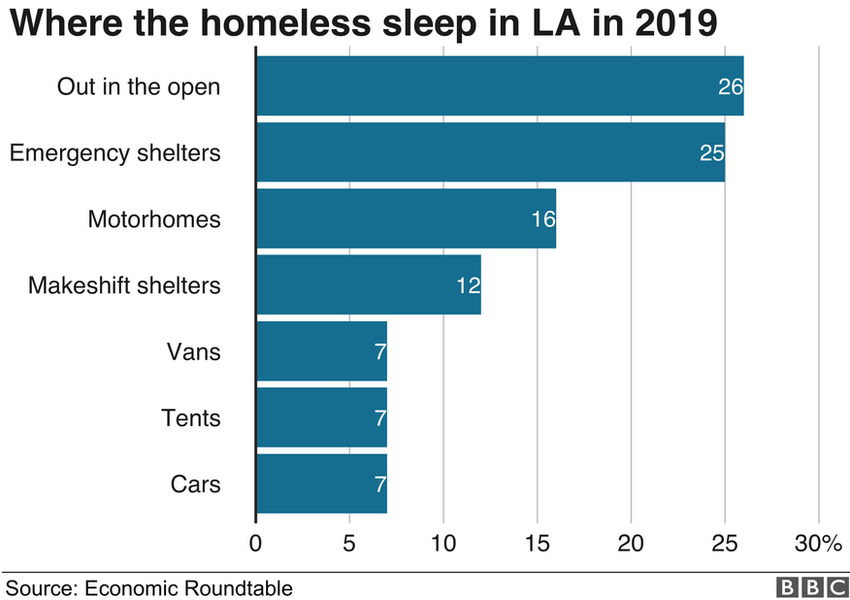
The data reveals that the vast majority of homeless individuals in Los Angeles County are unsheltered, living in vehicles, tents, or makeshift encampments on streets, underpasses, and parks. This visibility is what often impacts the perception of both residents and tourists. The geographic distribution is also important; while certain areas like Skid Row in Downtown Los Angeles have historically been associated with high concentrations of homelessness, the issue has become more pervasive, spreading to residential neighborhoods, commercial districts, and even popular tourist zones.
Factors Contributing to Homelessness
The causes of homelessness in Los Angeles are multifaceted and interconnected, reflecting systemic issues as much as individual circumstances.
- Affordable Housing Crisis: Perhaps the most significant driver is the severe shortage of affordable housing coupled with skyrocketing rents. Los Angeles is one of the most expensive housing markets globally, making it incredibly difficult for low-income individuals and families to secure stable accommodation. A single unexpected expense or a job loss can quickly push people into homelessness.
- Economic Disparities: Wage stagnation, job insecurity, and a lack of living wage employment opportunities contribute significantly. Many working Angelenos still cannot afford housing near their jobs, leading to long commutes or housing instability.
- Mental Health and Substance Abuse: A substantial portion of the homeless population struggles with mental illness, substance use disorders, or both. These conditions, often exacerbated by trauma and a lack of access to adequate healthcare and support services, make it incredibly challenging to maintain housing.
- Systemic Failures: Inadequate discharge planning from hospitals, jails, and foster care systems can release vulnerable individuals without stable housing plans. Furthermore, bureaucratic hurdles and insufficient funding for social services can create barriers to accessing help.
- Personal Crises: Domestic violence, family breakdowns, health crises, and other personal emergencies can trigger a cascade of events leading to homelessness for individuals and families who may otherwise have been stable.
The Impact on Los Angeles’ Tourism and Urban Landscape
The visible presence of homelessness inevitably shapes the urban landscape and, by extension, the experience of tourism in Los Angeles. While the city remains a top global destination, travelers are increasingly aware of the humanitarian crisis unfolding around them.
Visibility in Tourist Hotspots
Homelessness is not confined to obscure corners; it is present in some of the most iconic and frequented tourist areas.
- Downtown Los Angeles: Beyond Skid Row, visible encampments and individuals experiencing homelessness can be found near major landmarks such as the Grand Park, the Walt Disney Concert Hall, and the bustling Pershing Square. Visitors exploring the historic core or attending events at the LA Live entertainment complex may encounter individuals in need.
- Coastal Areas: Popular spots like Venice Beach and parts of Santa Monica, famous for their boardwalks, piers, and vibrant street life, also have visible homeless populations. While these areas exude a bohemian charm, the juxtaposition of tourism with poverty is often striking. The Santa Monica Pier, a major attraction, is not immune to these realities.
- Hollywood and West Hollywood: Even near the Hollywood Walk of Fame, the TCL Chinese Theatre, and trendy restaurants, the signs of homelessness can be observed, challenging the glamorous image often associated with these areas.
This visibility, while sometimes jarring, serves as a powerful reminder of the broader social challenges facing the city. It prompts reflection among travelers, moving beyond mere sightseeing to a deeper engagement with the urban environment.
Perceptions and Safety for Visitors
For many visitors, the presence of homelessness can raise concerns about personal safety and the overall travel experience. While violent crime against tourists specifically due to homelessness is rare, the perception of insecurity can be influential. Travelers often seek to understand how to navigate the city safely and respectfully. Tour operators and hotels occasionally receive inquiries from guests about these issues, prompting them to provide guidance and context.
The perception of safety is also linked to the overall cleanliness and maintenance of public spaces. Encampments can sometimes lead to issues with sanitation and public health, which can detract from the aesthetic appeal of certain areas. This is a critical concern for city planners and tourism boards, as they strive to maintain Los Angeles’ reputation as a world-class destination while addressing its internal struggles. Balancing compassion for those experiencing homelessness with the need to ensure a welcoming and safe environment for all is a delicate act.
Initiatives and Responses: A City’s Efforts
Addressing homelessness in Los Angeles is a monumental task that requires a concerted effort from government agencies, non-profit organizations, businesses, and the community at large. The city and county have implemented various programs and initiatives aimed at mitigating the crisis.
Government Programs and Community Engagement
Los Angeles County has invested billions of dollars into tackling homelessness, largely through voter-approved measures like Measure H. These funds support a wide range of services, including emergency shelters, interim housing, permanent supportive housing, rental subsidies, mental health and substance abuse treatment, and outreach programs. Organizations like LAHSA play a pivotal role in coordinating these efforts, working with numerous service providers across the county.
One notable initiative during the COVID-19 pandemic was Project Roomkey, which temporarily housed vulnerable homeless individuals in hotels and motels to prevent the spread of the virus and provide a safer environment. This program demonstrated the potential for rapid rehousing when resources are mobilized effectively. Beyond large-scale government programs, countless community-based organizations, churches, and volunteer groups provide essential services like food, clothing, hygiene facilities, and legal aid. These grassroots efforts are critical in reaching individuals who may be hesitant or unable to access formal services.
The Role of Hotels and the Hospitality Sector
The hospitality industry, a cornerstone of Los Angeles’ economy, also plays a part in the city’s response to homelessness. Hotels, resorts, and various accommodation providers are directly impacted by the crisis, both in terms of public perception and occasionally through direct interactions. Many hospitality groups are becoming more engaged in community initiatives. Some hotels, particularly those managed by major chains like Hilton, Marriott, or Hyatt, participate in corporate social responsibility programs that include donating resources, offering employment opportunities to individuals transitioning out of homelessness, or partnering with charities.
Furthermore, the hospitality sector contributes to the tax base that funds many city and county services, including those for homelessness. Discussions are ongoing within the industry about how to balance the demands of tourism with the social responsibilities of being part of the Los Angeles community. This includes training staff on how to respectfully interact with homeless individuals, ensuring safety protocols, and contributing to neighborhood improvement districts that aim to keep public spaces clean and secure for everyone.
Navigating Los Angeles Responsibly: Advice for Travelers
For visitors to Los Angeles, being aware of the homelessness crisis can enrich their travel experience, encouraging a more thoughtful and engaged exploration of the city. Responsible tourism involves understanding local realities and, where appropriate, contributing positively to the community.
Being Informed and Engaged
Travelers can inform themselves about the issue before and during their visit. This includes understanding the areas where homelessness is more prevalent, such as parts of Downtown Los Angeles, Skid Row, and certain coastal communities. Being prepared allows for a more nuanced perspective, moving beyond simple judgment to empathy and understanding. When encountering individuals experiencing homelessness, a respectful and compassionate approach is always recommended. Direct engagement, such as offering food or water, is a personal choice, but donating to reputable local charities is often the most impactful way to help. Organizations like the United Way of Greater Los Angeles or LAHSA provide pathways for monetary contributions that support comprehensive services.
Safety is paramount, and visitors should always remain aware of their surroundings, particularly in less-trafficked areas or at night, as they would in any major city. Sticking to well-lit, populated tourist areas and adhering to general travel safety advice will ensure a pleasant trip.
Supporting Sustainable Tourism and Local Communities
Choosing accommodations and patronizing businesses that demonstrate a commitment to social responsibility can be a way for travelers to indirectly contribute to the community’s well-being. Many local businesses, from boutique hotels to restaurants, are actively involved in efforts to address community challenges, including homelessness. Opting for locally-owned businesses can also help circulate money within the local economy, supporting jobs and services.
Furthermore, exploring diverse neighborhoods beyond the main tourist circuits can offer a richer understanding of Los Angeles’ multifaceted identity. This can include visiting cultural centers, community markets, and lesser-known historical sites that highlight the city’s resilience and diversity, away from the more visible signs of the crisis. Engaging with local culture and people respectfully fosters a deeper connection and appreciation for the destination.
A Glimpse into Los Angeles’ Diverse Narrative
The question “How many homeless people in Los Angeles?” unveils a complex layer of a city that, despite its global appeal and economic might, grapples with significant social challenges. While the exact numbers fluctuate with each count, the scale remains substantial, underscoring a humanitarian crisis that touches every part of the urban landscape. For travelers, acknowledging and understanding this reality offers a more complete and authentic view of Los Angeles.
The city continues its vigorous efforts, through government initiatives, non-profit partnerships, and community engagement, to provide housing and support services for its most vulnerable residents. These efforts, though daunting, reflect a commitment to addressing the root causes and finding sustainable solutions.
Visiting Los Angeles offers an extraordinary blend of experiences – from the glamour of Hollywood to the natural beauty of the Santa Monica Mountains, and the cultural richness of its many neighborhoods. By approaching the city with an informed perspective, travelers can not only enjoy its myriad attractions but also gain a deeper appreciation for its diverse narrative and the ongoing efforts of its community to create a better future for all its inhabitants. This responsible and empathetic approach transforms a simple trip into a more meaningful journey.
LifeOutOfTheBox is a participant in the Amazon Services LLC Associates Program, an affiliate advertising program designed to provide a means for sites to earn advertising fees by advertising and linking to Amazon.com. Amazon, the Amazon logo, AmazonSupply, and the AmazonSupply logo are trademarks of Amazon.com, Inc. or its affiliates. As an Amazon Associate we earn affiliate commissions from qualifying purchases.