
Maine’s journey to becoming a US State is a fascinating chapter in American history, deeply intertwined with the nation’s early struggles over slavery and westward expansion. On March 15, 1820, the vast, rugged territory of Maine, long governed as a district of Massachusetts, officially entered the Union as the 23rd state. This pivotal moment was not merely a local administrative change but a critical component of the landmark Missouri Compromise, a legislative maneuver designed to maintain the delicate balance between free states and slave states that threatened to tear the young nation apart.
Today, Maine stands as a beacon of natural beauty and historical richness, a premier destination for travelers seeking everything from rugged coastal adventures to tranquil lakeside retreats, charming historic towns, and world-class culinary experiences. Understanding its path to statehood not only illuminates a crucial period in American development but also enriches the experience of visiting its myriad attractions, where history breathes alongside breathtaking landscapes. From the bustling streets of Portland to the serene shores of Acadia National Park, Maine’s past informs its present, shaping its unique culture and enduring appeal as a travel destination.

The Road to Statehood: A Tale of Compromise and Identity
The story of Maine’s statehood is a complex narrative of colonial ambition, frontier life, and political maneuvering that spanned centuries. Before its independent status, Maine was often seen as the wilderness frontier of Massachusetts, a remote and often contested territory whose unique identity slowly blossomed through generations of struggle and self-reliance.
From Colonial Outpost to Independent State
The earliest European settlements in what would become Maine date back to the early 17th century, predating the Plymouth Colony in some instances. English explorers and colonists established outposts along its rugged coast, often clashing with the indigenous Wabanaki Confederacy, who had thrived on these lands for thousands of years. Early attempts at permanent colonization, such as the Popham Colony in 1607, faced immense hardship but laid the groundwork for future European presence.
Over the next century, Maine’s fate became inextricably linked with Massachusetts. Following various grants and purchases, particularly the Gorges patent, Maine eventually came under the full jurisdiction of the Massachusetts Bay Colony. Its frontier position made it a frequent battleground during the various colonial wars, including King Philip’s War and conflicts with France and its Native American allies. This prolonged period of conflict fostered a strong sense of community and self-reliance among Maine settlers, distinct from their counterparts in more established parts of Massachusetts.
After the American Revolution, confirmed by the Treaty of Paris (1783), Maine remained a district of Massachusetts. However, geographical distance, economic disparities, and differences in political interests began to fuel a movement for separation. Maine’s economy, heavily reliant on logging, shipbuilding, and fishing, often felt overlooked by the commercial interests centered in Boston. Calls for independence grew louder, exacerbated by the vulnerability of Maine’s unprotected coast during the War of 1812, when British forces easily occupied vast swaths of its territory, highlighting the lack of adequate defense from Massachusetts.
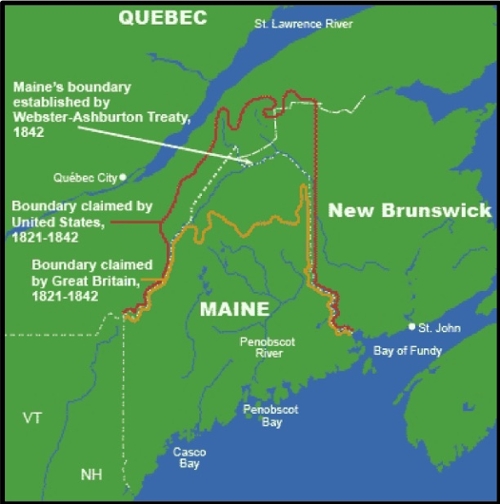
By the late 1810s, the push for statehood was overwhelming. Conventions were held, grievances aired, and finally, the Massachusetts General Court reluctantly agreed to allow Maine to separate, provided that the United States Congress approved its admission as a state. This local aspiration soon found itself entangled in a much larger national debate.
The Missouri Compromise and Maine’s Admission
The year 1820 was a volatile one for the young United States. The question of whether Missouri would enter the Union as a free state or a slave state had brought the nation to the brink of crisis. At the time, there were 11 free states and 11 slave states, maintaining a precarious balance of power in the U.S. Senate. Admitting Missouri as a slave state would upset this balance, giving the South a numerical advantage and sparking intense sectional strife.
It was in this tense political climate that the aspirations of Maine found their moment. Henry Clay, then Speaker of the House and a master compromiser, engineered a solution that would become known as the Missouri Compromise. This intricate legislative package had three main provisions:
- Missouri would be admitted as a slave state.
- Maine would be admitted as a free state, thereby preserving the balance of 12 free states and 12 slave states in the Senate.
- Slavery would be prohibited in the remaining territory of the Louisiana Purchase north of the 36°30′ parallel, excluding Missouri.
On March 15, 1820, President James Monroe signed the legislation, officially making Maine the 23rd state. While Maine residents had long sought independence from Massachusetts, their statehood ultimately served a larger national purpose, temporarily easing the escalating tensions over slavery that would eventually lead to the Civil War decades later. This historical backdrop makes Maine’s origins truly unique, a place born not just of local desire but of national necessity.

Maine’s Enduring Legacy: History, Culture, and Natural Splendor
Today, Maine’s rich history provides a compelling layer to its identity as a premier travel destination in New England. The rugged individualism born from its frontier past, the maritime heritage forged along its expansive coastline, and the natural beauty that has remained largely untouched, all contribute to an unforgettable experience for visitors.
Historic Landmarks and Coastal Charms
Exploring Maine is a journey through time and breathtaking scenery. Its historic towns, many of which predate statehood, offer a glimpse into early American life.
- Portland: As Maine’s largest city, Portland effortlessly blends historic charm with a vibrant contemporary culture. Its Old Port district, with cobblestone streets and 19th-century brick buildings, once buzzed with maritime trade and now houses boutique shops, acclaimed restaurants, and lively pubs. Iconic landmarks like the Portland Head Light, commissioned by George Washington and dating back to 1791, stand as testaments to the state’s enduring connection to the Atlantic Ocean.
- Kennebunkport & York, Maine: These charming coastal towns in southern Maine boast historic architecture, beautiful beaches, and a quintessential New England feel. Kennebunkport, famously a summer retreat for presidents, offers a blend of upscale resorts and quaint inns. York, one of the oldest towns in the state, features the Old York Historical Society, a complex of historic buildings illustrating colonial life.
- Acadia National Park: While not a historic settlement itself, Acadia preserves the cultural heritage of the Wabanaki Confederacy and offers stunning natural landmarks such as Cadillac Mountain, the tallest point on the U.S. East Coast. The historic carriage roads, funded by John D. Rockefeller Jr., provide a unique way to explore its rugged beauty. Nearby Bar Harbor serves as a bustling hub, offering a variety of accommodations and dining options.
- MidCoast Maine: Towns like Rockland, Camden, and Boothbay Harbor epitomize Maine’s seafaring heritage. Rockland is famous for its Maine Lobster Festival and art scene, while Camden offers picturesque harbor views and access to beautiful mountains. The Maine Maritime Museum in Bath provides fascinating insights into the state’s shipbuilding legacy.
- Lighthouses: Dotting Maine’s extensive coastline, these iconic structures, like Pemaquid Point Light and Bass Harbor Head Light, are not only navigation aids but also cherished landmarks, each with its own story, reflecting centuries of maritime history.
Embracing Maine’s Lifestyle: Travel and Accommodation
Maine’s historical significance and natural beauty translate into a diverse range of travel experiences and accommodation options, catering to every lifestyle and budget. Whether you’re seeking luxury travel, a budget-friendly family trip, or an adventurous solo journey, Maine delivers.
Luxury Travel: For those seeking refined experiences, Maine offers exquisite resorts and boutique hotels. Properties like Hidden Pond Resort in Kennebunkport or The White Barn Inn offer opulent suites, gourmet dining, and spa services. Waterfront villas and exclusive apartments are also available for those desiring privacy and breathtaking views. Many of these establishments blend modern amenities with historic charm, often housed in beautifully preserved buildings.
Budget Travel: Maine is also highly accessible for budget-conscious travelers. Numerous campgrounds, motels, and guesthouses provide affordable lodging, especially in popular areas like Old Orchard Beach or near state parks. Many towns offer charming bed and breakfasts that provide a cozy, local experience without breaking the bank. Exploring Maine’s natural attractions, such as hiking trails in The White Mountains or enjoying public beaches, often comes with minimal cost.
Family Trips: Maine is an ideal destination for families. Beyond the beaches and national parks, attractions like the Coastal Maine Botanical Gardens in Boothbay Harbor or the shops in Freeport (home to the flagship L.L.Bean store) offer engaging activities for all ages. Family-friendly resorts often feature suites with multiple bedrooms and amenities like pools and kids’ clubs.
Adventure and Nature: For the adventurous spirit, Maine’s vast wilderness is a playground. Inland, destinations like Moosehead Lake and the Rangeley Lakes region offer unparalleled opportunities for fishing, kayaking, hiking, and wildlife viewing. The northern part of the state, including The Bold Coast near Lubec and Quoddy Head State Park, provides dramatic coastal scenery and a sense of untamed frontier that echoes its early history. Accommodation ranges from rustic cabins to charming lakeside resorts, perfectly situated for outdoor enthusiasts.
Planning Your Maine Adventure: Where History Meets Hospitality
When planning a trip to Maine, understanding its historical context enhances every aspect of the experience. From selecting the right hotel to choosing activities, the state’s journey to statehood subtly influences its present-day character and offerings.
- Hotels and Resorts: Many of Maine’s hotels and resorts are nestled in historic districts or offer stunning views of the landscape that inspired its settlers. Consider staying at an establishment that is part of Historic Hotels of America or listed on the National Register of Historic Places for an immersive experience. For example, The Press Hotel, Autograph Collection in Portland is housed in the former building of the Portland Press Herald newspaper, blending contemporary style with a rich past. Alternatively, consider a stay at the Inn by the Sea in Cape Elizabeth for luxury with an oceanfront view, or The Cliff House Maine in Cape Neddick for a historic resort experience perched majestically above the waves.
- Tourism and Local Culture: Maine’s tourism emphasizes local culture, food, and activities, all of which have roots in its historical development. Sample fresh lobster, a staple of Maine’s economy since colonial times, or explore the maritime museums that celebrate the state’s seafaring heritage. Take a guided tour through one of its historic port towns to learn about its past, or visit a local farm to appreciate the agricultural traditions that helped sustain its early communities.
- Attractions and Experiences: Beyond the iconic lighthouses and coastal towns, consider experiences that delve deeper into Maine’s unique identity. Hike through vast forests that once provided the timber for its shipbuilding industry, or take a scenic drive along routes that trace ancient Wabanaki trails. Embrace the “Vacationland” spirit, knowing that every vista, every town, and every plate of fresh seafood tells a part of Maine’s ongoing story.
In conclusion, Maine’s admission as the 23rd US State on March 15, 1820, was a moment of profound national importance, a compromise that averted a larger crisis while giving birth to a unique and vibrant state. This historical foundation enriches the contemporary travel experience, allowing visitors to connect with a past that is as rugged and beautiful as the landscape itself. Whether you come for the history, the food, the adventure, or simply to relax by the sea, Maine offers a journey that is deeply rooted in American heritage yet refreshingly timeless.
LifeOutOfTheBox is a participant in the Amazon Services LLC Associates Program, an affiliate advertising program designed to provide a means for sites to earn advertising fees by advertising and linking to Amazon.com. Amazon, the Amazon logo, AmazonSupply, and the AmazonSupply logo are trademarks of Amazon.com, Inc. or its affiliates. As an Amazon Associate we earn affiliate commissions from qualifying purchases.