
For many, Nevada conjures images of vibrant nightlife, world-class entertainment, and breathtaking natural landscapes. From the dazzling Las Vegas Strip to the serene beauty of Lake Tahoe and the historic charm of Reno, the Silver State offers a diverse tapestry of experiences that appeal to travelers, long-term visitors, and prospective residents alike. However, for those considering making a more permanent move, investing in property, or establishing a business within its borders, understanding the legal framework governing assets and relationships is just as crucial as knowing the best resorts or hidden gems. One fundamental aspect often overlooked by those captivated by Nevada’s allure is its status as a community property state.
The straightforward answer is yes: Nevada is indeed a community property state. This designation carries significant implications for married couples concerning how their assets and debts are owned and divided. While the concept might seem purely legal, its ramifications touch upon various aspects of lifestyle, investment, and future planning, particularly for individuals and couples exploring Nevada for luxury travel, extended stays, real estate investment, or even retirement. Understanding this legal nuance is paramount, whether you’re contemplating purchasing a vacation home in Henderson, investing in a resort suite in Las Vegas, or simply planning for a long-term stay in one of its picturesque locales. This guide aims to demystify community property laws in Nevada and explore how they intersect with the state’s vibrant travel, accommodation, and lifestyle offerings.
Understanding Community Property in the Silver State
The concept of community property is a legal doctrine rooted in civil law traditions, contrasting with the common law principle of equitable distribution practiced in many other U.S. states. In a community property state like Nevada, generally, any assets or debts acquired by either spouse during their marriage are considered “community property,” owned equally by both parties, regardless of whose name is on the title or who earned the income. This equal ownership persists until the marriage is legally dissolved through divorce or the death of a spouse. This framework is particularly relevant for couples who might be exploring investment opportunities in Nevada’s booming real estate market, considering a move, or even planning to establish a business venture.
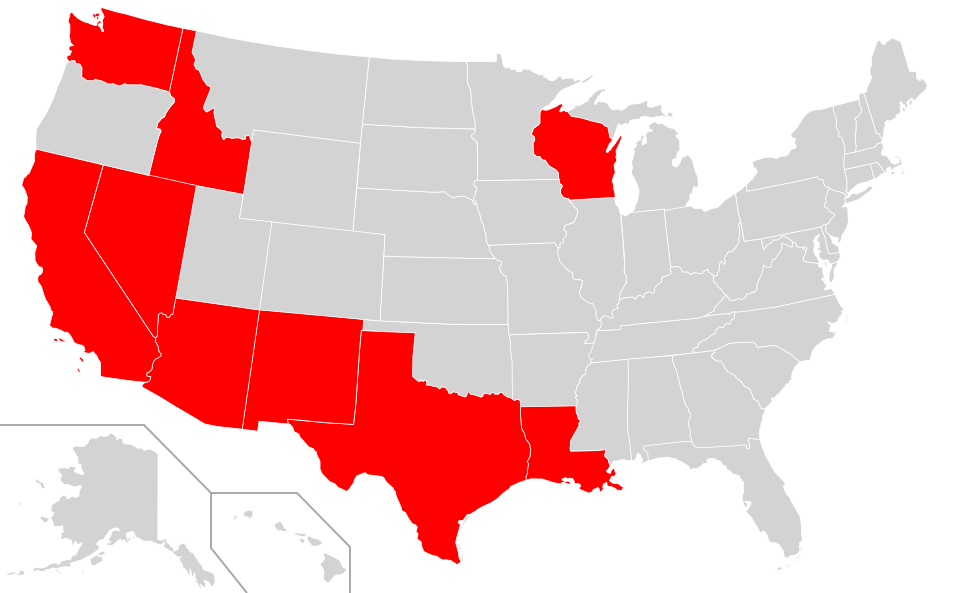
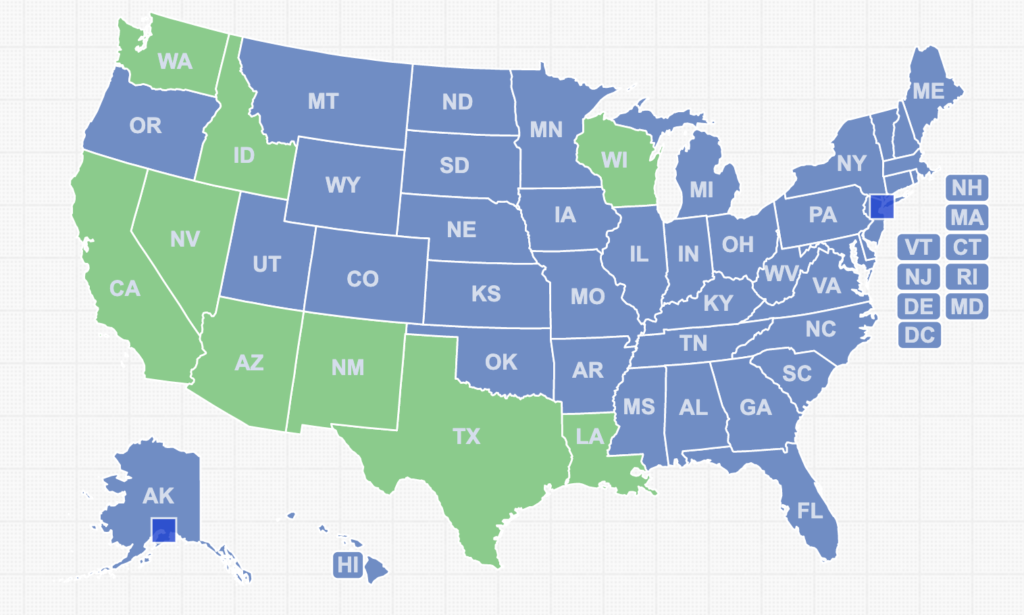
Eight other U.S. states follow community property laws: Arizona, California, Idaho, Louisiana, New Mexico, Texas, Washington, and Wisconsin. This regional commonality reflects a shared legal history, often stemming from Spanish or French colonial influences. For those migrating from non-community property states, this distinction represents a significant shift in how marital assets are viewed and managed, necessitating a clear understanding to avoid future complications.
The Basics: What Does Community Property Mean?
At its core, community property implies a 50/50 ownership split. When a married couple acquires an asset—be it a family home in Carson City, a luxury condominium near the Las Vegas Strip, an investment property, or even savings accumulated—during the marriage, it is considered property of the marital community. This holds true regardless of whether one spouse contributed more financially or if the asset is titled in only one spouse’s name. Similarly, debts incurred during the marriage, such as a mortgage on a vacation villa or a loan for a business venture, are also generally considered community debt.
The implication for travelers and those interested in Nevada’s lifestyle offerings is profound. Imagine a couple from Florida, a common law state, deciding to purchase a high-end apartment as a long-term accommodation option in Las Vegas. If they do so while married in Nevada, that property immediately falls under community property rules, even if they initially intended for it to be solely one person’s asset or if they used separate funds. This legal framework ensures that both spouses have an equal claim to assets and an equal responsibility for debts, fostering a system of shared financial partnership within the marriage.
How Property is Classified in Nevada
While the default is community property, Nevada law also recognizes “separate property.” Understanding the distinction is crucial for financial planning, especially when considering property investments or long-term stays.
Separate Property generally includes:
- Assets owned by either spouse before the marriage. This could be a personal residence, investments, or bank accounts brought into the union.
- Property acquired during the marriage by gift or inheritance to one spouse specifically. For instance, a legacy apartment gifted to one spouse from a relative remains their separate property.
- Property acquired after a legal separation or divorce.
- The proceeds from the sale of separate property, provided those proceeds are kept segregated and not commingled with community funds.
Community Property, as discussed, encompasses everything else acquired during the marriage through the efforts of either spouse. This includes wages, income from community property assets, and most purchases made during the marriage. The conversion of separate property into community property can also occur, often unintentionally, through “commingling” where separate and community funds are mixed without clear demarcation. For example, if income from an inherited property (separate property) is deposited into a joint bank account and used for household expenses, it could be argued that the income, or even the property itself, has become commingled and thus converted into community property.
This classification system impacts everything from booking long-term accommodations and investing in resort real estate to managing joint finances for family trips or business stays. For couples considering retirement in the sunny Mojave Desert or seeking a vibrant urban lifestyle in Las Vegas, clarity on these classifications is invaluable for securing their financial future.
Navigating Property Ownership for Nevada Visitors and Residents
The vibrant economy and attractive lifestyle in Nevada draw a diverse array of individuals—from high-net-worth investors seeking luxury accommodations to families planning extended vacations. Understanding community property laws becomes critically important when these individuals, particularly married couples, decide to move beyond temporary visits and engage in more significant financial undertakings within the state. This could involve purchasing a vacation home, investing in rental properties, or even considering permanent relocation.
Real Estate Investments: From Vacation Homes to Luxury Condos
Nevada’s real estate market offers a spectrum of opportunities, from opulent suites in world-renowned hotels like Bellagio, Caesars Palace, or The Venetian Resort Las Vegas to sprawling family homes in suburban Henderson, and charming cabins near Lake Tahoe. Many couples are drawn to these opportunities, whether for personal enjoyment or as investment vehicles.
Consider a married couple from out-of-state deciding to purchase a luxury condo in a prestigious Las Vegas resort, such as Wynn Las Vegas or The Cosmopolitan of Las Vegas, for use during their regular trips to the city. Under Nevada’s community property laws, this condo, along with any income derived from renting it out when they are not using it, would generally be considered community property. This means both spouses would have an equal, undivided interest in the asset, irrespective of who made the down payment or whose name is on the mortgage. This principle extends to various types of accommodations, including villas, apartments, and even long-term hotel suites acquired during the marriage.

Similarly, if a couple invests in a parcel of land near Boulder City with the intention of building a custom vacation home or a short-term rental property, all aspects of that investment—from the initial land purchase to the construction costs and subsequent rental income—would fall under the community property umbrella. This legal framework is designed to ensure fairness and equal rights during the marriage and in the event of a divorce or death, highlighting the importance of clear communication and joint planning when making significant property decisions in Nevada.
Implications for Couples Exploring Long-Term Stays and Relocation
Beyond direct property ownership, community property laws influence broader financial aspects for couples considering extended stays or permanent relocation to Nevada. Many are drawn by the state’s favorable tax environment (no state income tax), vibrant tourism sector, and diverse lifestyle options, from the bustling city life of Las Vegas and Reno to the outdoor adventures around Lake Tahoe and Mount Charleston.
For couples planning their retirement or a change of scenery, understanding how their pensions, retirement accounts, and savings will be classified is essential. In Nevada, retirement benefits accrued during the marriage are typically considered community property. This means that if a couple decides to relocate and one spouse continues working or accumulating retirement savings, those new contributions will be community property, even if the account was established before marriage.
Furthermore, the management of joint finances for day-to-day living, covering travel expenses for exploring Nevada’s landmarks like the Hoover Dam or Red Rock Canyon National Conservation Area, and booking accommodations, can all implicitly fall under the community property doctrine. While this often poses no issues for harmonious marriages, it becomes a critical consideration should the relationship face challenges. This legal structure emphasizes the concept of marriage as a joint economic enterprise, where both partners contribute to and benefit from the accumulation of wealth.
Lifestyle and Investment Opportunities in Nevada’s Unique Landscape
Nevada’s allure extends far beyond its legal framework, drawing people for its unique blend of glamorous entertainment, stunning natural beauty, and a robust, tourism-driven economy. These factors create compelling opportunities for both lifestyle enhancements and strategic investments, which are inevitably shaped by the state’s community property laws for married individuals.
Exploring Diverse Destinations: Las Vegas, Reno, and Beyond
Nevada offers an unparalleled variety of destinations, each with its own character and appeal. Las Vegas, the Entertainment Capital of the World, is not just about casinos; it’s a hub for luxury hotels, gourmet dining, world-class shows, and increasingly, a growing tech industry. Couples often consider buying vacation rentals or investing in serviced apartments here, perhaps within new developments like Resorts World Las Vegas or [Circa Resort & Casino], which combine opulent living with prime access to attractions. For married investors, the community property status of these assets is a key planning point, influencing everything from financing to estate planning.
Reno, known as “The Biggest Little City in the World,” offers a different vibe with its proximity to outdoor activities at Lake Tahoe and a burgeoning arts and tech scene. Many couples choose Reno for a more laid-back lifestyle, often investing in family homes or apartments for long-term stays. The historic mining town of Virginia City offers a glimpse into the state’s rich past, attracting those interested in historical tourism and potentially charming bed-and-breakfast investments.
The natural attractions are equally diverse and captivating. Lake Tahoe, straddling the California border, is a pristine alpine lake famed for skiing, hiking, and water sports, making it a popular destination for couples seeking a vacation home or a luxury cabin. The dramatic landscapes of Valley of Fire State Park and Red Rock Canyon National Conservation Area provide stunning backdrops for adventure tourism, influencing choices for long-term accommodation for nature enthusiasts. Each of these unique settings presents different opportunities for couples to integrate into the Nevada lifestyle, whether through purchasing property, establishing a business related to tourism, or simply enjoying extended stays. The community property rules provide the underlying legal framework for all such marital financial endeavors.
The Appeal of Nevada for Business, Retirement, and Luxury Living
Nevada’s appeal is multifaceted, extending to business investors, retirees, and those seeking a life of luxury. The state’s business-friendly policies, including the absence of corporate and personal income taxes, make it an attractive location for entrepreneurs and companies, especially in the hospitality and entertainment sectors. Married couples looking to establish or invest in a new business in Nevada should recognize that any profits, assets, or debts generated by that business during the marriage would generally be considered community property or debt. This requires careful consideration in business planning and succession strategies.
For retirees, Nevada offers sunshine, a relatively low cost of living outside of primary metropolitan areas, and abundant leisure activities. Many couples choose to retire here, acquiring properties for their golden years. The classification of retirement funds, investment portfolios, and the family home under community property laws becomes critically important for estate planning and ensuring a secure future for both spouses. The state’s growing number of luxury resorts and planned communities also cater to a high-end lifestyle, offering amenities like private golf courses, exclusive spas, and concierge services. Couples investing in these luxury accommodations, whether as primary residences or vacation spots, should be fully aware of the community property implications, particularly concerning joint ownership and future disposition of these significant assets. From a lifestyle perspective, this legal framework reinforces the idea of a shared journey, where both partners are equally invested in and beneficiaries of their life in the Silver State.
Practical Considerations and Expert Advice
Understanding Nevada’s community property laws is not merely an academic exercise; it has real-world implications for married couples engaging with the state, particularly concerning travel, accommodation, and lifestyle choices that involve financial commitments. While the default is 50/50 ownership, proactive planning can ensure clarity and protect individual and joint interests.
Safeguarding Your Assets: Pre-nuptial Agreements and Estate Planning
For couples entering marriage in Nevada, or those moving to the state already married with significant separate assets, pre-nuptial (pre-marital) and post-nuptial (during marriage) agreements offer a powerful tool to define how assets and debts will be classified, managed, and divided, should the marriage end. These agreements allow couples to contractually opt out of the default community property rules for specific assets. For example, a couple could specify that a luxury apartment purchased on the Las Vegas Strip for business stays, even though acquired during marriage, remains the separate property of the spouse who contributed the majority of the funds. This provides flexibility and protection for individual investments, particularly relevant for those involved in high-stakes property ventures or with pre-existing businesses.
Similarly, robust estate planning is essential in a community property state. Without a will or trust, community property is subject to Nevada’s intestate succession laws, which dictate how assets are distributed upon death. While generally favoring the surviving spouse, specific wishes regarding beneficiaries, such as children from previous marriages, or charitable contributions, require clear documentation. For couples who have invested in various properties—from a resort suite to a serene cabin near Lake Tahoe—detailed estate planning ensures their legacy aligns with their intentions, minimizing potential disputes and complexities for their loved ones. This is particularly important for those who have curated a specific lifestyle in Nevada and wish to ensure its continuation or thoughtful distribution.
When to Seek Legal Counsel
While this article provides a comprehensive overview, it is crucial to recognize that legal issues surrounding community property can be complex and are highly dependent on individual circumstances. This information is for general guidance and should not be considered legal advice. Whether you are contemplating a significant real estate purchase, planning a long-term stay, relocating to Nevada, or simply seeking clarity on your marital assets, consulting with a qualified Nevada attorney is always recommended.
A legal professional can provide tailored advice based on your specific situation, helping you understand how community property laws apply to your unique financial profile, travel plans, accommodation bookings, and lifestyle aspirations. They can assist with drafting pre-nuptial agreements, navigating property transfers, structuring business investments, and creating comprehensive estate plans that ensure your assets are protected and managed according to your wishes. This proactive approach not only safeguards your financial interests but also provides peace of mind, allowing you to fully embrace all the incredible experiences and opportunities that Nevada has to offer, from its dazzling cities to its majestic natural wonders.
In conclusion, Nevada’s status as a community property state is a fundamental aspect of its legal landscape, with far-reaching implications for married couples. By understanding these laws, individuals and partners can make informed decisions about their investments, property ownership, and overall financial planning, ensuring a smooth and enjoyable journey through the Silver State, whether for a brief visit or a lifetime of adventure.
LifeOutOfTheBox is a participant in the Amazon Services LLC Associates Program, an affiliate advertising program designed to provide a means for sites to earn advertising fees by advertising and linking to Amazon.com. Amazon, the Amazon logo, AmazonSupply, and the AmazonSupply logo are trademarks of Amazon.com, Inc. or its affiliates. As an Amazon Associate we earn affiliate commissions from qualifying purchases.