
The journey across the continental United States, spanning from the sun-drenched shores of Los Angeles, California, to the bustling metropolis of New York City, is one of the most frequently traveled domestic air routes. While seemingly straightforward, the question of “how long is a flight from LA to New York?” encompasses far more than just the time spent airborne. It’s a complex interplay of aircraft speed, flight path, airport logistics, and even the time of year, all contributing to the total travel experience. For anyone planning this iconic transcontinental trip, understanding these variables is crucial for efficient planning, whether you’re traveling for business, a family vacation, or a solo adventure. This comprehensive guide will delve into the typical flight durations, the factors that influence them, and how to optimize your overall journey, transforming a mere flight into a seamless travel experience.
The Direct Answer: Flight Duration Explained
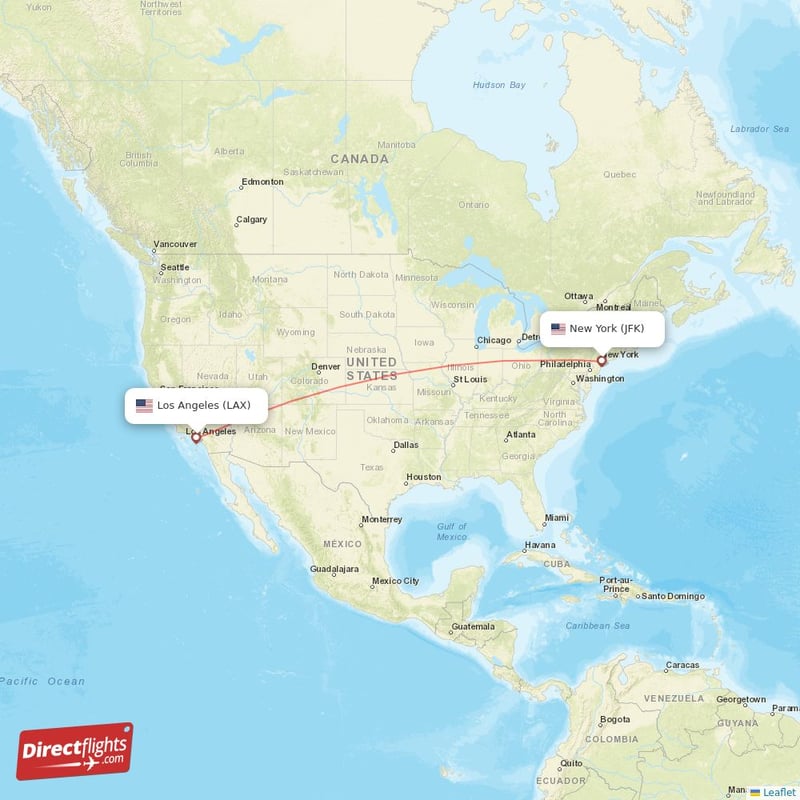
At its core, the flight from Los Angeles to New York is a cross-country endeavor covering approximately 2,475 miles (3,983 kilometers) of aerial distance. The most common and preferred method for this journey is, of course, a non-stop flight, which significantly minimizes travel time and enhances convenience.
Non-Stop Flights: LAX to NYC’s Major Airports
When considering a non-stop flight from Los Angeles to New York, travelers primarily depart from Los Angeles International Airport (LAX) and arrive at one of New York’s three major airports: John F. Kennedy International Airport (JFK), Newark Liberty International Airport (EWR) in New Jersey, or LaGuardia Airport (LGA).
- Westbound Flights (NYC to LA): These flights typically take 5 hours and 30 minutes to 6 hours and 15 minutes.
- Eastbound Flights (LA to NYC): Due to prevailing tailwinds from the Pacific Ocean pushing aircraft eastward, these flights are generally shorter, ranging from 4 hours and 45 minutes to 5 hours and 45 minutes. This difference, sometimes an hour or more, is a significant factor in flight planning.
It’s important to note that these are average flight times. Actual durations can vary based on several dynamic factors that play out during the flight.
Factors Affecting Flight Time
Beyond the simple direct distance, numerous elements can subtly or significantly alter the time you spend in the air:
- Wind Conditions: As mentioned, prevailing winds are the primary determinant. A strong jet stream can significantly reduce eastbound flight times, while headwind on westbound journeys can extend them. This natural phenomenon is a constant consideration for flight planners.
- Air Traffic Control (ATC): Both LA and NYC are among the busiest airspaces in the world. Delays due to ground congestion, departure queueing, or holding patterns upon arrival are common. During peak travel seasons or adverse weather, ATC can dramatically impact overall journey time.
- Aircraft Type: Different aircraft have varying cruising speeds and operational efficiencies. A Boeing 737 or Airbus A320, common on this route, will have slightly different performance characteristics than a larger Boeing 767 or Airbus A330 sometimes used for transcontinental service, which might cruise at slightly higher speeds.
- Specific Flight Path: While the general direction is east-west, the exact route taken can vary slightly to avoid weather systems, optimize for winds, or manage air traffic, all of which can add or subtract minutes from the journey.
- Time of Day/Week: Flights during off-peak hours (e.g., late at night or very early morning) might experience less air traffic, potentially leading to smoother, faster journeys. Conversely, midday or Friday evening flights can often face more congestion.
Beyond the Air: The Full Travel Journey
While the flight duration is a crucial metric, it represents only a fraction of the total time investment for a transcontinental trip. A truly comprehensive understanding of travel time from Los Angeles to New York must factor in the entire end-to-end process, encompassing everything from leaving your home to arriving at your final destination. This holistic approach is essential for effective travel planning, especially for business travelers or families with tight schedules.
Pre-Flight Considerations: From Doorstep to Departure Gate
The airport experience itself can add significant hours to your trip. Travelers should account for:
- Travel to the Airport: Depending on your starting point in Los Angeles, getting to LAX can take anywhere from 30 minutes to over 2 hours, particularly during peak traffic times. Consider the various transportation options, from ride-shares and taxis to public transport or airport shuttles, and factor in potential delays. Similarly, if departing from Hollywood Burbank Airport or Long Beach Airport, travel times to those facilities should be calculated.
- Airport Check-in and Security: For domestic flights, most airlines recommend arriving 2 hours prior to departure. This allows ample time for baggage check-in, navigating airport security checkpoints (which can be notoriously long at major hubs like LAX), and reaching your gate. Programs like TSA PreCheck or Clear can significantly reduce security wait times, a worthy investment for frequent travelers.
- Boarding Process: Once at the gate, the boarding process itself can take 20-45 minutes before the aircraft even pushes back from the gate.
Effectively, a “4.5-hour flight” can easily translate into a 7-8 hour commitment just to get airborne from the time you leave your home.
Post-Flight: Navigating to Your Destination in New York
Upon arrival at one of New York’s airports, the journey isn’t over. The time it takes to reach your final destination in Manhattan, Brooklyn, Queens, or beyond can vary wildly.
- JFK: Situated in Queens, JFK is typically 45 minutes to 1.5 hours from Midtown Manhattan by taxi or ride-share, depending on traffic. The AirTrain connects to the subway and Long Island Rail Road, offering a reliable, albeit slower, option.
- EWR: Located in New Jersey, EWR offers an AirTrain connection to NJ Transit trains, which then go to Penn Station in Manhattan. Total travel time to Manhattan ranges from 30 minutes to an hour by train, or 45 minutes to 1.5 hours by car.
- LGA: Closest to Manhattan in Queens, LGA is often subject to heavy road traffic. A taxi or ride-share to Manhattan can take 30 minutes to over an hour. Public transport involves bus connections to the subway.
When booking a hotel or planning activities, always factor in these crucial ground transportation times. A flight arriving at 5 PM could mean you won’t be checking into your hotel until 7 PM or later, fundamentally altering your evening plans.
Choosing Your Flight: Airlines, Airports, and Layover Options
Navigating the multitude of flight options between LA and New York can be overwhelming, but understanding the key players and their offerings is essential for making informed decisions that align with your budget, schedule, and comfort preferences.
Major Airports Serving LA and NYC
On the Los Angeles side, while LAX is the primary hub, travelers sometimes consider alternatives:
- Los Angeles International Airport (LAX): The main airport, offering the most direct flights and airline choices.
- Hollywood Burbank Airport (BUR): A smaller, more manageable airport, often preferred by those in the San Fernando Valley or Hollywood for its ease of access and quicker security lines.
- Long Beach Airport (LGB): A quaint, art-deco airport offering fewer direct options but a notably relaxed experience.
In New York, your choice of arrival airport can significantly impact ground travel time:
- John F. Kennedy International Airport (JFK): The largest, offering the most international and domestic connections. Ideal if your final destination is Queens or Long Island.
- Newark Liberty International Airport (EWR): A major hub for United Airlines, convenient for travelers heading to downtown Manhattan or points in New Jersey.
- LaGuardia Airport (LGA): Undergoing massive renovations, LGA is generally the closest to Midtown and Upper Manhattan, making it attractive despite its often congested access roads.
Major Airlines and Their Routes
Nearly all major United States carriers offer direct services between LA and NYC:
- American Airlines: Operates numerous daily flights, often with premium transcontinental services on wide-body aircraft (like the Airbus A321T), especially between LAX and JFK.
- Delta Air Lines: Also offers frequent direct flights, often competing head-to-head with American for premium transcontinental routes.
- United Airlines: A dominant carrier at EWR, United offers extensive direct connections from LAX to Newark.
- JetBlue Airways: Known for its comfortable economy and “Mint” premium product, JetBlue has a strong presence, particularly between LAX and JFK, and LGB to JFK.
- Alaska Airlines: Offers direct flights, often with competitive pricing and a strong focus on customer service.
Each airline has its own pricing structure, loyalty programs, and onboard amenities, influencing choices for budget travelers versus those seeking a luxury travel experience.
The Layover Dilemma: When Shorter Isn’t Always Better
While non-stop flights are generally preferred for efficiency, flights with layovers can sometimes offer significant cost savings. However, they drastically extend total travel time. A typical flight with one layover in a hub city like Chicago, Dallas, or Denver can easily add 3-6 hours to your journey, transforming a 5-hour flight into an 8-11 hour travel day.
- Pros of Layovers: Lower cost, opportunity to fly out of smaller, less congested airports that might be closer to home, or even break up a long journey for those who prefer not to spend too much time on a single flight.
- Cons of Layovers: Significantly increased travel time, risk of missed connections due to delays, and the hassle of navigating multiple airports and re-boarding.
For business stays or family trips where time is a premium, the extra cost for a direct flight is almost always justified. For budget travel, a layover might be a necessary compromise.
Maximizing Your Transcontinental Travel Experience
Crossing the country is more than just a logistical exercise; it’s an experience that can be optimized for comfort, efficiency, and enjoyment. Given the duration and potential for jet lag, especially when flying eastbound, a thoughtful approach to your journey can make all the difference.
Comfort and Convenience: What to Consider
Whether you’re on a luxury travel budget or seeking the best value, enhancing comfort on a 5-6 hour flight is key:
- Seat Selection: For those who prioritize comfort, choosing an aisle or window seat, or splurging on extra legroom seats or a first-class upgrade, can significantly improve the experience. Many airlines offer lie-flat seats in their premium transcontinental cabins between LAX and JFK/EWR, turning the flight into a much more restful journey, particularly for red-eye flights.
- In-Flight Amenities: Check what amenities are offered. Wi-Fi, in-seat entertainment, and meal services (especially for longer flights or in premium cabins) can make the time pass more quickly.
- Packing Smart: A comfortable neck pillow, noise-canceling headphones, and a good book or downloaded entertainment are invaluable. Staying hydrated is also crucial for long flights.
Managing Jet Lag: Tips for Eastbound Travel
Flying from Los Angeles to New York means gaining three hours, which can lead to significant jet lag upon arrival. Adapting quickly is vital, especially for business travelers needing to be productive immediately.
- Adjust Before You Fly: A few days before your trip, try to shift your sleep schedule by going to bed and waking up earlier.
- Hydrate and Avoid Alcohol/Caffeine: Dehydration exacerbates jet lag. Drink plenty of water and limit diuretics during your flight.
- Set Your Watch to Destination Time: As soon as you board, switch your watch to New York time and try to mentally adjust.
- Seek Sunlight Upon Arrival: Natural light helps reset your body clock. Try to get outside in the morning on your first day in New York.
- Strategic Napping: If you must nap, keep it short (20-30 minutes) to avoid falling into deep sleep cycles.
- Plan for Rest: For family trips, schedule lighter activities on the first day, allowing everyone to acclimate.
Extending Your Trip: Exploring LA or NYC
For many, the flight is just one part of a larger travel adventure. Both Los Angeles and New York City are premier travel destinations, each offering a unique array of attractions and experiences.
If you’re starting in Los Angeles, consider extending your stay to explore:
- The glitz and glamour of Hollywood, including the Hollywood Walk of Fame and Universal Studios Hollywood.
- The beautiful beaches of Santa Monica and Malibu.
- World-class museums like The Getty Center.
- Family fun at nearby Disneyland Resort in Anaheim.
Upon arrival in New York City, a world of iconic landmarks and vibrant culture awaits:
- The vibrant energy of Times Square and Broadway shows.
- A stroll through Central Park or a visit to the Statue of Liberty and Ellis Island.
- Panoramic views from the Empire State Building or Top of the Rock.
- Exploring diverse neighborhoods like Greenwich Village, SoHo, and DUMBO in Brooklyn.
- World-renowned museums such as the Metropolitan Museum of Art and the Museum of Modern Art.
- Sampling the incredible culinary scene, from street food to Michelin-starred restaurants.
Considering these local attractions and planning your accommodations accordingly – whether a boutique hotel in Manhattan or a resort outside LA – allows for a richer and more fulfilling travel experience beyond the flight itself.
In conclusion, while a direct flight from Los Angeles to New York typically ranges from 4 hours 45 minutes to 5 hours 45 minutes eastbound and 5 hours 30 minutes to 6 hours 15 minutes westbound, the true duration of your travel day will depend on myriad factors. By understanding airport logistics, airline choices, and effective jet lag management, travelers can transform this lengthy journey into a comfortable and enjoyable part of their overall adventure, whether for business or pleasure.
LifeOutOfTheBox is a participant in the Amazon Services LLC Associates Program, an affiliate advertising program designed to provide a means for sites to earn advertising fees by advertising and linking to Amazon.com. Amazon, the Amazon logo, AmazonSupply, and the AmazonSupply logo are trademarks of Amazon.com, Inc. or its affiliates. As an Amazon Associate we earn affiliate commissions from qualifying purchases.