
In the dynamic tapestry of American politics, states often adopt a color—blue for Democratic-leaning and red for Republican-leaning—to signify their predominant political identity. As we approach 2024, the question, “Is Colorado a blue or red state?” is more than just a political query; for travelers, tourism stakeholders, and those considering relocation, it can offer insights into the state’s prevailing culture, lifestyle, and even the types of attractions and experiences one might encounter. While politics might seem distant from the allure of mountain vistas or vibrant city life, a state’s political leaning often influences its social policies, economic priorities, and the overall atmosphere that shapes a visitor’s journey.
Colorado, famously known as the Centennial State, has long captivated imaginations with its majestic Rocky Mountains, pristine wilderness, and burgeoning urban centers. Yet, beneath its breathtaking natural beauty and thriving tourism industry lies a nuanced political landscape that has evolved considerably over the past few decades. Once a quintessential swing state, Colorado has steadily shifted its political alignment, a transformation that has subtly, and sometimes overtly, impacted its identity as a travel destination. This article delves into Colorado’s political character in 2024, exploring how its blue or red leaning influences everything from travel and accommodation options to local culture and lifestyle, making it a unique and compelling destination for a diverse array of visitors.
Understanding Colorado’s Political Landscape in 2024
To truly grasp the essence of Colorado as a travel and lifestyle destination, it’s essential to first understand its contemporary political identity. The state’s political trajectory in recent years provides a backdrop for many of the social, economic, and cultural trends that define it today.
The Shift Towards Blue
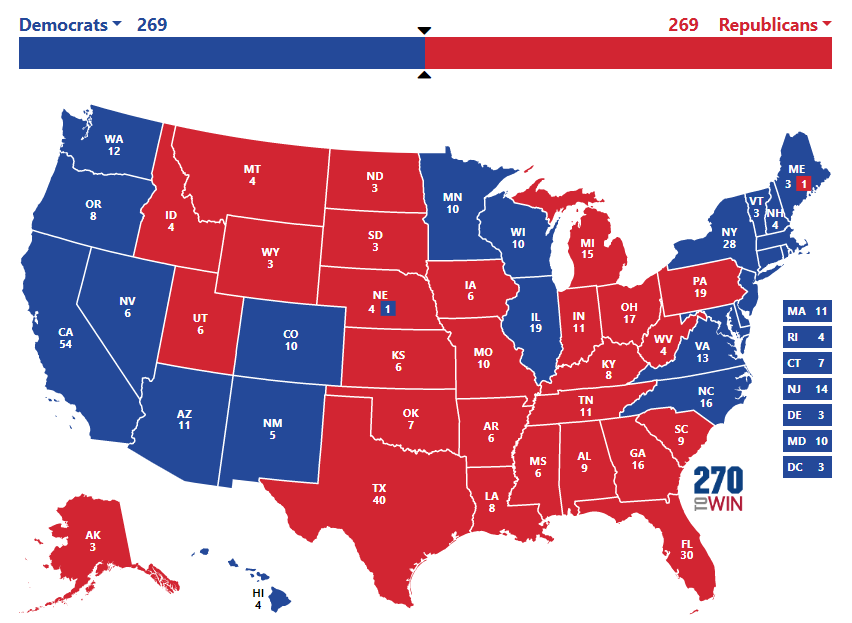
Historically, Colorado was considered a purple state, evenly split between Democratic and Republican voters, with a reputation for independent-minded residents and close election results. However, over the last two decades, particularly since the early 2000s, there has been a significant demographic and ideological shift, firmly moving Colorado into the “blue” category. This shift is evidenced by consistent Democratic victories in statewide elections, including presidential races, gubernatorial contests, and control of both chambers of the state legislature. The change is often attributed to several factors: the rapid growth of urban and suburban areas, particularly around Denver and the Front Range corridor; an influx of younger, more diverse populations; and a growing emphasis on environmental protection, social liberalism, and economic diversification beyond traditional industries.
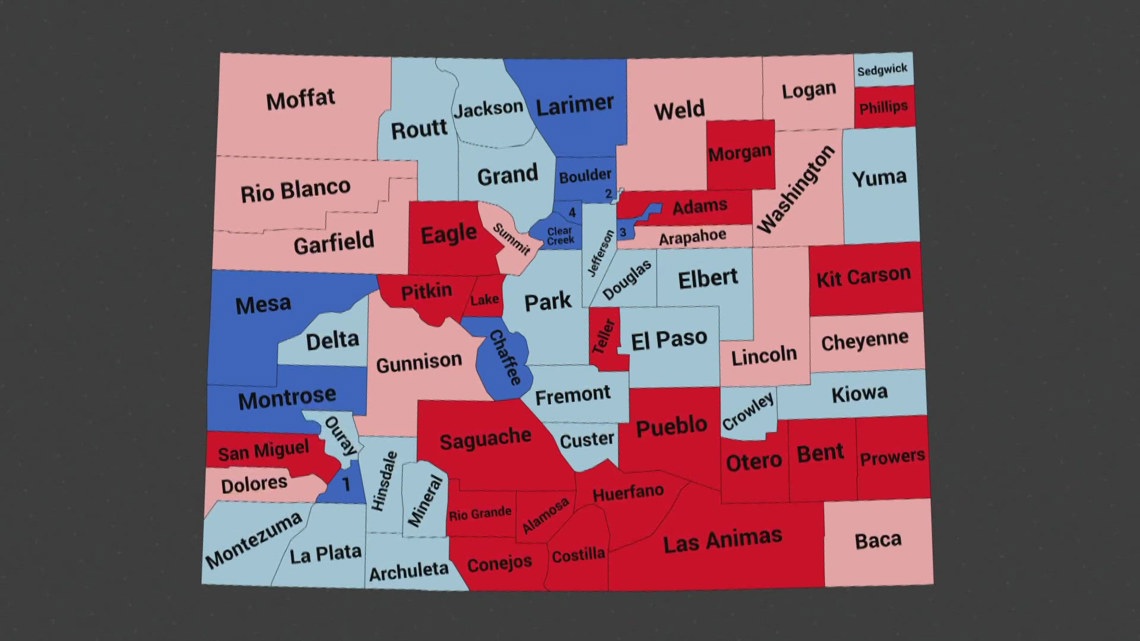
By 2024, Colorado is widely regarded as a reliably blue state. This political leaning is not uniform across all regions, with rural areas often maintaining a more conservative “red” stance. However, the sheer population density and progressive inclinations of the major metropolitan areas, such as Denver, Boulder, and Fort Collins, typically outweigh the influence of more conservative strongholds.

Key Political Indicators and Trends
Several indicators underline Colorado’s blue status in 2024. Voter registration data consistently shows a plurality of registered Democrats, followed by unaffiliated voters, who often lean left, and then registered Republicans. The state’s congressional delegation is predominantly Democratic, and its U.S. Senators are both Democrats. Landmark legislation passed in Colorado in recent years, such as progressive environmental regulations, expanded healthcare access, and social justice reforms, further reflects its blue orientation.
This political environment directly impacts the state’s lifestyle and tourism appeal. For instance, Colorado’s early legalization of recreational cannabis, a policy often associated with more progressive states, has created a unique niche for cannabis tourism, attracting visitors interested in this particular aspect of the state’s liberal policies. Similarly, strong protections for LGBTQ+ rights, emphasis on sustainable practices, and investment in public transportation and urban amenities all align with a progressive agenda, shaping the experiences available to travelers.
How Political Identity Shapes Colorado’s Travel & Tourism Appeal
A state’s political identity, while not always overtly apparent, can deeply influence the very fabric of its tourism industry, from the types of attractions that thrive to the overall ambiance visitors experience. Colorado’s blue leanings contribute significantly to its unique appeal.
Progressive Policies and Their Impact on Visitor Experiences
Colorado’s progressive policies have cultivated an environment that directly enhances visitor experiences. The state’s commitment to environmental conservation, for example, is evident in the meticulously maintained state parks, the preservation of vast wilderness areas, and initiatives to protect its world-renowned Rocky Mountain National Park. Travelers seeking sustainable tourism options or pristine natural settings for hiking, skiing, and wildlife viewing will find Colorado’s blue policies directly contribute to the quality and accessibility of these experiences.
Beyond nature, the state’s urban centers, particularly Denver, showcase the vibrancy often associated with progressive governance. A thriving arts and culture scene, exemplified by Denver’s RiNo Art District with its colorful murals and galleries, and a diverse culinary landscape with a strong emphasis on farm-to-table dining and craft breweries, are hallmarks of a dynamic, forward-thinking metropolitan area. Policies supporting local businesses, cultural institutions, and urban development contribute to this lively atmosphere. Furthermore, Colorado’s reputation as an inclusive and welcoming destination, bolstered by progressive social policies, attracts a broad spectrum of travelers, including those from the LGBTQ+ community, who seek destinations where they feel respected and safe.
Economic & Lifestyle Implications for Travelers and Residents
The economic policies and lifestyle trends prevalent in a blue state like Colorado also have tangible implications for travelers. While a robust economy can lead to higher costs of living and, consequently, potentially higher prices for accommodation and certain services, it also often translates into a higher quality of infrastructure, a broader array of amenities, and innovative businesses that cater to diverse tastes.
For visitors, this means access to a wide range of luxury hotels and resorts, such as the Four Seasons Hotel Denver or The Broadmoor in Colorado Springs, alongside charming boutique hotels and unique vacation rentals. The focus on sustainable development also means a growing number of eco-friendly accommodation options and tour operators. The lifestyle fostered by Colorado’s political leaning emphasizes outdoor activity, healthy living, and a balanced work-life dynamic. This translates into abundant opportunities for active travel, from world-class skiing in Aspen and Vail to mountain biking in Crested Butte and hiking in Telluride. The state’s residents, known for their love of the outdoors, create a vibrant community around these activities, making it an ideal destination for those seeking an active and invigorating holiday.
Exploring Colorado’s Diverse Destinations: Beyond the Ballot Box
While political hues can set a general tone, Colorado’s true allure lies in its incredibly diverse geography and rich cultural offerings, catering to every type of traveler regardless of their political leanings.
Urban Hubs: Culture, Dining, and Accommodation
Colorado’s cities are vibrant centers of culture, cuisine, and commerce, each with its distinct personality.
- Denver: The Mile High City
As the state capital and largest city, Denver is the pulsating heart of Colorado. Its progressive vibe is palpable in its thriving arts scene, with institutions like the Denver Art Museum and lively performance venues. The 16th Street Mall offers a pedestrian-friendly shopping and dining experience, while the RiNo Art District showcases street art, breweries, and innovative eateries. Accommodation in Denver ranges from upscale options like the Hyatt Regency Denver at Colorado Convention Center to unique boutique hotels such as Hotel Teatro, catering to both business and leisure travelers. The city’s culinary scene is a melting pot, reflecting its diverse population and a strong emphasis on fresh, local ingredients. - Boulder: The Green Utopia
Nestled at the base of the Flatirons, Boulder is renowned for its progressive values, outdoor lifestyle, and intellectual atmosphere, largely fueled by the University of Colorado Boulder. The Pearl Street Mall, a pedestrian promenade, is the city’s vibrant core, offering unique shops, street performers, and diverse restaurants. Boulder’s commitment to health and wellness is reflected in its numerous hiking and biking trails, organic food scene, and yoga studios. Accommodation options include eco-friendly hotels and charming bed-and-breakfasts that align with the city’s sustainable ethos. - Colorado Springs: Gateway to the Mountains
While traditionally more conservative than Denver or Boulder, Colorado Springs offers an array of attractions that appeal to a wide audience. It is home to the majestic Garden of the Gods, a National Natural Landmark known for its stunning red rock formations, and Pikes Peak, “America’s Mountain.” The United States Air Force Academy is also a prominent landmark. The city offers a range of hotels, including the historic and luxurious The Broadmoor, which provides an opulent resort experience amidst beautiful mountain scenery.
Mountain Retreats: Outdoor Adventure and Scenic Beauty
Colorado’s mountain towns are world-famous for their unparalleled natural beauty and opportunities for outdoor adventure, drawing visitors from across the globe.
- Ski Resorts: Aspen, Vail, and Breckenridge
These iconic destinations are synonymous with luxury skiing, vibrant après-ski scenes, and high-end accommodation. Aspen, known for its celebrity visitors and upscale boutiques, boasts resorts like the St. Regis Aspen Resort. Vail offers extensive terrain and a European village charm, while Breckenridge combines historic mining town aesthetics with world-class slopes. In summer, these towns transform into hubs for hiking, mountain biking, and cultural festivals, providing year-round appeal. - National Parks and Wilderness Areas
Colorado is home to four national parks, each offering unique experiences. Rocky Mountain National Park is a hiker’s paradise with breathtaking peaks and abundant wildlife. Mesa Verde National Park preserves the incredible cliff dwellings of the Ancestral Puebloans, offering a profound journey into ancient history. Great Sand Dunes National Park and Preserve presents a surreal landscape of towering dunes, while Black Canyon of the Gunnison National Park reveals a dramatic, sheer-walled gorge. These natural landmarks are vital to Colorado’s tourism and underscore the state’s commitment to preserving its natural heritage. - Hot Springs and Wellness Retreats
Destinations like Glenwood Springs are famous for their natural hot springs, offering relaxation and therapeutic benefits. Resorts and spas throughout the state leverage these natural wonders, providing wellness-focused experiences that cater to a lifestyle of rejuvenation.
Historical Gems and Unique Experiences
Beyond the mountains and cities, Colorado offers a wealth of historical sites and distinctive attractions.
- Historic Mining Towns: Towns like Durango, Silverton, and Leadville retain much of their 19th-century charm, offering glimpses into Colorado’s rich mining history. The Durango and Silverton Narrow Gauge Railroad provides a scenic and nostalgic journey through the rugged landscape.
- Cultural Heritage: The influence of Native American cultures is profound, particularly in the Four Corners region, home to Mesa Verde National Park and numerous archeological sites. Visitors can explore ancient dwellings and learn about the indigenous peoples who shaped this land for centuries.
- Iconic Venues: Red Rocks Amphitheatre, carved into colossal red rock formations near Morrison, is not just a concert venue but a geological marvel and a landmark that draws visitors for its beauty alone.
Planning Your Colorado Getaway: A Lifestyle for Every Traveler
Regardless of Colorado’s political leaning, the state excels at offering a wide array of travel experiences, accommodating diverse preferences and lifestyles.
Accommodation Choices: From Luxury Resorts to Boutique Stays
Colorado’s accommodation landscape is as varied as its topography. For those seeking opulence, world-class resorts like The Ritz-Carlton, Denver or the St. Regis Aspen Resort offer unparalleled service and amenities. Mid-range hotels, such as the Embassy Suites by Hilton Denver Downtown Convention Center, cater to families and business travelers with comfortable stays and convenient locations. Budget-conscious travelers can find numerous motels, hostels, and vacation rentals, especially in less touristy areas or during off-peak seasons. The rise of glamping and unique eco-lodges also aligns with the state’s outdoor-centric and environmentally conscious lifestyle, providing immersive experiences without sacrificing comfort. Furthermore, charming historic hotels like The Stanley Hotel in Estes Park offer a blend of history and hospitality, appealing to those seeking a unique stay.
Culinary Journeys and Local Culture
Colorado’s blue identity fosters a vibrant culinary scene that emphasizes local, sustainable, and diverse offerings. From upscale farm-to-table restaurants in Boulder to diverse ethnic eateries in Denver’s various neighborhoods, foodies will find plenty to explore. The craft beer industry is particularly robust, with Colorado being home to hundreds of breweries, offering everything from classic lagers to innovative IPAs. Many breweries also serve as community hubs, reflecting the state’s emphasis on local gathering places. Additionally, Colorado’s focus on healthy living means an abundance of organic markets, vegetarian-friendly restaurants, and health-conscious cafes, catering to various dietary preferences and lifestyles. Local culture also thrives through numerous festivals—music, art, food, and outdoor recreation—that celebrate the state’s unique spirit throughout the year.
Sustainable and Responsible Tourism
Given its progressive leanings, Colorado has become a leader in sustainable and responsible tourism. Many tourism operators, hotels, and attractions are committed to minimizing their environmental impact, promoting conservation, and supporting local communities. Travelers can actively participate in this by choosing eco-certified accommodations, utilizing public transportation, respecting wilderness guidelines (“Leave No Trace” principles), and supporting local businesses. This commitment to sustainability not only preserves Colorado’s natural beauty for future generations but also enhances the travel experience for those who value ethical and environmentally friendly practices. The state’s extensive network of trails, bike paths, and emphasis on outdoor recreation naturally encourages a low-impact, active lifestyle for both residents and visitors.
Conclusion
So, is Colorado a blue or red state in 2024? The evidence strongly indicates a lean towards blue, with progressive policies and a liberal social ethos shaping many aspects of its governance and public life. However, to define Colorado solely by a political color would be to miss the rich, multifaceted identity that makes it an exceptional travel destination.
While its blue leanings contribute to a vibrant urban culture, an emphasis on environmental protection, and a generally inclusive atmosphere, Colorado’s core appeal transcends political boundaries. Its majestic Rocky Mountains, world-class ski resorts, historical mining towns, and burgeoning cities offer an unparalleled variety of experiences for every type of traveler. Whether you seek exhilarating outdoor adventures, sophisticated urban explorations, relaxing wellness retreats, or a deep dive into history and culture, Colorado delivers.
Ultimately, Colorado remains a state of stunning contrasts and compelling attractions, welcoming visitors to discover its unique blend of natural wonders, diverse communities, and a lifestyle that celebrates the outdoors, innovation, and an adventurous spirit, regardless of the prevailing political winds.
LifeOutOfTheBox is a participant in the Amazon Services LLC Associates Program, an affiliate advertising program designed to provide a means for sites to earn advertising fees by advertising and linking to Amazon.com. Amazon, the Amazon logo, AmazonSupply, and the AmazonSupply logo are trademarks of Amazon.com, Inc. or its affiliates. As an Amazon Associate we earn affiliate commissions from qualifying purchases.