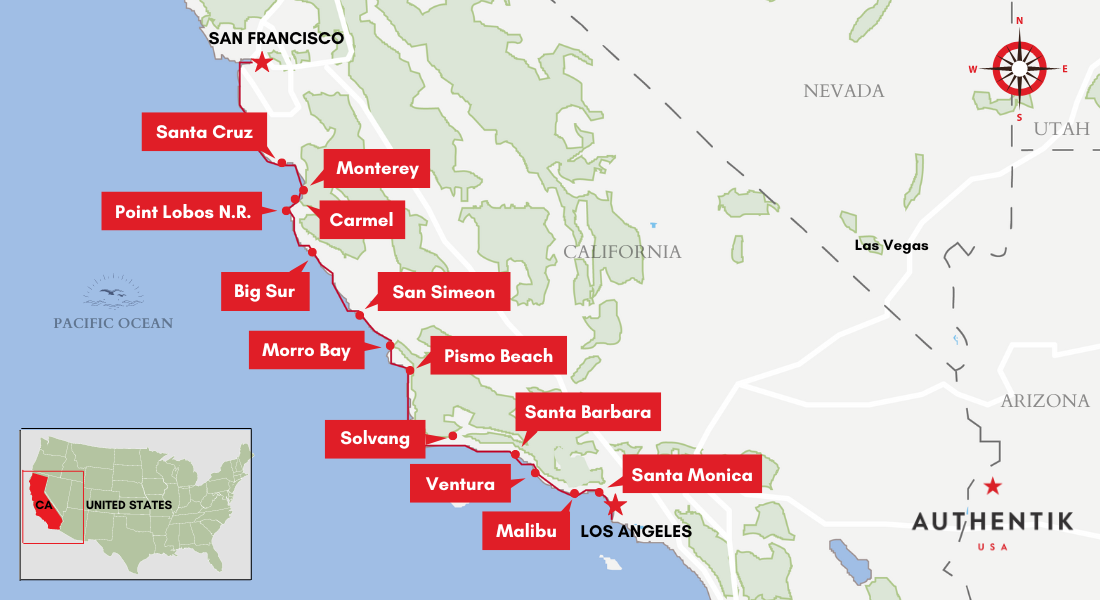
The journey between San Francisco, the iconic City by the Bay, and Los Angeles, the sprawling City of Angels, is one of California’s most frequently traveled routes. Whether you’re a first-time visitor eager to explore the Golden State’s diverse landscapes or a seasoned traveler navigating between two major hubs, understanding the distance and various travel options is key to planning a memorable trip. This guide will delve into the specifics of traversing the distance between these two magnificent cities, offering insights into travel times, scenic routes, essential stops, and accommodation considerations that cater to every type of traveler.
The Straightforward Answer: Distance and Time
At its most direct, the geographical distance between downtown San Francisco and downtown Los Angeles is approximately 350 to 380 miles (560 to 610 kilometers), depending on the exact starting and ending points. However, the actual travel time and the experience itself can vary dramatically based on your chosen mode of transport and the route you decide to take.
By Road: Different Routes, Different Experiences
Driving is arguably the most popular way to travel between San Francisco and Los Angeles, offering unparalleled flexibility to explore at your own pace. There are two primary routes, each offering a distinct journey:
-
The Efficient Inland Route (Interstate 5 – I-5): This is the fastest driving option, covering approximately 380 miles (610 km). The I-5 cuts through California’s central valley, known for its vast agricultural landscapes. While not the most scenic, it’s a straightforward drive, typically taking 5.5 to 7 hours without significant stops or heavy traffic. Be prepared for long stretches of flat terrain and numerous truck stops. A popular refueling and dining spot for many travelers on this route is Harris Ranch Inn in Coalinga, famous for its beef.
-
The Iconic Coastal Route (Highway 1 / Pacific Coast Highway): For those with more time and a desire for breathtaking views, Highway 1, also known as the Pacific Coast Highway, is an absolute must-do. This route is significantly longer, stretching over 450-500 miles (725-800 km), and due to its winding nature, often takes 10-12 hours of pure driving time. However, this figure doesn’t account for the countless opportunities to stop, admire the scenery, and explore charming coastal towns. The Pacific Coast Highway journey is best spread over at least two days, with an overnight stay along the way.
By Air: The Fastest Link
For business travelers or those simply pressed for time, flying is undoubtedly the quickest way to cover the distance. Numerous airlines offer frequent daily flights between the major airports in both cities.
- San Francisco Bay Area Airports: San Francisco International Airport (SFO) and Oakland International Airport (OAK).
- Los Angeles Area Airports: Los Angeles International Airport (LAX), Hollywood Burbank Airport (BUR), and John Wayne Airport (SNA) in Orange County.
The actual flight time is a mere 1 hour to 1 hour and 30 minutes. However, when you factor in travel to and from airports, security checks, and boarding, the total door-to-door travel time can easily extend to 4-5 hours. While convenient, it’s often the most expensive option, especially if booked last minute.
By Rail and Bus: A Leisurely Pace
For travelers seeking a more relaxed pace or a budget-friendly option, trains and buses offer viable alternatives.
-
Train (Amtrak): Amtrak provides several routes connecting the two regions. The most popular options include a combination of bus and train services. For instance, the Coast Starlight offers a scenic journey along the coast but primarily runs between Seattle and Los Angeles, with Oakland as its San Francisco area stop. The full journey can take 10-12 hours, depending on transfers and delays. Another option is the San Joaquins route, which combines train travel through the Central Valley with connecting buses to San Francisco and Los Angeles. While longer than driving or flying, Amtrak offers comfortable seats, dining cars, and the chance to enjoy the scenery without the stress of driving.
-
Bus Services: Companies like Greyhound and FlixBus offer multiple daily departures between the two cities. This is typically the most economical option, with journey times ranging from 7 to 9 hours, depending on the number of stops and traffic conditions. While budget-friendly, amenities vary, and comfort might be less compared to train travel.
The Ultimate California Road Trip: Detours and Delights
The drive between San Francisco and Los Angeles is more than just covering miles; it’s an opportunity to immerse yourself in the diverse beauty and culture of California. Especially when opting for the scenic coastal route, planning stops is crucial to maximizing the experience.
The Iconic Pacific Coast Highway (Highway 1)
If you have the luxury of time, choosing the Pacific Coast Highway is choosing an adventure. This route is famous for its dramatic cliffs, redwood forests, pristine beaches, and charming seaside towns.
-
Monterey and Carmel-by-the-Sea: Just a couple of hours south of San Francisco, these two towns offer a delightful stop. Monterey is home to the world-renowned Monterey Bay Aquarium and historic Cannery Row. Adjacent to it, Carmel-by-the-Sea is a picturesque village known for its fairytale cottages, art galleries, and stunning Carmel Beach. Both offer a range of accommodation, from quaint inns to luxury suites and resorts.
-
Big Sur: This legendary stretch of coastline is arguably the most breathtaking part of the Pacific Coast Highway. With its rugged cliffs, towering redwoods, and endless ocean vistas, Big Sur is a place of raw natural beauty. Key viewpoints include Bixby Bridge and McWay Falls at Julia Pfeiffer Burns State Park. Accommodation here ranges from rustic cabins to high-end resorts nestled in nature, offering unique experiences.
-
Hearst Castle: Perched atop a hill overlooking the Pacific Ocean near San Simeon, Hearst Castle is a spectacular historic landmark. This opulent estate, built by newspaper magnate William Randolph Hearst, is a testament to grandeur and architectural genius, definitely worth a guided tour.
-
Pismo Beach and Morro Bay: As you head further south, Pismo Beach is famous for its clam chowder, pier, and sand dunes perfect for ATV riding. Nearby Morro Bay is recognizable by its prominent volcanic plug, Morro Rock, and is a great spot for kayaking and wildlife viewing. These towns offer a more laid-back coastal vibe and affordable hotel and apartment options.
-
Solvang and Santa Barbara: Just before reaching Los Angeles, consider a detour inland to Solvang, a charming Danish village known for its unique architecture, windmills, and delicious pastries. Afterwards, return to the coast for Santa Barbara, often called the “American Riviera.” With its Spanish colonial architecture, palm-lined beaches, and vibrant food scene, it’s a perfect place for an overnight stay or a leisurely lunch. Attractions include the Santa Barbara Mission, Stearns Wharf, and numerous wineries. Luxury resorts like the Four Seasons Resort The Biltmore Santa Barbara offer indulgent accommodation experiences.
The Efficient Inland Route (I-5)
While less scenic, the I-5 route has its advantages. It’s the preferred choice for those on a tight schedule or business trips. Beyond Harris Ranch Inn, there aren’t many major tourist attractions directly on the highway. However, the route passes near Pinnacles National Park (requiring a significant detour) or agricultural roadside stands offering fresh California produce, providing small breaks from driving. For a unique experience, some travelers might opt for an overnight stay in a Central Valley town, finding more budget-friendly hotels or motels.
Choosing Your Journey: Factors to Consider
The decision of how to travel between San Francisco and Los Angeles depends heavily on your priorities and travel style.
Time vs. Scenery: What’s Your Priority?
- Time-Sensitive Travelers: If your primary goal is to reach your destination quickly, flying is the clear winner, especially for business stays or short trips. The convenience of a short flight minimizes travel time, allowing more focus on your activities in Los Angeles or San Francisco.
- Experience-Driven Travelers: For those who view the journey as part of the destination, the Pacific Coast Highway drive is unparalleled. It offers a rich tapestry of landscapes, cultural stops, and photographic opportunities, making it ideal for family trips or leisure travel where exploring is paramount. The train can also offer a more scenic and relaxed experience than inland driving.
Budget and Comfort: Finding Your Sweet Spot
- Budget Travel: Bus services offer the most economical way to travel, making them suitable for students or budget-conscious travelers. While less comfortable than other options, the savings can be significant.
- Mid-Range Comfort: Driving the I-5 or taking the train offers a good balance. Driving provides flexibility for multiple passengers, potentially saving money compared to individual flight tickets, while the train offers comfort and scenic views without the need to navigate traffic.
- Luxury Travel: Flying first-class or chartering a private car for a customized road trip caters to luxury travel preferences, providing maximum comfort and efficiency. Similarly, choosing premium hotels and resorts along the coastal route enhances the overall lifestyle experience.
Accommodation Along the Route: From Coastal Resorts to City Stays
If you choose to break up your journey, especially along the Pacific Coast Highway, you’ll find a vast array of accommodation options.
- Coastal Gems: Towns like Monterey, Carmel-by-the-Sea, San Simeon, Pismo Beach, and Santa Barbara boast everything from charming bed & breakfasts and boutique hotels to luxury resorts and vacation rentals. For instance, the Ritz-Carlton, Laguna Niguel further south in Orange County offers a high-end coastal resort experience for those extending their drive.
- Urban Hubs: Upon arrival in Los Angeles or San Francisco, the accommodation choices are endless. Los Angeles offers everything from glamorous hotels in Beverly Hills (like Hotel Bel-Air) and Hollywood (e.g., The Hollywood Roosevelt) to trendy boutique hotels in Santa Monica (such as Viceroy Santa Monica) and budget-friendly apartments throughout the city. San Francisco equally impresses with iconic landmarks like The Fairmont San Francisco, modern luxury at The St. Regis San Francisco, and a plethora of suites, serviced apartments, and villas suitable for long-term stays or family trips.
Planning Your Trip: Essential Tips for Seamless Travel
Regardless of your chosen mode of transport, a few general tips can enhance your journey from San Francisco to Los Angeles.
Best Time to Travel
- Spring (April-May) and Fall (September-October): These seasons generally offer the most pleasant weather, with mild temperatures and fewer crowds, especially along the coastal route. They are ideal for outdoor activities and sightseeing.
- Summer (June-August): While popular, summer can bring heavy tourist traffic, higher prices for flights and accommodation, and potentially very hot temperatures in the Central Valley if taking I-5. Fog is also common in San Francisco during this time.
- Winter (November-March): Offers cooler temperatures and the possibility of rain, particularly along the coast. However, it can also mean fewer crowds and lower prices. Keep an eye on road conditions for Highway 1 as sections can occasionally close due to landslides.
Booking in Advance
For flights, trains, and popular accommodation, especially during peak seasons, booking well in advance is highly recommended. This not only secures your spot but often results in better prices. Researching reviews and comparing options on booking platforms can help you find the best suites, resorts, or apartments that match your travel style and budget. Whether you’re looking for a luxury retreat or a cozy budget-friendly stay, planning ahead ensures a smooth experience.
Ultimately, the question of “how far” between San Francisco and Los Angeles is not just about miles, but about the experience you wish to create. From quick business trips to epic road trip adventures exploring California’s landmarks like the Golden Gate Bridge, Golden Gate Park, the Hollywood Sign, Santa Monica Pier, Disneyland Resort, or Universal Studios Hollywood, there’s a journey for everyone. By considering your priorities, budget, and desired level of comfort, you can choose the perfect way to traverse this iconic California corridor.