
The moniker “The Big Apple” is synonymous with New York City, an iconic nickname that evokes images of grandeur, opportunity, and an almost mythical allure. For travelers worldwide, it’s not just a city; it’s a dream, a destination overflowing with cultural richness, architectural marvels, and a pulsating energy unlike anywhere else. But how did this vibrant metropolis, a global hub of finance, fashion, and art, come to be known by such a distinctive, fruit-inspired epithet? The story is far richer and more nuanced than many imagine, weaving through the annals of horse racing, jazz, and a pivotal tourism campaign that solidified its place in the collective imagination.
For those planning to immerse themselves in the unparalleled experiences New York City offers, understanding the roots of “The Big Apple” adds another layer of appreciation to its history and enduring charm. It speaks to the city’s unique identity, a powerful draw for millions seeking everything from luxury travel to budget-friendly adventures, family trips, or critical business stays. This exploration delves into the fascinating origins, the cultural embrace, and the strategic popularization that cemented “The Big Apple” as one of the most beloved and recognized nicknames in the United States.

The Genesis of a Grand Nickname: From Horse Racing to Cultural Icon
The earliest definitive connection of New York City to “The Big Apple” traces back to the vibrant and competitive world of horse racing in the early 20th century. This origin story, steeped in the language and lore of jockeys and stable hands, provides a captivating glimpse into the city’s early 20th-century character.
John J. Fitz Gerald and the Turf’s Delight
The most widely credited figure in popularizing “The Big Apple” is John J. Fitz Gerald, a sports writer for the New York Morning Telegraph. In 1921, Fitz Gerald began using the term in his horse racing column, “Around the Big Apple.” The inspiration for this came from overhearing stable hands in New Orleans referring to New York City racetracks as “the big apple.” For these horse racing enthusiasts, participating in races in New York City was the pinnacle of their profession – the ultimate prize, the biggest and most coveted “apple” from the tree of racing opportunities.
Fitz Gerald explained his choice of the name in his column: “The Big Apple. The dream of every lad that ever threw a leg over a thoroughbred and the goal of all horsemen. There’s only one Big Apple. That’s New York.” He wasn’t just coining a catchy phrase; he was capturing an existing sentiment among those who saw New York City as the land of ultimate aspiration and opportunity, particularly within his niche. His column helped to embed the term within the sporting lexicon, even if its broader cultural adoption was still decades away.
The Jazz Era’s Juicy Prize
While Fitz Gerald’s writing brought “The Big Apple” into print, the term found another significant champion in the jazz clubs and dance halls of the 1930s. Jazz musicians, particularly those who flocked to New York City from across the United States in search of fame and fortune, adopted the phrase to describe the city. For them, New York City, especially areas like Harlem and Broadway, represented the zenith of their craft. If you made it big in New York, you had truly “played the Big Apple,” securing the most significant gig, the most lucrative contract, or the loudest applause.
Legend has it that an old proverb among performers stated, “There are many apples on the tree, but only one Big Apple.” This encapsulates the idea that while there were many places to perform across the country, New York City was the prime fruit, the ultimate achievement. Famous jazz artists often used the term in interviews and during performances, further ingraining it into the city’s creative and cultural fabric. This period saw the nickname transcend its racing origins, beginning its journey into broader public consciousness as a symbol of aspiration for artists and dreamers.
The Official Embrace: Tourism and Transformation
Despite its use in horse racing and jazz circles, “The Big Apple” wasn’t a universally recognized or celebrated nickname for New York City for many decades. Its widespread popularization, and indeed its global recognition, owes much to a strategic and highly successful tourism campaign launched in the 1970s.
“I Love New York” and the Rebranding Effort
By the 1970s, New York City faced significant challenges. It was struggling with a reputation for high crime rates, financial woes, and a general decline in tourism. The city needed a powerful rebranding effort to rejuvenate its image and attract visitors once more. In 1971, Charles Gillett, president of the New York Convention and Visitors Bureau, partnered with advertising agency Ogilvy & Mather and journalist Fred L. Shapiro (who extensively researched the term’s origins) to launch a major campaign.
Gillett specifically chose “The Big Apple” for the campaign due to its positive connotations of desirability, opportunity, and significance, drawing directly from its historical roots in racing and jazz. The campaign successfully associated the catchy phrase with a vibrant, welcoming city, urging people to rediscover its wonders. The effort was bolstered by the now-iconic “I Love New York” campaign, created by graphic designer Milton Glaser, which became one of the most recognizable tourism slogans in history. Together, these campaigns transformed how the world viewed New York City, leveraging “The Big Apple” to symbolize its renewed promise and endless attractions.
The Lasting Legacy of the Campaign
The 1970s campaign was a resounding success, effectively rebranding New York City as a premier travel destination. “The Big Apple” became the city’s unofficial yet universally recognized nickname, signaling a resurgence in tourism and pride. This period saw a dedicated effort to promote New York City’s diverse offerings, from its world-class hotels and accommodations to its breathtaking landmarks and unparalleled cultural experiences.
Today, when travelers book a stay in a luxury suite overlooking Central Park, stroll through the bustling streets of Manhattan, or marvel at the Statue of Liberty, they are experiencing “The Big Apple” in its fullest sense. The nickname is now deeply woven into the city’s identity, a testament to a clever marketing strategy built upon a century of evolving cultural significance.
Beyond the Name: What “The Big Apple” Symbolizes
The enduring power of “The Big Apple” lies not just in its catchy nature or historical origins but in what it has come to symbolize about New York City itself. It’s a metaphor that perfectly captures the essence of a global metropolis, reflecting its opportunities, its grand scale, and its magnetic pull.
A Symbol of Opportunity and Grandeur
The apple, often associated with temptation, knowledge, and health, takes on a grander meaning when prefixed with “Big” in the context of New York City. It signifies a place where dreams are pursued, where fortunes are made, and where ambitions can be realized. For generations, immigrants and aspiring professionals from all corners of the globe have flocked to New York City, viewing it as the ultimate prize, the “big apple” ripe for the picking.
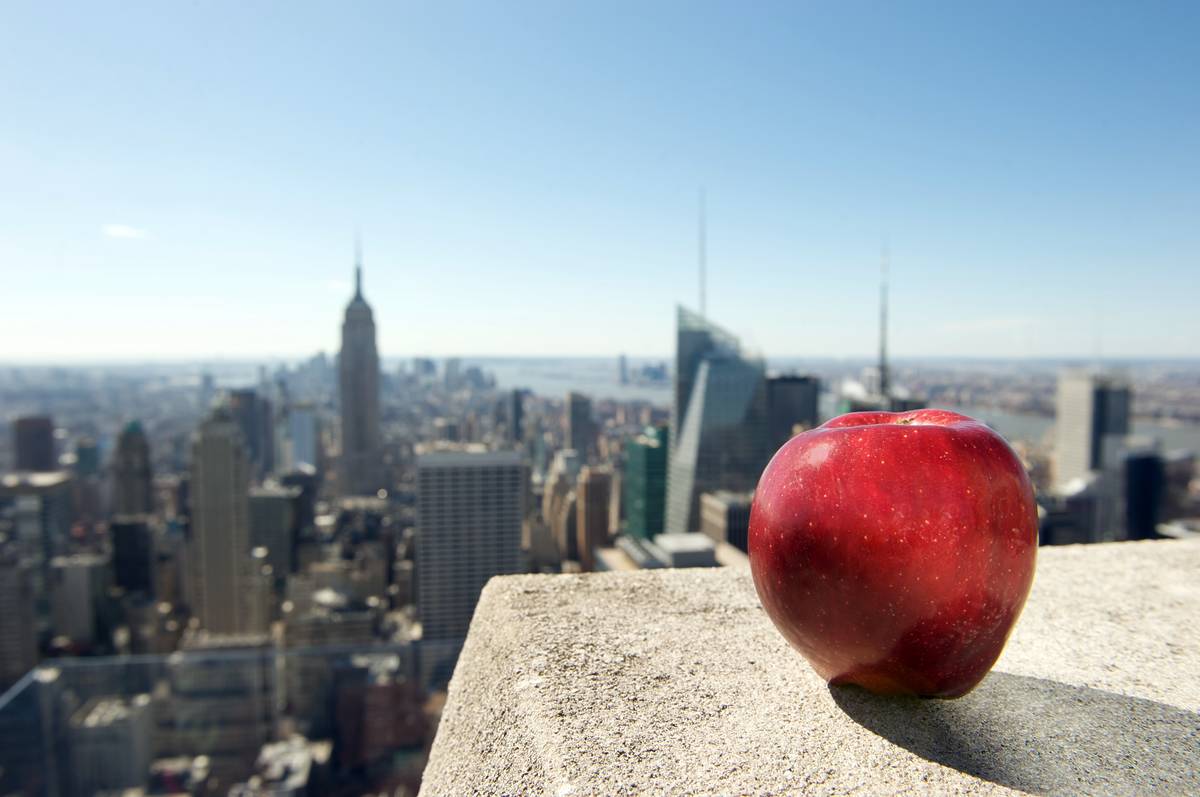
This symbolism is evident in every facet of life in New York City. From the towering skyscrapers that define its iconic skyline, like the Empire State Building, to the bustling financial district of Wall Street, and the dazzling lights of Times Square, the city exudes an aura of immense potential and boundless energy. It’s a place where cultures converge, where innovations are born, and where every corner seems to hold a new discovery for both residents and visitors.
The Global Metropolis and Its Lure
“The Big Apple” also evokes the sheer scale and global influence of New York City. It’s a city of superlatives: one of the largest economies, a major center for arts and culture, a leader in fashion, and a hub for international diplomacy. Its landmarks, from the majestic Brooklyn Bridge to the lush expanse of Central Park, are instantly recognizable worldwide, drawing millions of tourists annually.
The city’s diverse population, a melting pot of nationalities and cultures, contributes to its unique vibrancy. This diversity is reflected in its culinary scene, its neighborhoods, and its myriad activities, offering endless experiences for every type of traveler. Whether exploring local culture in historic districts, indulging in luxury travel experiences, or finding budget-friendly attractions, visitors to New York City are met with an overwhelming array of choices. The “Big Apple” is a testament to this grand scale, a city that offers a slice of everything to everyone, making it a compelling destination for tourism, accommodation, and lifestyle experiences.
Exploring the Enduring Appeal of New York’s Moniker
The nickname “The Big Apple” continues to resonate deeply, not just as a historical curiosity but as a living descriptor of New York City’s ongoing appeal. It encapsulates the city’s identity for those who live there and for the millions who dream of visiting.
A Beacon for Travelers and Dreamers
For travel enthusiasts, “The Big Apple” signifies a bucket-list destination. It’s a city where every street corner tells a story, every neighborhood offers a distinct vibe, and every landmark holds historical significance. From the world-class museums in Manhattan to the vibrant nightlife of Brooklyn, and the serene beauty of its parks, New York City provides an inexhaustible list of attractions and experiences. Whether one is searching for the perfect hotel, comparing unique accommodation options, or seeking expert guides to navigate its intricate landscape, the city lives up to its grand name.
The allure extends beyond mere sightseeing; it’s about the immersive experience of being in a city that constantly reinvents itself while preserving its rich history. The local culture, the diverse food scene, the endless array of activities – all contribute to the feeling that in New York City, anything is possible. It’s a place that inspires, challenges, and invigorates, making it an ideal destination for those seeking a dynamic lifestyle and unforgettable travel memories.
The Ever-Present Symbol of New York
Today, “The Big Apple” is more than just a nickname; it’s an emblem. It’s found on souvenirs, woven into promotional materials, and spoken with pride by residents. Its origin story, a captivating blend of sports jargon, jazz improvisation, and shrewd marketing, mirrors the eclectic and dynamic spirit of New York City itself. The nickname reminds us that even the most bustling and modern of cities can have a charming, almost folksy, beginning to its most famous epithets.
For those considering a trip to this magnificent city, knowing why it’s called “The Big Apple” deepens the experience. It highlights New York City’s enduring status as a place where ambitions flourish, where cultures collide in the most beautiful ways, and where every visit promises a bountiful harvest of memories. Whether you’re seeking a luxury resort or a cozy apartment for a long-term stay, New York City remains that singular, enticing “Big Apple” on the global tree of destinations, waiting to be explored and savored. Its history, culture, landmarks, and lifestyle offerings ensure that its appeal as “The Big Apple” will continue to thrive for generations to come.
LifeOutOfTheBox is a participant in the Amazon Services LLC Associates Program, an affiliate advertising program designed to provide a means for sites to earn advertising fees by advertising and linking to Amazon.com. Amazon, the Amazon logo, AmazonSupply, and the AmazonSupply logo are trademarks of Amazon.com, Inc. or its affiliates. As an Amazon Associate we earn affiliate commissions from qualifying purchases.