
For anyone planning a trip to or considering a move to Oregon, a state celebrated for its natural beauty and vibrant culture, a common question arises: Does Oregon have state tax? The answer is a nuanced one that significantly impacts both residents and visitors navigating travel, accommodation, and lifestyle choices. Oregon famously does not have a state sales tax, a unique advantage for shoppers and visitors. However, it does levy a progressive state income tax on its residents. This distinct financial landscape shapes the economic experience for everyone, influencing everything from daily purchases in Portland’s bustling markets to the overall cost of a long-term stay. Understanding these key tax differences is essential for anyone exploring the diverse destinations and experiences that the Beaver State has to offer, ensuring a well-planned and enjoyable journey.
Understanding Oregon’s Unique Tax Landscape
Oregon’s tax system is notably distinct within the United States, primarily due to its combination of a state income tax and the complete absence of a statewide sales tax. This unique model deeply affects both its residents and the millions of tourists who annually visit its renowned landmarks and attractions. For travelers, the lack of sales tax simplifies budgeting for goods and many services, allowing for more predictable spending. Conversely, residents primarily fund public services and infrastructure through the income tax, influencing the state’s economic development and overall lifestyle. This balance defines Oregon’s identity, fostering a consumer culture where the displayed price is typically the final price, enhancing the shopping experience across the state.
The Oregon Income Tax: What Travelers and Residents Need to Know
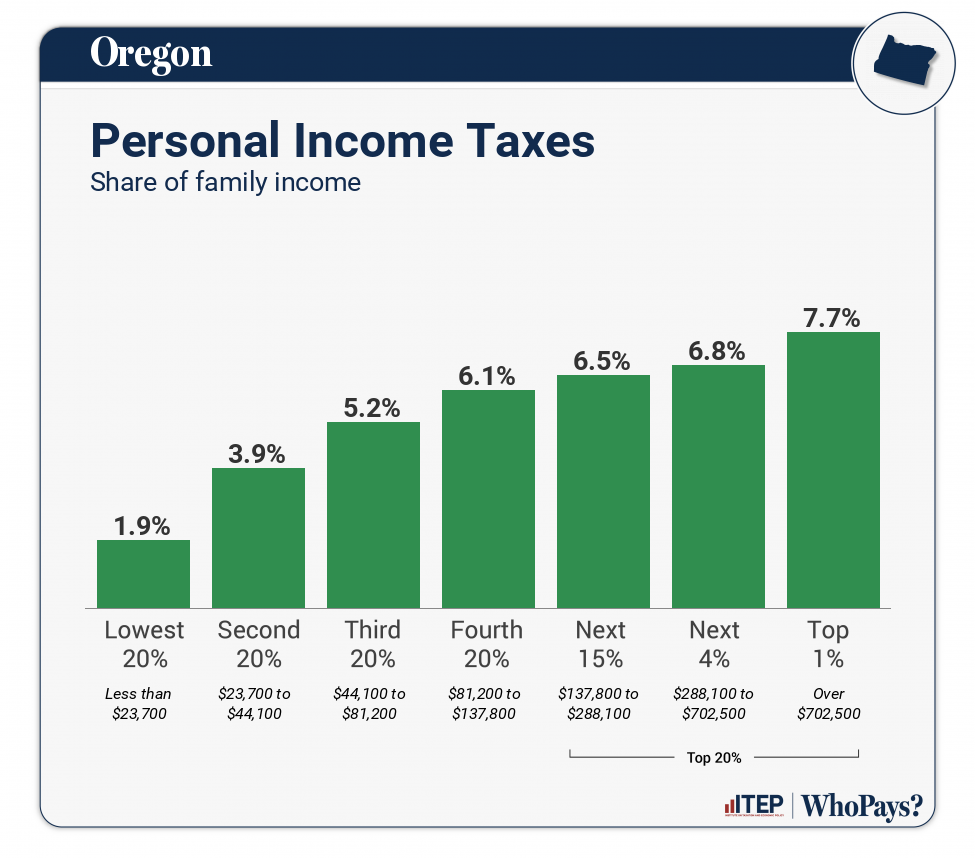
For permanent residents, the Oregon state income tax is a primary financial consideration. The state operates a progressive income tax system, meaning that higher earners pay a larger percentage of their income in taxes, with rates typically ranging from approximately 4.75% to 9.9%. This revenue funds crucial state services like education, healthcare, environmental conservation, and infrastructure maintenance. While current tax brackets are best verified through the Oregon Department of Revenue, understanding its existence is vital for anyone considering a move or an extended stay.
For short-term travelers, the direct impact of Oregon’s income tax is usually minimal unless they earn income within the state. For example, a remote worker on an extended stay in a Portland apartment or a resort in Bend might face tax implications if their stay constitutes a taxable presence. Individuals earning income from Oregon-based sources, such as freelance work for a local company, would also be subject to this tax regardless of their permanent residency. This is a key point for digital nomads and those embracing a hybrid work-and-travel lifestyle. Consulting a tax professional is advisable for specific situations involving longer stays or work within the state.

The Absence of Sales Tax: A Boon for Shoppers and Visitors
The most celebrated feature of Oregon’s tax structure, particularly for tourism and retail, is the complete absence of a statewide sales tax. This means that for most goods and services purchased, the price displayed is precisely what you pay, with no additional percentages at checkout. This policy positions Oregon as a prime shopping destination, attracting visitors from neighboring states like Washington and California specifically for tax-free retail therapy.
The benefits extend beyond consumer goods. Dining out, whether at a renowned restaurant in Portland’s Pearl District, a casual cafe in Eugene, or a diverse food cart, is also sales tax-free. This can lead to considerable savings over a trip, allowing travelers to indulge more in Oregon’s acclaimed farm-to-table cuisine and vibrant craft beverage scene. From souvenirs and local artisanal products to clothing and electronics, the tax-free environment significantly enhances the visitor experience and supports local businesses by boosting purchasing power. This policy is a significant driver for tourism, solidifying Oregon’s reputation as a shopper’s paradise.
Tax Implications for Travel and Accommodation in Oregon
While the lack of a sales tax is a major draw for visitors, it’s crucial to understand that not all aspects of travel in Oregon are entirely free of tax. The accommodation sector, in particular, is subject to various lodging taxes, which are distinct from sales tax and are standard practice in many destinations. These taxes are typically levied by local municipalities and the state to generate revenue for tourism promotion, infrastructure development, and local services. Understanding these lodging taxes is vital for accurate budgeting, whether you’re booking a luxurious suite in a Portland hotel or a cozy villa on the Oregon Coast. These rates can vary significantly by city or county, adding a layer of complexity to financial planning.
Hotel and Lodging Taxes: Navigating Your Stay
When booking accommodation in Oregon, travelers will encounter transient lodging taxes. These apply to short-term stays in hotels, motels, vacation rentals, resorts, and some apartment rentals. Calculated as a percentage of the room rate, this tax is added to your bill. The rate combines a statewide lodging tax with local city or county taxes, which can differ.
For instance, Portland has a combined lodging tax that helps fund its extensive public transit system, convention center, and tourism promotion. This means your stay at a prominent hotel like The Nines, a Luxury Collection Hotel or The Heathman Hotel will include these taxes. Similarly, popular destinations like Bend, known for its outdoor adventures, or coastal towns such as Cannon Beach and Astoria, also impose lodging taxes. These revenues are often reinvested into local attractions and amenities, enhancing the overall visitor experience. When comparing accommodation options, always check the “total price” breakdown to understand the exact lodging taxes, ensuring accurate financial planning for your Oregon adventure.

Exploring Oregon’s Attractions and Experiences Tax-Free (Mostly)
The sales tax-free environment significantly enhances the enjoyment of many Oregon attractions and experiences. When visiting museums like the Oregon Museum of Science and Industry (OMSI)) in Portland, attending a concert, or enjoying a local festival, the ticket price displayed is generally the final price. This applies to most recreational activities, guided tours, and entrance fees for privately operated attractions, simplifying budgeting for families and individuals.
However, the “mostly” caveat is important. While there’s no sales tax on tickets or goods, certain specific fees or permits may apply. For example, entrance fees to federal parks like Crater Lake National Park are federal fees, not state taxes. State parks, while largely free for day use, may require a parking permit or a day-use fee in some popular areas. These are user fees rather than consumption taxes and are typically clearly communicated. Additionally, activities like fishing or hunting require specific licenses or permits, which also come with associated fees. Despite these minor exceptions, the overarching benefit of the no-sales-tax policy means that a significant portion of your travel budget, especially for dining, shopping, and many paid activities, goes further in Oregon.
Oregon Beyond Taxes: A Lifestyle and Tourism Haven
Beyond its unique tax structure, Oregon stands out as a premier destination for both tourism and lifestyle, offering an unparalleled blend of natural beauty, urban sophistication, and a distinctive cultural ethos. The state’s commitment to environmental preservation and its innovative spirit create an ideal environment for exploration and enjoyment. From the rugged beauty of the Pacific Coast to the majestic peaks of the Cascade Mountains, and from the vibrant arts scene of Portland to the serene vineyards of the Willamette Valley, Oregon caters to a diverse range of interests. This rich tapestry of experiences truly defines the Oregon appeal, making it a compelling choice for memorable adventures and for individuals contemplating a new place to call home. Whether drawn to luxury travel or budget travel, Oregon offers compelling reasons to visit or relocate.
Destinations and Landmarks to Explore
Oregon is a treasure trove of iconic destinations and landmarks, each offering distinct experiences:
- Portland: The state’s largest city, a hub of culture, cuisine, and quirky charm. Known for its food cart scene, craft breweries, independent bookstores like Powell’s City of Books, and lush urban parks such as the International Rose Test Garden and Washington Park. Tax-free shopping in areas like the Pearl District or Hawthorne District adds to its appeal.
- Oregon Coast: A spectacular 360-mile expanse of rugged cliffs, sandy beaches, and charming coastal towns. Cannon Beach, with its iconic Haystack Rock, is a must-visit. Other highlights include the historic Astoria Column in Astoria and sea lion caves near Florence. Beachcombing and whale watching are popular tax-free activities.
- Crater Lake National Park: In Southern Oregon, this National Park features the deepest lake in the U.S., famed for its pristine blue water and dramatic caldera. It offers breathtaking views and hiking trails.
- Columbia River Gorge: A magnificent canyon carved by the Columbia River, home to dozens of stunning waterfalls, including Multnomah Falls. Hiking and scenic drives are popular here, without sales tax on local purchases.
- Willamette Valley: Oregon’s wine country, known globally for its Pinot Noir. The valley boasts picturesque vineyards and charming towns like McMinnville.
- Bend and Central Oregon: A mecca for outdoor enthusiasts, Bend offers access to skiing at Mount Bachelor, hiking in the Deschutes National Forest, and whitewater rafting on the Deschutes River. Its vibrant craft beer scene and nature-focused lifestyle make it a top destination.
These destinations, among others, showcase Oregon’s immense appeal, where the distinct tax system contributes to a unique economic environment supporting both local businesses and an enjoyable visitor experience.
Accommodation Choices: From Luxury Resorts to Budget-Friendly Stays
Oregon offers a diverse range of accommodation options to suit every traveler’s preference and budget. From opulent luxury resorts to charming boutique hotels and rustic campgrounds, the choices are abundant. While subject to local lodging taxes, the overall value remains strong, especially given the lack of sales tax on goods and services acquired during your trip.
For indulgent escapes, Oregon features several high-end resorts and hotels with exceptional amenities. In Portland, establishments like The Nines, a Luxury Collection Hotel, or The Heathman Hotel offer sophisticated urban retreats. Along the Oregon Coast, Stephanie Inn in Cannon Beach provides breathtaking ocean views. In Central Oregon, Sunriver Resort near Bend is a prime example of a full-service resort for families and outdoor enthusiasts, perfect for business stays or a luxury travel lifestyle.
For budget-friendly stays, Oregon also excels. Numerous motels, independent hotels, and charming bed & breakfasts are found statewide. Vacation rentals, including apartments and villas, offer flexible and often economical options, especially for family trips or longer stays. Oregon’s extensive network of state parks and national forests provides excellent camping facilities for minimal cost. Hostels in urban centers like Portland cater to backpackers, fostering a vibrant community experience. When booking, it’s wise to compare prices and read reviews, checking the final cost including all taxes and fees to ensure a well-planned Oregon experience.
Conclusion
In conclusion, the question “Does Oregon have state tax?” reveals the state’s unique fiscal identity. Yes, Oregon imposes a progressive state income tax on its residents to fund public services. However, it famously distinguishes itself by not having a statewide sales tax, a significant advantage for consumers and a strong draw for tourism. This absence of sales tax creates tangible benefits for travelers enjoying Oregon’s acclaimed culinary scene, shopping for local crafts, or purchasing outdoor gear for adventures in its magnificent natural landscapes.
While sales tax freedom makes many purchases straightforward and cost-effective, visitors should remember that lodging taxes apply to hotel and vacation rental stays. These local and state-level transient occupancy taxes contribute to local tourism initiatives, with rates varying by location. Nevertheless, whether planning a luxury travel escape or a budget-friendly stay in Oregon’s vast wilderness, the overall tax structure is generally favorable for visitors.
Ultimately, Oregon’s allure extends far beyond its tax policies. It is a destination promising diverse experiences, from the vibrant urban pulse of Portland to the serene beauty of Crater Lake National Park and the dramatic vistas of the Oregon Coast. For those considering a trip, or even a new lifestyle in the Pacific Northwest, Oregon offers a unique blend of natural wonders, cultural richness, and an inviting economic environment that enhances every journey. By understanding these tax nuances, travelers and prospective residents can fully appreciate and enjoy all that the Beaver State has to offer, making informed decisions about their travel, accommodation, and lifestyle choices.
LifeOutOfTheBox is a participant in the Amazon Services LLC Associates Program, an affiliate advertising program designed to provide a means for sites to earn advertising fees by advertising and linking to Amazon.com. Amazon, the Amazon logo, AmazonSupply, and the AmazonSupply logo are trademarks of Amazon.com, Inc. or its affiliates. As an Amazon Associate we earn affiliate commissions from qualifying purchases.