
There’s a quiet thrill that accompanies the pronunciation of a place name correctly, especially when that place holds a special mystique and charm. For travelers setting their sights on the Pacific Northwest of the United States, the question often arises: “How do you pronounce Oregon?” It’s more than just a linguistic curiosity; getting it right is a subtle nod of respect to the region’s unique identity and the warm, welcoming spirit of its inhabitants. Far from being a mere tongue-twister, mastering the pronunciation of the Beaver State’s name can be the first step in truly immersing yourself in its vibrant local culture, unlocking richer travel experiences, and connecting authentically with the destinations you explore.
This isn’t just about sounding like a local; it’s about signaling an openness to experience Oregon on its own terms. From the dramatic coastline to the majestic mountains, the bustling cities to the tranquil high deserts, Oregon offers an unparalleled tapestry of landscapes and experiences. Whether you’re planning a luxury travel escape to a vineyard estate, a budget travel adventure exploring rugged trails, or a family trip seeking coastal wonders, understanding the nuances of this remarkable state begins with its very name.
Unlocking the Mystery: The Correct Pronunciation of Oregon
For many, the pronunciation of Oregon can be surprisingly elusive. Is it “OR-uh-GONE”? “OR-ee-gun”? Or perhaps “OR-uh-gawn”? The confusion is understandable, especially for those encountering the name for the first time. However, learning the correct pronunciation is a straightforward process that will immediately enhance your confidence and interaction upon arrival.
The Sound of Home: “OR-uh-gun” Explained
The definitive and universally accepted pronunciation among Oregonians is “OR-uh-gun.” Let’s break it down:
- OR: Like the “or” in “orange” or “for.” The emphasis is on this first syllable.
- uh: A very soft, almost unpronounced “uh” sound, similar to the “a” in “sofa.”
- gun: Like the weapon “gun,” but spoken quickly and lightly, not drawn out.
So, when you put it all together, it flows as “OR-uh-gun.” The key is to avoid accentuating the final syllable, which is a common mistake that leads to “OR-uh-GONE.” This subtle difference is what distinguishes a visitor who has done their homework from one who is still learning the ropes. Practicing it a few times aloud – “OR-uh-gun, OR-uh-gun” – will help solidify it in your mind and prepare you for your journey.
A Whisper from the Past: Etymology and Historical Echoes
The exact origin of the name Oregon is shrouded in a bit of historical mystery and scholarly debate, adding to its intrigue. While various theories exist, ranging from a corruption of French Canadian trappers’ terms for certain rivers to Native American words, one prominent theory points to a 1765 proposal by Major Robert Rogers for an expedition to find a Northwest Passage. In his petition, he used the name “Ouragon” or “Ourigan” to refer to a hypothetical great river in the west. This name likely found its way into maps and journals, evolving over time.
Another compelling theory suggests a connection to the Oregon River, a historical name for the Columbia River. It’s believed that the pronunciation, particularly the short “u” sound, may have been influenced by early explorers and settlers adapting Indigenous or European spellings into a more familiar English cadence. Regardless of its precise etymology, the current pronunciation has been firmly established for generations, becoming a distinct part of the state’s identity. Understanding this historical backdrop not only enriches your knowledge but also connects you to the deep narratives embedded within the very name of the place you are visiting.
Why Your Pronunciation Matters: Connecting with Oregon’s Heart
While a mispronunciation is rarely met with anything but good-natured correction, getting the name right reflects an eagerness to engage respectfully with a place and its people. It demonstrates that you’ve taken the time to learn, signaling a genuine interest that can open doors to richer interactions.
Bridging Gaps: Enhancing Your Travel Experiences
Imagine asking for directions to Crater Lake National Park or seeking recommendations for the best Tillamook cheese when you’re touring the coast. When you confidently say “OR-uh-gun” as the context for your query, locals immediately perceive you as someone who is attentive and genuinely interested in their home state. This simple act can subtly shift the dynamic of your interactions, making people more inclined to share insider tips, local stories, and genuine recommendations that you might not find in a typical travel guide. It’s about building a rapport, however brief, that enhances the spontaneity and authenticity of your journey.
Furthermore, correct pronunciation can prevent minor misunderstandings. While context often clarifies intentions, clear communication is always beneficial, especially when navigating unfamiliar territories or discussing specific destinations within the state. From booking accommodation at a resort in Bend to inquiring about a wine tasting in the Willamette Valley, speaking the local language, even if it’s just the state’s name, fosters a smoother and more enjoyable experience.

Embracing Local Culture: More Than Just Words
Oregon boasts a distinct and proudly independent spirit, often characterized by a love for nature, sustainability, craft culture, and a unique blend of laid-back charm and progressive thinking. When you pronounce the state’s name correctly, you’re not just speaking a word; you’re acknowledging a piece of that collective identity. It’s a small but significant gesture that shows you’re not just passing through, but are attempting to understand and appreciate the nuances of what makes Oregon unique.
This respect for local culture extends beyond mere pronunciation. It encompasses trying local food, participating in unique activities like exploring microbreweries in Portland or whale watching off Depoe Bay, and engaging with the community. By taking the time to learn this basic linguistic courtesy, you set the stage for a more profound and memorable connection with Oregon, transforming your trip from a mere visit into an immersive adventure.
Journey Beyond the Name: Exploring Oregon’s Diverse Landscapes
Once you’ve mastered the pronunciation, the true adventure of Oregon unfolds. This state is a microcosm of natural wonders and vibrant urban centers, offering an astounding array of destinations and attractions that cater to every type of traveler.
Coastal Charms and Ocean Rhythms
Oregon’s coastline is legendary, a rugged expanse of dramatic cliffs, expansive sandy beaches, and iconic sea stacks. Heading to Cannon Beach to witness the grandeur of Haystack Rock is a quintessential experience, often accompanied by bald eagles soaring overhead and tide pools teeming with life. Further north, the historic town of Astoria, perched at the mouth of the Columbia River, offers maritime history, Victorian architecture, and stunning river views. Southward, Newport beckons with its vibrant bayfront, world-class aquarium, and fresh seafood shacks.
The coastal route is ideal for family trips, with plenty of opportunities for beachcombing, kite flying, and exploring charming seaside towns. Accommodation options range from cozy bed and breakfasts to well-appointed resorts offering ocean views, making it easy to find a long-term stay or a quick weekend getaway.
Urban Vibrancy and Vineyard Serenity
No visit to Oregon is complete without experiencing Portland, the state’s largest city. Known for its eclectic vibe, thriving food truck scene, craft breweries, and independent boutiques, Portland is a hub of creativity and innovation. Explore Powell’s City of Books, wander through the fragrant International Rose Test Garden, or simply soak in the atmosphere at Pioneer Courthouse Square. Portland caters to all lifestyles, from budget travelers enjoying street food to those seeking luxury hotels like The Nines, a Luxury Collection Hotel, offering sophisticated amenities and prime downtown locations for business stays.
Just a short drive southwest of Portland lies the verdant Willamette Valley, Oregon’s acclaimed wine country. Home to hundreds of wineries, particularly renowned for its Pinot Noir, the valley offers picturesque landscapes perfect for wine tasting tours. Consider a stay at a luxurious boutique hotel or a charming vineyard villa like The Allison Inn & Spa for a serene escape.
Mountain Majesty and High Desert Wonders
Venture inland, and the landscape transforms dramatically. Central Oregon, centered around the city of Bend, is an outdoor enthusiast’s paradise. Surrounded by the majestic Cascade Mountains and the Deschutes National Forest, Bend offers year-round activities including hiking, mountain biking, skiing on Mount Bachelor, and rafting on the Deschutes River. Nearby, the otherworldly formations of Smith Rock State Park draw rock climbers and hikers alike, while the vibrant hues of the Painted Hills in Eastern Oregon offer a geological spectacle.
Southern Oregon is home to the pristine, deep blue waters of Crater Lake National Park, formed by a collapsed volcano. It’s a breathtaking landmark offering stunning views and opportunities for scenic drives and hiking. The cultural hub of Ashland, famous for the Oregon Shakespeare Festival, provides a rich experience of arts and history, nestled alongside the Rogue River. Eastern Oregon, with its vast open spaces, the rugged Wallowa Mountains, and the formidable Hells Canyon, offers a truly wild frontier experience for those seeking remote beauty and adventure.
Crafting Your Oregon Experience: Accommodation and Lifestyle
Oregon’s diverse geography and attractions mean there’s an accommodation style and travel philosophy to match every preference and budget. Whether you’re seeking opulent luxury or rugged simplicity, the state delivers.
Finding Your Perfect Stay: From Boutique Hotels to Rustic Retreats
From the chic boutique hotels in Portland to the rustic cabins near Mount Hood, Oregon offers an impressive array of hotels, suites, resorts, apartments, and villas. When considering your stay, think about the amenities that are most important to you: perhaps a spa retreat in wine country, a family-friendly hotel with a pool near the coast, or an eco-lodge deep in the forests. Platforms for booking accommodation, reviews, and comparison tools are invaluable for finding the perfect match for your itinerary.
Many travelers opt for unique stays that reflect Oregon’s character, such as glamping sites along the Columbia River Gorge or quaint bed and breakfasts in historic towns like Ashland. For those planning an extended visit, long-term stay apartments or furnished homes provide a comfortable base for deeper exploration.
Tailoring Your Adventure: Luxury, Budget, and Family Travel
Oregon accommodates a spectrum of lifestyles. Luxury travelers can indulge in gourmet dining experiences in Portland’s upscale restaurants, stay in five-star resorts in the Willamette Valley, or charter private fishing expeditions on the Rogue River. For those on a budget travel plan, free outdoor attractions abound, from hiking trails and scenic drives to public beaches. Hostels, campgrounds, and affordable motels provide economical lodging, allowing more funds for experiencing local food and unique activities.
Family trips thrive in Oregon, with countless kid-friendly destinations like the Oregon Coast Aquarium in Newport, the Oregon Zoo in Portland, and endless opportunities for outdoor play. Even business stays can be enhanced by Oregon’s natural beauty, with many hotels offering excellent facilities for conferences and events, often within reach of breathtaking scenery. The state’s commitment to diverse experiences ensures that every visitor can find their niche and craft an unforgettable journey.
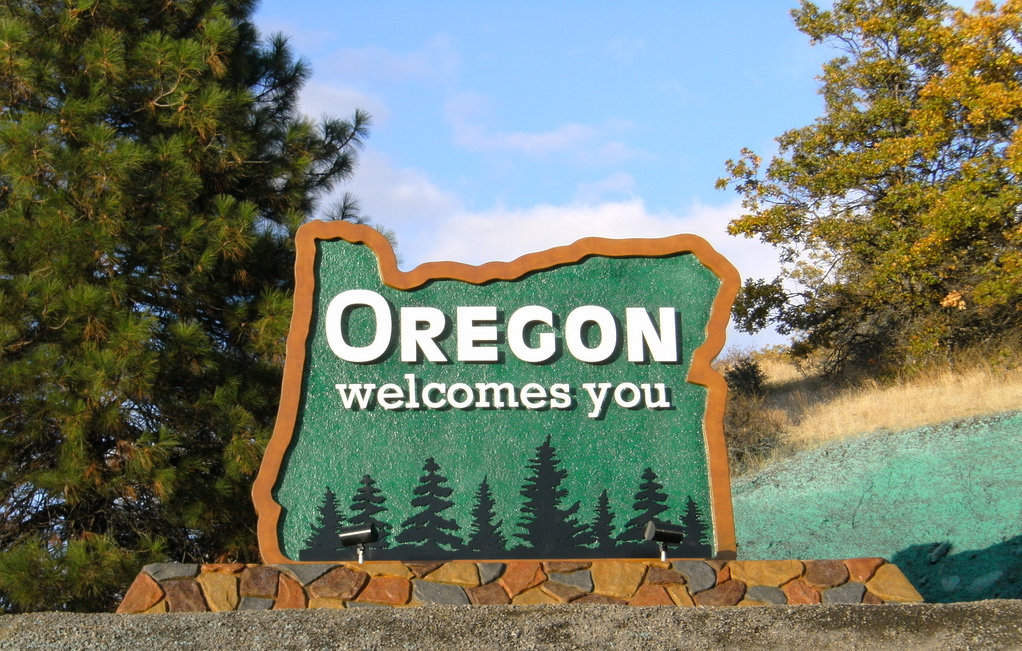
Your Guide to a Seamless Oregon Adventure
Planning your Oregon adventure goes beyond just booking flights and choosing hotels. It involves delving into tourism guides to discover hidden gems, researching local culture, and familiarizing yourself with practical tips.
Beyond mastering “OR-uh-gun,” consider the best time to visit for your preferred activities – summers are ideal for hiking and coastal exploration, while spring and fall bring fewer crowds and vibrant landscapes. Pack layers, as Oregon’s weather can be famously unpredictable, even within a single day. Embrace the state’s laid-back etiquette, respect its commitment to environmental stewardship, and be ready to explore with an open mind.
Ultimately, knowing how to pronounce Oregon correctly is a small but powerful key that unlocks a deeper, more authentic connection to this incredible state. It’s a sign of respect, a conversation starter, and an invitation to experience all the wonders, from its rugged coasts to its towering mountains, its vibrant cities to its serene vineyards. So, as you plan your trip, say it aloud a few times: “OR-uh-gun.” You’re not just pronouncing a name; you’re stepping into an adventure.
LifeOutOfTheBox is a participant in the Amazon Services LLC Associates Program, an affiliate advertising program designed to provide a means for sites to earn advertising fees by advertising and linking to Amazon.com. Amazon, the Amazon logo, AmazonSupply, and the AmazonSupply logo are trademarks of Amazon.com, Inc. or its affiliates. As an Amazon Associate we earn affiliate commissions from qualifying purchases.