
Arizona, often dubbed the Grand Canyon State, is a land of breathtaking contrasts, where towering saguaros meet pine-clad mountains and vibrant desert cities buzz alongside tranquil oases. For any traveler planning a visit, understanding the temperature in Arizona isn’t just a matter of checking a weather app; it’s fundamental to crafting an unforgettable experience. The state’s diverse topography, ranging from scorching desert floors to snow-capped peaks, creates a spectrum of microclimates that profoundly impact everything from ideal travel times and recommended activities to accommodation choices and even local culture.
Forget the one-size-fits-all notion of weather; Arizona offers a unique climatic tapestry. The temperature here isn’t a static number but a dynamic force that shapes the landscape, wildlife, and human experience. Whether you’re seeking a winter escape from colder climes, an adventurous summer trek, or a mild shoulder-season exploration, knowing what to expect from the mercury is key to unlocking Arizona’s magic. From the bustling streets of Phoenix to the serene beauty of the Grand Canyon, let’s dive into the fascinating world of Arizona’s temperatures and how they can define your next adventure.
Arizona’s Diverse Climate Zones: A State of Extremes and Elevations
Arizona’s vast geographical expanse is the primary driver of its varied temperatures. The state encompasses three main climate zones, each offering a distinct experience shaped by elevation and natural features. Understanding these zones is the first step in comprehending what temperature means in Arizona.
The Searing Sonoran Desert: Where Heat Reigns Supreme
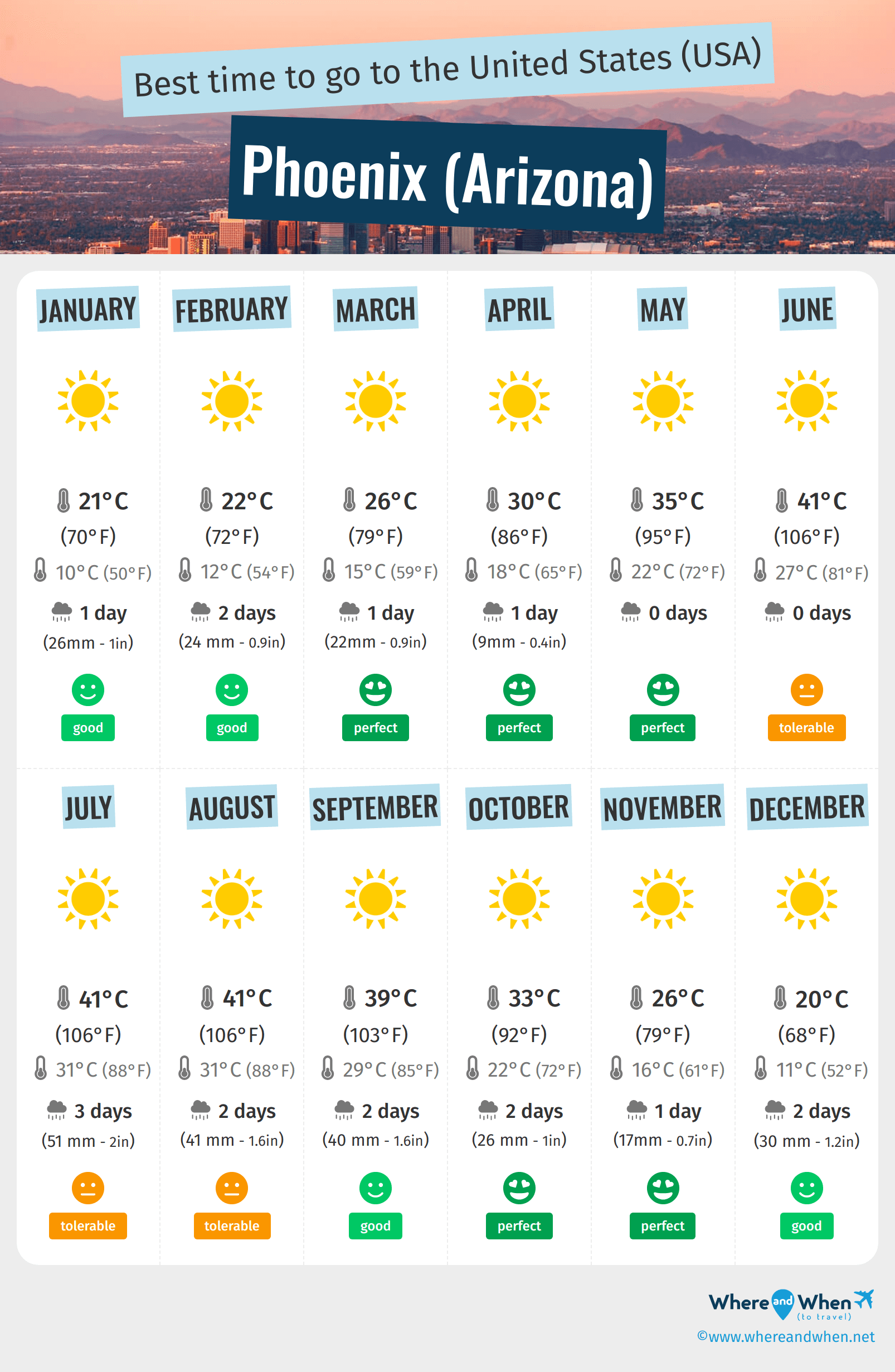
The low-lying regions of Southern Arizona and central Arizona, dominated by the Sonoran Desert, are renowned for their intense heat, especially during the summer months. Cities like Phoenix, Tucson, Mesa, Chandler, Glendale, and Yuma exemplify this climate. From June to September, daily high temperatures frequently soar above 100°F (38°C), often reaching 110°F (43°C) or even higher. Nights offer some reprieve, with temperatures dropping into the 70s or 80s°F (20s°C), making for warm evenings perfect for poolside relaxation at resorts like the JW Marriott Desert Ridge Resort & Spa in Phoenix.
During the winter, however, this desert landscape transforms into a true paradise. From November to March, temperatures are wonderfully mild, with daytime highs typically ranging from 60°F to 75°F (15°C to 24°C). Nights are cool, often dipping into the 40s°F (4-9°C). This makes the winter season the peak time for tourism in the desert, perfect for enjoying outdoor activities and exploring attractions such as Saguaro National Park or the Arizona-Sonora Desert Museum near Tucson.
High-Altitude Coolness: Northern Arizona’s Mountainous Retreats
As you ascend into Northern Arizona, the temperature profile shifts dramatically. The higher elevations, characterized by pine forests, mountains, and plateaus like the Mogollon Rim, offer a stark contrast to the desert’s heat. Cities such as Flagstaff, Prescott, and the renowned red rock country of Sedona experience four distinct seasons, including significant snowfall in winter.
Summer in Northern Arizona is delightfully pleasant, with daytime temperatures rarely exceeding 80°F (27°C) and nights that can be quite cool, often in the 50s°F (10-15°C). This makes it a popular escape for desert dwellers and a prime destination for hiking the Red Rocks of Sedona or exploring the Grand Canyon. Winter, on the other hand, brings cold temperatures and heavy snow, especially in Flagstaff which sits at over 7,000 feet near the San Francisco Peaks. Temperatures often stay below freezing, creating ideal conditions for winter sports and cozy lodge stays.

Transition Zones and Oasis Cities: The Best of Both Worlds
Between the extreme desert heat and the cool northern mountains lie fascinating transition zones. These areas, like Page near Lake Powell or Lake Havasu City along the Colorado River, often present a blend of desert intensity with moderating factors like large bodies of water. Page can be very hot in summer, similar to Phoenix, but its proximity to water allows for water-based activities like boating and kayaking, making the heat more bearable while visiting famous sites like Antelope Canyon.
These zones can still experience significant seasonal variations but generally offer a slightly more tempered climate than the core Sonoran Desert, particularly during the shoulder seasons. They provide unique opportunities for travel, balancing intense natural beauty with varied climatic conditions.
Seasonal Temperature Variations: Planning Your Arizona Getaway
Understanding the nuances of Arizona’s seasonal temperatures is crucial for planning your ideal trip, ensuring you pack appropriately and schedule activities for maximum enjoyment.
Scorching Summers: Desert Delights and Mountain Escapes
Summer in Arizona (June-September) is defined by intense heat, particularly in the desert regions. While many shy away from the desert during these months, savvy travelers can still find plenty to enjoy. Early morning hikes on trails like Camelback Mountain in Scottsdale or poolside relaxation are staples. Many luxury resorts, like The Ritz-Carlton, Dove Mountain, offer “staycation” deals and lavish amenities like multiple pools and spa treatments to beat the heat.
For those truly seeking refuge, the northern parts of the state become prime destinations. Flagstaff, Prescott, and the Grand Canyon offer a cool respite, with daytime temperatures often 20-30 degrees cooler than Phoenix. This makes summer an excellent time for camping, hiking, and exploring the pine forests of Northern Arizona or taking scenic drives through Oak Creek Canyon.
Mild Winters: The Perfect Time for Exploration
Arizona’s winters (November-March) are a dream for those escaping colder climates, especially in the low desert. With comfortable daytime temperatures, often in the 60s and 70s°F (15-24°C), the desert comes alive with outdoor enthusiasts. This is the peak season for hiking, golfing, cycling, and exploring outdoor attractions without the oppressive heat. Events and festivals abound in cities like Phoenix and Scottsdale, making it a vibrant time for tourism. Accommodation prices, especially for resorts and long-term stays, can be higher due to demand.
Meanwhile, Northern Arizona embraces a true winter wonderland. Ski resorts near Flagstaff are in full swing, and areas like Monument Valley take on a serene, snow-dusted beauty. While road conditions might require careful planning, the winter landscapes are breathtaking.
Pleasant Springs and Autumns: Shoulder Season Charms
Spring (April-May) and Autumn (October) are often considered the sweet spots for visiting Arizona, offering a balance of pleasant temperatures across most of the state. In the desert, spring sees comfortable temperatures ranging from the 70s to 90s°F (21-32°C), perfect for exploring while enjoying the vibrant desert wildflowers. Fall brings a similar climate, with warm days and crisp nights, ideal for outdoor activities.
These shoulder seasons offer the advantage of generally milder weather statewide, fewer crowds than peak winter, and potentially better deals on hotels and flights. It’s an excellent time to experience the diversity of Arizona, perhaps combining a desert hike with a visit to the Grand Canyon or a scenic drive through Sedona to witness the stunning fall foliage.
Temperature’s Impact on Arizona Travel & Activities
The prevailing temperature dictates the feasibility and enjoyment of many popular Arizona activities. Smart travelers align their itinerary with the climate to make the most of their visit.
Outdoor Adventures: Hiking, Biking, and Rafting
Arizona is an outdoor adventurer’s paradise, but timing is everything. In the desert, hiking trails are best enjoyed from fall through spring. Popular destinations like South Mountain Park in Phoenix or trails within the Sonoran Desert are best tackled in the early mornings or late afternoons during these cooler months. Cycling, rock climbing, and even hot air balloon rides thrive in the mild winter.
Come summer, the focus shifts north. Whitewater rafting on the Colorado River through the Grand Canyon, kayaking in Lake Powell, or exploring the lush trails around Flagstaff become the prime adventures. The cool waters of Havasu Falls also offer a refreshing escape for those able to secure permits. Even in the desert, early morning guided excursions or indoor climbing gyms provide options.
Exploring Urban Centers and Cultural Hotspots
Cities like Phoenix, Tucson, and Scottsdale offer a wealth of cultural experiences, museums, galleries, and culinary delights. During the hot summer months, visitors can comfortably explore world-class institutions like the Musical Instrument Museum in Phoenix or the Pima Air & Space Museum in Tucson, as these are fully air-conditioned havens. Indoor shopping at places like Scottsdale Fashion Square and dining at acclaimed restaurants are also popular ways to enjoy the urban landscape regardless of the temperature outside.
In the cooler seasons, walking tours of historic districts, outdoor art festivals, and al fresco dining become much more appealing. The mild temperatures of winter and spring are ideal for exploring downtown Phoenix’s Roosevelt Row Arts District or wandering through Old Town Scottsdale.
Wildlife Viewing and Natural Wonders
Arizona’s diverse ecosystems support an incredible array of wildlife, but their activity patterns are heavily influenced by temperature. Cooler mornings and evenings in the desert are the best times to spot creatures like roadrunners, javelina, and various bird species. Many desert animals are nocturnal to avoid the intense daytime heat.
Conversely, in the cooler northern regions, wildlife viewing is often more consistent throughout the day, especially during the pleasant spring and fall months. Observing elk in the forests near Flagstaff or bighorn sheep near the Hoover Dam offers a different kind of natural encounter, less dictated by the need to escape extreme temperatures. Even iconic natural landmarks like Petrified Forest National Park or the otherworldly landscapes of Monument Valley are most comfortably explored when temperatures are moderate.

Choosing Your Arizona Accommodation Wisely
Your choice of accommodation in Arizona should be heavily influenced by the season and the expected temperatures, ensuring comfort and enhancing your overall travel experience.
Resorts with Refreshing Pools and Spas
During the hot summer months in the desert, access to a refreshing pool is non-negotiable. Many Arizona resorts are designed with expansive pool areas, lazy rivers, and splash pads, turning them into aquatic playgrounds. Properties like Hotel Valley Ho in Scottsdale or The Phoenician, a Luxury Collection Resort, Scottsdale offer stunning pool complexes that become the focal point of the summer experience. Booking a stay at such a resort transforms the heat from a deterrent into an opportunity for relaxation and rejuvenation.
Even in cooler months, heated pools and hot tubs are popular amenities, allowing guests to enjoy water features year-round. Spas, offering cool retreats and therapeutic treatments, are also a luxurious way to unwind regardless of the temperature outside.
Air-Conditioned Comforts: A Must-Have
While it might seem obvious, robust air conditioning is absolutely essential for any accommodation in Arizona’s desert regions, especially from late spring through early fall. Whether you opt for a budget-friendly motel, a spacious apartment, or a luxury villa, ensure the air conditioning system is reliable and effective. Hotels often boast climate-controlled common areas, allowing guests to escape the heat indoors. For long-term stays or family trips, choosing accommodations with central air is a priority for comfortable living.
In the cooler northern regions, while air conditioning might not be as critical, heating becomes important in winter. Cozy cabins, resorts with fireplaces, and hotels with robust heating systems ensure comfort after a day of exploring snowy landscapes or chilly mountain air, such as those found at Enchantment Resort in Sedona.
Budget-Friendly Stays vs. Luxury Retreats
Temperature can also influence the cost of accommodation. During the peak winter season in the desert, hotels and resorts often command premium prices due to high demand. Conversely, summer in the desert can offer significant discounts on luxury properties, making a high-end experience more accessible for budget-conscious travelers willing to embrace the heat and focus on indoor or early morning/late evening activities.
Booking in the shoulder seasons (spring and fall) can often provide a sweet spot, offering pleasant temperatures and potentially more moderate accommodation rates. Always compare options and consider what amenities are most important for your comfort given the expected temperatures and your travel style, whether it’s a family trip prioritizing pool access or a business stay needing reliable indoor climate control.
Navigating Arizona’s Heat: Tips for a Comfortable Trip
For those venturing into Arizona’s hotter regions, especially during summer, a few key strategies can make all the difference for a comfortable and safe trip.
Hydration and Sun Protection
Staying hydrated is paramount in Arizona’s dry climate, regardless of the season, but especially so during warmer months. Drink plenty of water throughout the day, even if you don’t feel thirsty. Electrolyte-rich drinks can also be beneficial. Always carry a water bottle, especially when exploring outdoors.
Sun protection is equally vital. The desert sun is intense, with high UV index readings. Wear a wide-brimmed hat, sunglasses, and apply broad-spectrum sunscreen liberally, reapplying every two hours. Lightweight, long-sleeved clothing with UPF protection can also help prevent sunburn and keep you cooler by wicking away sweat.
Timing Your Activities
During the hotter times of the year, adapting your schedule to the temperature is a smart move. Plan outdoor activities, such as hiking, golfing, or exploring attractions like Taliesin West, for the early morning hours (before 9 AM) or late afternoon/early evening. Many desert parks and trails advise against mid-day hiking in summer. Use the hottest parts of the day for indoor pursuits, such as visiting museums, shopping, enjoying a spa treatment, or relaxing by the pool in the shade.
For road trips, ensure your vehicle is in good condition, and always carry extra water and an emergency kit. Temperatures inside a parked car can reach dangerous levels very quickly, so never leave people or pets unattended.
Utilizing Indoor Attractions
Arizona offers a fantastic array of indoor attractions that provide a welcome escape from the heat while still immersing you in local culture and experiences. Beyond museums, consider visiting:
- Galleries and Art Studios: Sedona and Scottsdale are renowned for their vibrant art scenes.
- Aquariums and Zoos: While parts of zoos are outdoors, places like the OdySea Aquarium in Scottsdale offer climate-controlled environments.
- Culinary Experiences: Take a cooking class focusing on regional Southwestern cuisine or embark on an indoor food tour.
- Theaters and Performance Venues: Catch a show or concert in one of Arizona’s many modern venues.
These options ensure that your trip to Arizona remains enjoyable and comfortable, regardless of the temperature outside.
In conclusion, “What is temperature in Arizona?” is a question with a complex and wonderfully diverse answer. It’s a land where you can ski in the morning and golf in the afternoon, where scorching desert days give way to mild, starlit nights, and where ancient landscapes stand resilient against the sun. By understanding the state’s distinct climate zones, seasonal variations, and how they impact travel and accommodation, you can meticulously plan a trip that perfectly aligns with your preferences and ensures a truly memorable Arizona experience. Whether seeking the warmth of winter sun or the cool embrace of mountain air, Arizona’s temperatures offer a unique invitation to explore its unparalleled beauty.
LifeOutOfTheBox is a participant in the Amazon Services LLC Associates Program, an affiliate advertising program designed to provide a means for sites to earn advertising fees by advertising and linking to Amazon.com. Amazon, the Amazon logo, AmazonSupply, and the AmazonSupply logo are trademarks of Amazon.com, Inc. or its affiliates. As an Amazon Associate we earn affiliate commissions from qualifying purchases.