
California, often celebrated as the Golden State, is a land of unparalleled diversity, not just in its landscapes and cultures but profoundly in its weather. From sun-drenched beaches to snow-capped peaks, and from arid deserts to lush redwood forests, the climate in California is as varied as its famous attractions. Understanding California’s intricate weather patterns is crucial for any traveler or resident, as it dictates everything from optimal travel times and packing essentials to the availability of specific activities and the overall vibe of your visit. This guide delves into the nuances of California’s climate, helping you navigate its regional differences and seasonal shifts to make the most of your California experience, whether you’re seeking adventure, relaxation, or cultural immersion.
The sheer geographical expanse of California spans over 163,000 square miles, encompassing coastlines, mountains, valleys, and deserts, each with its distinct microclimates. This makes the question “What’s the weather in California?” almost impossible to answer with a single forecast. Instead, it requires a regional breakdown and a seasonal perspective. From the cool, foggy summers of San Francisco to the scorching heat of Death Valley, and the snowy winters of the Sierra Nevada mountain range, California offers a spectrum of weather conditions that appeal to every preference, ensuring that there’s always an ideal spot for every type of traveler at any time of the year.
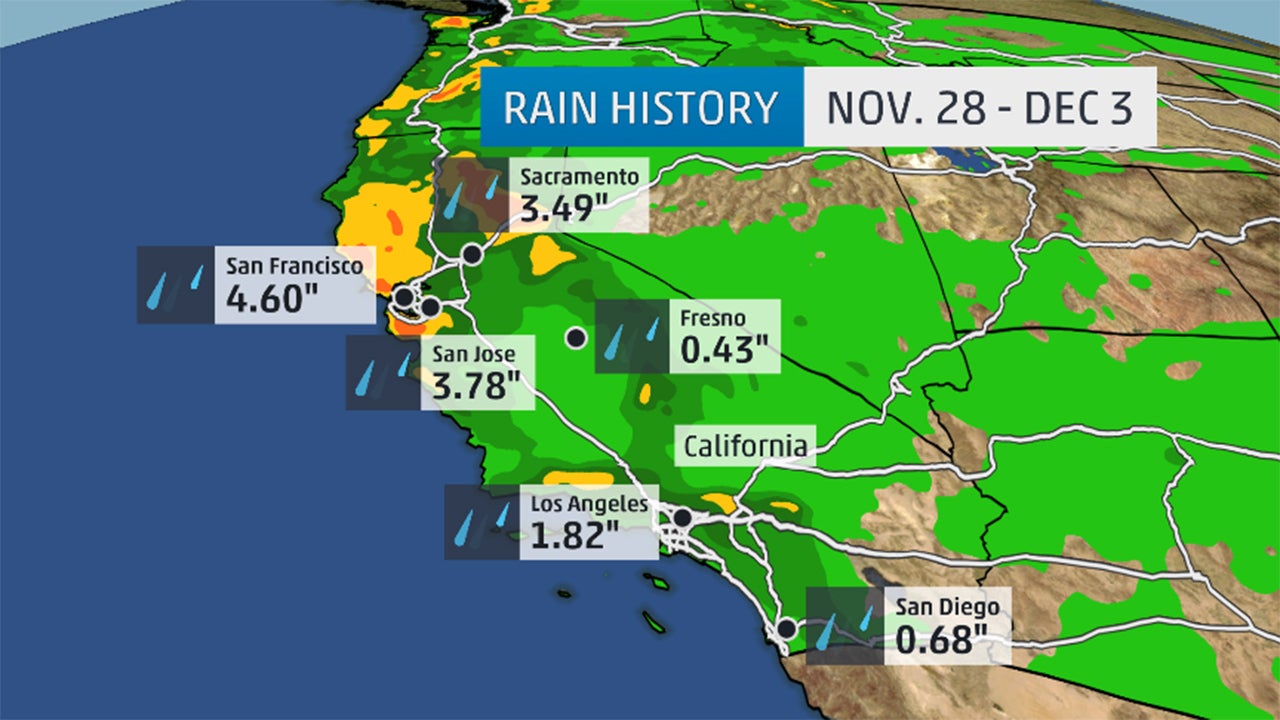
California’s Diverse Climate Zones: A State of Extremes
The geography of California plays the most significant role in shaping its diverse weather. The Pacific Ocean profoundly influences coastal areas, while the towering Sierra Nevada mountains create a rain shadow effect, leading to arid conditions further inland. The convergence of these geological features results in several distinct climate zones, each offering a unique set of weather expectations.
The Mediterranean Magic: Coastal California
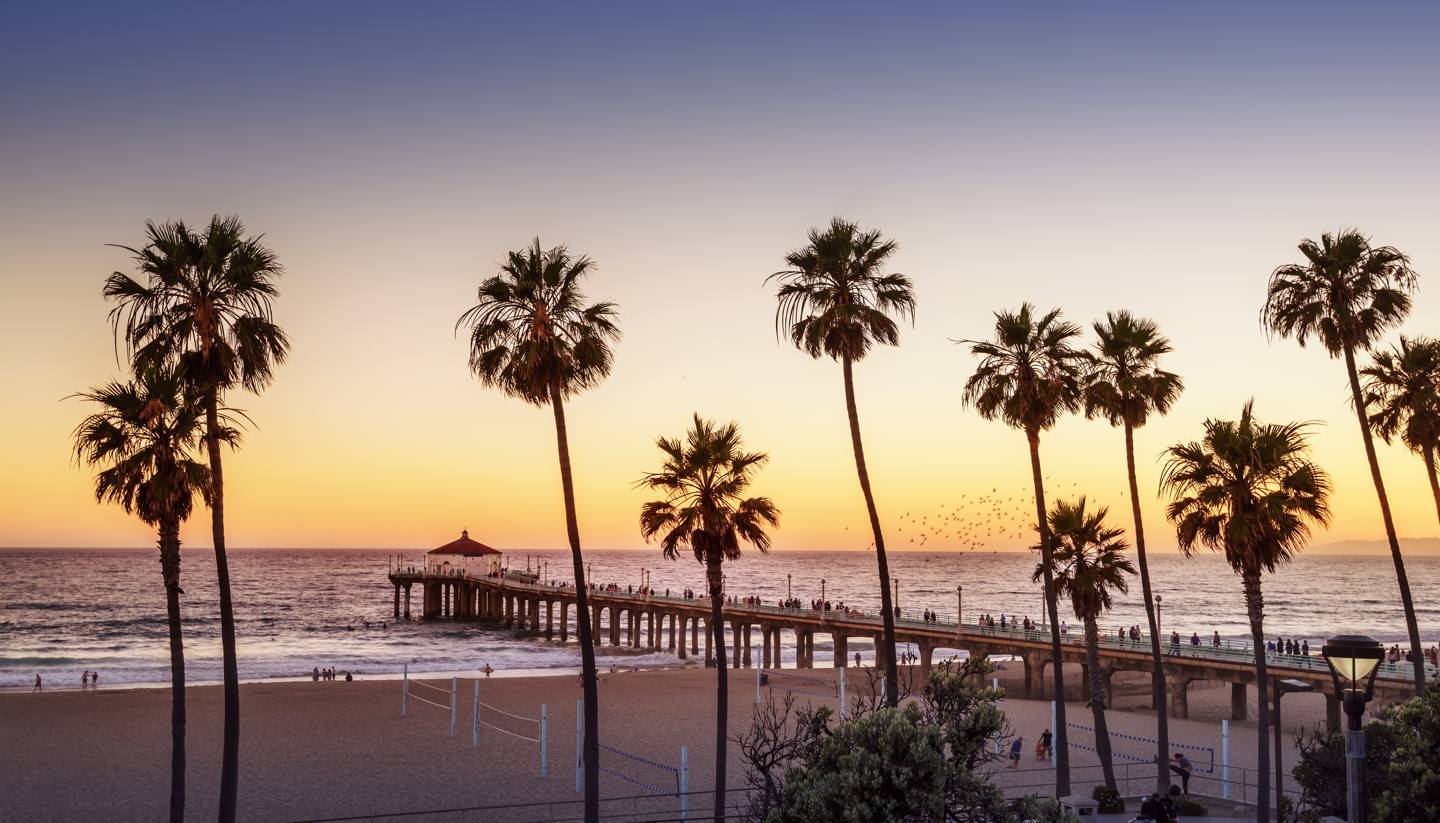
The majority of California’s population resides along its extensive coastline, which enjoys a Mediterranean climate characterized by warm, dry summers and mild, wet winters. Cities like Los Angeles, San Diego, and Santa Barbara exemplify this climate. During summer, temperatures typically range from the mid-60s to low 80s Fahrenheit (18-27°C), often accompanied by a refreshing Pacific breeze that keeps the heat from becoming oppressive. Mornings can sometimes bring the famous “marine layer” – a coastal fog that usually burns off by midday, revealing clear, sunny skies. Winters are mild, with daytime temperatures hovering in the 50s and 60s Fahrenheit (10-18°C) and most of the state’s annual rainfall occurring during these months. This comfortable year-round climate makes coastal California a prime destination for tourism, offering opportunities for beach activities, sightseeing in vibrant cities, and enjoying outdoor dining almost any day of the year. The mild winters mean that attractions like the Santa Monica Pier or exploring the historic districts of San Diego remain highly accessible.
Desert Heat and High Altitude Chill: Inland Regions
Venturing inland, away from the moderating influence of the Pacific, the climate undergoes a dramatic transformation. The vast desert regions, including the Mojave Desert and the Colorado Desert, are known for their extreme temperatures. Destinations like Palm Springs and Death Valley experience blistering summers, where temperatures can regularly exceed 100°F (38°C), sometimes even reaching 120°F (49°C) or higher. These areas are best visited during the cooler months, from late fall to early spring, when temperatures are pleasant, ranging from the 60s to 80s Fahrenheit (15-27°C). This is the ideal time to explore national parks like Joshua Tree National Park or enjoy the golf resorts of Palm Springs.
Contrasting sharply with the deserts are the high-altitude regions of the Sierra Nevada mountains, home to iconic destinations like Yosemite National Park, Lake Tahoe, and Mammoth Lakes. Here, winters are cold and snowy, with heavy snowfall creating world-class skiing and snowboarding conditions at resorts such as Palisades Tahoe and Heavenly Mountain Resort. Temperatures often drop below freezing, and snow can accumulate several feet deep, transforming the landscape into a winter wonderland. Summers in the mountains are delightfully warm and sunny, with daytime temperatures in the 70s and 80s Fahrenheit (21-27°C), perfect for hiking, camping, and enjoying the pristine alpine lakes. However, even in summer, evenings can be cool, and visitors should always be prepared for sudden weather changes, especially at higher elevations like near Mount Whitney, the highest peak in the contiguous United States.
Northern California’s Varied Terrain
Northern California presents another mosaic of climates. The coastal areas, from Monterey up to the Mendocino Coast, share similarities with Southern California’s Mediterranean climate but often experience cooler temperatures and more frequent fog, especially around San Francisco. Summer fog is a signature characteristic of San Francisco, often making August feel cooler than October. Inland, the Central Valley, a vast agricultural region, experiences hot, dry summers and cool, foggy winters.
Further north, particularly in the redwood forests of Redwood National Park, the climate is characterized by mild temperatures year-round and significant rainfall, contributing to the lush, verdant environment. This area thrives on moisture, with fog playing a crucial role in sustaining the giant trees during drier periods. The wine regions of Napa Valley and Sonoma County enjoy a pleasant climate, with warm, sunny summers and mild, wet winters, ideal for grape cultivation and outdoor vineyard tours.
Seasonal Insights: Planning Your California Adventure
Understanding California’s seasonal weather patterns is key to planning an unforgettable trip that aligns with your desired activities and experiences. Each season offers a unique charm and a different set of opportunities for exploration.
Spring: Bloom, Bliss, and Mild Breezes
California in spring (March to May) is a time of renewal and vibrant beauty. The state awakens with wildflowers blooming across hillsides, especially in areas like Anza-Borrego Desert State Park after winter rains, and the air is crisp and clean.
- Coastal Areas: Spring along the coast (e.g., Santa Cruz, La Jolla) is delightfully mild, with temperatures typically ranging from 55-70°F (13-21°C). The “marine layer” is less prevalent than in summer, offering more clear, sunny days perfect for exploring beaches or city attractions like Alcatraz Island and Fisherman’s Wharf in San Francisco. This is an excellent time for scenic drives along Highway 1 through Big Sur, as the landscapes are green and vibrant before the summer dry spell.
- Deserts: The deserts (e.g., Palm Springs, Joshua Tree National Park) are at their prime in spring, with comfortable daytime temperatures in the 70s and 80s (21-27°C) and cooler evenings. Wildflowers can put on a spectacular show.
- Mountains: Spring sees the melting of snow in the lower elevations of the Sierra Nevada, opening up hiking trails. High-elevation areas like Lake Tahoe may still have significant snow through April or even May, offering late-season skiing. Waterfalls in Yosemite National Park are at their most powerful due to snowmelt.
- Travel and Accommodation: Spring is considered a shoulder season, offering a sweet spot of pleasant weather and fewer crowds compared to summer. Hotels and resorts, from luxury suites in Beverly Hills to charming villas in Napa Valley, might offer more competitive rates. It’s a fantastic time for road trips, visiting theme parks like Disneyland in Anaheim before the peak summer rush, and exploring historical landmarks such as Hearst Castle.
Summer: Sun-Kissed Shores and Mountain Escapes
Summer (June to August) in California is synonymous with sunshine, beach days, and outdoor adventures. While coastal areas remain relatively mild, inland regions and deserts can experience intense heat.
- Coastal Areas: Southern California beaches like those in Malibu and Pismo Beach are bustling, with temperatures typically in the 70s (21-26°C). San Francisco can be famously cool and foggy in summer, especially in the mornings and evenings, requiring layers. This is prime time for whale watching tours from Monterey or sailing around Catalina Island.
- Deserts: Summer in the deserts is extremely hot and generally not recommended for extensive outdoor activities during midday. Many visitors opt for resorts with air-conditioned comfort and pools in Palm Springs.
- Mountains: The Sierra Nevada is a summer paradise, with warm days and cool nights, perfect for hiking, camping, and watersports on lakes. National parks like Yosemite, Sequoia National Park, and Kings Canyon National Park are fully accessible, though popular.
- Travel and Accommodation: Summer is peak tourist season, leading to higher prices for hotels, flights, and attractions. Booking well in advance is essential, especially for popular resorts and accommodations in destinations like Lake Tahoe or near Universal Studios Hollywood. Family trips are common, making it an ideal time for theme parks and beach vacations.
Autumn: Golden Hues and Wine Country Charms
Autumn (September to November) is often considered by many to be the best time to visit California, offering a sublime combination of pleasant weather, fewer crowds, and stunning natural beauty.
- Coastal Areas: The famous “Indian Summer” often brings some of the warmest and clearest days to coastal California during September and October. Fog diminishes, and temperatures remain comfortably warm, ideal for enjoying beaches and outdoor dining in places like Carmel-by-the-Sea or Ventura.
- Wine Country: Napa Valley and Sonoma County truly shine in autumn during the grape harvest (crush season). The vineyards turn vibrant shades of gold and crimson, and the weather is perfect for wine tasting tours. Temecula Valley also offers a picturesque autumn experience.
- Mountains: The Sierra Nevada foothills and some high-elevation areas showcase spectacular fall foliage, a rare sight in other parts of the state. Days are crisp, and nights begin to cool, making it ideal for hiking.
- Travel and Accommodation: This shoulder season offers a fantastic balance. Crowds at major attractions like Disneyland or the Golden Gate Bridge are thinner than in summer, yet the weather is often superior. Many hotels, from boutique hotels to luxury resorts, might offer slightly reduced rates compared to peak summer. It’s an excellent time for romantic getaways, food and wine tours, and cultural experiences in cities like Sacramento or Pasadena.
Winter: Snowcapped Peaks and Urban Wonders
Winter (December to February) in California brings varied conditions, from abundant snowfall in the mountains to mild, occasionally rainy weather in the coastal and valley regions.
- Mountains: This is prime season for winter sports. The Sierra Nevada transforms into a snowy playground, attracting skiers and snowboarders to resorts around Lake Tahoe and Mammoth Lakes. Snowshoeing and cross-country skiing are also popular.
- Coastal Areas: Coastal cities like Los Angeles and San Diego experience mild winters, with daytime temperatures generally in the 50s and 60s (10-18°C). Rainfall occurs periodically, but many days remain sunny and pleasant, making it a good time for city exploration, museum visits, and enjoying the festive holiday season without extreme cold. San Francisco is typically cool and damp.
- Deserts: Winter is the most popular season for visiting California’s deserts, with comfortable, sunny days and cool nights, perfect for hiking, golf, and enjoying the outdoor resort life in Palm Springs.
- Travel and Accommodation: While mountain resorts are in high demand and often command premium prices, coastal cities see fewer tourists, potentially leading to better deals on accommodation. It’s a great time for a budget travel approach to urban exploration or a luxury escape to a desert resort. Many travelers enjoy visiting Legoland California during the milder winter months to avoid summer heat and crowds.
Weather’s Influence on California Travel & Lifestyle
The intricate dance of California’s weather deeply influences every aspect of travel and local lifestyle, from choosing your destination to what kind of activities you can enjoy. Savvy travelers leverage this diversity to craft personalized experiences.
Choosing Your Destination: From Beaches to Backcountry
Your ideal California destination is inextricably linked to the weather you prefer and the activities you envision. If endless sunshine and beach relaxation are your priority, the southern coast from May to October is perfect. For winter sports enthusiasts, the Sierra Nevada from December to April is a must. Spring and fall offer the most versatility, allowing you to combine desert explorations with coastal drives or wine country tours.
The weather also dictates practical considerations like road closures. Mountain passes in the Sierra Nevada can be closed due to snow from late fall through spring, impacting access to parks like Yosemite. Conversely, summer heat in Death Valley necessitates early morning or late afternoon exploration, if at all. Understanding these weather-driven constraints allows for realistic and enjoyable itinerary planning.

Accommodation Considerations: Where to Stay Based on Weather
The type of accommodation you choose in California is also often dictated by the climate and season. In summer, beachfront hotels and resorts in Santa Monica, Coronado, or Laguna Beach are highly sought after, often requiring bookings months in advance. Many feature pools and amenities geared towards warm-weather activities. Conversely, during winter, ski-in/ski-out resorts and cozy cabins around Lake Tahoe or Mammoth Lakes become the premier choice, offering proximity to slopes and apres-ski comforts.
For those exploring the deserts, particularly in the hot summer months, hotels in Palm Springs with excellent air conditioning, refreshing pools, and spa facilities become essential havens. In milder seasons, boutique hotels and charming bed-and-breakfasts in wine country like Napa Valley or Sonoma County provide an intimate escape. Long-term stay apartments in cities like Los Angeles or San Francisco can be appealing for those wishing to experience local life through changing seasons.
Embracing Local Culture and Activities Year-Round
California’s varied weather fosters a dynamic lifestyle and a rich calendar of events and activities throughout the year. The weather doesn’t just dictate what can be done, but often what is done culturally.
- Summer: The warm weather brings outdoor concerts, film screenings under the stars in Hollywood, and countless beach festivals. Farmers’ markets are abundant, showcasing the state’s agricultural bounty.
- Autumn: Harvest festivals proliferate in wine regions, and outdoor arts and crafts fairs take advantage of the pleasant temperatures. The cooling weather in cities like Pasadena makes for comfortable strolls through historic districts.
- Winter: While mountains are alive with snow sports, coastal cities often host holiday light displays, ice skating rinks (even near the beach!), and cultural performances indoors. New Year’s Day brings the famous Rose Parade in Pasadena.
- Spring: Flower festivals, outdoor art walks, and events celebrating local cuisine flourish as the state reawakens.
Ultimately, California’s weather is a defining characteristic of the state, shaping its landscapes, influencing its travel seasons, and enriching its diverse lifestyle. Whether you’re chasing the sun on a perfect beach, carving fresh powder in the mountains, exploring ancient deserts, or sipping fine wine in a vineyard, understanding the nuanced climate will empower you to plan an ideal trip. From luxury travel to budget-friendly family trips, California’s weather ensures there’s always an adventure waiting, making it one of the world’s most captivating destinations.
LifeOutOfTheBox is a participant in the Amazon Services LLC Associates Program, an affiliate advertising program designed to provide a means for sites to earn advertising fees by advertising and linking to Amazon.com. Amazon, the Amazon logo, AmazonSupply, and the AmazonSupply logo are trademarks of Amazon.com, Inc. or its affiliates. As an Amazon Associate we earn affiliate commissions from qualifying purchases.