
The question “When did Disney World open in Orlando?” might seem straightforward, but the answer unfolds a captivating tale of visionary ambition, monumental engineering, and the birth of a global tourism powerhouse. On October 1, 1971, the gates of Walt Disney World Resort officially opened to the public, forever changing the landscape of travel, hospitality, and entertainment in Central Florida. This wasn’t merely the debut of a theme park; it was the realization of Walt Disney’s grandest dream: an experimental prototype community of tomorrow, a vacation kingdom unlike anything the world had ever seen.
The Dawn of a Dream: Walt Disney’s Vision and Florida’s Promise
The story of Walt Disney World begins not in 1971, but years earlier, in the mind of a creative genius fueled by innovation and a desire to improve upon his previous successes. After the overwhelming popularity and, in some ways, unforeseen challenges of Disneyland in Anaheim, California, Walt Disney began to envision a much larger, more controlled environment for his next project. Disneyland had quickly become surrounded by a sprawl of motels, restaurants, and souvenir shops that Walt felt detracted from the park’s immersive experience. He wanted to acquire enough land to build a truly integrated resort, where everything from hotels to transportation, and even the surrounding community, would be under the creative control of his company.
From Orange Groves to Magic Kingdoms: The Quest for the Perfect Location
The search for this expansive canvas led Walt Disney and his team to Central Florida. Its favorable climate, central location within the state, and abundance of relatively inexpensive land, much of it swampy and undeveloped, made it an ideal, albeit challenging, choice. To avoid land speculation that had plagued Disneyland’s development, Disney used various dummy corporations to secretly purchase over 27,000 acres – an area roughly twice the size of Manhattan or about the size of San Francisco. This massive land acquisition, conducted covertly throughout the mid-1960s, became one of the most remarkable real estate deals in history.
The sheer scale of the project necessitated a unique governance structure. In 1967, the Florida legislature created the Reedy Creek Improvement District, granting Walt Disney Productions self-governing authority over the property. This unprecedented arrangement allowed Disney to build its own infrastructure, including roads, utilities, and emergency services, without relying on local municipalities. It was a crucial step in fulfilling Walt’s vision for a self-contained world.
The Master Plan: EPCOT and the Future of Community
While the initial public face of Walt Disney World would be the Magic Kingdom theme park, Walt’s ultimate dream for the Florida project was much grander: the Experimental Prototype Community of Tomorrow, or EPCOT. He envisioned a futuristic city where innovation in urban living, transportation, and technology would be constantly tested and showcased. Sadly, Walt Disney passed away in December 1966, before construction on his Florida project even began.
His brother, Roy O. Disney, famously delayed his retirement to ensure Walt’s dream came to fruition, insisting that the entire property be named “Walt Disney World” to honor his brother. While the original concept of a functioning city like EPCOT was deemed too ambitious and perhaps too risky to undertake immediately, the foundation for a sprawling resort complex was laid, focusing first on the theme park and accompanying accommodations.

October 1, 1971: A Day That Changed Tourism Forever
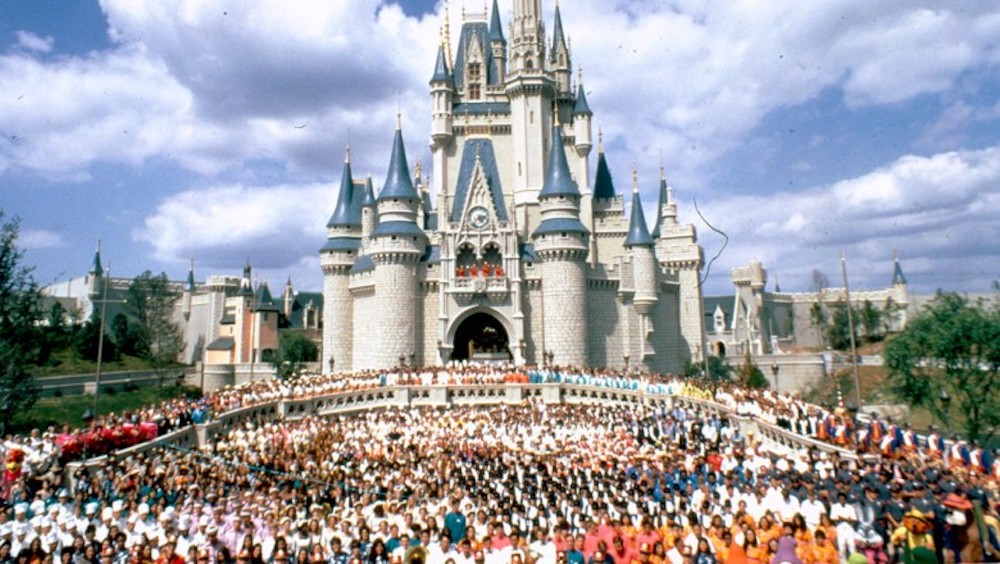
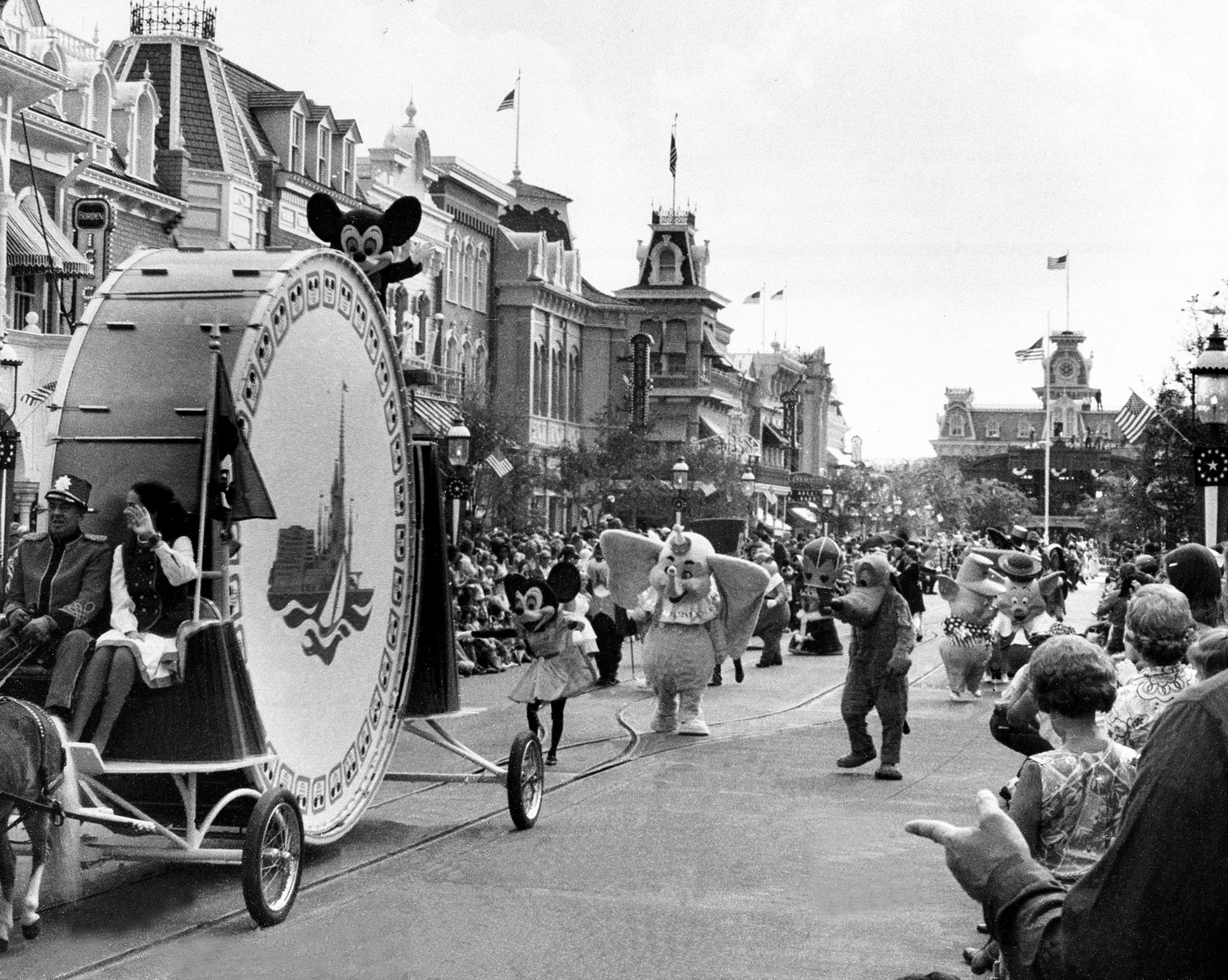
The culmination of years of planning, design, and construction arrived on October 1, 1971, a date etched into the annals of travel and entertainment history. On that momentous day, Walt Disney World Resort officially opened its doors, welcoming thousands of eagerly awaiting guests to a fantastical realm in Central Florida. The initial offering was anchored by the majestic Magic Kingdom, a park deeply reminiscent of Disneyland but benefiting from decades of experience and, crucially, a significantly larger footprint.
The Inaugural Offerings: Magic Kingdom and Beyond
At its grand opening, the Magic Kingdom featured classic attractions like “it’s a small world,” Haunted Mansion, Jungle Cruise, and the iconic Cinderella Castle at its heart. These beloved rides and shows transported visitors into stories and fantasies, creating an immediate sense of wonder and escape. But Walt Disney World was designed to be more than just a single park. Alongside the Magic Kingdom, two resort hotels, Disney’s Contemporary Resort and Disney’s Polynesian Village Resort, also debuted. These innovative accommodations, with their unique architectural designs and direct access to the park via monorail, set a new standard for integrated resort experiences.
The scale of the project was astounding. Guests arrived by car, bus, or even via a brand new airport, Orlando International Airport, which itself saw a surge in traffic due to the new attraction. The efficient monorail system, a marvel of modern transportation, whisked guests between hotels and the Magic Kingdom, embodying the futuristic ideals Walt had championed. This integrated approach, combining world-class entertainment with immersive lodging and seamless transportation, fundamentally redefined the concept of a family vacation destination. It wasn’t just a day trip; it was an entire vacation experience meticulously crafted by Disney.
Early Expansion and Growing Pains
The initial years saw steady growth and continuous development. While the opening day attendance was modest compared to later years (around 10,000 visitors), it quickly ramped up, exceeding expectations. The success of the initial offerings validated the grand vision. The 1970s and 1980s were periods of significant expansion, building upon the foundation laid in 1971.
The vision for EPCOT, though modified from Walt’s original residential community concept, eventually came to life as EPCOT Center (now simply EPCOT) in 1982. This park combined Future World, a celebration of technological innovation, with World Showcase, a permanent world’s fair showcasing global cultures. This addition diversified the resort’s appeal, drawing in new demographics interested in education and cultural exploration alongside traditional thrills. Later, Disney-MGM Studios (now Disney’s Hollywood Studios) opened in 1989, immersing guests in the world of movies and television. Disney’s Animal Kingdom followed in 1998, focusing on natural environments and wildlife conservation. Alongside these theme parks, water parks like Typhoon Lagoon (1989) and Blizzard Beach (1995) and the entertainment complex Disney Springs (originally Downtown Disney) further cemented Walt Disney World’s status as a multifaceted vacation kingdom.
Disney World’s Enduring Legacy and Economic Impact
Over five decades since its opening, Walt Disney World Resort has grown into the most visited vacation resort in the world, an undisputed landmark of global tourism. Its impact on Orlando and the broader Florida economy is immeasurable, transforming what was once a quiet citrus-growing region into a bustling metropolis and a premier travel destination.
A Magnet for Global Travel and Hospitality
The establishment of Disney World acted as a powerful magnet, attracting millions of tourists annually from across the globe. This influx of visitors spurred massive development in the surrounding areas. Hotels, restaurants, retail centers, and other attractions like Universal Orlando Resort, SeaWorld Orlando, and countless smaller entertainment venues flocked to the region to capitalize on the robust tourism industry that Disney had ignited. The area around International Drive and Kissimmee blossomed into a dense hub of hospitality, offering a diverse array of experiences to complement a Disney vacation.
Beyond direct spending within the resort, the trickle-down effect on the local and state economy is profound. Employment opportunities range from direct Disney cast members to thousands of jobs in allied industries like transportation, food service, construction, and tour operations. The tax revenues generated by tourism have allowed for significant infrastructure improvements, benefiting residents and visitors alike. Orlando is now synonymous with family vacations, and Disney World remains its glittering crown jewel.
Accommodation Boom: Resorts, Hotels, and Beyond
The need to house millions of annual visitors led to an unparalleled boom in accommodation options. On-site, Walt Disney World Resort itself offers a spectrum of over 30 themed resort hotels, catering to every budget and travel style. From the opulent Disney’s Grand Floridian Resort & Spa and other Deluxe Resorts offering luxurious amenities and prime park access, to the mid-range Moderate Resorts providing excellent value, and the family-friendly Value Resorts like the All-Star Resorts designed for budget-conscious travelers, there’s an immersive experience for everyone.
Off-site, the landscape is even more diverse. Thousands of hotels, suites, apartments, and villas dot the Orlando and Kissimmee areas, offering competitive pricing, varying amenities, and options for larger groups or longer stays. Many of these provide shuttle services to the Disney parks, making them convenient choices for visitors. The sheer volume and variety of accommodation options mean that booking a stay, whether for a luxury escape or a budget-friendly family trip, has never been easier, often with reviews and comparison tools available online to help travelers make informed decisions.
Planning Your Magical Escape: Tips for Visitors
For those planning a trip to Walt Disney World today, the experience is richer and more complex than ever before. It’s not just a theme park; it’s a comprehensive vacation destination offering unparalleled experiences, from thrilling rides to gourmet dining, and from live entertainment to unique cultural encounters.
Choosing Your Perfect Disney Accommodation
When considering where to stay, travelers can choose between the immersive convenience of on-site Disney Resorts or the often more budget-friendly and spacious options off-site. On-site benefits include early park entry, complimentary transportation, and often a higher level of theming and service. Off-site hotels and vacation rentals can offer more space, full kitchens, and sometimes better value, especially for longer stays or larger families. Researching amenities like pools, dining options, and transportation links is key to finding the perfect fit for your travel lifestyle, whether it’s a romantic getaway, a multi-generational family trip, or a solo adventure.
Experiencing the Magic: Attractions and Activities
Beyond the four main theme parks (Magic Kingdom, EPCOT, Disney’s Hollywood Studios, and Disney’s Animal Kingdom), Walt Disney World boasts two fantastic water parks (Typhoon Lagoon and Blizzard Beach), the vibrant entertainment district of Disney Springs, championship golf courses, and a plethora of dining and shopping opportunities. Detailed guides and booking tips are readily available to help navigate the sheer volume of activities. From iconic landmarks like Cinderella Castle and the Tree of Life to the newest attractions and nighttime spectaculars, there’s always something new to discover. For those seeking a deeper dive into Florida’s unique attractions, nearby destinations like the Kennedy Space Center offer a fascinating counterpoint to the fantasy of Disney.
In conclusion, the opening of Walt Disney World on October 1, 1971, was far more than just the inauguration of a new amusement park. It was the genesis of a global tourism phenomenon, a testament to audacious vision, and a catalyst for the dramatic transformation of Central Florida into one of the world’s most sought-after travel destinations. Its legacy continues to shape the travel and hospitality industries, offering endless magic to generations of visitors.
LifeOutOfTheBox is a participant in the Amazon Services LLC Associates Program, an affiliate advertising program designed to provide a means for sites to earn advertising fees by advertising and linking to Amazon.com. Amazon, the Amazon logo, AmazonSupply, and the AmazonSupply logo are trademarks of Amazon.com, Inc. or its affiliates. As an Amazon Associate we earn affiliate commissions from qualifying purchases.