
The question “When was New York built?” is deceptively simple, as the answer unfolds across centuries of transformation, from a small Dutch trading post to the sprawling metropolis we recognize today. This isn’t a story of a single construction date, but rather an ongoing evolution. To truly understand when New York was “built,” we must trace its origins and the incremental development of its iconic structures and neighborhoods.
The Genesis: New Amsterdam and Early Colonial Foundations
The foundations of what would become New York City were laid in the early 17th century. In 1624, the Dutch West India Company established a settlement named New Amsterdam on the southern tip of Manhattan Island. This wasn’t a city in the modern sense, but a fortified outpost and trading center. The primary goal was commerce, particularly the lucrative fur trade with indigenous populations.
The early “buildings” were rudimentary, largely wooden structures designed for practicality rather than grandeur. Fort Amsterdam, the administrative and defensive heart of the settlement, was constructed, along with dwellings and warehouses. The initial infrastructure was minimal, focused on supporting the nascent trading enterprise. Life was dictated by the rhythms of the sea and the demands of trade.
A pivotal moment occurred in 1653 when New Amsterdam was granted city status by the Dutch authorities. This marked a step towards more organized urban development, though the population remained small, estimated at around 1,500 people. The city’s layout began to take shape, influenced by Dutch urban planning, with streets following the natural contours of the land and a defensive wall, the precursor to Wall Street, erected to protect against potential attacks.
The English Takeover and the Birth of “New York”
The geopolitical landscape of the era was volatile. In 1664, English forces under Colonel Richard Nicolls arrived and claimed the colony for the English Crown. The Dutch surrendered New Amsterdam without a significant fight, and the city was renamed New York in honor of the Duke of York, who would later become King James II of England.
Under English rule, New York continued to grow, albeit gradually. The city retained much of its Dutch character in its architecture and street plan initially. However, the introduction of English governance and legal systems began to shape its future trajectory. The focus remained on trade and its role as a provincial capital.
The 18th Century: Growth, Revolution, and Early Architectural Styles
The 18th century saw New York evolve into a more substantial colonial city. Its strategic harbor and growing population fueled its expansion. The city witnessed the reverberations of the American Revolution, serving as a key strategic location for both British and Continental forces. While the revolution disrupted growth for a period, it ultimately paved the way for the city’s emergence as a vital center in the newly formed United States.
Architecturally, the 18th century brought a shift towards more established styles. Georgian architecture, characterized by its symmetry, proportion, and often brick or stone construction, began to appear. Important public buildings were erected, reflecting the city’s growing importance. Structures like Federal Hall, though not in its current form, were significant landmarks of the era, hosting key governmental functions. The city’s infrastructure, including docks and markets, expanded to meet the demands of increased commerce.
A Flourishing Port and Early Urban Planning
By the mid-to-late 18th century, New York was a bustling port city. Its population grew significantly, leading to denser development and the need for more organized planning. While no overarching master plan existed in the way we understand it today, incremental decisions about street layout and land use were made. The city’s commercial interests dictated much of its physical development, with warehouses and shipping-related businesses dominating the waterfront.
The societal and economic shifts of the period laid the groundwork for the dramatic changes that would define the 19th century. The seeds of its future architectural marvels and urban complexity were being sown in these foundational decades.
The 19th Century: The Age of Industrialization and Skyscraper Beginnings
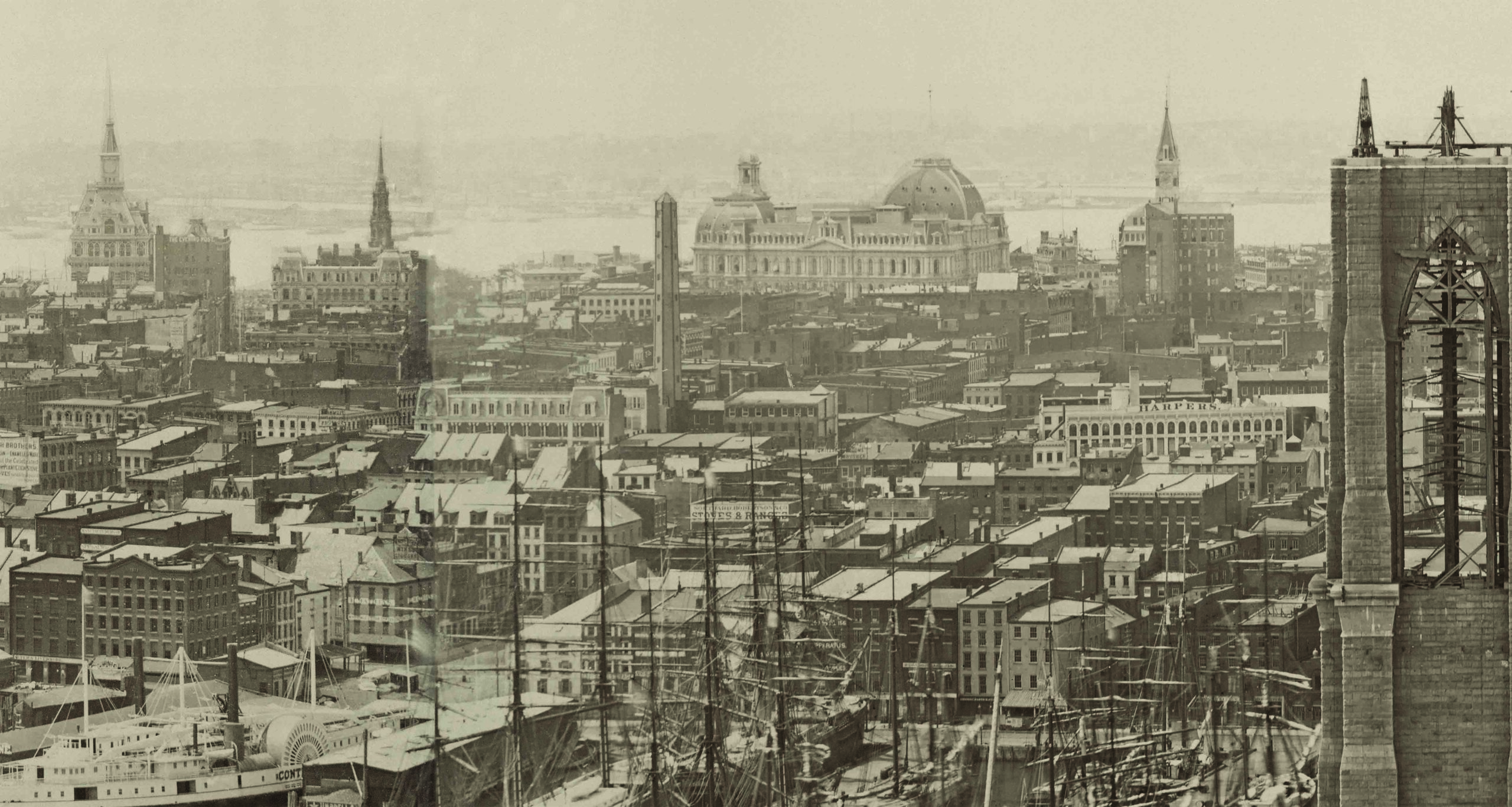
The 19th century was a period of unprecedented transformation for New York. Fueled by industrialization, mass immigration, and innovation, the city experienced explosive growth. This era saw the construction of infrastructure that would fundamentally alter its urban fabric and pave the way for its iconic skyline.
The Arrival of Mass Transit and Vertical Expansion
The development of mass transit systems, such as horse-drawn streetcars and later elevated railroads, was crucial. These innovations allowed the city to expand outwards, connecting previously disparate communities and enabling a denser population to inhabit the core.
It was also in the late 19th century that the very concept of the skyscraper began to take shape. Driven by the value of land in a rapidly growing city, architects and engineers began to experiment with steel-frame construction and taller buildings. Early examples, while not reaching the dizzying heights of today, represented a significant departure from previous architectural norms. The need for more office space and housing in a limited geographic area was the primary driver behind this vertical ambition.
Iconic Structures and Neighborhood Development
This century witnessed the construction of numerous landmark buildings that still define New York today. The completion of the Brooklyn Bridge in 1883 was a monumental feat of engineering, connecting the boroughs and symbolizing the city’s ambition and interconnectedness.
The city’s neighborhoods also began to solidify their identities. Areas like Greenwich Village and Harlem developed distinct characteristics, shaped by immigration patterns and socio-economic forces. The architecture of these areas reflected different styles and periods of development, from brownstones to tenements.
The 20th Century and Beyond: The Rise of the Modern Metropolis
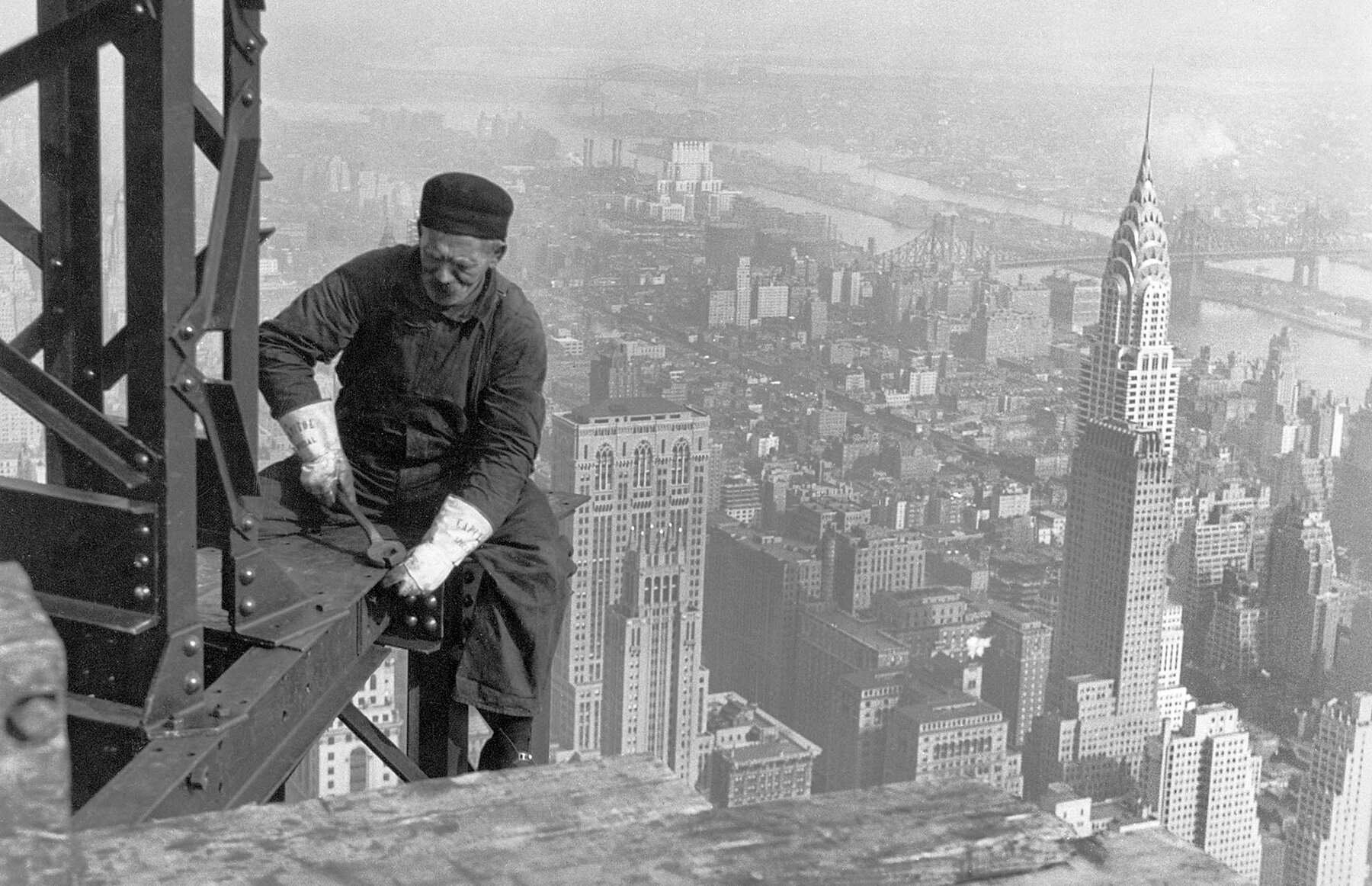
The 20th century cemented New York’s status as a global metropolis. The early decades saw a proliferation of skyscrapers, each pushing the boundaries of height and design. Buildings like the Chrysler Building and the Empire State Building became enduring symbols of American ingenuity and ambition. These structures were not merely offices or residences; they were statements of economic power and cultural aspiration.
Architectural Innovation and Urban Renewal
The post-World War II era brought further changes. While some areas faced decline, others underwent significant urban renewal projects. This often involved large-scale demolition and redevelopment, sometimes controversially, to modernize infrastructure and create new public spaces. The construction of the United Nations Headquarters in the 1950s was another significant addition to the city’s architectural landscape, showcasing a modernist aesthetic.
Throughout the century, New York continued to evolve. The construction of new subway lines, highways, and public facilities were all integral parts of its ongoing “building.” The city’s infrastructure was constantly being reinforced, expanded, and modernized.

The Enduring Process of “Being Built”
Today, New York is still very much “being built.” New residential towers rise, public parks are renovated, and cultural institutions are expanded. The city is a dynamic entity, a testament to continuous development and adaptation. From its humble beginnings as New Amsterdam, New York has been built, rebuilt, and reimagined over centuries. It is a living monument to human endeavor, architectural innovation, and the persistent drive to create and shape urban spaces. The answer to “When was New York built?” is not a single date, but a continuous narrative of construction, innovation, and evolution that stretches from the 17th century to the present day.
LifeOutOfTheBox is a participant in the Amazon Services LLC Associates Program, an affiliate advertising program designed to provide a means for sites to earn advertising fees by advertising and linking to Amazon.com. Amazon, the Amazon logo, AmazonSupply, and the AmazonSupply logo are trademarks of Amazon.com, Inc. or its affiliates. As an Amazon Associate we earn affiliate commissions from qualifying purchases.