
Navigating the administrative requirements of driving in a new state can often feel like deciphering an ancient map. For those establishing residency in the Lone Star State, understanding the cost and process of renewing a Texas Drivers License is a crucial step in fully integrating into the local lifestyle. This guide aims to demystify the expenses associated with keeping your driving privileges current in Texas, offering clarity for both seasoned residents and newcomers alike.
The Core Costs of Renewal
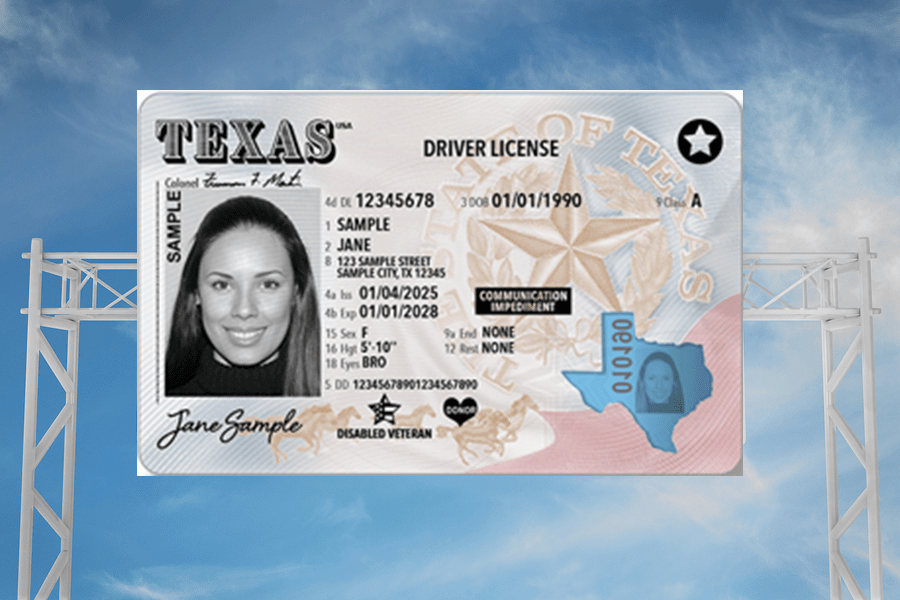
The primary expense for renewing a Texas Drivers License is the state-mandated fee. This fee is not static and can vary slightly based on the type of license and its duration. However, for a standard Class A, B, or C driver license, the most common renewal fee is generally around $33. This fee covers the administrative costs of processing the renewal, updating records, and issuing the new credential. It’s important to note that this amount is subject to change by the Texas Department of Public Safety (DPS), so it’s always wise to check the official DPS website for the most up-to-date figures before your renewal date.
Understanding License Durations and Fees
Texas Drivers Licenses are typically issued for an eight-year period. This extended duration contributes to the overall renewal fee. For younger drivers, specifically those under 18, license validity and renewal structures can differ. These individuals may have shorter licensing periods, and the associated fees might be prorated accordingly. For instance, a provisional license or a license issued to someone who turns 18 shortly after obtaining it may have a different fee structure compared to an adult renewal for the full eight-year term.
Additional Fees to Consider
While the base renewal fee is the most significant cost, other potential charges can arise depending on your circumstances. If your license has expired significantly beyond its renewal date, you might incur late fees. These penalties are designed to encourage timely renewals and are typically a small additional sum. The exact amount of late fees can vary, but they are generally a modest percentage of the renewal fee.
Another scenario where additional costs might apply is if you require a replacement license due to loss, theft, or damage. While not strictly a renewal fee, it’s a related expense that ensures you maintain a valid driving permit. The fee for a replacement license is generally lower than the renewal fee itself, often in the range of $10 to $12. This covers the cost of producing a new card with your updated information.
Furthermore, some Texans may opt for endorsements or special licenses, such as a commercial driver’s license (CDL) or motorcycle endorsements. These specialized credentials often come with additional fees beyond the standard driver’s license renewal cost. For example, a CDL renewal typically involves a higher fee due to the more stringent testing and requirements associated with commercial driving.
Factors Influencing Renewal Costs
Several factors can influence the overall cost of renewing your Texas Drivers License. Understanding these variables can help you anticipate the exact amount you’ll need to budget.
License Class and Type
As mentioned, the class of your driver’s license plays a role. A standard passenger vehicle license (Class C) will have a different fee structure than a commercial driver’s license (Class A or B) which allows operation of larger vehicles. Commercial licenses involve more rigorous testing and oversight, leading to higher associated renewal costs. Similarly, endorsements for vehicles like motorcycles also add to the overall price.
Age and Eligibility for Extensions
The age of the applicant is a significant determinant of license duration and renewal fees. Drivers under 18 years of age have specific licensing stages in Texas, including learner permits and provisional licenses, which have different renewal cycles and associated costs. For adults, the standard renewal period is eight years. However, individuals aged 79 and older have different renewal requirements and fees, often renewing annually and with a reduced fee structure. This is part of the state’s effort to ensure the continued driving safety of senior citizens.
Renewal Method and Convenience Fees
The method chosen for renewal can sometimes introduce minor cost variations. While most renewals can be completed online, by mail, or in person at a Texas DPS driver license office, certain third-party services might offer additional convenience for a fee. It’s generally most cost-effective to renew directly through official DPS channels. Online renewals are often the most efficient and can sometimes be processed without the need for an in-person visit, saving time and potentially avoiding indirect costs associated with travel.
Vision and Knowledge Tests
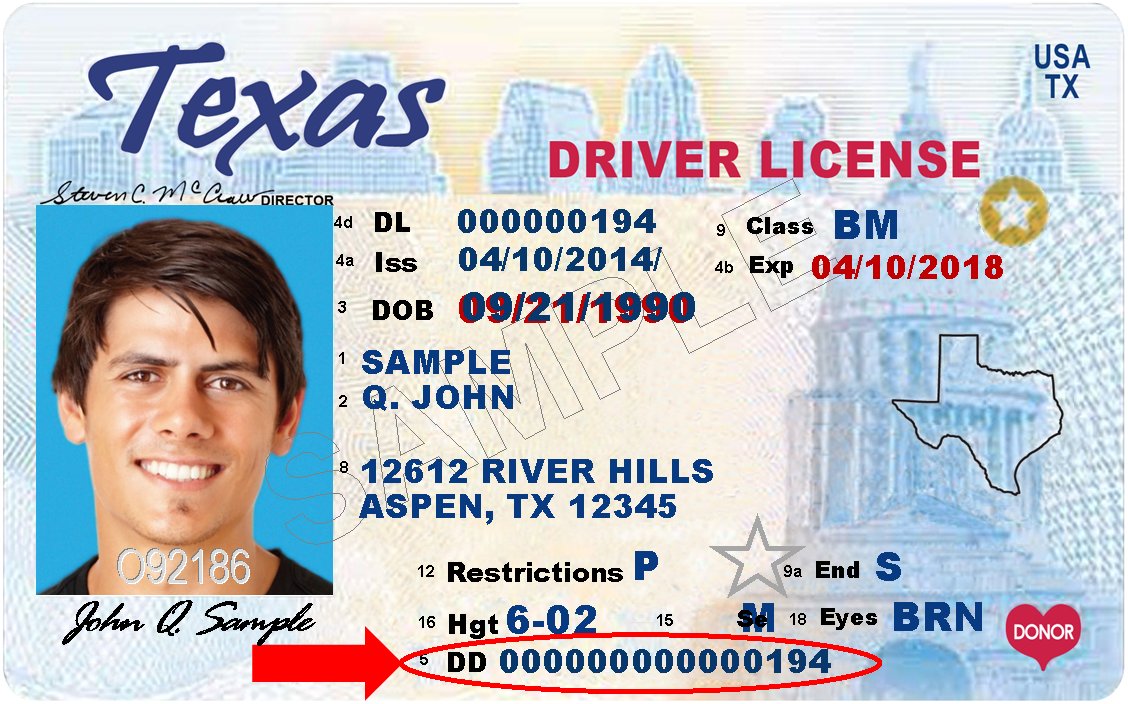
While not always a separate fee for a standard renewal, the requirement for vision and, in some cases, knowledge tests can be a factor. If you fail these tests during the renewal process, you may need to retake them, which could incur additional charges or require a subsequent visit to a driver license office. The initial vision screening is usually included in the renewal fee, but preparation for any knowledge testing, if required, is advisable to avoid potential repeat costs.
How to Find the Exact Renewal Fee
To ensure you are prepared with the precise amount for your Texas Drivers License renewal, it is always best to consult the official sources. The Texas Department of Public Safety (DPS) website is the definitive authority on all driver license-related matters, including fees.
Visiting the Official DPS Website
The Texas DPS website provides a comprehensive breakdown of driver license fees, including renewal costs for various license classes and age groups. You can typically find this information within the Driver License section, often under a “Fees” or “Renewal Information” heading. This is the most reliable method to obtain current fee schedules and understand any potential changes that may have occurred.
Contacting the Texas DPS Directly
If you are unable to find the information you need online or have specific questions about your renewal circumstances, contacting the Texas DPS directly is another option. They have customer service lines and local driver license office locations where you can inquire about renewal fees and processes. This direct communication ensures you receive accurate information tailored to your situation.
Tips for a Smooth and Cost-Effective Renewal
Renewing your Texas Drivers License doesn’t have to be a daunting or overly expensive process. By planning ahead and utilizing the resources available, you can ensure a smooth and cost-effective renewal experience.
Renew Early to Avoid Late Fees
The most straightforward way to avoid unnecessary expenses is to initiate your renewal process well before your current license expires. Most Texas drivers can renew their licenses up to six months before the expiration date. Procrastinating can lead to late fees, which are entirely avoidable with timely action. Mark your calendar with sufficient advance notice to begin the renewal process.
Utilize Online Renewal Options
For many eligible drivers, online renewal is the most convenient and often the most cost-effective method. The Texas DPS website allows you to check your eligibility for online renewal and complete the process from the comfort of your home. This saves time, travel expenses, and the potential hassle of visiting a physical office. Ensure your address is up-to-date with the DPS to receive your new license promptly.
Keep Your Information Updated
Maintaining accurate contact information with the Texas DPS is crucial for receiving renewal notices and your new license. If your address has changed, be sure to update it through the official channels. Failure to receive renewal notifications could inadvertently lead to an expired license and potential penalties.

Understand the Requirements
Familiarize yourself with the specific requirements for your renewal. This includes knowing if you need to pass a vision test or a knowledge test. For most standard renewals, only a vision test is required. However, if you have had certain driving infractions or your license has been expired for an extended period, additional testing might be mandated. Being prepared for these requirements can streamline the process and avoid repeat visits or fees. For instance, if you are concerned about your vision, consider getting a vision check beforehand from an optometrist in Texas to ensure you meet the state’s standards.
By staying informed and planning ahead, the process of renewing your Texas Drivers License can be a manageable and predictable part of your life in the Lone Star State. The costs are generally reasonable, especially when considering the eight-year validity of most licenses, contributing to the overall ease of embracing the Texas lifestyle.
LifeOutOfTheBox is a participant in the Amazon Services LLC Associates Program, an affiliate advertising program designed to provide a means for sites to earn advertising fees by advertising and linking to Amazon.com. Amazon, the Amazon logo, AmazonSupply, and the AmazonSupply logo are trademarks of Amazon.com, Inc. or its affiliates. As an Amazon Associate we earn affiliate commissions from qualifying purchases.