
California, often celebrated for its vibrant culture, stunning landscapes, and innovative spirit, is also known for its progressive labor laws, including some of the highest minimum wages in the United States. Understanding the state’s minimum wage structure is crucial for anyone considering living, working, or even extensively traveling through the Golden State, as it directly impacts the cost of living, consumer prices, and overall lifestyle experience. For budget travelers, prospective residents, or those simply curious about the economics of the state, grasping these figures is a foundational step in financial planning.
Understanding California’s Minimum Wage Landscape
California’s approach to minimum wage is multi-layered, featuring a statewide standard that often serves as a baseline, alongside numerous local ordinances that mandate even higher rates. This dynamic creates a complex but generally advantageous environment for workers, while also posing unique challenges for businesses and influencing the cost of goods and services across different regions.

Statewide Standards vs. Local Ordinances
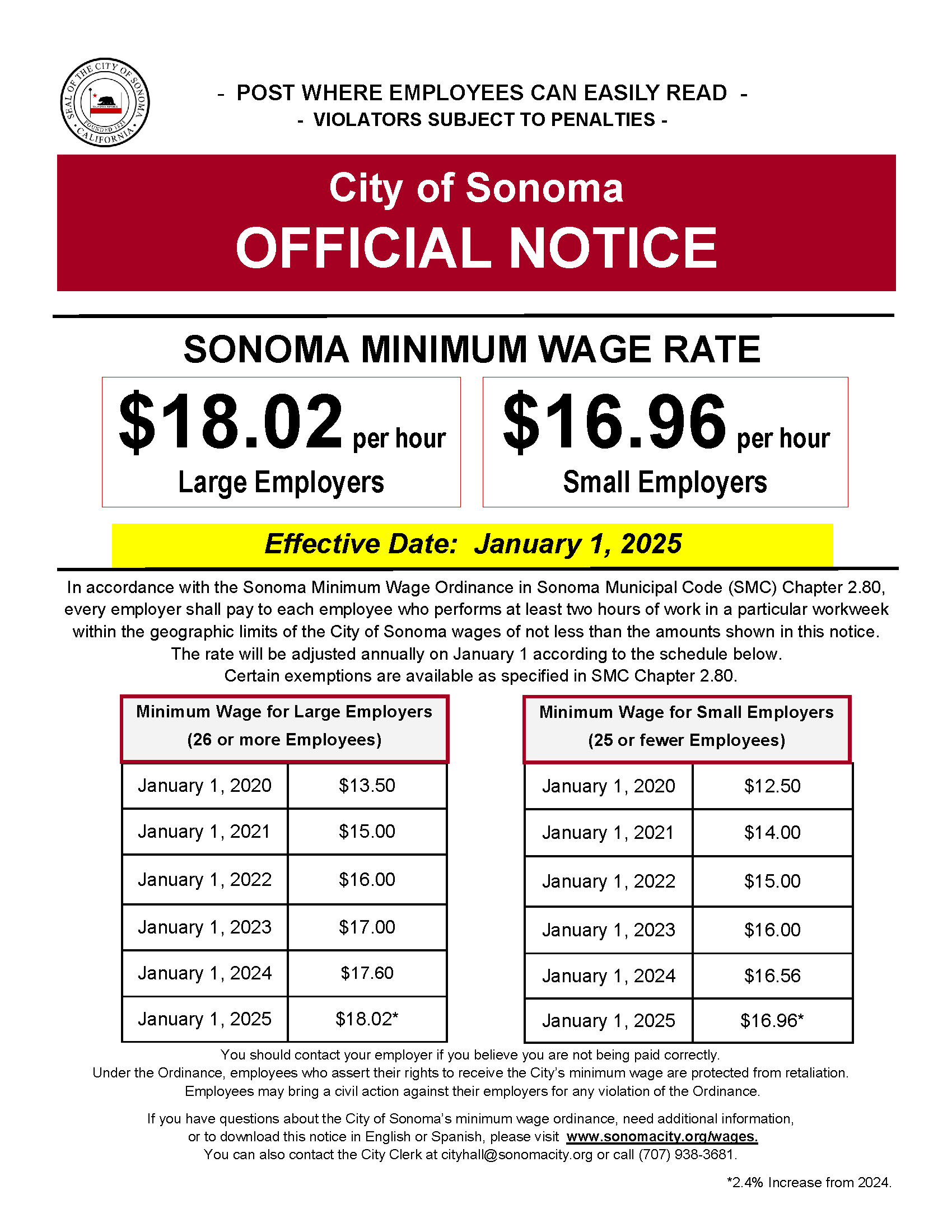
As of January 1, 2024, the statewide minimum wage in California increased to $16.00 per hour for all employers, regardless of the number of employees. This uniform rate represents a significant step forward in ensuring a living wage for workers across the state. However, this figure is often just the floor. Many cities and counties within California have enacted their own local minimum wage ordinances that exceed the state’s rate. These local initiatives reflect the diverse economic conditions and cost of living pressures in different urban centers.
For instance, major metropolitan areas like San Francisco, Los Angeles, and San Jose typically have some of the highest minimum wages in the country, often several dollars an hour above the state minimum. Berkeley, Oakland, and Santa Monica are other examples of cities with robust local wage laws. Businesses operating in these jurisdictions are required to adhere to the higher local rate, not the state minimum. This patchwork of regulations means that the actual minimum wage an individual earns or a business must pay can vary significantly depending on the specific city or unincorporated area within California. It’s essential for both employees and employers to verify the applicable rate for their specific location.
The Rationale Behind Higher Wages
The push for higher minimum wages in California is largely driven by the state’s exceptionally high cost of living, particularly in housing, transportation, and daily essentials. Advocates argue that a higher minimum wage is necessary to provide workers with a dignified standard of living and to reduce poverty. Proponents also highlight potential benefits such as increased consumer spending, reduced employee turnover, and improved worker morale, which can translate into greater productivity. For lifestyle planning, particularly for those on a budget, understanding this rationale helps contextualize why certain costs in California may seem elevated compared to other parts of the United States.
Impact on Lifestyle and Cost of Living
The minimum wage, while a boon for many workers, plays a significant role in shaping the broader economic landscape and individual lifestyle choices within California. Its influence extends beyond hourly earnings, impacting everything from housing affordability to the cost of a daily coffee.
Housing: A Significant Factor
Perhaps the most pronounced effect of California’s economic environment, influenced by its wage structure, is on housing costs. Even with a minimum wage of $16.00 per hour or higher in some cities, affording rent in major metropolitan areas like San Francisco, Los Angeles, or San Diego remains a significant challenge for many. The median rent for a one-bedroom apartment in these cities can easily consume a substantial portion, if not all, of a minimum wage earner’s monthly income. This reality often necessitates shared living arrangements, longer commutes from more affordable exurban areas, or even living outside conventional housing for some.
For those contemplating a move to California for work, or even an extended stay, a thorough understanding of local rental markets relative to potential earnings is indispensable. Lifestyle choices such as living closer to work, opting for public transportation, or choosing less expensive neighborhoods are often directly dictated by the interplay between wages and housing costs.
Daily Expenses and Disposable Income
Beyond rent, the cost of groceries, utilities, transportation, and leisure activities in California also tends to be higher than the national average. While a higher minimum wage is designed to help offset these costs, it doesn’t always translate into ample disposable income, especially in high-cost-of-living areas. Budgeting becomes an art form for many Californians, particularly those at the lower end of the income spectrum.
For travelers, this means budgeting more for meals out, transportation, and even basic necessities. A trip to a grocery store in San Francisco or Los Angeles might yield a higher bill than anticipated. Understanding the local minimum wage provides context for why certain goods and services might carry a premium, as businesses adjust their pricing to cover increased labor costs.
Services and Consumer Costs
The higher minimum wage also directly impacts the cost of services across the state. From dining out at restaurants to getting a haircut, utilizing professional services, or even paying for ride-sharing apps, the labor component of these services will naturally reflect the prevailing wage rates. While this ensures better compensation for service industry workers, it also means consumers can expect to pay more.
This is a key consideration for visitors and residents alike. For instance, a coffee in Silicon Valley or a dinner in Beverly Hills might be priced to account for higher labor expenses. This reality shapes the lifestyle options available; frequent indulgence in services might require a higher personal income, or careful budgeting to fit within a modest lifestyle.
Budgeting for Travel and Relocation to California
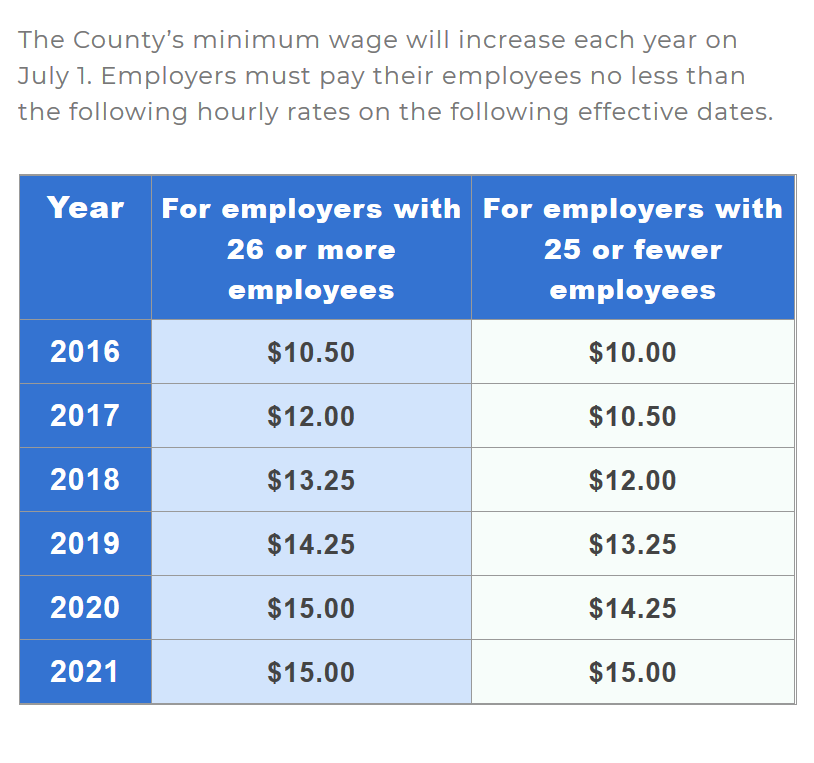
For those drawn to California’s allure, whether for a vacation or a permanent move, factoring in the minimum wage and its economic ripples is essential for effective financial planning.
How Minimum Wage Affects Travel Budgets
Travelers on a budget must be particularly mindful of California’s economic environment. While attractions like beaches, national parks (e.g., Yosemite National Park, Joshua Tree National Park), and hiking trails offer free or low-cost enjoyment, the expenses for accommodation, food, and transportation can quickly accumulate. Higher labor costs contribute to more expensive hotel stays, restaurant meals, and even activities requiring human services.
Budget travelers might consider:
- Self-catering: Opting for accommodations with kitchenettes and preparing some meals to save on dining out.
- Public transportation/Car share: Utilizing California’s expanding public transport networks in major cities or car-sharing services to mitigate rental car and fuel costs.
- Off-peak travel: Visiting during the shoulder seasons to potentially find better deals on lodging and airfare.
- Exploring free attractions: Focusing on California’s abundant natural beauty and free cultural sites.
Understanding that a $16 minimum wage means higher operational costs for businesses helps frame expectations for consumer prices and encourages strategic budgeting for a more enjoyable and sustainable trip.
Financial Considerations for Aspiring Residents
For individuals considering relocating to California, especially those in minimum wage jobs or service industries, a clear-eyed assessment of finances is critical. While the higher minimum wage offers a better income floor than many other states, the concurrent high cost of living means that even with this advantage, making ends meet requires diligent budgeting and often, a higher income than the minimum.
Prospective residents should research not just the minimum wage, but also the median wages for their specific industry in their target city, alongside average rental costs, utility prices, and transportation expenses. Many find that securing employment that pays significantly above the minimum wage is necessary to achieve a comfortable lifestyle in California’s most desirable areas.
Navigating High-Cost Cities
Cities like San Francisco and Los Angeles exemplify the paradox of high wages and high costs. While the minimum wage in San Francisco is among the highest in the nation, so are its rents. A single individual working full-time at the local minimum wage would still find it challenging to afford a studio apartment independently. This economic reality often leads to unique lifestyle adaptations, such as co-living, extended commutes, or choosing to reside in more affordable adjacent communities. For those seeking a vibrant urban lifestyle in California, understanding these dynamics is key to sustainable living.
The Broader Economic Picture
The minimum wage in California is not merely a number; it’s a policy lever with wide-ranging economic consequences that shape the state’s unique lifestyle.
Challenges for Businesses
While a higher minimum wage benefits workers, it presents significant operational challenges for businesses, particularly small businesses and those in labor-intensive industries. Employers must adjust their budgets, potentially raising prices, streamlining operations, or rethinking staffing models. This can impact consumer choices and the availability of certain services, contributing to the overall cost of living and the local economic flavor. For entrepreneurs considering launching a venture in California, understanding these labor costs is paramount to business planning and market viability.
Economic Benefits and Wage Growth
Despite the challenges, proponents point to broader economic benefits. A higher minimum wage can inject more money into local economies as workers have greater purchasing power. It can also reduce reliance on public assistance programs and contribute to a more equitable distribution of wealth. Furthermore, the progressive wage policies in California often lead to a ripple effect, pushing wages up across various income brackets as companies strive to maintain competitive compensation and attract talent. This upward pressure on wages generally fosters a lifestyle where workers in many sectors might enjoy better pay than their counterparts in states with lower minimum wage standards.
Future Outlook and Legislative Trends
California’s minimum wage policies are not static. The state has a built-in mechanism for annual adjustments based on inflation, ensuring that the minimum wage keeps pace with the rising cost of living to some degree.
Upcoming Changes and Adjustments
Beyond the standard annual inflation-based adjustments, California continues to explore industry-specific minimum wages. A notable example is the recent legislation establishing a $20 per hour minimum wage for fast-food workers across the state, effective April 1, 2024. This move reflects a targeted approach to address wage disparities in sectors with a high concentration of minimum wage earners. Similar discussions and legislative efforts are underway for other industries, signaling a potential future where minimum wage rates could vary not just by geography but also by sector.
For individuals planning their lifestyle in California, staying informed about these ongoing legislative changes is crucial. They will continue to shape the financial landscape, impacting both earnings potential and the cost of consumer goods and services, thus continually recalibrating the economic considerations for living, working, and experiencing all that California has to offer.
LifeOutOfTheBox is a participant in the Amazon Services LLC Associates Program, an affiliate advertising program designed to provide a means for sites to earn advertising fees by advertising and linking to Amazon.com. Amazon, the Amazon logo, AmazonSupply, and the AmazonSupply logo are trademarks of Amazon.com, Inc. or its affiliates. As an Amazon Associate we earn affiliate commissions from qualifying purchases.