
The question “Where is Downtown in New York?” might seem deceptively simple, but for anyone navigating the sprawling metropolis of New York City, it unlocks a fascinating understanding of the city’s geography, history, and evolving identity. Unlike many cities with a singular, universally acknowledged central business district, New York City presents a more nuanced and layered definition of “downtown.” It’s not a static point on a map but rather a collection of distinct neighborhoods, each with its own unique character and historical significance, all contributing to the city’s dynamic core. Understanding these areas is crucial for any visitor seeking to experience the true essence of New York.

The Original Downtown: Financial District and Historic Roots
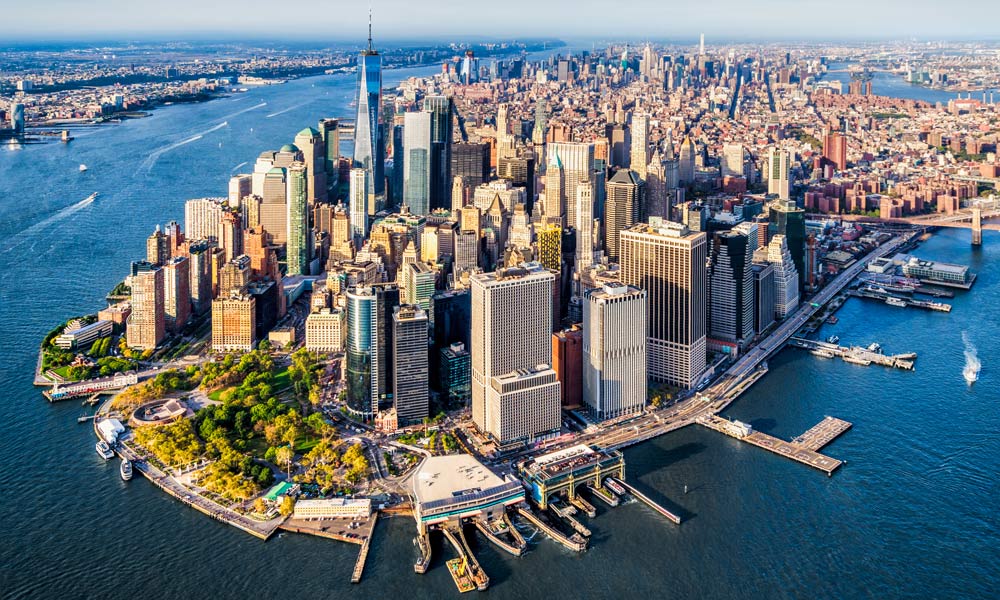
Historically, “Downtown” unequivocally referred to the southernmost tip of Manhattan. This area, now largely known as the Financial District, is where the city first took root. Founded by the Dutch in the 17th century as New Amsterdam, this southern expanse was the nexus of commerce, governance, and settlement.
Wall Street and the Seat of American Finance
The most iconic symbol of this original downtown is undoubtedly Wall Street. This narrow street, packed with towering skyscrapers, is the global epicenter of finance. Home to the New York Stock Exchange and a myriad of major financial institutions, it embodies the economic power of New York City. While its primary function remains economic, Wall Street and its surrounding streets are also significant landmarks, housing historical buildings like Federal Hall, where George Washington was inaugurated as the first President of the United States.
Historic Landmarks and Lingering History
Beyond the modern financial giants, this original downtown is rich with historical markers. Trinity Church, with its soaring spire and historic graveyard (the final resting place of Alexander Hamilton), stands as a testament to the area’s colonial past. Federal Hall, a neoclassical marvel, marks the site of early American governmental activity. Walking through these streets offers a tangible connection to the city’s origins, a stark contrast to the bustling present. The nearby Battery Park, offering stunning views of the Statue of Liberty and Ellis Island, further reinforces the historical significance of this southernmost point.
The Evolving Downtown: Soho, Tribeca, and the West Village
As New York City grew, the definition of “downtown” expanded northward. Neighborhoods like SoHo, Tribeca, and the West Village emerged as distinct downtown areas, each attracting different demographics and fostering unique cultural scenes. These areas represent a shift from pure commerce to a blend of residential, artistic, and retail hubs.
SoHo: Art, Fashion, and Cast-Iron Charm
SoHo, an acronym for “South of Houston Street,” transformed from a manufacturing district into one of the city’s most fashionable and artistically vibrant neighborhoods. Its defining feature is its stunning collection of cast-iron architecture, with buildings boasting intricate metal facades that evoke a bygone era. Today, SoHo is renowned for its high-end boutiques, art galleries, and trendy restaurants. It has become a prime destination for shoppers and art enthusiasts alike, embodying a sophisticated urban lifestyle. The cobblestone streets and wide avenues, once bustling with industrial activity, now hum with the energy of a global fashion and arts capital.
Tribeca: Chic Lofts and Celebrity Residences
Just west of the Financial District and south of SoHo, Tribeca (Triangle Below Canal Street) offers a more refined and residential take on downtown living. Once an industrial area dotted with warehouses, it has been transformed into a highly desirable neighborhood characterized by luxurious loft apartments, chic restaurants, and a more relaxed pace than its eastern counterparts. Tribeca is also known for its strong sense of community and its appeal to artists, designers, and celebrities, drawn to its spacious living and discreet charm. The neighborhood retains elements of its industrial past in its architecture, which has been artfully repurposed into stylish homes and businesses.

The West Village: Bohemian Charm and Intimate Streets
The West Village, with its labyrinthine streets, charming brownstones, and bohemian past, offers yet another facet of the downtown experience. This neighborhood, far removed from the grid system of much of Manhattan, feels like a European village. Its intimate scale, leafy streets, and abundance of independent bookstores, cozy cafes, and historic jazz clubs give it a unique character. It’s a place to wander, to discover hidden courtyards, and to soak in the atmosphere of a truly quintessential New York City enclave. Landmarks like the Stonewall Inn, a pivotal site in LGBTQ+ history, further cement its cultural significance.
Downtown as a State of Mind: Beyond Geographic Boundaries
While the specific neighborhoods mentioned above are historically and geographically considered “downtown,” the term has also evolved to represent a broader concept. In contemporary New York City parlance, “downtown” can also refer to a general feeling or a collection of experiences that are distinct from the more commercial and corporate atmosphere of Midtown. It’s about proximity to the water, a sense of history, artistic expression, and a certain bohemian or independent spirit.
Experiencing Downtown: A Multifaceted Journey
For visitors, this means that “downtown” is not a single destination but a journey through a series of interconnected neighborhoods. A day could begin with a visit to the 9/11 Memorial & Museum at the World Trade Center site, followed by exploring the historic streets of the Financial District. Lunch could be enjoyed in a trendy SoHo eatery, followed by an afternoon browsing galleries in Tribeca. The evening might conclude with a leisurely stroll through the charming streets of the West Village, perhaps catching a performance at a jazz club.
The Downtown Vibe: Culture, Cuisine, and Creativity
This expanded notion of downtown encompasses a rich tapestry of local culture, diverse culinary experiences, and a vibrant creative scene. It’s where you’ll find a concentration of independent boutiques, avant-garde theaters, world-class restaurants, and street art that reflects the city’s dynamic pulse. The energy is palpable, a blend of historical resonance and contemporary innovation. From the bustling markets of Chinatown and Little Italy to the avant-garde galleries of the Lower East Side, the downtown spirit permeates many areas south of Midtown Manhattan.
Navigating Downtown: Practical Tips for Explorers
Understanding the different facets of “downtown” is key to making the most of your visit. While the subway system provides excellent connectivity, walking is often the best way to truly appreciate the character of each neighborhood.
Getting Around and Staying Connected
The subway lines are your most efficient tool for traversing the vastness of New York City. Numerous lines serve the downtown areas, with major transfer points in the Financial District and connecting to other parts of the city. Consider purchasing a MetroCard for easy access. For those looking for more comfort or a central base, hotels in or near the downtown areas offer convenient access. Options range from luxury establishments in Tribeca to boutique hotels in the West Village.
Embracing the Neighborhoods
Each downtown neighborhood offers a distinct experience.
- For history buffs: Focus on the Financial District, Battery Park, and sites like Federal Hall and Trinity Church.
- For fashion and art lovers: SoHo is your destination, with its galleries and designer stores.
- For a taste of bohemian charm: The West Village invites leisurely exploration of its winding streets.
- For a sophisticated urban retreat: Tribeca offers a more serene, yet upscale, downtown experience.
Ultimately, “Downtown in New York” is not a single point, but a rich, evolving tapestry of history, culture, and contemporary urban life. It’s an invitation to explore, to discover, and to immerse yourself in the heart of this extraordinary city.
LifeOutOfTheBox is a participant in the Amazon Services LLC Associates Program, an affiliate advertising program designed to provide a means for sites to earn advertising fees by advertising and linking to Amazon.com. Amazon, the Amazon logo, AmazonSupply, and the AmazonSupply logo are trademarks of Amazon.com, Inc. or its affiliates. As an Amazon Associate we earn affiliate commissions from qualifying purchases.