
Understanding the seasonal rhythms of California’s diverse wildlife offers a unique layer of engagement for tourists, whether you’re an avid outdoors enthusiast or simply seeking a deeper connection with the natural world. For those intrigued by the majestic Wild Turkey, knowing “turkey season” is paramount, not just for hunters, but for anyone interested in wildlife viewing, photography, or simply appreciating the local ecological calendar. California, with its varied landscapes from verdant forests to rolling hillsides, hosts a robust population of these intelligent birds, making their seasonal activity a significant draw for specific tourism experiences. This guide delves into the specifics, offering insights for tourists planning to immerse themselves in the state’s wild turkey habitat.
Understanding Turkey Season in California: A Tourist’s Guide
Turkey season in California primarily refers to the periods when hunting wild turkeys is legally permitted. These seasons are carefully regulated by the California Department of Fish and Wildlife (CDFW) to ensure sustainable populations and ethical practices. For tourists, understanding these seasons is critical because it dictates when and where specific activities, such as hunting, are possible, and also provides insight into the birds’ behavior patterns, which is beneficial for wildlife viewing and photography.
While hunting is a primary focus of turkey season, the broader tourism appeal lies in the opportunity to witness these birds in their natural splendor. During the breeding and foraging seasons, turkeys are more active and visible, making these times ideal for observation. The timing often coincides with pleasant weather conditions across much of California, enhancing the overall outdoor experience. Engaging with turkey season, therefore, becomes a specialized form of eco-tourism, allowing visitors to connect with California’s wild side. It’s an activity that requires preparation, respect for wildlife, and adherence to local regulations, ensuring a rewarding and responsible visit.
Key Turkey Hunting Seasons and Dates
California typically offers two primary turkey hunting seasons: a Spring season and a Fall season. Each has distinct characteristics, target species, and regulations, catering to different hunting preferences and conservation goals. For tourists considering a hunting trip, or simply wishing to be aware of hunter presence in certain areas, knowing these dates is crucial.
Spring Wild Turkey Season
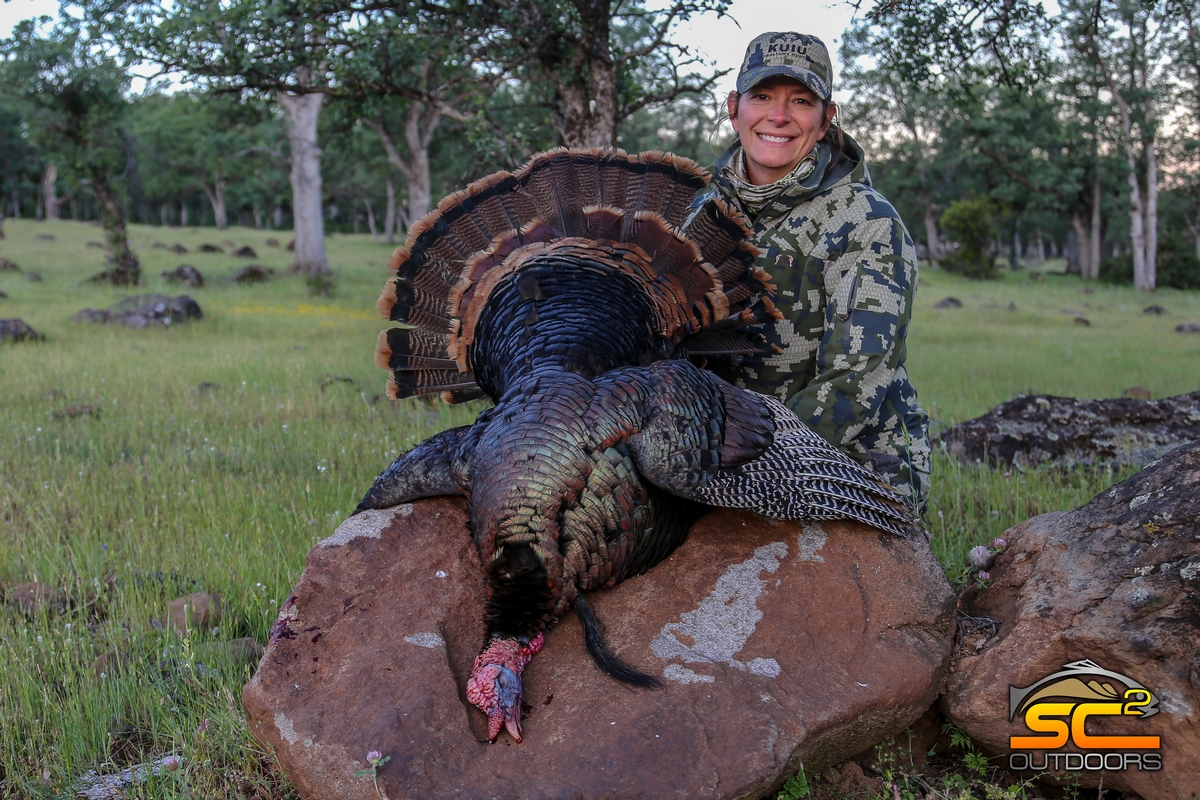
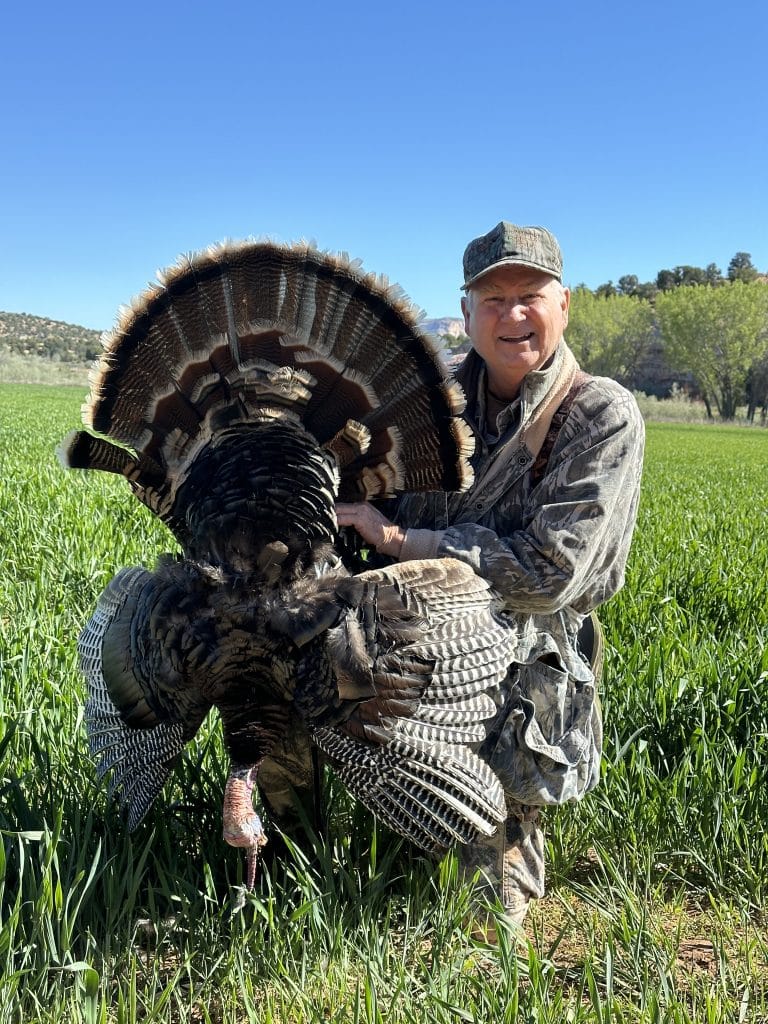
The Spring Wild Turkey Season is the most popular and anticipated period for turkey hunters in California. It typically runs from late March through early May, although exact dates can vary slightly year to year based on CDFW regulations. This season is specifically for hunting male turkeys (gobblers or Toms) and bearded hens. The focus on males during Spring is due to their distinct mating calls and behaviors, which make them more responsive to calling techniques used by hunters.
The Spring season is further divided into different segments:
- General Season: This is the main hunting period, open to all licensed hunters. It typically lasts about 30-40 days.
- Archery Season: Preceding the General Season by about a week, this period is exclusively for bow hunters. It offers a unique challenge and experience for those skilled in archery.
- Youth Hunt: Often, there are special Youth Hunt weekends before or after the General Season, designed to introduce younger generations to ethical hunting practices under supervision.
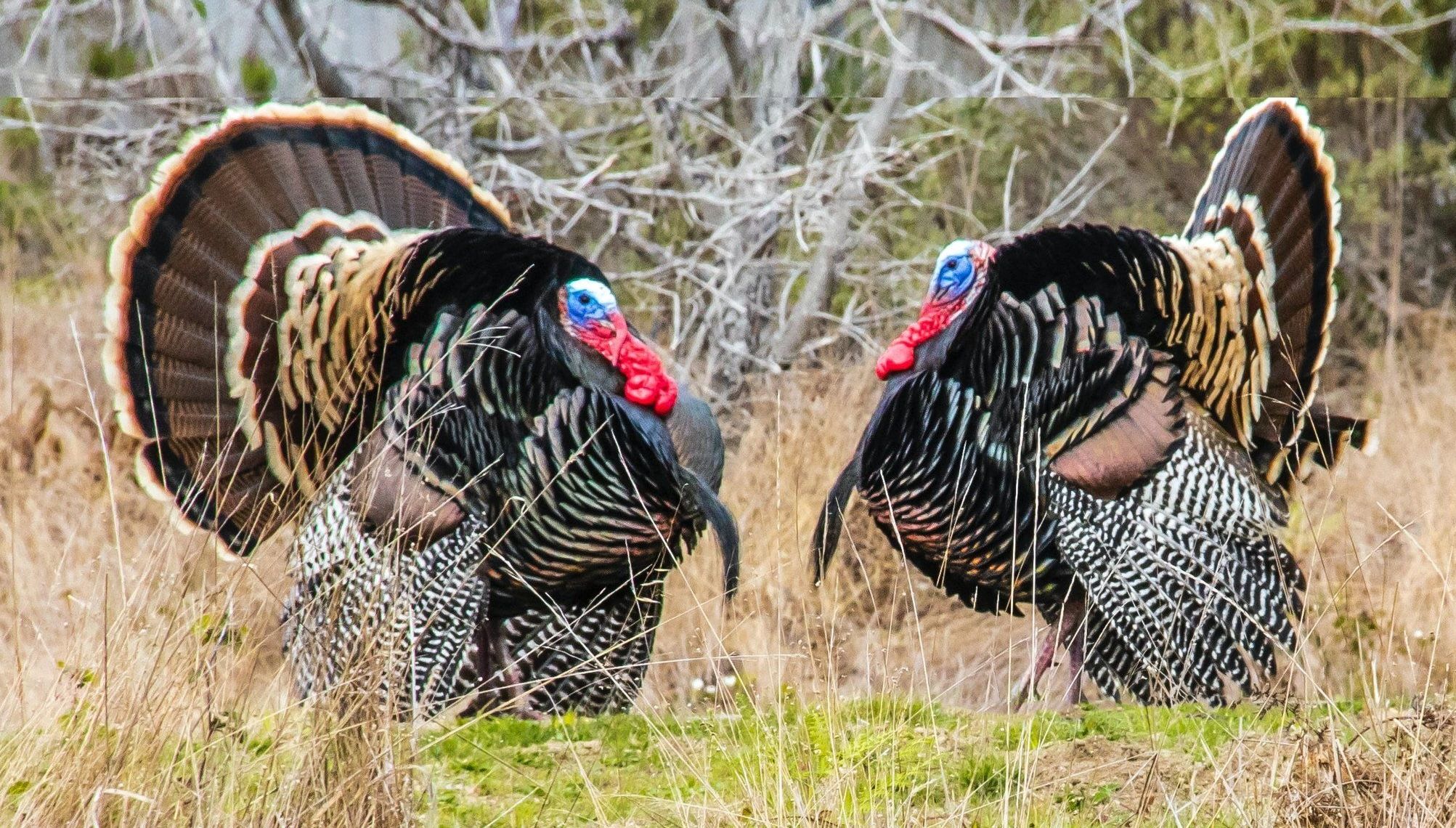
During Spring, turkeys are highly active, with gobblers frequently calling and displaying to attract hens. This behavior makes them more visible and vocal, which is not only excellent for hunters but also creates prime conditions for wildlife photographers and observers.
Fall Wild Turkey Season
The Fall Wild Turkey Season, while less popular than Spring, offers a different kind of experience. It typically runs from early November through early December. Unlike the Spring season, Fall season allows hunters to pursue any turkey, regardless of sex or beard. The hunting methods also differ; instead of calling in gobblers, Fall hunting often involves locating flocks and using different calling strategies to mimic scattered birds.
For non-hunting tourists, the Fall season coincides with beautiful autumn foliage in many parts of California, particularly in Oak Woodland habitats. Turkeys are often seen in larger flocks as they forage for acorns and other mast crops, making it an excellent time for observing their social dynamics and foraging behaviors before winter sets in.
Beyond the Hunt: Wildlife Viewing and Photography
For many tourists, the allure of turkey season extends beyond hunting to the sheer joy of observing and photographing these magnificent birds in their natural habitat. California’s diverse ecosystems provide exceptional opportunities for this, especially during the peak activity periods of the Spring and Fall seasons.
During Spring, the dramatic displays of gobblers strutting, fanning their tails, and vocalizing are a spectacle not to be missed. Their iridescent feathers shimmering in the sunlight, combined with their distinctive gobbling calls, create an immersive experience for nature enthusiasts. This is an ideal time for photographers to capture dynamic shots of turkeys engaged in courtship rituals. Similarly, the Fall brings opportunities to see large family groups and mixed flocks foraging together, offering insights into their social structures and survival strategies. The backdrop of changing autumn leaves adds an artistic element to Fall photography.
Responsible wildlife viewing and photography are key. This means maintaining a respectful distance, avoiding disturbance to the birds and their environment, and never baiting or feeding wild animals. Binoculars and telephoto lenses are indispensable tools for getting close-up views without intrusion. Many public lands, including National Forests and designated wildlife viewing areas, offer excellent access for these activities. While areas open to hunting will have hunters present during specific seasons, many other locations prioritize non-consumptive uses, providing safe spaces for observation. Always check local regulations for specific areas.
Essential Tips for Engaging with California’s Wild Turkeys
Whether you’re planning a hunting expedition or a dedicated wildlife viewing trip, certain preparations and knowledge are essential for a safe, successful, and ethical engagement with California’s wild turkeys. These tips are crucial for tourists looking to maximize their experience while respecting the wildlife and local regulations.
Licensing and Permits for Hunters
For tourists interested in hunting, obtaining the correct licenses and permits is the absolute first step. A valid California hunting license is mandatory. Non-resident licenses are available at a higher cost than those for Residents. In addition to the general hunting license, a specific turkey tag is required for each turkey you intend to harvest. These can typically be purchased online through the CDFW website or at authorized license agents throughout the state. It is vital to review the current year’s hunting regulations booklet, available from the CDFW, as rules regarding bag limits, shooting hours, legal methods of harvest, and specific area restrictions can change annually. Ignoring these regulations can lead to significant penalties.
Safety and Ethics in the Field
Safety is paramount for all outdoor activities. Hunters must always be aware of their surroundings, positively identify their target, and adhere to firearm safety rules. Wearing blaze orange is often recommended, especially when traversing to and from hunting areas, though turkey hunting itself often requires camouflage. For both hunters and observers, being aware of other outdoor users (hikers, mountain bikers, other hunters) is crucial. Ethical considerations include practicing fair chase, minimizing disturbance to wildlife, packing out all trash, and respecting private property boundaries. Always inform someone of your planned route and expected return time.
Optimal Times and Conditions for Viewing
For non-hunters, the best times for turkey viewing often coincide with their peak activity periods: early morning shortly after sunrise and late afternoon before sunset. During these times, turkeys are actively feeding and moving. Overcast days or periods following light rain can also be excellent, as turkeys often emerge to forage in moist conditions. Identifying suitable habitat is key; turkeys prefer areas with a mix of open woodlands (especially Oak Woodland), grasslands, and dense cover like Chaparral for roosting. Look for signs like tracks, droppings, and scratched-up areas where they have been foraging. Patience and quiet observation are your greatest assets.
Best Regions for Turkey Encounters
California’s vast and varied topography provides numerous excellent locations for encountering wild turkeys, whether you’re aiming to hunt or simply observe. From dense forests to rolling hills, understanding where these birds thrive can significantly enhance your tourism experience.
Northern California’s Prime Habitats
Northern California is widely considered a stronghold for wild turkeys. The diverse landscapes of the Klamath Mountains and the foothills of the Sierra Nevada offer ideal habitat. Areas around cities like Redding, Chico, and Oroville are particularly renowned. The extensive public lands, including the Shasta-Trinity National Forest and the Mendocino National Forest, provide vast tracts of Oak Woodland and mixed conifer forests where turkeys flourish. These regions offer plentiful public access, making them popular for both hunting and wildlife photography. The rolling hills and river corridors in these areas provide perfect roosting trees and foraging grounds, leading to high turkey concentrations.
Central Coast and Sierra Nevada Foothills
Moving south, the Central Coast region and the western foothills of the Sierra Nevada also host significant turkey populations. The Sierra Nevada foothills, extending from north to south, are particularly rich in Oak Woodland habitat that turkeys prefer. Places near Yosemite National Park (though hunting is not permitted within the park, surrounding national forests offer opportunities) are known for turkey sightings. Along the Central Coast, areas like Big Sur and the hills inland offer a mix of coastal Chaparral and Oak Woodland that turkeys utilize. Access to private land can be limited, but public lands managed by the Bureau of Land Management (BLM) and national forests like the Los Padres National Forest provide viable options for respectful engagement with wildlife.
Southern California Opportunities
While Southern California generally has fewer extensive turkey habitats compared to the northern and central parts of the state, there are still localized populations, particularly in the forested mountain ranges. Areas within and surrounding the San Bernardino National Forest and Cleveland National Forest can offer opportunities, especially in areas with suitable Oak Woodland. For tourists in Southern California, encountering wild turkeys might require more specific scouting and reliance on local knowledge, but the reward of finding these birds in a more urban-adjacent environment can be uniquely satisfying. Always check with local ranger stations or CDFW offices for the most up-to-date information on turkey populations and access points in these regions.
Engaging with California’s turkey season provides a direct pathway to its vibrant natural heritage. By understanding the seasons, preparing appropriately, and selecting the right locations, tourists can enjoy a rich and memorable outdoor experience.
LifeOutOfTheBox is a participant in the Amazon Services LLC Associates Program, an affiliate advertising program designed to provide a means for sites to earn advertising fees by advertising and linking to Amazon.com. Amazon, the Amazon logo, AmazonSupply, and the AmazonSupply logo are trademarks of Amazon.com, Inc. or its affiliates. As an Amazon Associate we earn affiliate commissions from qualifying purchases.