
The term “Ground Zero” is indelibly etched into the global consciousness, evoking profound memories and a sense of solemn remembrance. For many, it is synonymous with a specific geographic location in New York City – the site where the World Trade Center towers once stood before the tragic events of September 11, 2001. Understanding its precise location and the memorial that now occupies this significant space is crucial for visitors seeking to connect with this vital piece of modern history.
The Historical Heart of the Tragedy
The Original Site of the World Trade Center
Before September 11, 2001, the address that would come to be known as Ground Zero was a bustling hub of commerce and a symbol of American economic might. The World Trade Center complex, designed by architect Minoru Yamasaki, comprised seven buildings, with the iconic Twin Towers (the North and South Towers) being the most prominent. Located in the heart of the Financial District in Lower Manhattan, the site occupied a 16-acre parcel of land owned by the Port Authority of New York and New Jersey. Its proximity to other notable landmarks, such as Wall Street and the Hudson River, underscored its central position within the city’s urban fabric.

The architectural vision of the World Trade Center was ambitious, aiming to create a city within a city. The complex housed offices for a vast array of international businesses, restaurants, shops, and even a gallery. Its sheer scale and presence made it a defining feature of the New York City skyline for decades. The collapse of the towers on that fateful day transformed this vibrant center into a landscape of devastation, forever marking the coordinates of the original complex as the definitive Ground Zero.
Geographic Coordinates and Neighborhood Context
Geographically, the original World Trade Center site is situated in the southwestern part of Lower Manhattan. The precise location can be described as bounded by Vesey Street to the north, the Hudson River to the west, Liberty Street to the south, and Church Street to the east. This area is historically known as the Financial District, a district synonymous with global finance and trade.
The surrounding neighborhood, while deeply impacted, has undergone significant revitalization and transformation in the years since the attacks. Today, when referring to Ground Zero, one is invariably pointing to the footprint of the former World Trade Center complex. This specific acreage is now the physical locus of the National September 11 Memorial & Museum, serving as a place of remembrance and reflection.
The Memorial and Museum: A Place of Remembrance
The National September 11 Memorial
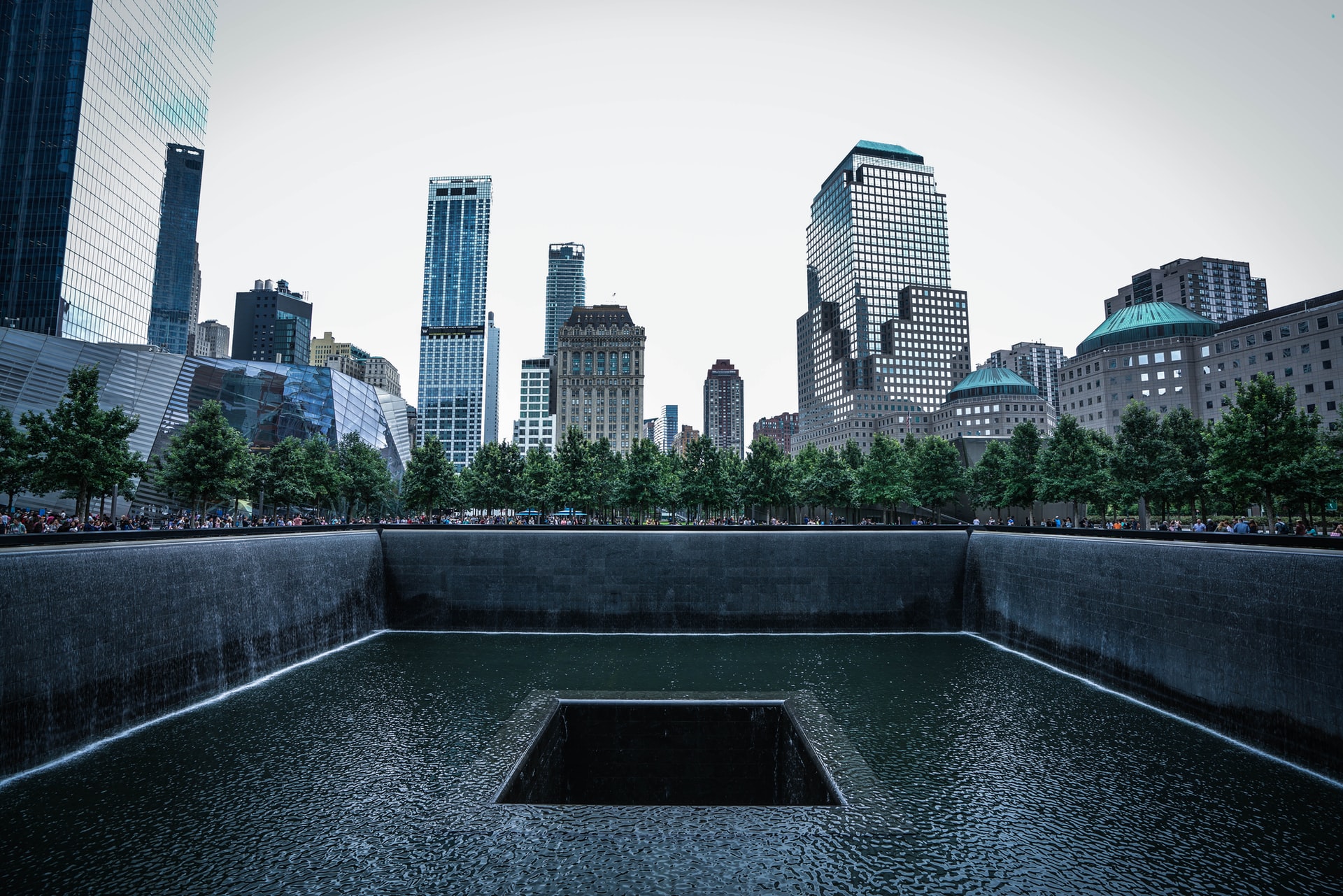
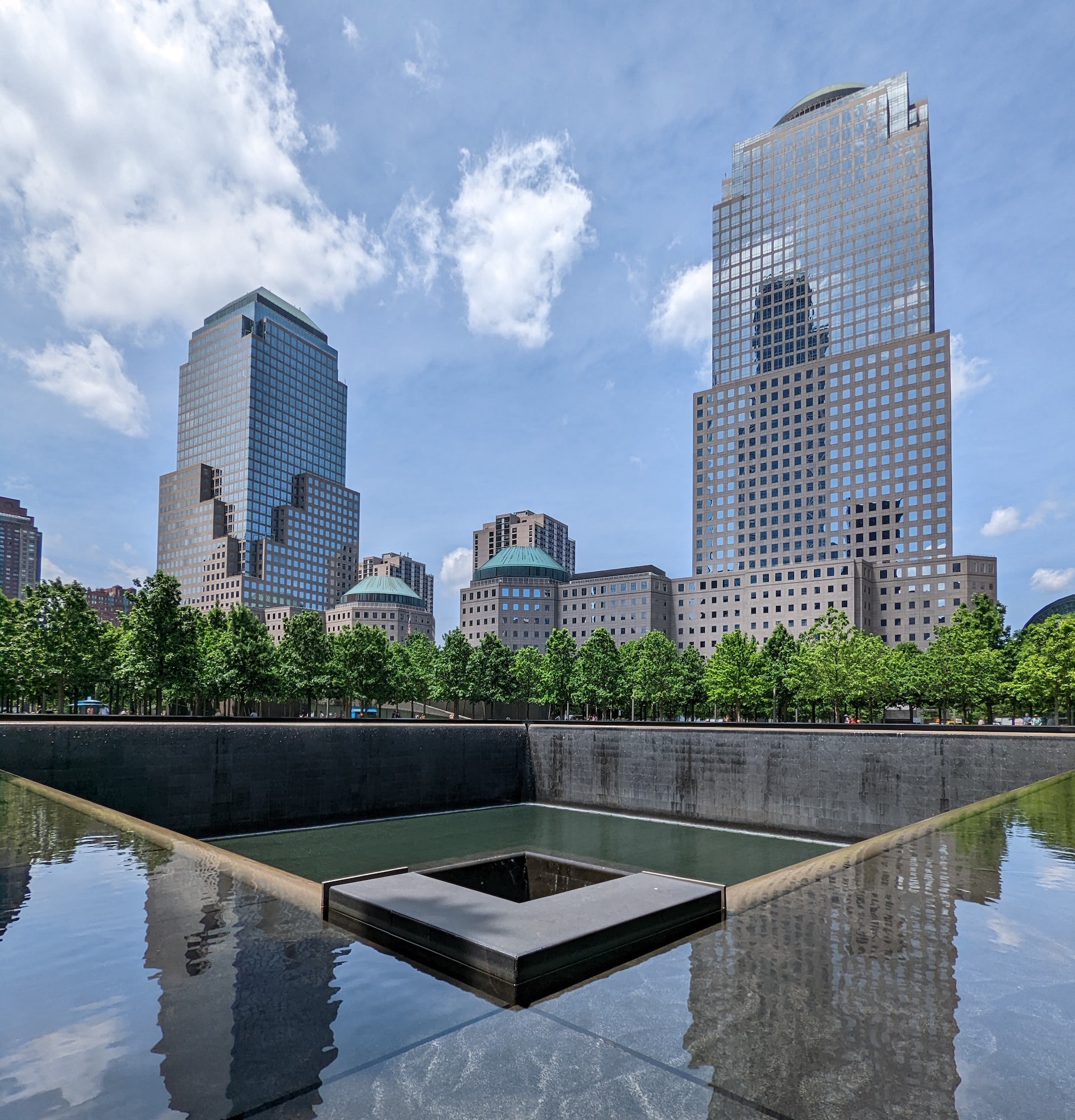
The area now officially designated as Ground Zero is home to the National September 11 Memorial. This profound tribute to the victims of the 2001 and 1993 attacks is designed to honor the nearly 3,000 people who were killed and to acknowledge the enduring spirit of those who survived. The memorial is comprised of two vast, reflecting pools set within the footprints of the original Twin Towers.
These pools, named the North Pool and South Pool, are each nearly an acre in size and descend into a central abyss. The names of every victim are inscribed on the bronze parapets surrounding the pools, a deeply personal and poignant detail for visitors. The design, conceived by architect Michael Arad and landscape architect Peter Walker, emphasizes nature’s presence amidst the urban landscape, with thousands of trees planted throughout the memorial plaza, creating a serene and contemplative atmosphere. Walking through the memorial, one can feel the immensity of the loss, but also the resilience of the human spirit.
The National September 11 Museum
Adjacent to the memorial pools lies the National September 11 Museum. This institution serves as the historical repository and interpretive center for the events of September 11, 2001, and the ongoing legacy of those attacks. The museum is located within the foundation of the former World Trade Center, in the bedrock of the site itself.
Within its walls, visitors encounter a deeply moving collection of artifacts, personal stories, and multimedia displays that chronicle the day, its immediate aftermath, and the long-term consequences. The museum’s narrative is structured to guide visitors through the history of the World Trade Center, the events of September 11, the rescue and recovery efforts, and the rebuilding that has taken place. It is a place of education, reflection, and remembrance, offering context and deeper understanding to the physical location that is Ground Zero.
Navigating to Ground Zero
Accessibility and Transportation
Reaching Ground Zero is a straightforward endeavor, thanks to New York City’s extensive public transportation network. The most convenient way to arrive is by subway. Several lines stop within close proximity to the site. The PATH trains from New Jersey also arrive at the World Trade Center Transportation Hub, making it easily accessible for visitors from across the region.
- Subway Lines:
- A, C, E to World Trade Center station
- 2, 3 to Park Place station
- 4, 5 to Fulton Street station
- R, W to Cortlandt Street station
- J, Z to Chambers Street station
Buses also serve the area, and taxis or ride-sharing services can drop visitors off near the memorial entrance. Driving is generally not recommended due to traffic congestion and limited parking options in the Financial District.
Visitor Experience and Etiquette
Visiting Ground Zero, specifically the National September 11 Memorial & Museum, is a somber and reflective experience. Visitors are encouraged to approach the site with respect and dignity. Photography is permitted in most outdoor areas of the memorial, but visitors should be mindful of others and avoid disruptive behavior. Inside the museum, photography policies are more stringent, typically prohibiting flash photography and certain exhibits to preserve artifacts and maintain the solemn atmosphere.
It is important to remember that this is a memorial site, a place of mourning and remembrance for thousands of families. While it is a significant tourist attraction, its primary purpose is to honor the victims and to serve as a testament to human resilience. Many visitors find it beneficial to allocate ample time to explore the memorial and museum, allowing for moments of quiet contemplation and personal reflection.
The Evolving Landscape: Rebuilding and Resilience
The New World Trade Center Complex
The site of Ground Zero is no longer solely defined by its tragic past; it is also a symbol of renewal and rebirth. The new World Trade Center complex is a testament to this resurgence, featuring gleaming skyscrapers that have reshaped the New York City skyline once again. The most prominent of these is One World Trade Center, the tallest building in the Western Hemisphere, which stands as a beacon of hope and a symbol of the nation’s enduring strength.
Other buildings in the complex include Towers 2, 3, 4, and 7, all contributing to a vibrant business and cultural district. The World Trade Center Transportation Hub, designed by architect Santiago Calatrava, is an architectural marvel in itself, providing a central nexus for transit and retail. The presence of these new structures signifies the successful transformation of the site from a place of devastation to one of renewed life and economic activity.
The Neighborhood’s Transformation
Beyond the immediate footprint of the World Trade Center complex, the surrounding neighborhoods have also seen significant development and revitalization. Areas like Tribeca and the West Village, once primarily residential, now boast a thriving mix of shops, restaurants, and cultural institutions. The Battery Park City neighborhood, located along the Hudson River, offers green spaces and waterfront promenades, providing residents and visitors with a tranquil escape from the urban bustle.
The entire Lower Manhattan area has benefited from the reinvestment and renewed interest in the district. This evolution is a crucial part of the narrative of Ground Zero – not just as a site of remembrance, but as a place that has embraced its past while looking resolutely towards the future. The resilience of New York City is palpable here, a powerful testament to its ability to overcome adversity and rebuild with even greater strength and determination.
LifeOutOfTheBox is a participant in the Amazon Services LLC Associates Program, an affiliate advertising program designed to provide a means for sites to earn advertising fees by advertising and linking to Amazon.com. Amazon, the Amazon logo, AmazonSupply, and the AmazonSupply logo are trademarks of Amazon.com, Inc. or its affiliates. As an Amazon Associate we earn affiliate commissions from qualifying purchases.