
Understanding the quality of tap water is often an overlooked aspect when planning a trip or considering a long-term stay, yet it significantly impacts the comfort and daily experience within any accommodation. For visitors to the Sunshine State, the question “Does Florida have hard water?” is more pertinent than many realize, directly influencing everything from personal hygiene to the longevity of appliances in rented homes and hotels. The short answer is yes; much of Florida is known for its hard to very hard water, a condition stemming from its unique geological foundation.
The Geoscape of Florida’s Water Hardness
The underlying geology of Florida is primarily karstic, characterized by porous limestone. As rainwater filters through this limestone, it dissolves minerals, predominantly calcium and magnesium, picking them up along the way. These dissolved minerals are what define water hardness. The higher the concentration of these minerals, the “harder” the water.
What Constitutes Hard Water?
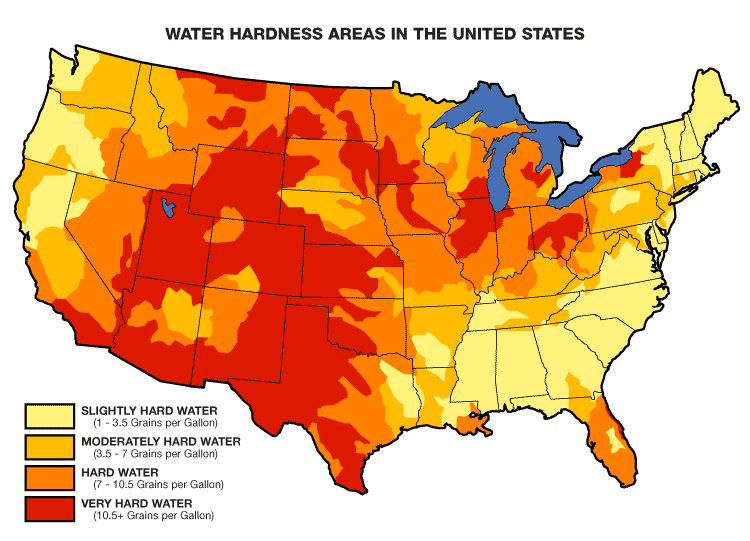
Water hardness is typically measured in grains per gallon (GPG) or milligrams per liter (mg/L), which is equivalent to parts per million (ppm). Generally, water is classified as:
- Soft: Less than 1 GPG
- Slightly Hard: 1-3.5 GPG
- Moderately Hard: 3.5-7 GPG
- Hard: 7-10.5 GPG
- Very Hard: Over 10.5 GPG
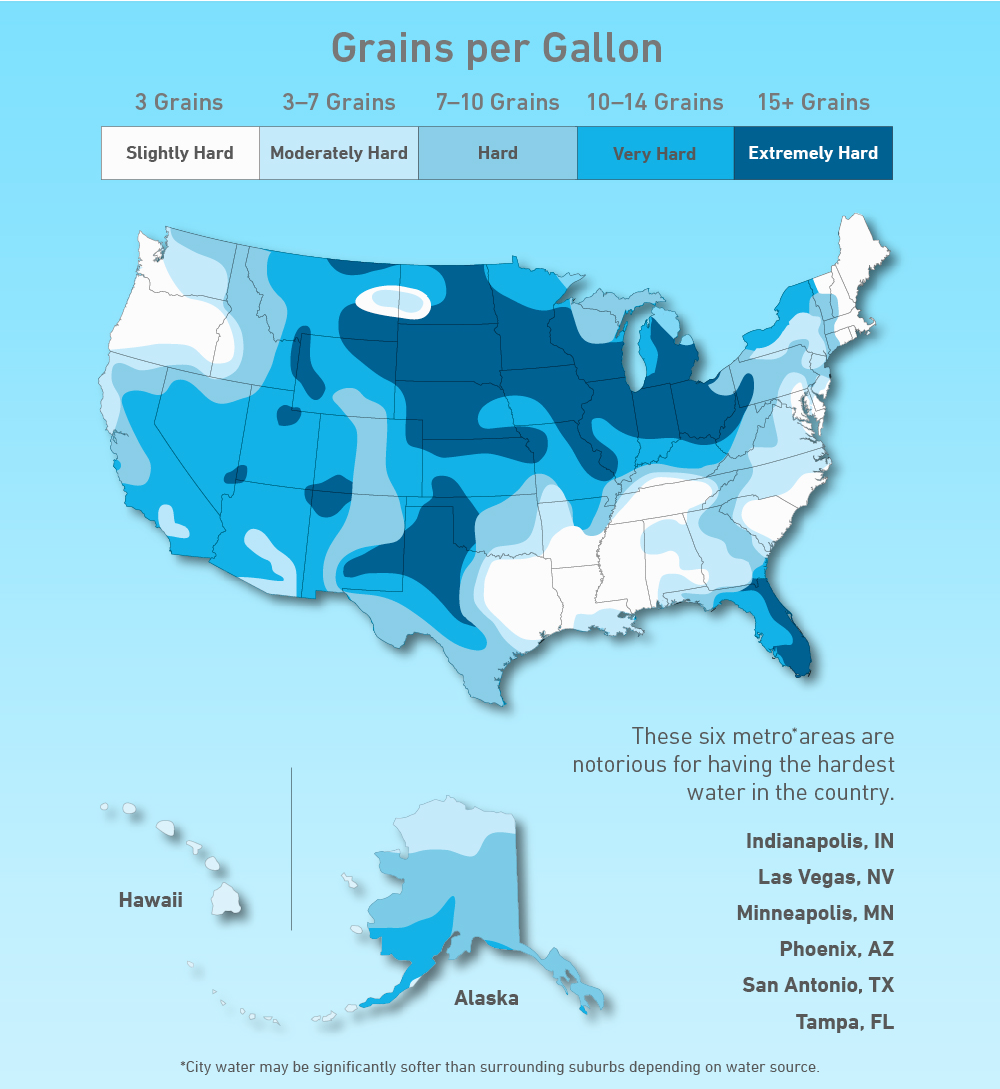
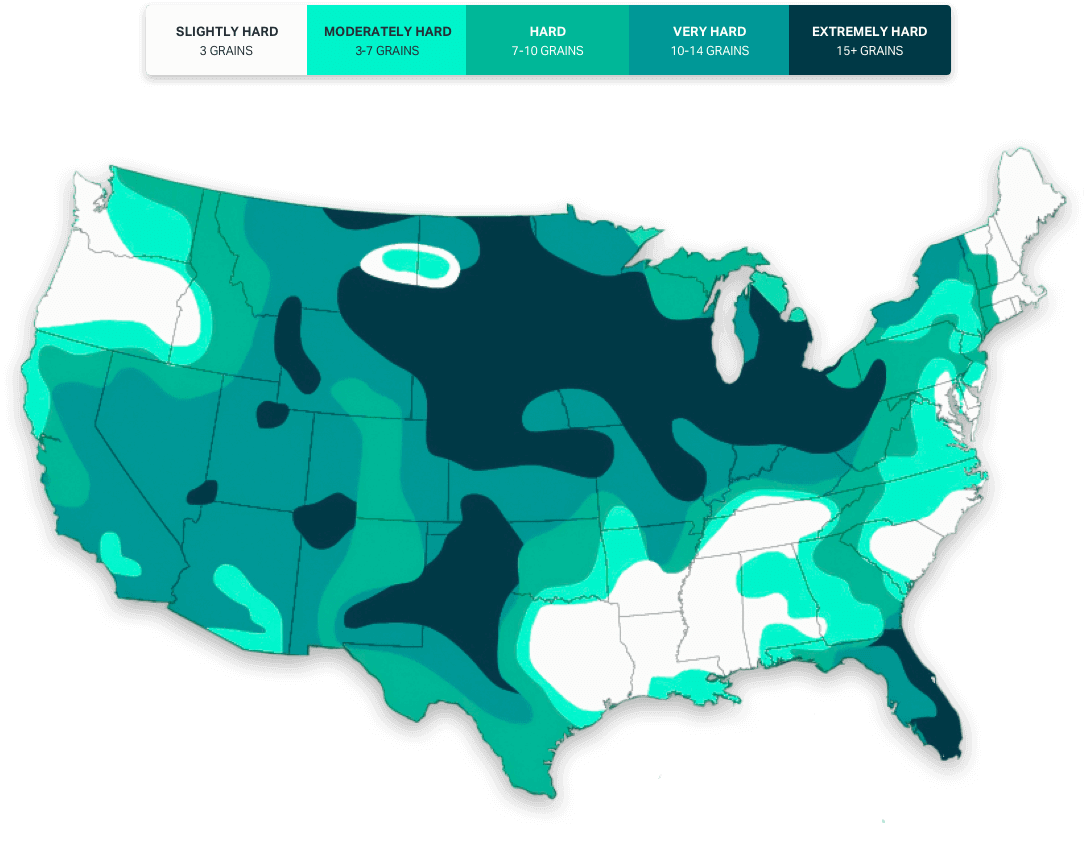
Much of Florida’s groundwater, which supplies a significant portion of its municipalities, falls into the hard to very hard categories, often exceeding 10 GPG. This is due to the state’s proximity to the Florida aquifer system, which is naturally rich in mineral deposits.
Geographic Distribution Across Florida
While hard water is prevalent statewide, its intensity can vary by region. Areas with more direct access to the limestone aquifer tend to experience higher levels of hardness. For instance, central Florida cities like Orlando and Tampa, along with many communities on the Gulf Coast such as Sarasota and Naples, are well-known for their very hard water. Even coastal regions like Miami and Fort Lauderdale experience hard water, though local water treatment plants often mitigate some of the extreme hardness through various processes before it reaches taps. The Florida Keys, relying on a unique desalinization process or pipelines from mainland Florida, might present slightly different profiles, but generally still fall into the hard water category due to the source water.
Implications for Guests and Lodging Operators
The presence of hard water in Florida has tangible effects on the experience of guests staying in hotels, vacation rentals, or long-term accommodations, as well as on the operational aspects for property managers.
Personal Comfort and Hygiene for Travelers
For many, showering in hard water can be a noticeable difference. The minerals prevent soap from lathering effectively, leading to what’s often described as a ‘scummy’ feeling and residue on the skin. Hair may feel dull, sticky, or difficult to manage, and skin can become dry and itchy, especially for individuals with sensitivities like eczema or psoriasis. Travelers may find their usual shampoos, conditioners, and soaps perform differently. This can impact the overall satisfaction with a stay, as basic daily routines become less refreshing. In rental properties, this effect can be even more pronounced, as smaller units may not have the advanced water treatment systems found in larger resorts.
Impact on Laundry and Housekeeping
In accommodations equipped with laundry facilities, hard water presents significant challenges. Clothes washed in hard water often come out feeling stiff, looking dingy, and may even show mineral stains over time. Detergents are less effective, requiring more product to achieve cleanliness, which increases operational costs for hotels and vacation rental managers. For guests staying in self-catering units, this means less efficient laundry cycles and potentially damaged clothing. Housekeeping staff in hotels and resorts constantly battle limescale buildup on fixtures, showerheads, and tiles, which requires stronger cleaning agents and more frequent, intensive cleaning, impacting maintenance budgets and staff time.
Appliance Longevity in Rental Units and Hotels
Appliances that use water, such as dishwashers, washing machines, ice makers, and water heaters, suffer accelerated wear and tear in hard water environments. Mineral deposits (limescale) accumulate inside pipes and heating elements, reducing efficiency and eventually leading to costly breakdowns. For vacation rental owners and hotel operators, this translates to higher utility bills, more frequent maintenance, and earlier replacement of expensive equipment. Guests in long-term rentals might also experience reduced performance from these appliances, impacting their daily convenience. Even coffee makers and kettles, common amenities in many accommodations, are susceptible to limescale, potentially affecting the taste of beverages and requiring regular descaling.
Managing Hard Water Challenges in Florida Stays
Addressing hard water issues is crucial for enhancing guest satisfaction and optimizing operational efficiency in Florida’s accommodation sector.
Water Softening Solutions in Various Accommodations
Larger hotels and upscale resorts in Florida frequently invest in commercial-grade water softening systems. These systems typically use ion exchange to remove calcium and magnesium ions, replacing them with sodium ions, resulting in soft water throughout the property. This investment significantly improves guest experience, reduces cleaning efforts, and extends the lifespan of plumbing and appliances. For vacation rentals and smaller boutique hotels, point-of-entry (POE) water softeners are a popular and effective solution, treating all water entering the property. Some properties might opt for point-of-use filters for drinking water at sinks, but a whole-house softener is needed for full effect on bathing and appliance use.
Tips for Guests in Hard Water Areas
Travelers sensitive to hard water can take proactive steps. Carrying travel-sized clarifying shampoos or specific hair and skin products designed to combat mineral buildup can be beneficial. Using leave-in conditioners or hair masks can help mitigate dryness. For laundry in rental units, using slightly more detergent than usual or adding a water softening additive can improve results. Some frequent travelers to hard water destinations even pack a small portable shower filter, which can be easily installed and removed, offering immediate relief during short stays.
Choosing Accommodations with Water Quality in Mind
When selecting a place to stay in Florida, especially for extended periods or if you have specific sensitivities, considering water quality can significantly enhance your experience.
Inquiring About Water Treatment
Don’t hesitate to ask property managers or hotel staff about their water treatment solutions. A simple inquiry such as, “Do you have a water softener installed?” or “How do you manage hard water?” can provide valuable insight. Many reputable establishments, especially those catering to long-term guests or those offering high-end amenities, will proudly highlight their efforts to provide quality water. For vacation rentals, this information might be found in the property description or can be requested directly from the host.
The Role of Online Reviews
Online reviews are an invaluable resource. Guests often comment on aspects like water pressure, water quality, and general comfort. Look for phrases in reviews such that mention “great showers,” “soft skin,” or conversely, “dry hair,” “soapy residue,” or “stained dishes.” These anecdotal observations can offer clues about the water hardness and whether the accommodation has effectively addressed it. Platforms listing vacation rentals and hotels like those found for St. Augustine or Jacksonville frequently contain such guest feedback.
The Broader Context: Why it Matters for Your Florida Stay
Understanding Florida’s hard water landscape goes beyond mere curiosity; it’s a practical consideration that impacts the daily comfort, health perception, and overall satisfaction of any accommodation experience.
Health Perceptions vs. Realities
While hard water is generally safe to drink and not considered a health hazard, the mineral content can leave a metallic taste some find unpleasant. For individuals sensitive to the drying effects on skin and hair, it can lead to discomfort, flakiness, or aggravate pre-existing conditions. These are not typically severe health risks but can certainly detract from the luxury or comfort expected during a vacation or a long-term residence. High mineral content can also contribute to scale buildup in internal plumbing, though this is primarily an infrastructure concern rather than a direct health issue for consumers of the water.
Enhancing the Overall Accommodation Experience
Ultimately, proactive management of hard water by accommodation providers, and informed choices by guests, contribute to a more enjoyable and seamless experience. For hotels, resorts, and vacation rental owners, investing in water softening systems is an investment in guest satisfaction, reduced maintenance, and appliance longevity, leading to better reviews and repeat business. For guests, being aware of the issue allows for better preparation, ensuring that their stay in beautiful Florida is as comfortable and hassle-free as possible, from the moment they check in to their daily routines.
LifeOutOfTheBox is a participant in the Amazon Services LLC Associates Program, an affiliate advertising program designed to provide a means for sites to earn advertising fees by advertising and linking to Amazon.com. Amazon, the Amazon logo, AmazonSupply, and the AmazonSupply logo are trademarks of Amazon.com, Inc. or its affiliates. As an Amazon Associate we earn affiliate commissions from qualifying purchases.