
The name “New York” conjures a kaleidoscope of images: towering skyscrapers piercing the clouds, the glittering lights of Broadway, the iconic silhouette of the Statue of Liberty, and the relentless energy of a city that never sleeps. But where, precisely, does this global metropolis reside? New York is not merely a city; it is a multifaceted entity encompassing both a vibrant urban core and a vast, diverse state. Understanding its geography is key to appreciating its scale, its influence, and the myriad experiences it offers to any traveler.
The Empire State: A Geographic Overview
New York State, affectionately known as the “Empire State,” is situated in the northeastern United States, bordering six other states and Canada. Its strategic location has historically made it a pivotal hub for commerce, culture, and migration. To the west and south, it shares a border with Pennsylvania and New Jersey. To the east, it is bordered by Connecticut, Massachusetts, and Vermont. To the north, it stretches along the St. Lawrence River and Lake Ontario, forming a significant portion of the international border with Canada.
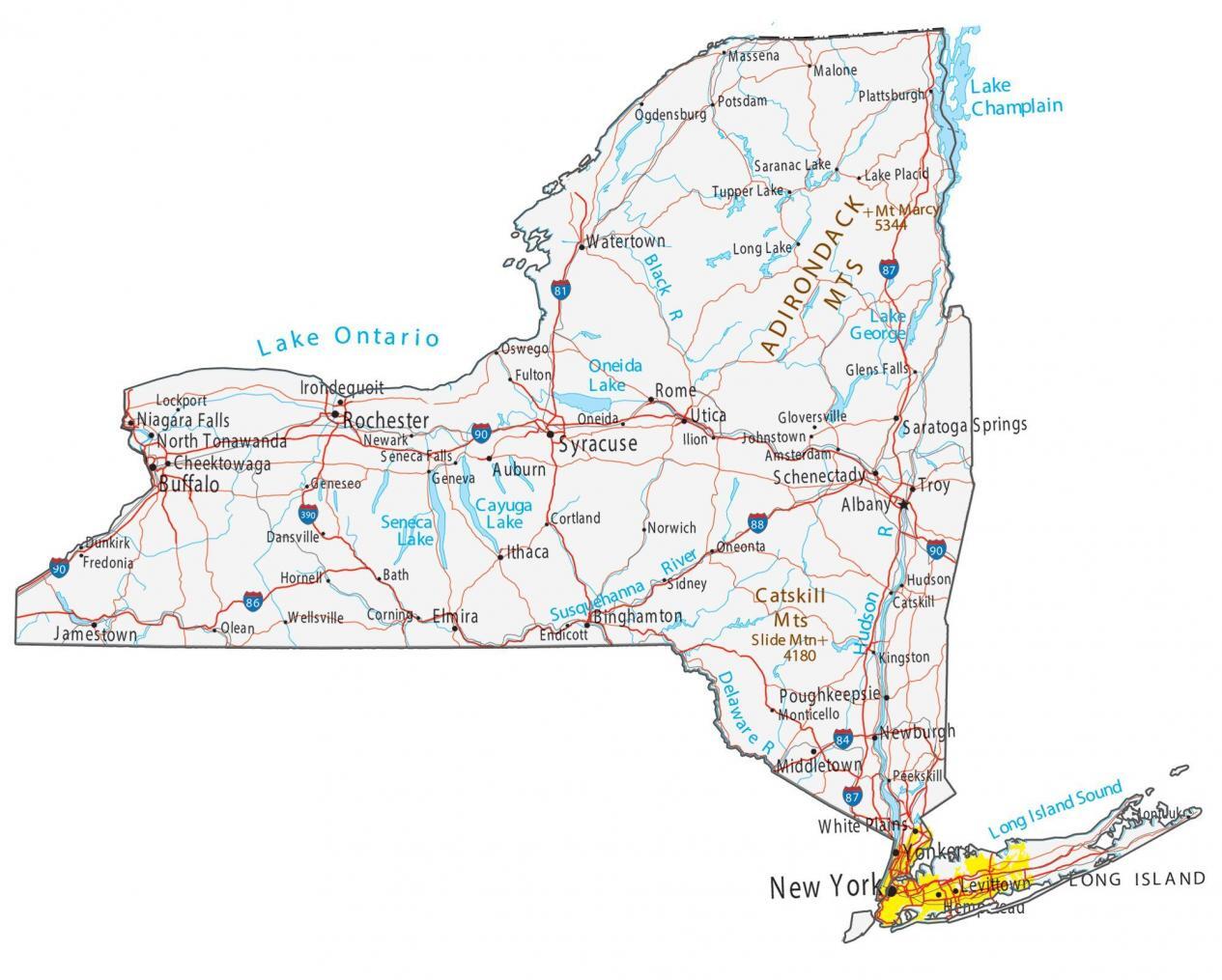
The state’s geography is as varied as its population. It ranges from the Appalachian Mountains in the south to the Adirondack Mountains in the north. The majestic Niagara Falls, a natural wonder shared with Canada, is a testament to the state’s dramatic landscapes. Long Island, a large island east of Manhattan, is a popular destination for beaches and suburban life, while the Finger Lakes region in the west is renowned for its vineyards and pristine lakes.
The Powerhouse: New York City
When most people utter the phrase “New York,” they are invariably referring to New York City, a global epicenter of finance, fashion, art, and entertainment. Located in the southeastern corner of the state, on the Atlantic coast, New York City is an intricate tapestry of five distinct boroughs:
- Manhattan: The island borough, the heart of the city’s iconic skyline, is home to major financial districts like Wall Street, world-class museums such as the Metropolitan Museum of Art and the Museum of Modern Art, and the vibrant theater district of Times Square.
- Brooklyn: Located across the East River from Manhattan, Brooklyn is known for its trendy neighborhoods, diverse culinary scene, and the historic Brooklyn Bridge.
- Queens: The largest borough in land area, Queens is a melting pot of cultures and cuisines, featuring Flushing Meadows–Corona Park, home to the U.S. Open tennis tournament, and JFK International Airport.
- The Bronx: The only mainland borough, the Bronx is the birthplace of hip-hop and boasts beautiful parklands like Yankee Stadium and the Bronx Zoo.
- Staten Island: The southernmost borough, accessible by a free ferry ride offering spectacular views of the Manhattan skyline and the Statue of Liberty, provides a more suburban feel with its parks and historic sites.
The city’s location at the mouth of the Hudson River provided a natural deep-water port, which was instrumental in its development as a major global trading center. Its proximity to major shipping lanes and its connection to the interior of the continent via the Hudson River and the Erie Canal solidified its commercial dominance.
Beyond the City Lights: Upstate New York
While New York City often steals the spotlight, “Upstate New York” offers a dramatically different, yet equally captivating, travel experience. This vast expanse of the state is characterized by rolling hills, expansive forests, sparkling lakes, and charming towns and cities, each with its own unique character.
The Adirondacks and the Catskills: Wilderness Escapes
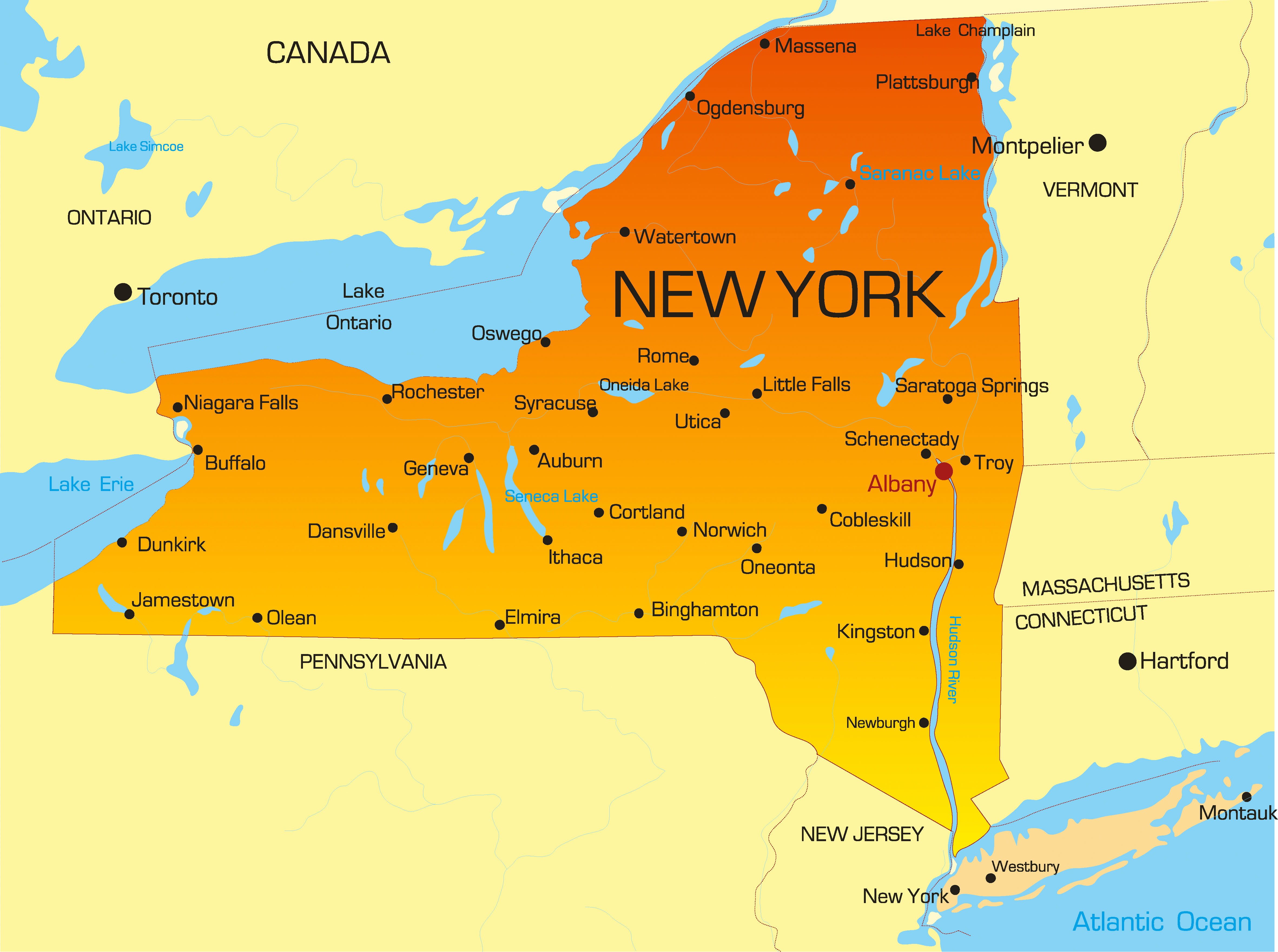
The Adirondack Mountains form a massive wilderness area in the northern part of the state, often referred to as the “High Peaks.” This region is an outdoor enthusiast’s paradise, offering unparalleled opportunities for hiking, camping, fishing, and winter sports. Iconic peaks like Mount Marcy, the state’s highest point, draw adventurers from around the globe. The Adirondack Park is larger than many national parks in the United States combined, a testament to its preserved natural beauty.
Further south, the Catskill Mountains offer a more accessible, yet equally scenic, retreat. Known for their lush forests, winding rivers, and dramatic escarpments, the Catskills have a rich history as a resort destination and a haven for artists and writers. Hiking trails abound, leading to picturesque waterfalls and stunning vistas, particularly during the vibrant autumn foliage season.
The Great Lakes and the St. Lawrence River: Waterways of Wonder
New York State’s northern and western borders are defined by significant bodies of water. The Great Lakes – Lake Erie and Lake Ontario – offer vast freshwater coastlines, recreational opportunities, and stunning natural phenomena. The aforementioned Niagara Falls is a prime example of the breathtaking beauty found along these waterways. The St. Lawrence River, which forms a significant part of the border with Canada, is a vital shipping route and a region of natural beauty, dotted with islands and offering opportunities for boating and exploration.
The Finger Lakes: Wine and Natural Beauty
Nestled in west-central New York, the Finger Lakes region is a series of long, narrow glacial lakes that stretch south from Lake Ontario. This area has gained international recognition for its thriving wine industry, with vineyards producing award-winning Rieslings, Chardonnays, and other varietals. Beyond wine tasting, the region boasts charming lakeside towns, state parks with dramatic gorges and waterfalls like Watkins Glen State Park, and opportunities for sailing, fishing, and hiking.
Capital Region and Beyond: Historical and Cultural Hubs
The state capital, Albany, is located on the Hudson River in the eastern part of the state. It is a city rich in history, with a prominent capitol building and numerous historical sites. Further west, cities like Rochester, Syracuse, and Buffalo are significant cultural and economic centers, each with its own distinct character, museums, culinary offerings, and vibrant arts scenes. Buffalo, in particular, is a gateway to the Canadian side of Niagara Falls and offers a wealth of architectural gems, including works by Frank Lloyd Wright.
Navigating New York: Travel Considerations
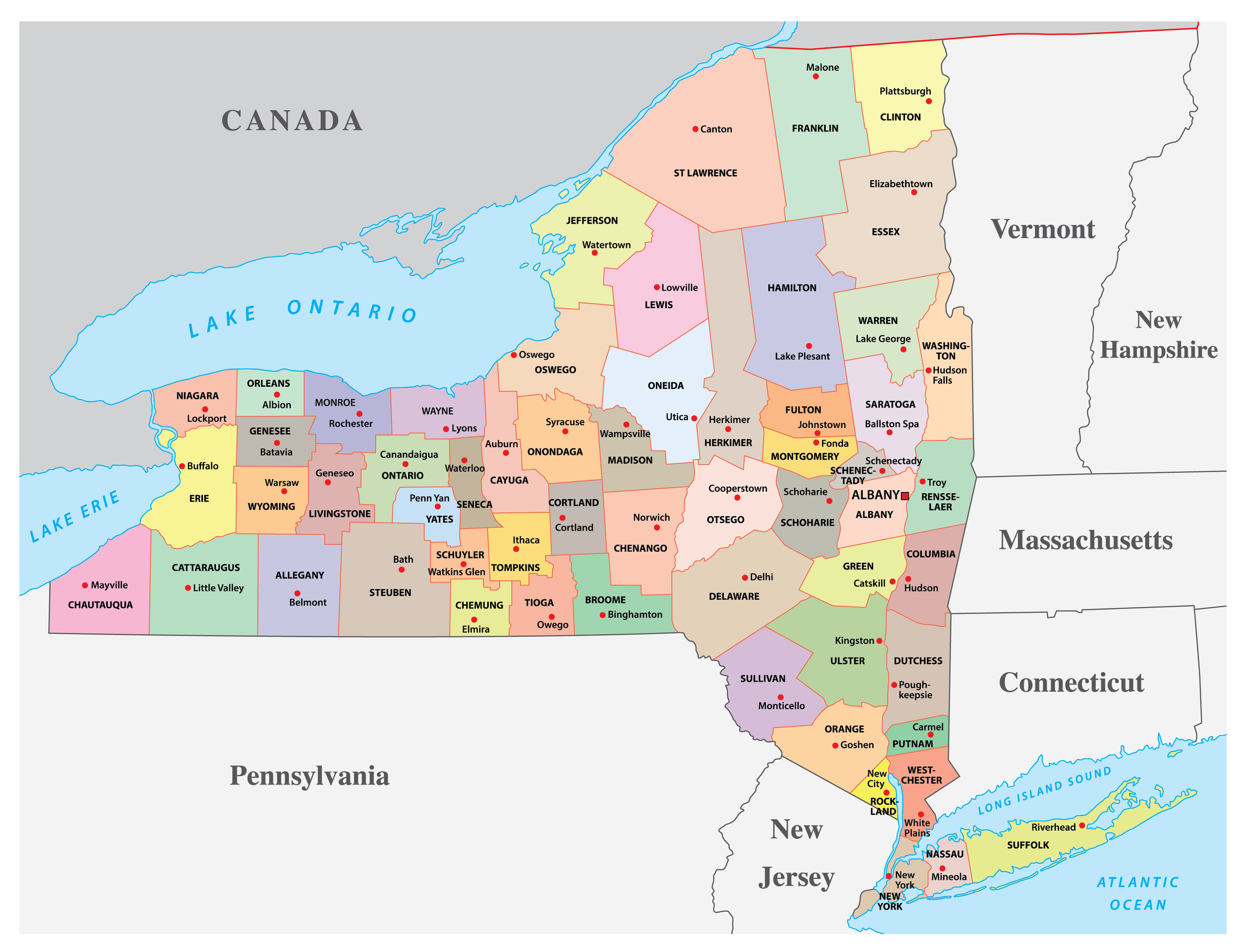
Understanding the geography of New York is crucial for any traveler. The sheer scale of the state means that journeys between New York City and destinations in Upstate New York can be significant, often requiring flights, long train rides, or substantial drives.
- Transportation within New York City: The city is famously served by an extensive public transportation system, including the New York City Subway, buses, and commuter rail lines like the Long Island Rail Road and Metro-North Railroad.
- Intercity Travel: For travel between New York City and other parts of the state, Amtrak trains offer a scenic and comfortable option, while major airports like JFK International Airport, LaGuardia Airport, and Newark Liberty International Airport (located in New Jersey but serving the New York metropolitan area) provide access to domestic and international destinations. Driving offers flexibility but can be subject to heavy traffic, especially around the metropolitan area.
Whether one seeks the pulsating energy of its world-famous metropolis or the serene beauty of its natural landscapes, New York offers a diverse range of travel experiences. Its placement on the map is not just a matter of latitude and longitude, but a confluence of geographical features that have shaped its history, its culture, and its enduring appeal as a premier global destination.
LifeOutOfTheBox is a participant in the Amazon Services LLC Associates Program, an affiliate advertising program designed to provide a means for sites to earn advertising fees by advertising and linking to Amazon.com. Amazon, the Amazon logo, AmazonSupply, and the AmazonSupply logo are trademarks of Amazon.com, Inc. or its affiliates. As an Amazon Associate we earn affiliate commissions from qualifying purchases.