
San Antonio, Texas, a city rich in history, vibrant culture, and an undeniable charm, beckons travelers year-round. From the iconic Alamo to the picturesque Riverwalk, its allure is constant, but the experience can vary significantly with the seasons. Understanding the temperature and climate patterns in San Antonio is paramount for any visitor, whether you’re planning a family vacation, a romantic getaway, or a business trip. The weather dictates everything from what to pack to the best time for outdoor activities, influencing your choice of accommodation and overall travel itinerary. This guide delves into the climate of San Antonio, offering insights into what temperatures to expect throughout the year and how they shape the city’s unique tourism and lifestyle offerings.
San Antonio’s Climate: A Year-Round Overview
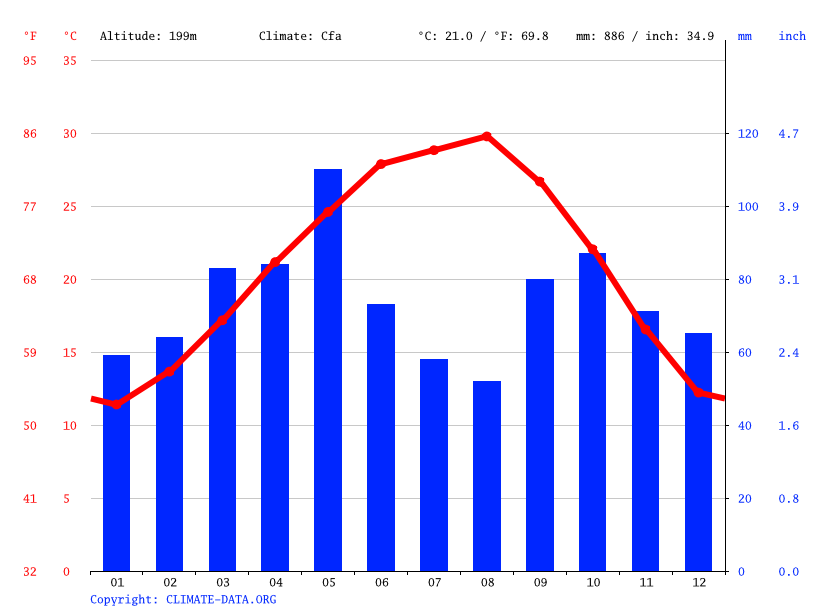
San Antonio experiences a humid subtropical climate, characterized by hot summers and mild to cool winters. This means the city enjoys four distinct seasons, each with its own charm and set of weather characteristics. Unlike some regions that suffer from extreme cold or relentless heat for extended periods, San Antonio’s climate generally allows for a wide range of activities to be enjoyed throughout the year, provided you plan accordingly. Humidity plays a significant role, especially during the warmer months, contributing to the “feel like” temperature often being higher than the actual mercury reading. Understanding this annual cycle is key to maximizing your enjoyment of San Antonio’s myriad attractions and experiences.

Understanding the Seasons and Their Impact
The variability in San Antonio’s weather ensures that no two visits are exactly alike. Travelers interested in vibrant outdoor festivals might prefer the spring, while those seeking refuge from colder northern climes might find winter appealing. Families looking for water park adventures will gravitate towards the summer, and foodies exploring local culture will find autumn perfect for outdoor dining and market visits in areas like the Pearl District. Each season presents unique opportunities and challenges, making informed planning essential for a memorable trip.
Springtime in San Antonio (March – May)
Spring is arguably one of the most beloved seasons in San Antonio, offering a delightful escape with mild temperatures and blooming landscapes.
Temperatures and Weather:
As March arrives, winter’s chill begins to recede, giving way to increasingly pleasant conditions. Average daytime temperatures in March range from the low 70s°F (20s°C), climbing into the high 70s°F to low 80s°F (25-29°C) by May. Nights remain comfortably cool, typically in the 50s°F (10-15°C) in early spring, warming to the 60s°F (15-20°C) by late May. Humidity is generally lower than in summer, making outdoor exploration very enjoyable. While spring showers are common, especially in May, they typically bring refreshing breaks rather than prolonged downpours.
Activities and Attractions:
This season is ideal for exploring San Antonio’s outdoor treasures. A stroll along the Riverwalk becomes an even more enchanting experience as flowers blossom and the air is crisp. The San Antonio Missions National Historical Park, including the famous Alamo, offers comfortable conditions for historical exploration. The San Antonio Botanical Garden is in full bloom, presenting a stunning display of local flora. Spring is also home to one of San Antonio’s largest and most vibrant celebrations: Fiesta San Antonio, a city-wide festival featuring parades, music, and food, typically held in April. Other popular activities include visiting the San Antonio Zoo and enjoying outdoor dining experiences.
Travel Tips and Accommodation:
Given the idyllic weather and popular events like Fiesta San Antonio, spring is a peak travel season. It’s highly advisable to book your accommodation well in advance, especially if your visit coincides with major festivals or holidays. Hotels along the Riverwalk, such as the Hyatt Regency San Antonio Riverwalk or the Grand Hyatt San Antonio, are particularly sought after for their prime locations and amenities. Packing layers is a smart strategy, allowing you to adapt to cooler mornings and evenings, and warmer afternoons.
Summer’s Embrace: June, July, August
Summer in San Antonio is characterized by intense heat and humidity, offering a different kind of adventure for the resilient traveler.
Temperatures and Weather:
From June through August, temperatures consistently soar, with average daytime highs often reaching the mid-90s°F (35°C) or even pushing into the 100s°F (38°C). The humidity adds to the intensity, making the “real feel” temperature even higher. Nights offer little relief, often staying in the mid-70s°F (24-25°C). While the sun is intense, afternoon thunderstorms can provide brief, albeit humid, respites, particularly in late summer.
Activities and Attractions:
Summer is the prime season for water-centric activities and indoor attractions. Thrill-seekers can cool off at theme parks like Six Flags Fiesta Texas or the renowned Schlitterbahn Waterpark in nearby New Braunfels. Indoor cultural experiences are a fantastic way to beat the heat, with attractions such as the San Antonio Museum of Art, the Witte Museum, and, of course, the Alamo, which provides air-conditioned comfort. Evening activities along the Riverwalk become particularly popular once the sun sets, as the temperatures are more bearable.
Travel Tips and Accommodation:
Hydration is absolutely critical during summer visits. Always carry water, wear light and breathable clothing, and seek shade whenever possible. Plan outdoor activities for early mornings or late evenings. Many hotels, recognizing the summer heat, offer excellent pools and amenities for cooling off. Look for properties like the Mokara Hotel & Spa which boast luxurious pool areas, or consider hotels with direct Riverwalk access for convenience. While not typically a peak season for general tourism due to the heat, specific family-friendly resorts and water parks can be quite busy, so booking accommodations for these specialized experiences is still recommended.

Autumn’s Allure: September, October, November
As the intense summer heat begins to wane, autumn emerges as another delightful time to visit San Antonio, offering comfortable temperatures and a festive atmosphere.
Temperatures and Weather:
September still carries some of summer’s warmth, with daytime highs in the low 90s°F (32-33°C), but by October, the weather becomes truly pleasant, settling into the mid-70s°F to low 80s°F (24-28°C). November sees temperatures further cool, ranging from the mid-60s°F to low 70s°F (18-23°C). Humidity significantly drops, making for crisp, clear days perfect for outdoor adventures. Nights are comfortably cool, often in the 50s°F to 60s°F (10-18°C).
Activities and Attractions:
Autumn is perfect for exploring San Antonio’s rich history and vibrant neighborhoods. The pleasant weather makes it ideal for walking tours of the historic districts, exploring the Pearl District with its farmer’s market and culinary scene, or embarking on longer excursions to natural wonders like Natural Bridge Caverns. Fall festivals, Halloween events, and early holiday celebrations begin to emerge, adding to the city’s lively ambiance. Outdoor dining becomes a favorite pastime, and the Riverwalk remains a central hub for evening entertainment.
Travel Tips and Accommodation:
Like spring, autumn is a very popular time for tourism due to the favorable weather. If you’re planning a trip during this season, particularly in October or November, it’s wise to secure your hotel bookings well in advance. Iconic hotels like Hotel Emma at the Pearl District or the historic The St. Anthony offer unique luxury travel experiences that are highly sought after. Layers are still recommended for packing, as temperatures can fluctuate between day and night.
Winter’s Mild Charm: December, January, February
Winter in San Antonio offers a welcome respite from the severe cold experienced in many other parts of the United States, making it an attractive destination for those seeking mild conditions.
Temperatures and Weather:
Winters are generally mild and relatively dry. Daytime temperatures typically range from the low 60s°F to low 70s°F (16-22°C), with nights dropping into the 40s°F (4-9°C). While cold fronts can occasionally bring temperatures down to freezing or slightly below, these periods are usually short-lived. Snow is an extremely rare occurrence. The weather tends to be crisp and clear, though some rainy days can occur.
Activities and Attractions:
The mild winter weather is perfect for exploring San Antonio’s museums, art galleries, and historical sites without the summer crowds or heat. The city truly shines during the holiday season, with the Riverwalk adorned with millions of twinkling lights, creating a magical atmosphere for holiday boat rides and festive dining. Indoor attractions like the Buckhorn Saloon & Museum or shopping at unique boutiques offer cozy diversions. It’s also an excellent time for long-term stays, allowing visitors to immerse themselves in local culture and lifestyle at a more relaxed pace.
Travel Tips and Accommodation:
Winter can be a great time for budget travel, especially outside of the Christmas and New Year’s holidays. Accommodation prices tend to be lower, and crowds are thinner, allowing for a more intimate experience. Booking is still recommended around major holidays. While the weather is generally mild, it’s essential to pack warmer layers, including a jacket, especially for evenings or if a cold front passes through. Enjoying hot Texas chili or a warm cup of coffee at a local café adds to the winter charm.
Planning Your San Antonio Adventure: Essential Considerations
Regardless of when you decide to visit, thoughtful planning will enhance your San Antonio experience.
What to Pack for Each Season
- Spring & Fall: Layers are key. Light long-sleeved shirts, sweaters or light jackets for evenings, comfortable walking shoes. Rain gear is advisable for spring.
- Summer: Lightweight, breathable clothing (cotton, linen), wide-brimmed hats, sunglasses, sunscreen, and plenty of water bottles. Swimsuits for hotel pools or water parks.
- Winter: Medium-weight jacket or coat, sweaters, long pants, and closed-toe shoes. Layers are still useful, as daytime temperatures can be quite pleasant.
Best Time to Visit Based on Your Interests
- Outdoor Activities & Festivals (e.g., Fiesta San Antonio): Spring (March-May) or Fall (October-November) offer the most comfortable temperatures.
- Water Parks & Avoiding Crowds (if heat-tolerant): Summer (June-August) is perfect for aquatic fun, and some attractions might be less crowded during peak daytime hours.
- Budget Travel & Mild Climate Escape: Winter (December-February), particularly after the holidays, offers good value and pleasant walking weather.
- Local Culture & Food Exploration: Any time of year, as San Antonio’s culinary scene and cultural activities thrive year-round, but spring and fall offer the most comfortable outdoor dining.
Accommodation Strategies
San Antonio boasts a diverse range of accommodation options, from luxury resorts to boutique hotels and budget-friendly suites. For peak seasons (spring and fall), booking well in advance is crucial, especially for popular areas like the Riverwalk or the Pearl District. Consider amenities like pools for summer visits or central locations for walkable access to attractions. Reviewing different options based on your lifestyle (luxury travel, family trips, business stays) can help you find the perfect fit. Websites comparing hotel options and showcasing reviews can be invaluable tools for finding your ideal stay.
Navigating San Antonio and Local Lifestyle
Getting around San Antonio is relatively easy. The city center is very walkable, especially around the Riverwalk and the Alamo. For longer distances, ride-sharing services are readily available, and the VIVA bus system offers convenient routes to major tourist attractions. Embracing the local culture means trying authentic Tex-Mex cuisine, exploring the historic missions, and taking time to enjoy the city’s unique blend of tradition and modernity. Each season brings a slightly different flavor to these experiences, encouraging visitors to return and discover something new.
In conclusion, San Antonio, Texas, is a city that can be thoroughly enjoyed throughout the year, each season offering its distinct personality and advantages. While summer brings intense heat, it opens doors to refreshing water adventures. Spring and autumn provide ideal, mild conditions for exploring the city’s rich history and vibrant outdoor life. Winter, with its gentle coolness, offers a tranquil escape and festive holiday charm. By understanding the typical temperatures and planning your activities and accommodation accordingly, you can ensure your visit to this magnificent Texas gem is nothing short of extraordinary, no matter what the thermometer reads.
LifeOutOfTheBox is a participant in the Amazon Services LLC Associates Program, an affiliate advertising program designed to provide a means for sites to earn advertising fees by advertising and linking to Amazon.com. Amazon, the Amazon logo, AmazonSupply, and the AmazonSupply logo are trademarks of Amazon.com, Inc. or its affiliates. As an Amazon Associate we earn affiliate commissions from qualifying purchases.