
Often characterized by its vast, open landscapes and resilient spirit, North Dakota stands as a unique gem in the United States. While it might not boast the sprawling metropolises or dense populations of coastal states, its distinct charm, thriving industries, and incredible natural beauty offer a compelling narrative for travelers, residents, and those curious about the interplay between demographics and destiny. Understanding the population of North Dakota isn’t just about a number; it’s about delving into the heart of its culture, economy, and the very fabric of life in the Upper Midwest. This article will explore the demographic landscape of North Dakota, its implications for tourism, accommodation, and lifestyle, and why this sparsely populated state offers an abundance of rich experiences.
Understanding North Dakota’s Unique Demographic Landscape
North Dakota consistently ranks among the least populated states in the U.S., a characteristic that profoundly shapes its identity. Far from being a drawback, this lower population density contributes to the state’s wide-open spaces, pristine natural environments, and close-knit communities, all of which are significant drawcards for certain types of travelers and residents.
Population Trends and Distribution
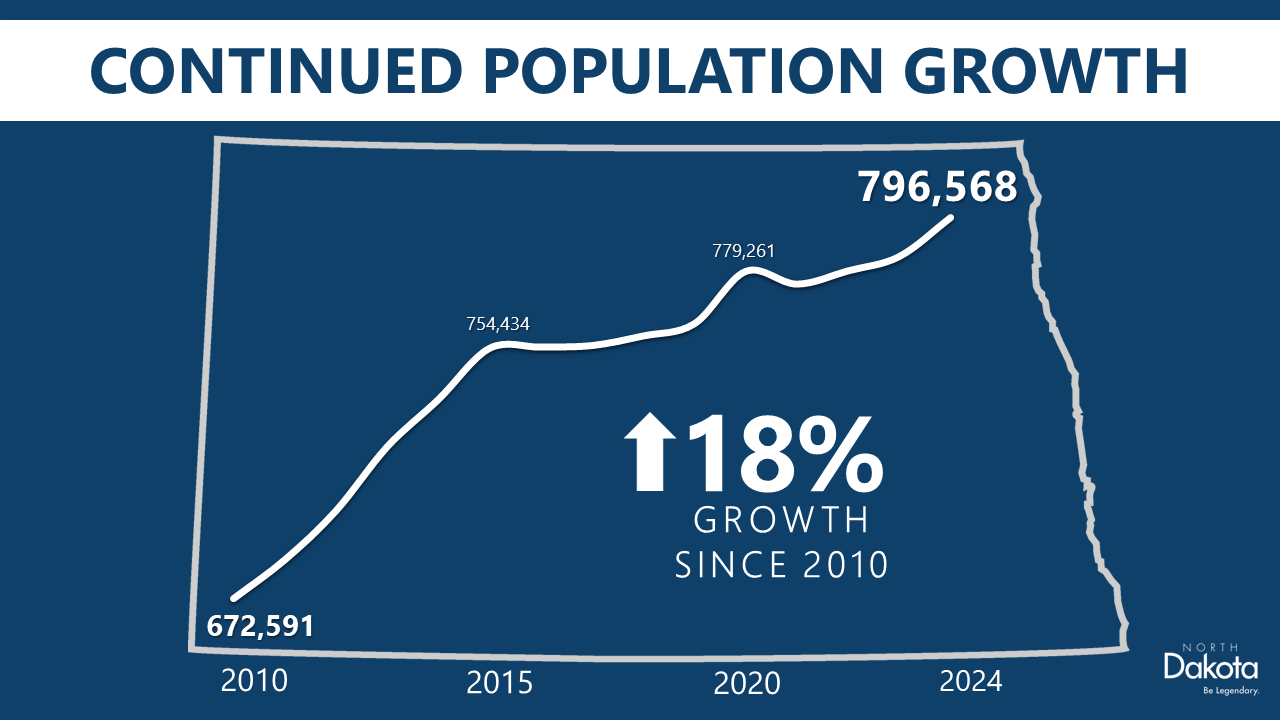
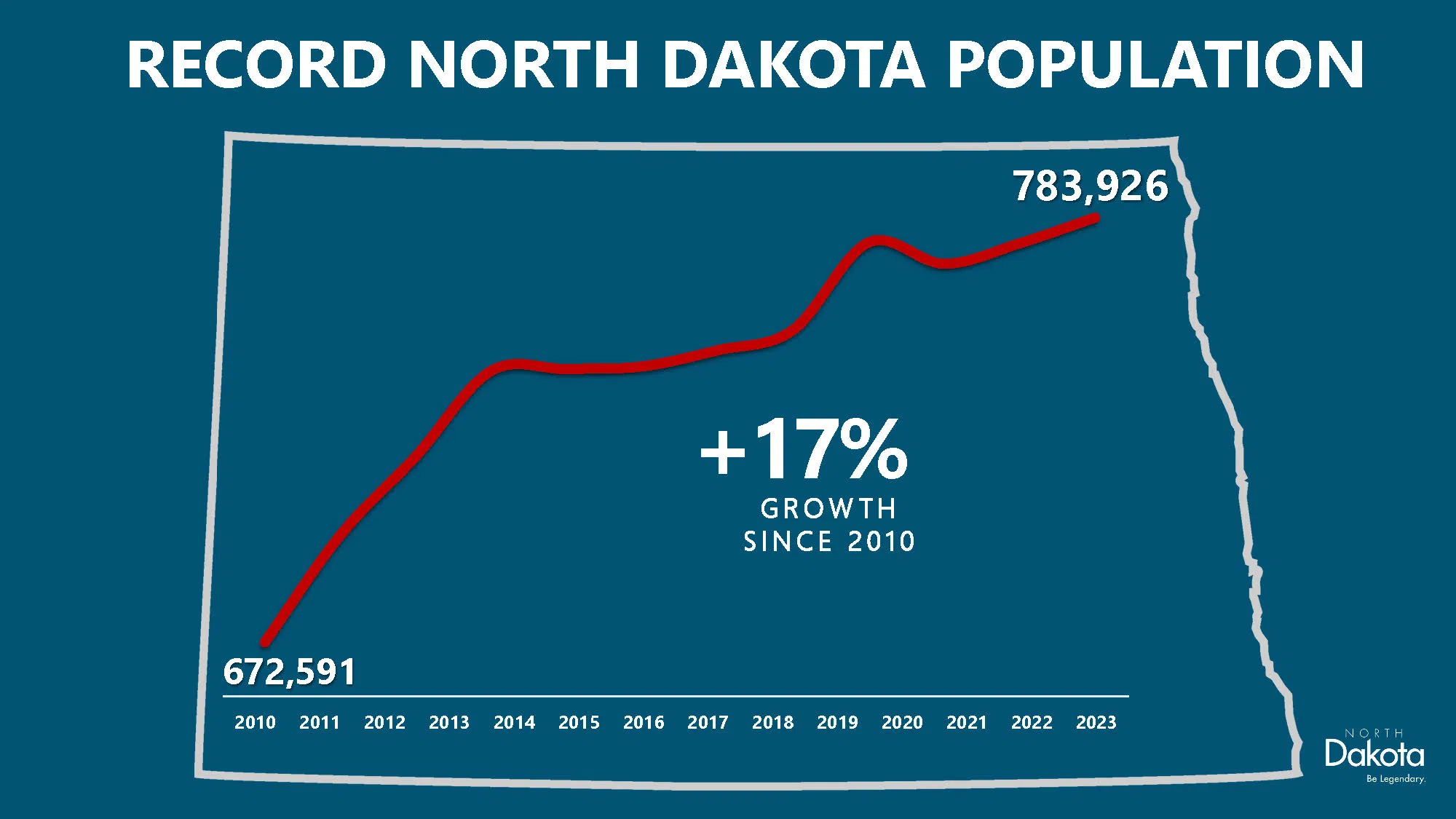
As of recent estimates (e.g., 2023), the population of North Dakota hovers around 780,000 residents. This figure represents a fascinating journey through historical fluctuations. The state’s population peaked in the 1930s, saw a subsequent decline, and then experienced a significant resurgence in the 2010s, largely propelled by the booming oil industry, particularly in the Bakken Formation. This period of growth brought new residents, jobs, and investment, revitalizing many communities.
Despite this growth, North Dakota’s population density remains remarkably low, averaging around 11 people per square mile. This statistic immediately paints a picture of vast plains, expansive farmlands, and sprawling natural areas where human development takes a backseat to the grandeur of nature.
The population, though small, is not evenly distributed. Urban centers act as hubs of activity and commerce, attracting the majority of residents. The most populous cities include:
- Fargo: The largest city, a vibrant metropolitan area with a population of approximately 128,000. Fargo serves as a regional economic and cultural center, home to universities, diverse dining, and a thriving arts scene.
- Bismarck: The state capital, with around 74,000 residents. Bismarck combines government functions with historical significance and offers a scenic setting along the Missouri River.
- Grand Forks: Home to roughly 59,000 people, Grand Forks is known for its university and a strong sense of community, situated on the Red River of the North.
- Minot: With a population of about 48,000, Minot plays a crucial role as a service center for north-central North Dakota and is recognized for its proximity to the Minot Air Force Base.
- West Fargo: Growing rapidly alongside Fargo, West Fargo has a population of around 42,000, contributing to the broader metropolitan area’s dynamism.
Beyond these major cities, much of the state is characterized by smaller towns and vast rural expanses, where agriculture continues to be a dominant force, and community bonds are incredibly strong.
Key Demographic Characteristics
The demographic makeup of North Dakota is another layer in its unique story. The state is predominantly White, accounting for about 85-90% of its population. However, it also boasts a significant and culturally rich Native American population, representing approximately 5-6% of residents. Prominent tribal nations in the state include the Mandan, Hidatsa, and Arikara Nation, the Spirit Lake Tribe, the Standing Rock Sioux Tribe, the Turtle Mountain Band of Chippewa Indians, and the Sisseton Wahpeton Oyate. These communities contribute deeply to the state’s heritage, traditions, and contemporary cultural landscape, offering invaluable insights into its history and a vibrant present.
In recent years, North Dakota has also seen a growing Hispanic/Latino population, adding to the state’s diversity. The median age in North Dakota is slightly older than the national average, reflecting a mix of factors including out-migration of younger populations in previous decades and the stability of established communities, though the oil boom did attract a younger workforce. These demographic trends are essential for understanding the state’s labor force, consumer markets, and the evolution of its social fabric.
The Economic and Cultural Landscape Shaped by Population
The relatively small population of North Dakota, combined with its vast natural resources, has forged a distinctive economic and cultural identity. The state’s economic resilience, driven by a few key industries, directly impacts its population shifts and the lifestyle offered to its residents and visitors.
Major Industries and Their Impact
North Dakota’s economy is largely underpinned by its formidable agricultural and energy sectors.
- Agriculture: Often called the “Breadbasket of the Nation,” North Dakota is a leading producer of wheat, soybeans, corn, and sugar beets. This industry not only sustains a significant portion of the rural population but also contributes to the state’s identity as a land of honest work and bountiful harvests. The agricultural lifestyle is deeply ingrained in the culture, influencing everything from local festivals to culinary traditions.
- Energy: The state’s energy sector, particularly oil and natural gas production from the Bakken Formation, has been a monumental driver of economic growth and population influx. The oil boom of the 2010s attracted workers from across the country, leading to rapid development in western North Dakota cities like Williston and Dickinson. Beyond fossil fuels, North Dakota is also a significant player in wind power, leveraging its consistently windy plains for renewable energy production.
- Manufacturing and Other Sectors: Supporting these primary industries are robust manufacturing, transportation, and service sectors. The state also benefits from a historically low unemployment rate, reflecting a strong job market and a dedicated workforce.
The ebb and flow of these industries directly influence population figures, with periods of boom attracting new residents and stimulating economic activity, and periods of downturn sometimes leading to out-migration. This dynamic interplay ensures that the state’s population count is never a static figure but rather a living reflection of its economic pulse.
Lifestyle and Community Vibe
The sparse population density contributes to a lifestyle in North Dakota that emphasizes community, self-reliance, and a deep connection to the outdoors. In smaller towns, everyone often knows everyone, fostering a strong sense of belonging and mutual support. This close-knit community vibe is a defining characteristic, offering a welcoming atmosphere for newcomers and visitors alike.
Life in North Dakota is often characterized by a strong work ethic, a value deeply rooted in its agricultural heritage. Residents appreciate the slower pace of life, the absence of big-city traffic jams, and the safety that comes with smaller communities. For those seeking respite from urban chaos, North Dakota offers an appealing alternative where open spaces are abundant, and the pace of life allows for greater appreciation of nature and human connection.
Outdoor recreation is a cornerstone of the North Dakota lifestyle. From hunting and fishing across its vast prairies and numerous lakes to hiking and exploring its unique badlands formations, residents and visitors alike find ample opportunities to engage with nature. Despite the harsh winters, outdoor activities continue with ice fishing, cross-country skiing, and snowmobiling remaining popular. The warm summers, however, transform the landscape into a vibrant playground for camping, boating, and scenic drives.
Exploring North Dakota: Tourism and Accommodation in a Less Populous State
For travelers, the relatively low population of North Dakota translates into an opportunity for authentic, uncrowded experiences. It’s a destination where natural beauty reigns supreme, history comes alive, and genuine hospitality is the norm.
Top Destinations and Attractions
The state’s unique demographic profile means that many of its top attractions are focused on nature, history, and the vastness of the landscape, rather than bustling urban centers. This offers a distinct advantage for those seeking solitude and connection with the environment.
- Theodore Roosevelt National Park: Spanning three units (North Unit, South Unit, and Elkhorn Ranch Unit) in the state’s badlands, this national park is a breathtaking testament to rugged beauty. Visitors can explore dramatic canyons, buttes, and petrified forests, observe bison, wild horses, and prairie dogs, and hike along trails like the challenging Maah Daah Hey Trail for an immersive experience.
- Historical and Cultural Sites: The North Dakota Heritage Center & State Museum in Bismarck offers deep dives into the state’s past, from prehistoric times to modern history. Fort Abraham Lincoln State Park, also near Bismarck, preserves the site of a 19th-century military post and an Mandan Indian village, offering a glimpse into both Native American and pioneer life. Bonanzaville USA in West Fargo transports visitors back in time with its extensive collection of historic buildings and artifacts, recreating a pioneer village experience.
- Unique Local Attractions: Jamestown is home to the National Buffalo Museum, featuring a live herd of bison and the world’s largest buffalo monument. In Fargo, the Red River Zoo focuses on species from cold climates, while the Children’s Museum at Yunker Farm provides interactive learning. For sports and entertainment, the Fargodome is a major venue. The International Peace Garden, straddling the U.S.-Canada border, is a powerful symbol of friendship and a beautiful botanical wonder. Scenic riverboat cruises on the Missouri River aboard the Lewis & Clark Riverboat near Bismarck offer relaxing views and historical narration.
These attractions, spread across the state, invite travelers to embark on scenic road trips, ensuring that the journey itself becomes part of the adventure. The low population density means less traffic, more open roads, and an opportunity to truly immerse oneself in the landscape.
Accommodation Options for Every Traveler
Despite its lower population, North Dakota offers a diverse range of accommodation options to suit various travel styles and budgets. The key is knowing where to look, especially as options tend to be concentrated in the larger cities and near major tourist hubs.
- Hotels and Resorts: In cities like Fargo, Bismarck, Grand Forks, and Minot, travelers will find a good selection of familiar chain hotels, including brands like Marriott, Hilton, and Choice Hotels. These establishments often provide modern amenities, business facilities, and comfortable stays. For a more unique experience, some independent hotels and boutique options are emerging, particularly in the more charming downtown areas, reflecting local character.
- Unique Lodges and Cabins: Near natural attractions like Theodore Roosevelt National Park or along major recreational routes, visitors can find rustic lodges and cabins, perfect for those seeking a tranquil retreat and direct access to outdoor activities. These accommodations often blend seamlessly with the natural surroundings, offering a truly immersive experience.
- Vacation Rentals: Platforms like Airbnb and VRBO have a growing presence in North Dakota’s larger cities and even in some scenic rural areas. These options are ideal for families, groups, or travelers seeking a more home-like experience, often featuring kitchens and multiple bedrooms. They provide a great way to experience local life, from a cozy apartment in Fargo to a secluded cabin in the badlands.
- Camping and RV Parks: For the ultimate outdoor adventure, North Dakota’s state parks and national grasslands offer numerous camping and RV sites. These facilities range from primitive backcountry sites to those with full hookups, providing an affordable and intimate way to experience the state’s natural beauty under the expansive prairie sky. This is particularly appealing for budget travelers and those who prefer a self-sufficient travel style.
The availability of accommodation, while not as dense as in highly populated regions, is well-distributed to cater to the state’s tourism pathways. Planning ahead, especially during peak season for outdoor activities, is always a good idea to secure the best lodging options.
Planning Your Visit: Tips for Travelers to North Dakota
Embracing the charm of North Dakota means appreciating its unique blend of wide-open spaces, resilient communities, and rich history. For travelers, navigating a state with a smaller population can offer unparalleled freedom and authenticity.
When planning your trip, consider the seasonal variations. North Dakota’s climate brings stark contrasts, with harsh, snowy winters and warm, often sunny summers. Each season offers different activities, from snowmobiling and ice fishing in winter to hiking and water sports in summer. Spring and fall provide milder temperatures and stunning transitional landscapes.
Road trips are arguably the best way to explore North Dakota. With vast distances between towns and attractions, having your own vehicle is almost a necessity. This allows for spontaneous stops at scenic overlooks, charming small-town diners, and hidden historical markers that define the state’s character. Ensure your vehicle is well-maintained, and keep an eye on fuel levels, especially when venturing into more remote areas where gas stations might be few and far between.

For a taste of local culture and cuisine, seek out family-owned restaurants and small-town cafes. You’ll find hearty, farm-to-table meals that reflect the state’s agricultural roots, often featuring regional specialties like knoephla soup or chokecherry treats. Engaging with locals is often easy and rewarding; North Dakotans are known for their friendliness and willingness to share insights about their home.
Budget travel in North Dakota is quite feasible. Beyond the cost-effective camping options, many attractions are free or offer low admission fees. The overall cost of living, which generally translates to lower consumer prices, means that dining out and basic amenities can be more affordable than in more populous regions. Luxury travelers can find comfort in upscale hotels in the larger cities or specialized lodges offering premium outdoor experiences. For families, the abundance of outdoor activities and kid-friendly museums ensures there’s always something to do without breaking the bank.
Whether you’re interested in the rugged beauty of the badlands, the rich history of Native American tribes and pioneers, or the tranquility of wide-open spaces, North Dakota offers a distinct travel experience. Its population, while small, is a key element that allows for unspoiled nature, genuine encounters, and a deep appreciation for the American heartland.
In conclusion, the population of North Dakota is more than just a demographic figure; it is a fundamental aspect of its identity. It shapes its economy, influences its lifestyle, and creates a unique environment for both residents and visitors. From the vibrant energy of Fargo to the majestic solitude of Theodore Roosevelt National Park, the state offers a compelling blend of community, adventure, and peace. For those seeking an authentic American experience off the beaten path, North Dakota’s modest population only enhances its immense appeal, making it a truly unforgettable destination.
LifeOutOfTheBox is a participant in the Amazon Services LLC Associates Program, an affiliate advertising program designed to provide a means for sites to earn advertising fees by advertising and linking to Amazon.com. Amazon, the Amazon logo, AmazonSupply, and the AmazonSupply logo are trademarks of Amazon.com, Inc. or its affiliates. As an Amazon Associate we earn affiliate commissions from qualifying purchases.