
The narrative of New York is rich with the echoes of its early colonial days, a period marked by ambition, conflict, and ultimately, the establishment of a pivotal settlement in the nascent Americas. While the question of a single “founder” is often complex in colonial history, the genesis of the New York Colony is intrinsically tied to the vision and efforts of the Dutch Republic. Their establishment of a trading post and subsequent colony laid the groundwork for what would become one of the world’s most dynamic cities and a key province within the British Empire.

The Dutch Beginnings: New Netherland
The story begins not with a single founder in the conventional sense, but with a nation and its chartered companies driven by trade and exploration. In the early 17th century, the Dutch West India Company was granted a charter by the States-General of the Netherlands to explore, colonize, and trade in the vast territories of the Americas. Their primary interest in the region that would become New York was the lucrative fur trade.
Early Exploration and Fortification
The first documented European exploration of the area was by the English mariner Henry Hudson in 1609, sailing under the Dutch East India Company flag. His voyage up the river that now bears his name, the Hudson River, revealed a vast and fertile territory, rich with furs and navigable waters. This expedition proved instrumental in convincing the Dutch of the region’s potential.
Following Hudson’s exploration, Dutch traders began to frequent the area, establishing temporary trading posts. By 1614, the Dutch government granted a monopoly on trade in the region to a group of Amsterdam merchants, forming the New Netherland Company. This company, and subsequently the Dutch West India Company after 1621, were the driving forces behind the establishment of permanent Dutch presence.
The first significant permanent settlement was established in 1624 with the arrival of colonists, many of whom were Walloons – French-speaking Protestants fleeing religious persecution. They established a settlement called Fort Orange near present-day Albany, a vital trading post for furs with the indigenous Mohawk people.
The Founding of New Amsterdam
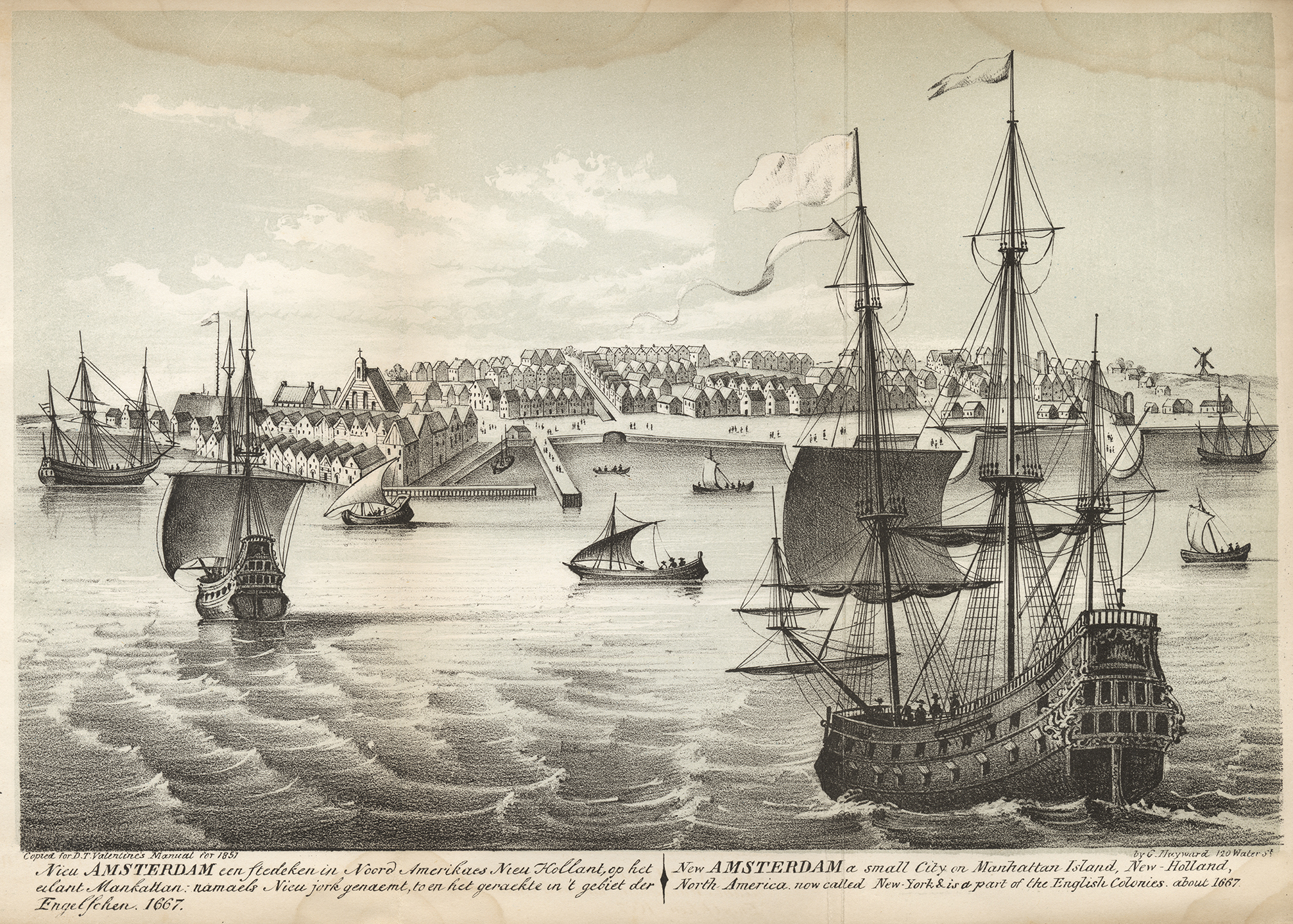
In 1626, a pivotal moment occurred that cemented the Dutch claim and established the administrative center of the colony. Peter Minuit, the then Director-General of New Netherland, is famously credited with the “purchase” of the island of Manhattan from the indigenous Lenape people. The widely cited figure for this transaction was 60 Dutch guilders worth of trade goods, a sum that, while historically debated in terms of its fairness and the Lenape’s understanding of land ownership, marked the establishment of a permanent European settlement. This settlement was named New Amsterdam, and it quickly grew to become the capital of New Netherland.
Peter Minuit’s role as Director-General under the Dutch West India Company was crucial. He was tasked with overseeing the administration, defense, and economic development of the colony. His tenure, though relatively short, saw the foundational steps taken to create a functioning European settlement in a challenging environment. While Minuit wasn’t a solitary founder, his leadership and decisions, particularly regarding the establishment of New Amsterdam, were paramount to the colony’s development.
The British Takeover and Renaming
The Dutch colony of New Netherland thrived as a commercial hub, but its strategic location also made it a point of contention with its English neighbors. The English, under the authority of King Charles II, viewed the Dutch presence as an impediment to their own colonial ambitions and a challenge to their claims based on John Cabot‘s voyages.
The Anglo-Dutch War and English Conquest
In 1664, amidst escalating tensions and the outbreak of the Second Anglo-Dutch War, an English fleet arrived in the harbor of New Amsterdam with demands for surrender. Governor Peter Stuyvesant, the last Dutch Director-General, was faced with a difficult choice. His colony was ill-equipped for defense, and the populace, weary of Dutch rule and its often paternalistic policies, had little appetite for a fight. Despite his initial defiance, Stuyvesant was compelled to surrender the colony without a shot being fired.
The Birth of New York
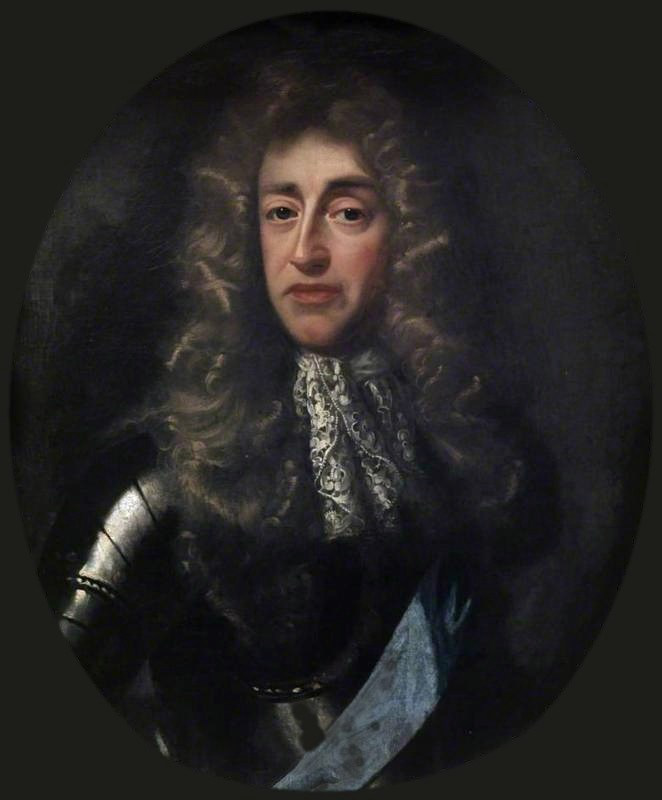
Upon the successful English takeover, King Charles II granted the territory to his brother, James, Duke of York. It was in honor of the Duke of York that the colony and its principal city were renamed “New York.” This renaming signified a shift in sovereignty and the beginning of a new era for the region, now under British rule.
The English administrators, while eager to consolidate their power, largely retained much of the existing Dutch infrastructure and administrative framework. Many of the original Dutch settlers and their descendants continued to live and work in New York, contributing to its evolving cultural tapestry. The legacy of Dutch influence would persist in place names, legal traditions, and architectural styles for generations.
Key Figures in the Colonial Foundation
While the Dutch Republic as a whole, through its chartered companies, initiated the colonization, certain individuals played instrumental roles in shaping its early trajectory.
Peter Minuit’s Leadership
As mentioned, Peter Minuit served as the Director-General of New Netherland from 1626 to 1631. His primary achievement was the establishment of New Amsterdam and the consolidation of Dutch authority on Manhattan Island. He was responsible for organizing the early government and fostering trade relationships. After his tenure in New Netherland, Minuit also served the rival colony of New Sweden.
Peter Stuyvesant’s Governance
Peter Stuyvesant, who became the last Dutch Governor of New Netherland in 1647, is another significant figure. He was a strong-willed and often autocratic leader who sought to impose order and improve the colony’s defenses and administration. Despite his difficult personality, Stuyvesant oversaw a period of growth and development for New Amsterdam, improving its infrastructure and establishing more formal legal and commercial structures. His ultimate surrender to the English in 1664, though a defeat, was also a pragmatic decision to avoid bloodshed.
The Role of the Dutch West India Company
It is crucial to reiterate the overarching role of the Dutch West India Company. This powerful mercantile entity was the driving force behind the Dutch colonization effort. It financed expeditions, recruited settlers, established governance structures, and managed the economic interests of the colony. The company’s directors and shareholders, though not residing in the colony, were instrumental in its foundation and early development.
Legacy and Historiography
The question of “who was the founder” is perhaps best answered by acknowledging the collective efforts and the evolving historical context. The Dutch West India Company, through its appointed directors like Peter Minuit and later governors like Peter Stuyvesant, laid the initial foundations. Their ambition for trade and settlement transformed the landscape of what would become New York.
The subsequent English takeover, spearheaded by figures acting on behalf of the English Crown and sanctioned by royal decree, reoriented the colony’s political destiny. The transformation from New Netherland to New York under James, Duke of York marked a new chapter, but one built upon the existing Dutch infrastructure and population.
Therefore, while no single individual can definitively claim the sole title of “founder,” the Dutch colonization, initiated and managed by the Dutch West India Company and personified by leaders such as Peter Minuit and Peter Stuyvesant, represents the true genesis of the New York Colony. The subsequent English conquest and renaming were crucial in shaping its ultimate identity as part of the British Empire, and later, the United States of America. The story of New York is a testament to the complex interplay of national ambition, individual leadership, and the eventual merging of diverse colonial legacies.
LifeOutOfTheBox is a participant in the Amazon Services LLC Associates Program, an affiliate advertising program designed to provide a means for sites to earn advertising fees by advertising and linking to Amazon.com. Amazon, the Amazon logo, AmazonSupply, and the AmazonSupply logo are trademarks of Amazon.com, Inc. or its affiliates. As an Amazon Associate we earn affiliate commissions from qualifying purchases.