
Florida, a land renowned for its sun-drenched beaches, vibrant cities like Orlando and Fort Lauderdale, and captivating wildlife, offers a travel experience unlike any other: alligator hunting. Far from a casual pursuit, participating in Florida’s regulated alligator harvest program is a unique adventure, deeply rooted in the state’s ecological management efforts and offering an unparalleled dive into its wild heart. For those planning a trip to the Sunshine State with an eye for adventure, understanding the intricacies of alligator season is paramount to a successful and ethical experience.
Understanding Florida’s Alligator Hunting Landscape
Alligator hunting in Florida is not just a recreational activity; it’s a carefully managed program designed to control alligator populations, minimize human-alligator conflicts, and provide economic benefits to the state. Once endangered, American alligators have made a remarkable comeback, thriving across Florida’s vast network of wetlands, rivers, and lakes. This success story led to the establishment of the Statewide Alligator Harvest Program, overseen by the Florida Fish and Wildlife Conservation Commission (FWC). For the adventurous traveler, this presents an opportunity to engage with Florida’s wild side in a significant and regulated way, contributing to conservation efforts while creating unforgettable memories. It’s an experience that goes beyond typical tourist attractions, offering a deep immersion into the state’s natural heritage and the responsibilities that come with it.
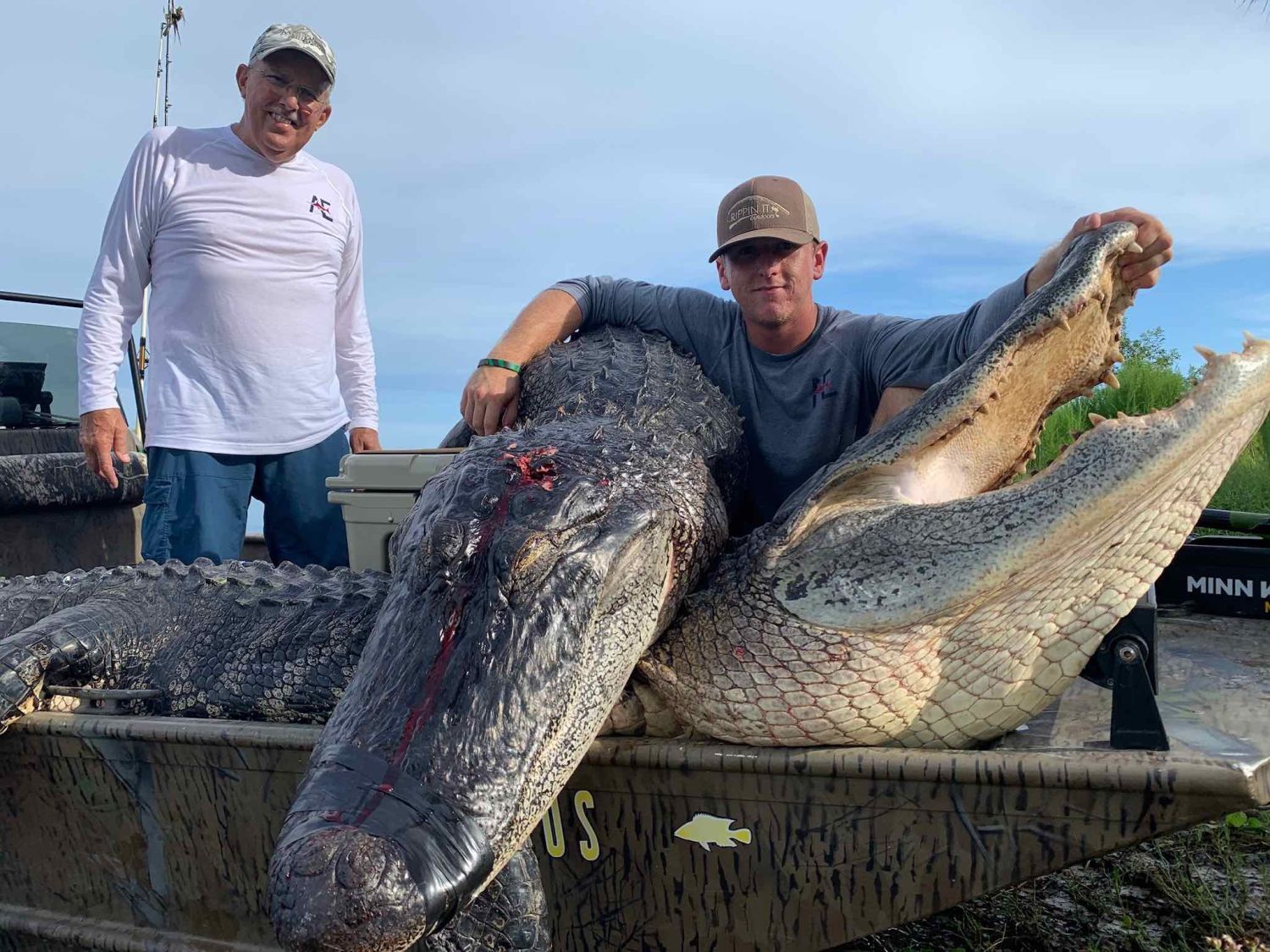
The Annual Statewide Alligator Harvest Program
The cornerstone of alligator hunting in Florida is the annual Statewide Alligator Harvest Program. This program dictates when, where, and how alligators can be hunted, ensuring sustainability and public safety. Participation is highly regulated, primarily through a quota hunt system.
Key Dates and Application Process
The alligator hunting season in Florida typically runs from mid-August to early November. This three-month window is divided into various harvest periods, allowing for a structured approach to managing the population across the state. The exact dates can vary slightly year to year, so prospective hunters must always consult the official FWC website for the most current information.
To participate, individuals must successfully navigate an application and lottery process to obtain an alligator harvest permit. The application period usually opens in May or June, allowing ample time for interested parties to apply. Due to the popularity of the program and the limited number of permits available, drawing a permit is not guaranteed and often requires multiple attempts. Applicants must possess a valid Florida hunting license and pay an application fee. Successful applicants then purchase an alligator trapping license and the specific alligator harvest permit, which includes two alligator tags. These tags specify the alligator management unit (AMU) and the harvest period for which the hunter is authorized. This meticulous process ensures that only a controlled number of alligators are taken each year, preventing over-harvesting and maintaining healthy populations.
Designated Alligator Management Units (AMUs)
Florida is divided into a series of Alligator Management Units (AMUs), each with specific quotas and regulations. These units are strategically chosen based on alligator population density, habitat availability, and human-alligator interaction levels. Popular AMUs often include large bodies of water and extensive wetland systems, such as those surrounding Lake Okeechobee, the sprawling Everglades, and various river systems across the state.
When applying for a permit, hunters select their preferred AMUs and harvest periods. Understanding the characteristics of each AMU is crucial for planning a successful trip. Some units might be more accessible, while others might offer a more challenging, remote hunting experience. Researching the terrain, common alligator sizes, and guide availability within specific AMUs can greatly enhance a traveler’s planning efforts. The FWC provides detailed maps and information for each AMU, which are indispensable resources for any prospective hunter.
Methods of Take and Regulations
The FWC outlines strict regulations regarding the methods permitted for taking alligators. Legal methods include the use of a hook and line, snatch hooks, bow and arrow, crossbow, speargun, and bangstick. Firearms are generally not permitted for the initial taking of an alligator, but a bangstick is often used to dispatch an alligator after it has been secured by other means.
All alligator harvesting activities must occur during specific times, typically from one hour before sunrise to one hour after sunset. Night hunting, while challenging, is a common and often preferred method for many experienced hunters due to the alligators’ nocturnal activity. Safety is paramount, and hunters are required to adhere to all state laws concerning boating safety, ethical hunting practices, and the humane dispatch of animals. Understanding and strictly following these regulations is not only a legal requirement but also a fundamental aspect of responsible and ethical hunting tourism in Florida.
Planning Your Alligator Hunting Trip to Florida
Embarking on an alligator hunting trip requires meticulous planning, especially for those traveling to Florida specifically for this experience. From deciding whether to hire a guide to gathering the necessary gear, every detail contributes to the success and enjoyment of the adventure.
Guided Hunts vs. Self-Guided Adventures

For many first-time alligator hunters, or those unfamiliar with Florida’s expansive wetlands, opting for a guided hunt is highly recommended. Licensed Florida alligator hunting guides possess invaluable local knowledge, understand alligator behavior, and are experts in navigating the often-challenging terrain. They typically provide all necessary equipment, including specialized boats, lines, hooks, and bangsticks, and often handle the complex permitting process for their clients. Furthermore, guides offer crucial safety instruction and ensure adherence to all FWC regulations. The cost of a guided hunt can vary widely based on the guide’s experience, the duration of the hunt, and the services included (e.g., meat processing, taxidermy preparation).
Experienced hunters who have successfully drawn their own permits may consider a self-guided adventure. This requires a significant investment in specialized gear, a thorough understanding of the chosen AMU, and proficiency in safe boating and hunting techniques. Self-guided hunters must be fully self-reliant and prepared for potential challenges in remote Florida wilderness.
Essential Gear and Preparations
Whether guided or self-guided, certain preparations are universal. Essential gear includes a reliable boat capable of navigating shallow waters, powerful spotlights for night hunting, heavy-duty fishing lines and hooks, a bangstick for dispatching, and a large cooler or ice chest for preserving the harvest. Personal safety gear such as life vests, appropriate clothing (camouflage is often preferred), insect repellent, a first-aid kit, and GPS navigation tools are also critical.
Physical fitness is important, as alligator hunting can be strenuous, involving long hours in a boat, often in humid conditions. Mental preparation is equally vital, as the hunt can involve periods of patience followed by intense, high-adrenaline action. Prospective hunters should familiarize themselves with the specific regulations for their chosen AMU and harvest period, including legal methods of take and any restrictions on alligator size or sex.
Beyond the Hunt: What to Do with Your Harvest
Successfully harvesting an alligator is just one part of the experience. Florida law requires that all harvested alligators be tagged immediately, and the tags remain attached until the alligator is processed. Travelers should plan for the processing of their alligator, which typically involves skinning and butchering. Many guides offer these services or can direct hunters to local processors.
Alligator meat is a culinary delicacy, known for its unique texture and flavor, often compared to chicken or pork. The hide is also highly valued for its use in leather goods. Hunters can arrange for taxidermy services to preserve the head or full mount of their alligator, serving as a lasting memento of their Florida adventure. Understanding these post-hunt logistics beforehand is crucial for a complete and satisfying experience.
Integrating Alligator Hunting into a Florida Travel Itinerary
An alligator hunting trip to Florida can be seamlessly integrated into a broader travel itinerary, allowing visitors to experience more of what the state has to offer beyond the thrill of the hunt. Given the seasonal nature of alligator hunting, it often aligns well with other popular Florida activities.
Pre- and Post-Hunt Activities
Since alligator season spans late summer and early fall, travelers can combine their hunting adventure with other quintessential Florida experiences. Before or after the hunt, consider exploring the stunning natural beauty of the Everglades with an airboat tour, which offers a chance to see alligators in their natural habitat from a different perspective. Numerous state parks and wildlife refuges, such as those near Gainesville or along the St. Johns River, provide opportunities for hiking, birdwatching, and freshwater fishing.
For a change of pace, Florida’s world-famous theme parks, vibrant coastal cities, or historic districts offer diverse entertainment options. Planning these complementary activities around the hunting days can create a rich and varied travel experience, showcasing the full spectrum of Florida’s attractions.
Accommodations and Local Services
Booking accommodations in advance is crucial, especially if hunting near popular AMUs or during peak tourist seasons. Depending on the chosen hunting location, options range from rustic hunting lodges and cabins that immerse you in nature to more comfortable hotels and vacation rentals in nearby towns. Many towns located near prime alligator hunting grounds offer services catering specifically to hunters, including bait shops, processing facilities, and specialized gear retailers.
Consider staying in cities like Gainesville for access to northern Florida wetlands, or choosing towns closer to Lake Okeechobee for central Florida opportunities. Researching local dining options and cultural experiences can also enhance the trip, providing a taste of true Florida hospitality and regional cuisine. Many local restaurants might even be willing to cook your alligator meat, offering a truly unique “hook-to-table” dining experience.

Responsible Travel and Ethical Hunting Practices
Participating in Florida’s alligator hunting season is a profound and impactful travel experience that comes with significant responsibilities. Ethical hunting and responsible travel are paramount to ensuring the continued health of alligator populations and the sustainability of the program.
Travelers should always prioritize safety, both their own and that of their hunting partners and guides. Adhering strictly to all FWC regulations is non-negotiable, demonstrating respect for the law and the wildlife management efforts. This includes proper tagging, accurate reporting of harvests, and using only legal methods of take. Furthermore, practicing “leave no trace” principles is essential in Florida‘s sensitive wetland ecosystems. This means packing out all trash, minimizing disturbance to the environment, and respecting private property. By embracing these principles, hunters contribute positively to the conservation narrative and ensure that future generations can also experience the thrill of alligator hunting in Florida. Always consult the official FWC website for the latest rules, safety guidelines, and application details to ensure a fully compliant and memorable adventure.
LifeOutOfTheBox is a participant in the Amazon Services LLC Associates Program, an affiliate advertising program designed to provide a means for sites to earn advertising fees by advertising and linking to Amazon.com. Amazon, the Amazon logo, AmazonSupply, and the AmazonSupply logo are trademarks of Amazon.com, Inc. or its affiliates. As an Amazon Associate we earn affiliate commissions from qualifying purchases.