
The question “How far away is Oklahoma?” is one that resonates with many potential visitors. It’s a query that spans not just miles, but also the very essence of what makes a destination appealing. For some, Oklahoma might represent an accessible road trip, a chance to explore the heartland of America. For others, it might be a distinct cultural experience, a foray into the rich tapestry of Native American heritage and cowboy lore. Understanding the “distance” to Oklahoma involves considering geographical proximity, travel time, and the immersive qualities of the experiences one can find within its borders. This exploration delves into the varied perspectives of distance when it comes to visiting the Sooner State, focusing on its accessibility for travelers and the unique attractions that beckon from afar.
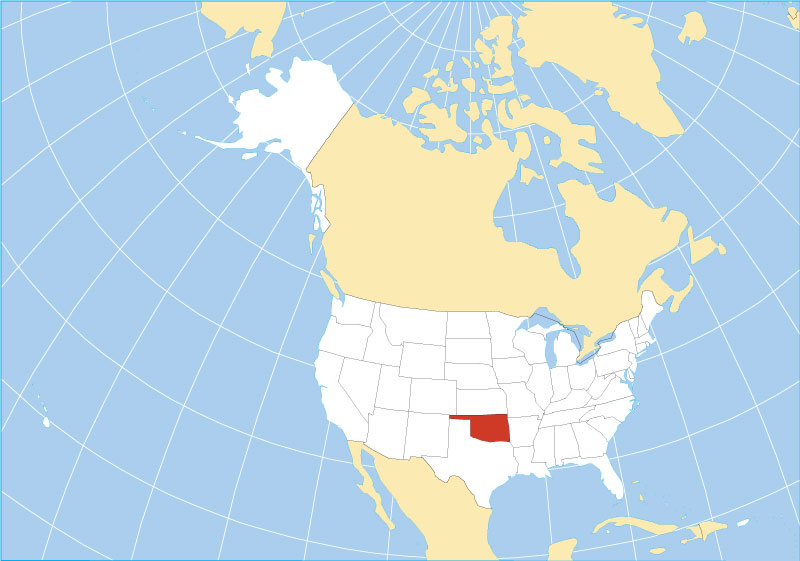
Navigating the Miles: Accessibility and Travel Times to Oklahoma
Oklahoma’s central location within the United States makes it surprisingly accessible from numerous regions. Its vast landscape is traversed by a network of major highways, facilitating convenient road trips for a significant portion of the American population. The primary arteries, such as Interstate 35, Interstate 40, and Interstate 44, serve as lifelines connecting Oklahoma to major metropolitan areas across the country.
Driving Distances from Major Hubs
For those embarking on a classic American road trip, the drive to Oklahoma offers a glimpse into the changing landscapes of the Midwest and Southwest.
- From Dallas, Texas: A popular starting point for many, Dallas is approximately a 3-hour drive to Oklahoma City via I-35. This makes a weekend getaway easily achievable.
- From Kansas City, Missouri: Travelers heading south from Kansas City will find themselves in Oklahoma within roughly 5 hours, primarily using I-35. This route showcases the transition from the rolling plains of Missouri to the Oklahoma landscape.
- From Denver, Colorado: A longer but still manageable drive, Denver is about a 7-hour journey to Oklahoma City, primarily via I-70 and then south on I-35. This trip offers diverse scenery, from the Rocky Mountains to the Great Plains.
- From Houston, Texas: Heading north from Houston, the drive to Oklahoma City takes approximately 7-8 hours, utilizing I-45 and then I-35.
- From Chicago, Illinois: For those coming from the Midwest’s largest hub, the drive to Oklahoma City is a substantial undertaking, usually around 12-14 hours, often involving routes like I-55 and I-44. This journey is best broken into at least two days.
These driving times are approximate and can vary based on traffic, road construction, and the specific destination within Oklahoma. However, they highlight Oklahoma’s relative proximity to a large segment of the US population, making it a feasible travel choice without requiring extensive time off.
Air Travel: Bridging Greater Distances
For visitors traveling from further afield, or for those who prefer to save driving time, Oklahoma’s airports provide crucial connectivity.
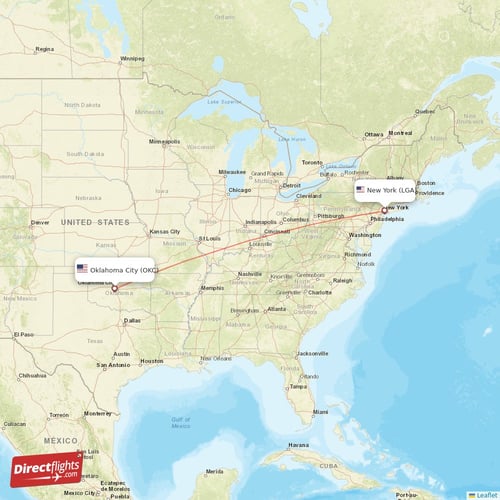
- Will Rogers World Airport (OKC) in Oklahoma City: This is the state’s busiest airport, serving as a hub for major airlines and offering direct flights to numerous cities across the United States, including Atlanta, Dallas/Fort Worth, Denver, Houston, Las Vegas, Los Angeles, New York, and Phoenix.
- Tulsa International Airport (TUL) in Tulsa: The second-largest airport in Oklahoma, TUL also provides significant domestic flight options, connecting travelers to many of the same major cities as OKC, often with slightly different route availabilities.
- Regional Airports: Smaller airports like those in Lawton and Stillwater offer more limited, often commuter-focused, flight services, connecting to regional hubs that then feed into the larger national networks.
Flight times to Oklahoma vary significantly:
- From the West Coast (e.g., Los Angeles): Direct flights to OKC or TUL typically take around 3.5 to 4 hours.
- From the East Coast (e.g., New York): Direct flights are less common, but connecting flights through hubs like Chicago or Dallas/Fort Worth can result in total travel times of 5-7 hours.
- From the Northeast (e.g., Boston): Similar to New York, expect connecting flights with total travel times of 6-8 hours.
- International Travel: Visitors arriving from abroad will typically fly into major international gateways in the US and then take a connecting domestic flight to either Oklahoma City or Tulsa. The total journey time will be substantially longer, often spanning 12-20+ hours depending on layovers.
The availability of direct flights from key domestic markets means that for a large portion of the US population, Oklahoma is just a few hours of air travel away, making it a viable destination for both short breaks and longer explorations.
Beyond Miles: Immersive Experiences That Define “Distance”
While geographical distance is quantifiable, the “distance” to Oklahoma in terms of cultural immersion and experience is far more nuanced. It’s about the journey into a unique American identity, one shaped by its history, landscape, and people.
The Allure of the Open Plains and Natural Wonders
Oklahoma’s vast skies and diverse topography offer a distinct sense of space and freedom, a feeling that can feel worlds away from densely populated urban centers.
- Wichita Mountains Wildlife Refuge: Located in southwestern Oklahoma, this refuge is a testament to the rugged beauty of the American West. Home to bison, elk, and longhorn cattle, it offers hiking, camping, and breathtaking vistas that can transport visitors to a more untamed era. The drive here from Oklahoma City takes about 2.5 hours, a journey that gradually transitions from urban sprawl to sweeping plains.
- Broken Bow Lake and the Ouachita Mountains: In the southeastern corner of the state, this region offers a stark contrast to the arid west. Lush forests, crystal-clear waters, and rolling mountains provide a tranquil escape. activities here include boating, fishing, hiking through dense woodlands, and exploring fire towers for panoramic views. The drive from Tulsa is around 4 hours, traversing diverse terrains.
- Black Mesa State Park: For those seeking a truly remote experience, the panhandle’s Black Mesa is the highest point in Oklahoma and offers a landscape reminiscent of New Mexico. Stargazing here is unparalleled due to the minimal light pollution, a truly distant feeling from city skies. The drive from Oklahoma City is a significant undertaking, close to 7-8 hours, emphasizing the vastness of the state and the rewarding nature of reaching such a unique, far-flung corner.
The “distance” to these natural wonders is measured not just in miles, but in the shift of pace and perspective they offer. Stepping into these landscapes is a departure from the everyday, a journey into a more serene and wild America.
A Rich Tapestry of Culture and History
Oklahoma’s cultural landscape is deeply rooted in its history, particularly its pivotal role in Native American heritage and the iconic image of the American cowboy. Understanding this cultural “distance” is key to appreciating the state’s soul.
Native American Heritage
Oklahoma is home to more federally recognized tribes than any other state, and their history and living cultures are an integral part of the Oklahoman identity.
- The First Americans Museum in Oklahoma City: This modern museum offers an immersive exploration of the 39 distinct tribal nations in Oklahoma. It’s a place where visitors can gain profound insights into the diverse histories, traditions, and contemporary lives of Native peoples. The museum itself serves as a bridge, bringing these rich narratives closer to contemporary understanding.
- Tribal Cultural Centers and Events: Throughout the state, numerous tribal nations maintain cultural centers, museums, and host powwows and festivals. Visiting these sites, particularly during a cultural event, offers a direct connection to living traditions, music, dance, and art, providing an experience that feels both ancient and vibrantly present. These are often located in specific tribal territories, requiring travel that can feel like a journey into distinct cultural realms.
The Cowboy Spirit
The enduring image of the cowboy is inextricably linked to Oklahoma’s identity, particularly in its western and southern regions.
- National Cowboy & Western Heritage Museum in Oklahoma City: This premier institution celebrates the American West, showcasing its art, history, and the legendary figures who shaped its mythos. It provides context for the cowboy culture that permeated the state’s development.
- Rodeo Culture: Attending a local rodeo or a larger event like the Oklahoma City National Finals Rodeo (though not held annually in OKC, the spirit persists) offers a visceral connection to this enduring tradition. The excitement, the skill, and the raw energy of the rodeo are a far cry from urban entertainment, offering a glimpse into a skill set and a way of life that continues to resonate.
- Historic Western Towns: While not as numerous as in some western states, towns like Medicine Park, near the Wichita Mountains, evoke a nostalgic sense of the Old West with their unique architecture and laid-back atmosphere.
The cultural “distance” to Oklahoma is bridged by an openness to learn and engage. It’s about recognizing that the state is more than just geography; it’s a living repository of stories, traditions, and enduring American archetypes.
Planning Your Oklahoman Journey
Understanding “how far away” Oklahoma truly is involves practical planning to maximize your experience, whether you are coming from a few hours away or across the country.
Choosing Your Entry Point
The decision of where to fly into or drive towards often dictates your initial experience. Oklahoma City and Tulsa are the primary gateways, each offering distinct attractions and access to different regions of the state.
- Oklahoma City: As the state capital, OKC is a bustling hub of activity. It boasts a revitalized downtown area with the Bricktown entertainment district, the Oklahoma City National Memorial & Museum, and the aforementioned cultural institutions. It also serves as a central point for accessing areas like the Wichita Mountains and western Oklahoma.
- Tulsa: Known for its Art Deco architecture and a vibrant arts scene, Tulsa offers a different urban charm. It’s a good base for exploring northeastern Oklahoma, including the Osage Nation heritage and the scenic Ozark Mountains region.

Considering the “Stay” Factor
The length of your stay significantly influences how you perceive the “distance” and what you can accomplish. A weekend trip might focus on one city’s highlights, while a week-long adventure allows for broader exploration of the state’s diverse landscapes and cultures.
- Short Stays (2-3 days): Focus on a single metropolitan area like Oklahoma City or Tulsa to explore its key attractions without feeling rushed.
- Medium Stays (4-5 days): Allows for visiting one major city and taking a day trip or overnight excursion to a nearby natural attraction or smaller town with cultural significance. For example, combining Oklahoma City with the Wichita Mountains, or Tulsa with a foray into the Ozarks.
- Extended Stays (7+ days): Opens up the possibility of a multi-city tour or a deep dive into specific regions, such as exploring both the mountains and the plains, or tracing historical trails across the state. This duration truly allows for a comprehensive understanding of Oklahoma’s offerings and makes the journey feel like a significant exploration.
Ultimately, Oklahoma is as far away as you choose to make it. Whether you’re seeking a quick road trip or a profound cultural immersion, its accessibility and the depth of its experiences ensure that the journey, regardless of its geographical length, is a rewarding one.
LifeOutOfTheBox is a participant in the Amazon Services LLC Associates Program, an affiliate advertising program designed to provide a means for sites to earn advertising fees by advertising and linking to Amazon.com. Amazon, the Amazon logo, AmazonSupply, and the AmazonSupply logo are trademarks of Amazon.com, Inc. or its affiliates. As an Amazon Associate we earn affiliate commissions from qualifying purchases.