
The question of whether apple trees thrive in the Sunshine State is a common one, particularly for visitors intrigued by Florida’s unique climate and agricultural bounty. While Florida is synonymous with citrus groves and tropical fruits, the prospect of growing temperate-zone staples like apples presents a fascinating exploration into the state’s agricultural nuances, impacting local food culture and agritourism opportunities. For those planning a visit or simply curious about Florida’s diverse landscape, understanding its horticultural limitations and innovations offers a deeper appreciation of its local culinary scene and unique agricultural attractions.
The Sunshine State’s Unique Climate Challenges
Florida’s subtropical to tropical climate is undeniably its most defining characteristic, offering warm temperatures year-round that draw millions of tourists annually. However, this very climate, while perfect for lounging on beaches and enjoying outdoor activities, poses significant challenges for crops accustomed to cooler climes, particularly apples. The critical factor lies in what horticulturists refer to as “chilling hours,” a requirement that most traditional apple varieties simply cannot meet in Florida.
Chilling Requirements for Apple Production
Most conventional apple varieties, such as Gala, Fuji, or Honeycrisp, necessitate a specific number of “chilling hours”—hours where temperatures hover between approximately 32 and 45 degrees Fahrenheit (0 to 7 degrees Celsius)—during their dormancy period in winter. This chilling period is crucial for the trees to properly break dormancy, produce flowers, and subsequently set fruit in the spring. Without adequate chilling, these varieties will exhibit delayed bud break, poor flowering, and ultimately, little to no fruit production.
Florida, especially its central and southern regions, experiences very mild winters with infrequent cold fronts. While northern Florida might occasionally accumulate a few hundred chilling hours, it rarely reaches the 800 to 1,000+ hours required by many popular apple cultivars. This fundamental climatic difference is the primary reason why commercial apple orchards, as understood in states like Washington or New York, are not a feature of the Florida landscape. Tourists expecting to pick apples straight from the tree, as they might in other parts of the country, would find this a rare, if not impossible, activity in most of Florida.
Humidity and Pests: Additional Hurdles
Beyond the chilling hour deficit, Florida’s high humidity and pervasive pest and disease pressures present further obstacles for apple cultivation. The warm, moist environment creates ideal conditions for fungal diseases like apple scab, fire blight, and various mildews, which can devastate an apple crop if not rigorously managed. Moreover, the state’s diverse insect population includes numerous pests that find apple trees a delectable target. Managing these issues organically or even conventionally requires intensive care, making large-scale commercial production economically unviable compared to regions with more favorable climates. For visitors interested in sustainable agriculture, this highlights the intricate challenges faced by Florida farmers.
The Quest for Florida-Friendly Apples
Despite these formidable challenges, the human spirit of innovation, particularly in agriculture, often seeks to defy expectations. Horticultural researchers and dedicated hobbyists in Florida have indeed explored avenues to introduce apples, albeit specialized varieties, into the state’s agricultural portfolio. This ongoing quest has yielded some successes, particularly in the realm of low-chill apple cultivars.
Low-Chill Varieties: A Niche Market
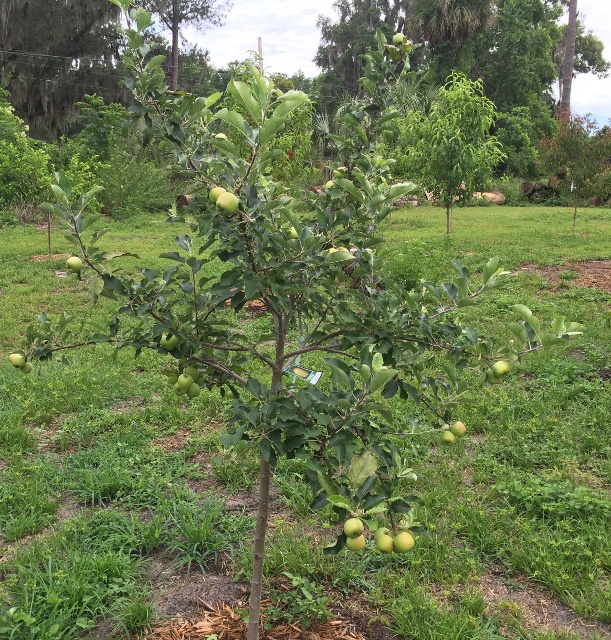
The key to growing apples in Florida lies in selecting “low-chill” varieties. These are specific apple cultivars that require significantly fewer chilling hours—sometimes as low as 100 to 300 hours—to break dormancy and produce fruit. Among the most well-known low-chill apple varieties successfully grown in parts of Florida are Anna and Dorsett Golden.
The Anna apple, originating from Israel, is celebrated for its attractive red blush, crisp texture, and sweet-tart flavor, reminiscent of a Red Delicious. It typically ripens in late May to early June in Florida. The Dorsett Golden, developed in Nassau, Bahamas, is a golden-skinned apple with a sweet, juicy flesh, often described as similar to a Golden Delicious. It ripens around the same time as the Anna. These two varieties are often planted together because they are excellent cross-pollinators, enhancing fruit set for both.
While these varieties do produce fruit, their cultivation is far from effortless. They still demand careful site selection, consistent irrigation, and vigilant pest and disease management. For tourists interested in unique local produce, finding these apples might be a special treat at a local farmer’s market or a small, specialized nursery, offering a taste of Florida’s agricultural ingenuity.
Experimental Orchards and Agricultural Innovation
Institutions like the University of Florida’s Institute of Food and Agricultural Sciences (UF/IFAS) continually research and experiment with various fruit crops, including low-chill apples. Their work focuses on developing new varieties that are even better adapted to Florida’s climate, offering improved disease resistance and flavor profiles. These experimental orchards serve as living laboratories, pushing the boundaries of what can be grown in the state. While not typically open as tourist attractions, their efforts directly contribute to the diversity of local produce that visitors might encounter. This dedication to agricultural science underscores a broader commitment to local food sourcing and agricultural resilience, topics often explored in agritourism experiences.
What This Means for Florida’s Culinary Scene and Tourism
The limited cultivation of apples in Florida fundamentally shapes its culinary identity and the types of agricultural experiences available to tourists. Instead of traditional apple orchards and cider mills, visitors will find a vibrant emphasis on the fruits that truly thrive in the local environment, creating a distinct and appealing regional food culture.
Embracing Tropical and Subtropical Delights
The scarcity of locally grown apples means that Florida’s culinary scene naturally gravitates towards its abundant tropical and subtropical fruits. Tourists will discover an incredible array of fresh produce: juicy oranges, grapefruits, tangerines, and other citrus varieties; sweet strawberries from Plant City; succulent blueberries; and exotic options like mangoes, papayas, lychees, and starfruit. These fruits are celebrated in everything from fresh juices and smoothies to artisanal jams, desserts, and savory dishes found in local restaurants and cafes across cities like Miami, Orlando, and Tampa.
This focus creates unique culinary tours and tasting experiences. Imagine a visitor exploring a farmers’ market in Sarasota and discovering a new variety of guava, or taking a cooking class in Key West focused on mango-inspired dishes. This local fruit culture is a significant draw for food-focused tourism, offering authentic tastes that are genuinely Floridian.
Agritourism Beyond Apples: Citrus, Berries, and More
While apple picking might not be a quintessential Florida experience, the state offers a rich tapestry of other agritourism opportunities. Visitors can immerse themselves in the agricultural landscape by:
- Visiting Citrus Groves: Many groves offer tours, demonstrating the harvesting process and providing samples of freshly squeezed orange juice. Some even allow visitors to pick their own citrus during peak season, a truly iconic Florida experience.
- Strawberry & Blueberry U-Pick Farms: In late winter and spring, numerous farms in central Florida invite families to pick their own strawberries and blueberries, providing a delightful outdoor activity and a taste of farm life.
- Exotic Fruit Farms: Specialty farms, particularly in south Florida, showcase rare tropical fruits. Tours often include tastings and explanations of cultivation techniques, offering a unique educational experience.
- Farmer’s Markets: Found in almost every Florida town and city, these markets are a treasure trove of local produce, artisanal foods, and crafts, providing a direct link to the state’s agricultural community and a vibrant cultural experience for tourists.
These activities highlight the incredible adaptability and diversity of Florida’s agricultural sector, providing distinct experiences that are just as engaging and educational as traditional apple picking, if not more so, given their unique tropical flair.
Experiencing Florida’s Agricultural Diversity
For tourists eager to delve into Florida’s natural bounty, the absence of widespread apple cultivation simply redirects attention to the equally, if not more, fascinating world of tropical and subtropical agriculture. This offers a different, yet profoundly enriching, facet of Florida’s local culture and activities.
Farmer’s Markets and “U-Pick” Farms
Exploring Florida’s farmer’s markets is an essential activity for any food-loving traveler. Markets like the Sarasota Farmers Market or the Yellow Green Farmers Market in Hollywood showcase a dazzling array of seasonal produce, from heirloom tomatoes and organic greens to an assortment of unique tropical fruits. It is in these settings that one might occasionally stumble upon a local grower selling the rare Anna or Dorsett Golden apples, offering a rare opportunity to taste a truly local Florida apple. More commonly, visitors will discover a paradise of citrus, berries, and exotic fruits that form the true backbone of Florida’s fresh produce scene.
“U-Pick” farms, particularly for strawberries and blueberries in the central Florida region, offer family-friendly activities that connect visitors directly with the source of their food. These farms often include playgrounds, picnic areas, and sometimes even fresh baked goods, turning a simple fruit-picking excursion into a memorable day trip. While apples are not on the menu, the experience of harvesting fresh, sun-ripened fruit in the Florida sunshine is an attraction in itself, contributing significantly to the state’s agritourism appeal.
Educational Opportunities for Visitors
Beyond direct consumption, Florida’s agricultural landscape provides numerous educational opportunities. Many botanical gardens, nature centers, and even some working farms offer guided tours and interpretive programs that explain the challenges and triumphs of cultivating food in a subtropical environment. For instance, the Fairchild Tropical Botanic Garden in Coral Gables is an excellent place to learn about tropical fruit diversity and sustainable growing practices. These educational experiences offer profound insights into local ecosystems, biodiversity, and the innovative techniques employed by Florida’s farmers. Understanding why apples don’t traditionally grow here helps visitors appreciate the unique bounty that does flourish, fostering a deeper connection to Florida’s natural and cultural heritage. It enriches the tourist experience by providing context to the local cuisine and the vibrant, diverse agricultural activities that define the state.
LifeOutOfTheBox is a participant in the Amazon Services LLC Associates Program, an affiliate advertising program designed to provide a means for sites to earn advertising fees by advertising and linking to Amazon.com. Amazon, the Amazon logo, AmazonSupply, and the AmazonSupply logo are trademarks of Amazon.com, Inc. or its affiliates. As an Amazon Associate we earn affiliate commissions from qualifying purchases.