
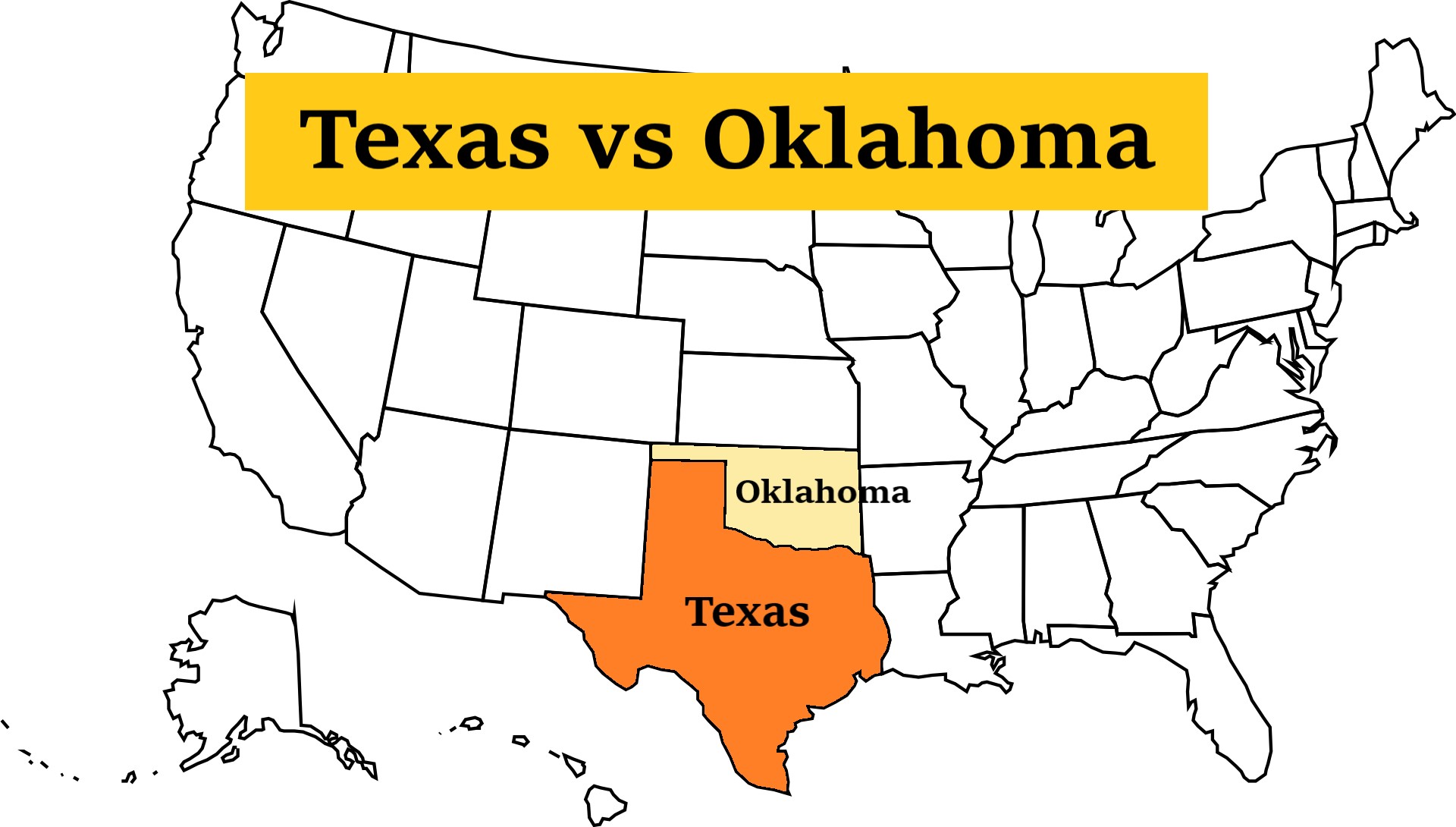
The question “How far is Texas to Oklahoma?” is more than just a geographical inquiry; it’s an invitation to explore the intricate tapestry of distance, culture, and adventure that separates and connects these two vast Southwestern states. Spanning a diverse landscape from the arid plains of West Texas to the rolling hills of Eastern Oklahoma, the journey between these neighbors offers a compelling narrative of varied terrains, vibrant cities, and rich historical underpinnings. Understanding this distance is key for any traveler, whether planning a weekend getaway, a cross-country expedition, or simply seeking to grasp the geographical scope of this iconic American region.

The distance between Texas and Oklahoma is not a singular figure but rather a spectrum, dependent on the specific starting and ending points within each state. Texas, the second-largest state in the United States, and Oklahoma, the 20th largest, are massive territories. This means a drive from Dallas, Texas, to Oklahoma City, Oklahoma, will be significantly different in length than a trek from El Paso, Texas, to Tulsa, Oklahoma. The primary routes are often dictated by major interstate highways, which facilitate efficient travel and connect key population centers.
Navigating the Distance: Key Routes and Travel Times
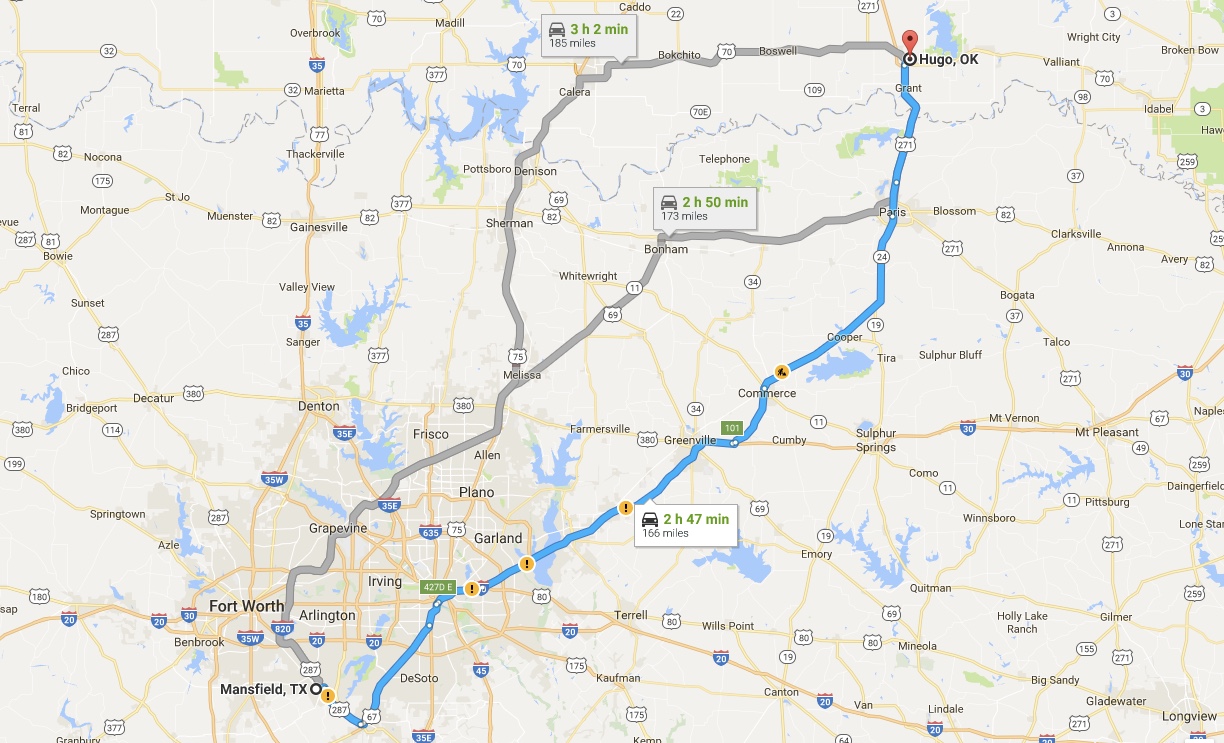
The most common and direct routes between Texas and Oklahoma utilize the United States Interstate Highway System. These arteries are the lifeblood of long-distance travel, offering well-maintained roadways and convenient access to amenities. The precise mileage and estimated travel time will vary greatly depending on the specific cities being connected, but we can establish some common reference points.
North Texas to Central Oklahoma
Perhaps the most frequently traversed corridor is between the Dallas-Fort Worth metroplex in North Texas and Oklahoma City in Central Oklahoma. This journey is a staple for business travelers, families visiting relatives, and those seeking a quick escape to a different state.
- Dallas, Texas to Oklahoma City, Oklahoma: This route primarily utilizes Interstate 35 North. The distance is approximately 205 miles. Without significant traffic or extended stops, the estimated driving time is around 3 to 3.5 hours. This makes it a highly accessible trip for a day excursion or a short overnight stay. The drive takes you through smaller towns like Gainesville, Texas, and Ardmore, Oklahoma, before reaching the bustling capital of Oklahoma.
East Texas to Eastern Oklahoma
For those venturing from the piney woods of East Texas, the journey into Eastern Oklahoma opens up different landscapes and cultural experiences.
- Shreveport, Louisiana (near East Texas) to Tulsa, Oklahoma: While technically starting just outside Texas, this route is representative of travel from the easternmost parts of Texas. A common path would involve taking Interstate 49 North and then connecting to Interstate 44 West (the Turner Turnpike) into Tulsa. The distance from Shreveport to Tulsa is approximately 320 miles, with an estimated driving time of about 5 to 5.5 hours. This route traverses the rolling terrain and dense forests characteristic of the region, offering scenic views.
West Texas to Western Oklahoma
The vast expanse of West Texas presents a more significant challenge in terms of distance to Oklahoma. The arid landscapes and sprawling ranches define this part of the journey.
- Amarillo, Texas to Oklahoma City, Oklahoma: This popular route uses Interstate 40 East. The distance is around 260 miles, with an estimated driving time of approximately 4 to 4.5 hours. This is a relatively straightforward drive across the high plains, a landscape marked by wide-open spaces and agricultural lands.
South Texas to Southern Oklahoma
Travelers originating from South Texas will face a considerable distance, often involving traversing a significant portion of North Texas before crossing the Red River into Oklahoma.
- San Antonio, Texas to Oklahoma City, Oklahoma: This journey is a substantial undertaking, typically involving Interstate 35 North for a significant stretch. The total distance is approximately 480 miles, requiring an estimated driving time of 7 to 8 hours. This trip often breaks down into two days for a more comfortable pace, allowing for stops and exploration along the way.
It is crucial to remember that these are estimates based on ideal driving conditions. Factors such as road construction, weather events (especially in winter or during severe thunderstorm seasons), and the sheer volume of traffic, particularly around major metropolitan areas like Dallas, Houston, and Oklahoma City, can significantly alter travel times. Utilizing real-time navigation apps like Google Maps or Waze is highly recommended for the most accurate and up-to-date travel information.
Factors Influencing the Texas-Oklahoma Travel Experience
Beyond mere mileage, several factors contribute to the overall travel experience between Texas and Oklahoma. These elements shape the journey, from the types of scenery encountered to the potential for exploration and discovery along the way.
Geographical and Ecological Transitions
As one crosses the state line, the landscape undergoes noticeable transformations. Texas is incredibly diverse, ranging from the desert-like conditions of the Chihuahuan Desert in the west to the humid subtropical climate of the Piney Woods in the east. Oklahoma, while smaller, also exhibits distinct ecological zones.
- The Red River Valley: This river forms a significant portion of the border between the two states and marks a transition zone. North of the Red River, the terrain in Oklahoma often becomes hillier, characterized by the Cross Timbers region and the Ozark Mountains in the east. This contrasts with the flatter plains of much of Central and West Texas.
- Plains and Prairies: Large swaths of both states are dominated by prairie grasslands and agricultural lands. The drive can be characterized by expansive skies, fields of crops, and the occasional windmill.
- Forests and Lakes: Eastern Oklahoma, in particular, is known for its lush forests, clear lakes, and rolling hills, offering a starkly different visual experience from the arid landscapes of West Texas. Regions like Broken Bow Lake in Southeastern Oklahoma are popular natural destinations.
Cultural Commonalities and Contrasts
While neighbors, Texas and Oklahoma possess distinct cultural identities, shaped by their histories and demographics.
- Cowboy Culture and Ranching: Both states share a deep connection to ranching and the cowboy heritage of the American West. You’ll find numerous ranches, rodeos, and a general appreciation for this way of life.
- Southern and Midwestern Influences: Oklahoma, being situated in the Plains states, exhibits influences from both the South and the Midwest, particularly in its music, cuisine, and dialects. This can create a subtle yet noticeable shift in atmosphere as one travels northward.
- Urban Centers: Major cities in both states offer distinct experiences. Dallas and its surrounding metroplex are known for their booming economies, diverse culinary scenes, and cultural attractions. Oklahoma City offers a growing arts district, historical sites like the Oklahoma City National Memorial & Museum, and a vibrant downtown. Tulsa is renowned for its Art Deco architecture and a burgeoning music scene.
Economic and Infrastructural Ties
The close proximity and shared border have fostered significant economic and infrastructural ties. Many Oklahomans commute to work in Texas, and vice versa, particularly in border towns. The transportation networks are well-developed to support this interdependence.
Planning Your Texas-Oklahoma Journey
Whether you’re embarking on a short drive or a more extended road trip, understanding the distances and planning accordingly is paramount to a successful and enjoyable experience.
Choosing Your Starting and Ending Points
The first step in determining “how far” is to clearly define your origin and destination within Texas and Oklahoma. A simple map search can provide the precise mileage and estimated drive time. Consider the following when making your selection:
- Major Cities: Are you heading to a major urban center like Houston, Austin, Oklahoma City, or Tulsa?
- Rural Destinations: Are you aiming for a specific town, a ranch, a state park, or a remote natural attraction?
- Interstate Access: Prioritize routes that utilize major interstates for faster and more predictable travel.
Road Trip Essentials
For any journey between Texas and Oklahoma, especially those extending beyond a few hours, a well-prepared road trip is key.
- Vehicle Maintenance: Ensure your vehicle is in good working order. Check tires, fluids, and brakes before departing.
- Navigation Tools: Rely on GPS devices or smartphone applications for real-time traffic updates and directions. Offline maps can be a lifesaver in areas with spotty cellular service.
- Supplies: Pack water, snacks, a first-aid kit, and any necessary medications.
- Entertainment: Load up on podcasts, audiobooks, or playlists to make the drive more enjoyable.
- Accommodation: If your journey spans more than a day, book hotels or other accommodations in advance, especially during peak travel seasons. Consider options ranging from budget-friendly motels to boutique hotels or charming bed and breakfasts in towns along your route.
Popular Road Trip Itineraries
The journey between Texas and Oklahoma is ripe for exploration, with numerous points of interest along the way.
- The Dallas to Oklahoma City Express: This is a popular route for a quick weekend trip. You might spend a day exploring the Perot Museum of Nature and Science in Dallas and then head north to enjoy the Bricktown Canal entertainment district in Oklahoma City.
- The Texas Hill Country to Arbuckle Mountains: For nature enthusiasts, a drive from the scenic Texas Hill Country towards the Arbuckle Mountains in Southern Oklahoma offers hiking, cave exploration (like the Natural Bridge Caverns in Texas or Turner Falls Park in Oklahoma), and picturesque drives.
- The Panhandle Plains Explorer: Connecting Amarillo, Texas, with the panhandle region of Oklahoma (e.g., near Medicine Park), this route showcases the unique beauty of the high plains, including attractions like Palo Duro Canyon State Park in Texas.
In conclusion, the distance between Texas and Oklahoma is a dynamic measure, a fluid concept shaped by the vastness of the states involved and the specific paths taken. It’s a journey that promises not just a change in latitude but a rich experience of evolving landscapes, distinct cultural nuances, and the enduring spirit of the American Southwest. Whether measured in miles or in the experiences garnered along the way, the connection between these two states is a compelling subject for any traveler.
LifeOutOfTheBox is a participant in the Amazon Services LLC Associates Program, an affiliate advertising program designed to provide a means for sites to earn advertising fees by advertising and linking to Amazon.com. Amazon, the Amazon logo, AmazonSupply, and the AmazonSupply logo are trademarks of Amazon.com, Inc. or its affiliates. As an Amazon Associate we earn affiliate commissions from qualifying purchases.