
Oklahoma, a state deeply etched into the American landscape, holds a complex relationship with the dramatic forces of nature, particularly tornadoes. Often dubbed the “Tornado Alley,” this region is renowned for its susceptibility to these powerful rotating columns of air. Understanding the frequency and patterns of tornado activity in Oklahoma is crucial for residents, emergency planners, and even visitors who might be considering exploring its unique blend of prairie vistas and vibrant urban centers like Oklahoma City or Tulsa. This insight helps in appreciating the resilience of its communities and planning safe travel experiences.
Understanding Oklahoma’s Tornado Climatology
The allure of Oklahoma as a travel destination is undeniable, with attractions ranging from the National Cowboy & Western Heritage Museum to the natural beauty of the Wichita Mountains Wildlife Refuge. However, any visitor or long-term planner must acknowledge the meteorological realities of the region. Oklahoma sits at the confluence of several air masses: warm, moist air from the Gulf of Mexico; cool, dry air from Canada; and hot, dry air from the southwestern United States. This atmospheric recipe, combined with the flat terrain that allows for unimpeded storm development, creates an environment ripe for severe thunderstorms that can spawn tornadoes.
The Peak Season and Monthly Trends
The primary tornado season in Oklahoma typically spans from April to June. During these months, the atmospheric ingredients are most favorable for the formation of supercell thunderstorms, which are the most common producers of strong and violent tornadoes. May is historically the most active month for tornado outbreaks across the state.
- April: While the season begins to ramp up, April can see significant tornado activity. Early season tornadoes may be weaker but can still cause considerable damage. The risk increases as the month progresses and warmer, moister air becomes more prevalent.
- May: This is the heart of tornado season for Oklahoma. Historically, May has recorded the highest number of tornadoes and the most significant outbreaks, including some of the most devastating tornadoes on record. The instability and sheer energy in the atmosphere during May are unparalleled in other months.
- June: Tornado activity begins to decrease in June compared to May, but it remains a significant threat. While the frequency might lessen, the intensity of tornadoes can still be formidable. Towards the end of June, the focus often shifts towards more localized and less organized severe weather events.
Beyond the Peak: Spring and Fall Activity
While the spring months are the most notorious, it is important to note that tornadoes can and do occur outside of this peak window.
- Early Spring (March): March can sometimes bring early-season tornadoes, particularly if warm air surges northwards earlier than usual. These storms can catch many by surprise.
- Late Fall (October-November): A secondary, though less pronounced, tornado season often occurs in the late fall. As cold fronts begin to push south, they can interact with lingering warm, moist air, creating conditions conducive to tornado development. These fall tornadoes are often associated with strong cold fronts and can be fast-moving and difficult to predict.
Statistical Insights into Oklahoma Tornadoes
To truly grasp the frequency of tornadoes in Oklahoma, examining statistical data provides a clearer picture. The state averages a significant number of tornadoes annually, making it one of the most tornado-prone states in the United States.
Annual Averages and Variability
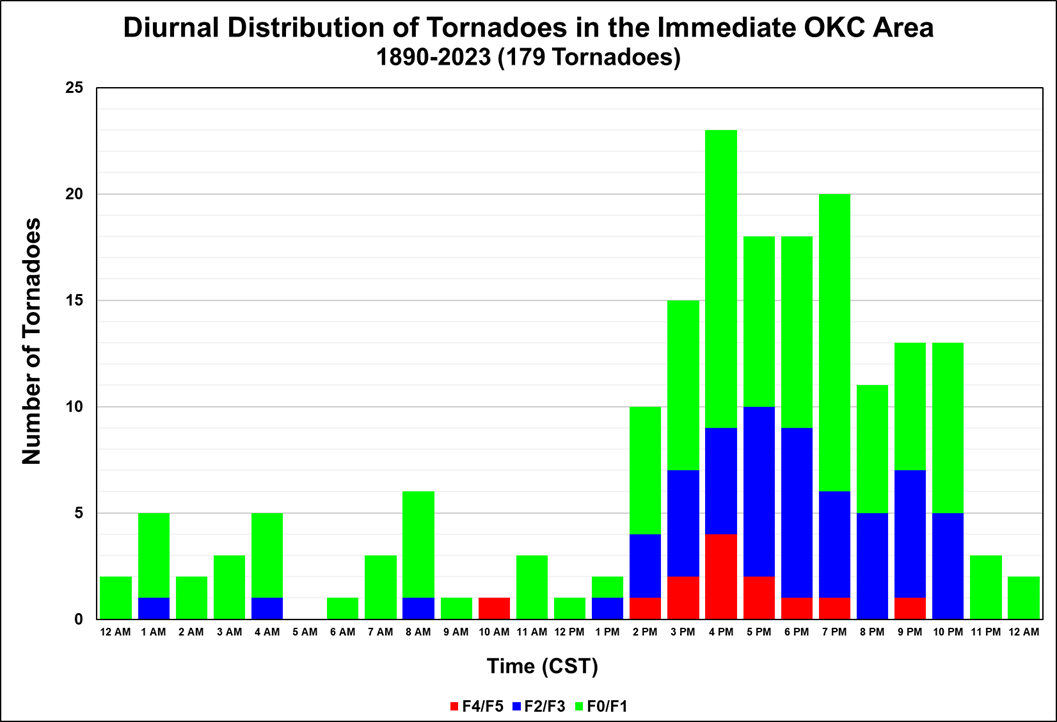
On average, Oklahoma experiences around 50-60 tornadoes per year. However, this is an average, and the actual number can vary dramatically from one year to the next. Some years may see well over 100 tornadoes, while others might experience fewer than 20. This variability is a testament to the dynamic nature of weather systems and the complex interplay of atmospheric factors.
The distribution of these tornadoes is also not uniform. Certain areas, particularly in central and western Oklahoma, are statistically more likely to experience tornado impacts. The region encompassing cities like Oklahoma City, Norman, and Edmond often sees higher activity.
Intensity and Impact

While frequency is important, understanding the intensity of these tornadoes is equally critical. Oklahoma has been the site of some of the most powerful tornadoes ever recorded, including F5 (now EF5 on the Enhanced Fujita Scale) tornadoes. These catastrophic events, though rare, have a profound and devastating impact, underscoring the importance of preparedness and robust warning systems.
The Enhanced Fujita (EF) Scale categorizes tornado intensity based on the damage they cause, with EF0 being the weakest and EF5 the strongest. A significant percentage of tornadoes in Oklahoma fall into the weaker categories (EF0, EF1, EF2), which can still cause substantial property damage. However, the state also has a higher-than-average frequency of strong (EF3, EF4) and violent (EF5) tornadoes.
Tornado Preparedness for Travelers and Residents
For anyone planning a visit to Oklahoma during the spring or fall, or for those who call the state home, understanding tornado frequency is the first step towards preparedness. The emphasis is not on avoiding the state due to this phenomenon, but rather on being informed and ready.
Safety Measures and Warning Systems
Oklahoma has a sophisticated network of weather monitoring and warning systems. Understanding these is paramount:
- Tornado Watches: Issued by the National Weather Service when conditions are favorable for tornado development in a specified area. This means a tornado is possible.
- Tornado Warnings: Issued when a tornado has been sighted by storm spotters or indicated by weather radar. This means a tornado is imminent or occurring, and immediate action is required.
- Sirens: Many communities in Oklahoma utilize outdoor sirens to alert the public to imminent danger. However, these should not be the sole means of receiving warnings, as they may not be audible indoors.
- NOAA Weather Radio: A vital source of continuous weather information and warnings.
- Mobile Apps and Alerts: Many smartphone applications provide real-time weather alerts and radar imagery.
Planning Your Itinerary
When visiting during the active season, it is wise to:
- Stay Informed: Regularly check weather forecasts and pay attention to any issued watches or warnings.
- Know Your Surroundings: If staying in a hotel, like the Skirvin Hilton Oklahoma City, familiarize yourself with the building’s emergency procedures and designated shelter areas. Many hotels have basement areas or interior rooms that offer good protection.
- Have a Plan: Discuss with your travel companions where to go if a warning is issued. This might involve seeking shelter in a sturdy building, a basement, or an interior room away from windows.
- Consider Travel Insurance: For peace of mind, especially during peak season, travel insurance can offer protection against unexpected disruptions.
The Resilience and Culture Shaped by Tornadoes
The recurring presence of tornadoes has profoundly shaped the culture and spirit of Oklahoma. It has fostered a deep sense of community, mutual aid, and resilience. Residents are accustomed to taking severe weather seriously, and preparedness is often ingrained from a young age.
Community Preparedness Initiatives
Many towns and cities in Oklahoma have robust community emergency response teams (CERT) and conduct regular drills. The Oklahoma Historical Society often documents the impact of major tornado events, highlighting both the destructive power and the remarkable recovery efforts.

Embracing the Outdoors Safely
Despite the risks, Oklahoma offers incredible opportunities for outdoor enthusiasts. From hiking in the Ouachita Mountains to exploring the historic Route 66, the state’s natural beauty and attractions are well worth experiencing. By staying informed about weather patterns and prioritizing safety, visitors can enjoy all that Oklahoma has to offer, appreciating its unique character and the strength of its people who live in harmony with, and respect for, the powerful forces of nature.
LifeOutOfTheBox is a participant in the Amazon Services LLC Associates Program, an affiliate advertising program designed to provide a means for sites to earn advertising fees by advertising and linking to Amazon.com. Amazon, the Amazon logo, AmazonSupply, and the AmazonSupply logo are trademarks of Amazon.com, Inc. or its affiliates. As an Amazon Associate we earn affiliate commissions from qualifying purchases.