
Obtaining a motorcycle license in Oklahoma is a straightforward yet crucial process for anyone eager to experience the freedom of two-wheeled travel. This guide will walk you through the essential steps, requirements, and considerations to ensure you navigate the licensing procedure smoothly and legally. Whether you’re a seasoned rider looking to formalize your status or a complete novice ready to embark on a new adventure, understanding the official channels is paramount. This process is designed to verify your proficiency and ensure you operate a motorcycle safely on Oklahoma roadways.
Understanding the Requirements for a Motorcycle License
Before you even think about hitting the open road, it’s vital to understand what the Oklahoma Department of Public Safety (DPS) requires. These prerequisites are in place to promote safety and ensure all licensed motorcyclists possess the fundamental knowledge and skills to operate their vehicles responsibly.
Age and Identification
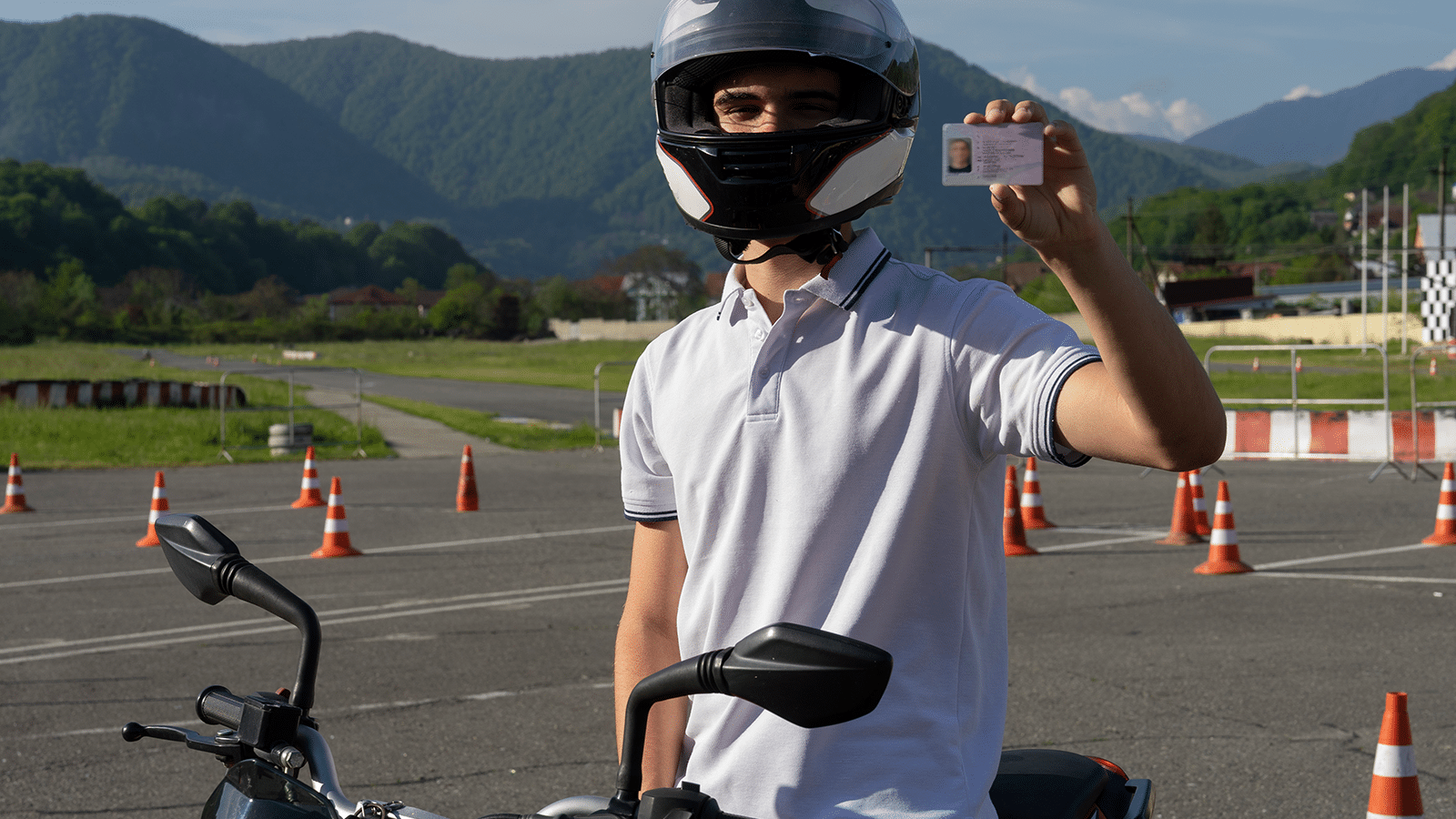
The primary requirement for obtaining any driver’s license, including a motorcycle endorsement, is meeting the minimum age requirement. In Oklahoma, applicants must be at least 16 years old to apply for a motorcycle license. For individuals under 18, there are additional stipulations, often involving parental consent and the completion of a driver education program. You will also need to provide valid proof of identity, including your social security card and proof of residency within the state. Accepted forms of identification typically include a birth certificate, passport, or other government-issued documents.
Learner’s Permit
For many new riders, the journey begins with a learner’s permit. This permit allows you to practice riding under specific restrictions, such as riding only during daylight hours and always with a licensed adult supervisor. To obtain a learner’s permit, you’ll typically need to pass a written knowledge test administered by the Oklahoma DPS. This test covers crucial aspects of motorcycle operation, traffic laws, and safety procedures. Holding a learner’s permit for a designated period (usually six months) is often a prerequisite to taking the skills test for the full endorsement.
Vision Test
A standard component of any driver’s license application is a vision test. You must demonstrate that you have adequate eyesight to operate a vehicle safely. This test is conducted at the Oklahoma DPS testing facilities. If you wear corrective lenses, you will be required to wear them while riding and may have a restriction placed on your license accordingly.
The Application and Testing Process
Once you’ve met the preliminary requirements, the next phase involves formal application and demonstrating your riding abilities through official tests. Patience and preparation are key to success here.
Applying for the Motorcycle Endorsement
You will need to visit an Oklahoma DPS driver license examining station to formally apply for your motorcycle endorsement. You’ll complete the necessary application forms and pay the required fees. It’s advisable to check the official Oklahoma DPS website for the most current fee schedule and required documentation. Be prepared for potential wait times, especially during peak hours.
The Knowledge Test
As mentioned, the written knowledge test is a critical hurdle. It assesses your understanding of motorcycle-specific laws, safe riding practices, defensive driving techniques, and hazard perception. Study materials are typically available from the Oklahoma DPS, and thoroughly reviewing these is highly recommended. Many online resources and practice tests can also help you prepare for this examination.
The Motorcycle Skills Test
This is arguably the most important part of the process, as it directly assesses your ability to control a motorcycle. The skills test evaluates your proficiency in various maneuvers, including:
- Basic Maneuverability: This often includes tasks like slow-speed turns, figure eights, and stopping within a designated area. The goal is to demonstrate precise control at low speeds.
- Cone Weave: Navigating through a series of cones, this test assesses your ability to change direction smoothly and maintain balance.
- Emergency Maneuvers: You may be required to demonstrate your ability to perform sudden stops and swerves to avoid obstacles, simulating emergency situations.
- Braking and Clutch Control: Judges will observe your ability to smoothly engage and disengage the clutch, and to apply brakes effectively and in control.
It is imperative to use your own registered and insured motorcycle for the skills test, equipped with a working horn, lights, and muffler. Ensure your motorcycle is in good working order and that you are comfortable operating it. Practicing these maneuvers extensively before your test date is essential.
Waiver of the Skills Test
In certain circumstances, you may be able to waive the motorcycle skills test. The most common way to do this is by successfully completing an approved motorcycle safety training course. These courses, often offered by organizations like the Motorcycle Safety Foundation (MSF), provide comprehensive instruction on riding techniques and safety. Completing a basic rider course can not only help you pass the skills test with greater confidence but also may lead to a waiver of the on-cycle skills test at the DPS. Some advanced courses may also qualify. Always verify with the Oklahoma DPS whether a specific course meets their waiver requirements.
Preparing for Your Motorcycle Journey
Beyond the licensing requirements, preparing yourself mentally and practically for motorcycle riding is crucial for your safety and enjoyment.
Motorcycle Safety Courses
As touched upon, enrolling in a motorcycle safety course is highly recommended, even if you don’t intend to use it to waive the skills test. These courses offer invaluable instruction on:
- Hazard Avoidance: Learning to identify and react to potential dangers on the road.
- Cornering Techniques: Mastering the art of safe and efficient cornering.
- Braking Strategies: Understanding proper braking techniques for various situations.
- Rider Perception: Developing a keen sense of awareness and anticipating the actions of other road users.
These courses not only enhance your skills but also contribute to a safer riding experience and can even lead to insurance discounts.
Gear Up for Safety
Proper protective gear is non-negotiable for any motorcyclist. This includes:
- Helmet: An DOT-approved helmet is legally required and essential for head protection. Ensure it fits snugly and comfortably.
- Eye Protection: Goggles or a helmet face shield to protect your eyes from debris and wind.
- Protective Jacket and Pants: Made of abrasion-resistant materials like leather or specialized textiles.
- Gloves: To protect your hands and improve grip.
- Sturdy Footwear: Over-the-ankle boots are recommended.
Investing in quality gear is an investment in your safety.
Practice, Practice, Practice
Once you have your learner’s permit and have completed a safety course (or are preparing for the skills test), consistent practice is key. Find a safe, open space, such as an empty parking lot, to hone your skills. Practice the maneuvers required for the skills test and generally become more comfortable with throttle, clutch, brake, and steering control.
Maintaining Your Motorcycle License
Getting your motorcycle license is a significant achievement, but responsible ridership extends beyond the initial testing.
Renewing Your License
Motorcycle licenses, like all driver’s licenses, have expiration dates. You will need to renew your license periodically to remain legally compliant. The Oklahoma DPS will typically send you a renewal notice in the mail. Be aware of the renewal deadlines to avoid any lapse in your licensing. Renewals often involve a vision test and payment of renewal fees.
Following Traffic Laws
The responsibilities of a licensed motorcycle operator are significant. Always adhere to all Oklahoma traffic laws, including speed limits, traffic signals, and lane usage. Ride defensively, assuming that other drivers may not see you.
Endorsement Removal
If you decide to no longer operate motorcycles, you can have the motorcycle endorsement removed from your driver’s license at any Oklahoma DPS driver license examining station. This typically involves surrendering your current license and obtaining a new one without the endorsement.
Obtaining a motorcycle license in Oklahoma is a process that rewards preparation and dedication. By understanding the requirements, diligently preparing for the tests, and prioritizing safety through training and gear, you’ll be well on your way to enjoying the open roads on your motorcycle legally and confidently. Ride safely and enjoy the freedom that comes with it.
LifeOutOfTheBox is a participant in the Amazon Services LLC Associates Program, an affiliate advertising program designed to provide a means for sites to earn advertising fees by advertising and linking to Amazon.com. Amazon, the Amazon logo, AmazonSupply, and the AmazonSupply logo are trademarks of Amazon.com, Inc. or its affiliates. As an Amazon Associate we earn affiliate commissions from qualifying purchases.