
Miami, a city synonymous with vibrant culture, sun-drenched beaches, and a pulsating energy, is often referred to in shorthand. While many know it by its more common monikers, a deeper dive into its administrative and geographical identity reveals an important distinction: “Dade” in Miami refers to Miami-Dade County. Understanding this nomenclature is key to unlocking a more nuanced appreciation of the greater Miami metropolitan area, its diverse communities, and the vast array of experiences it offers. This exploration delves into the significance of Miami-Dade County, highlighting its geographical scope, cultural tapestry, and the distinct attractions that make it a premier destination.
Understanding the Geography: Miami vs. Miami-Dade County
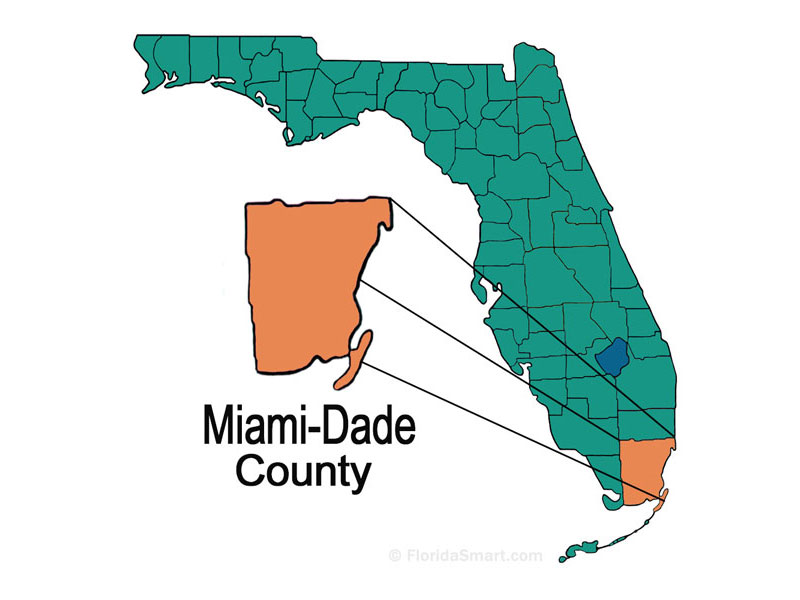
The common usage of “Dade” or “Miami” can be a source of confusion for newcomers. At its core, Miami is a city within a much larger political and geographical entity: Miami-Dade County. This county, established in 1957 through the consolidation of Dade County, is the most populous county in Florida and the eighth most populous in the United States. Its sprawling expanse encompasses not only the iconic City of Miami but also a constellation of diverse municipalities and unincorporated areas, each with its own unique character.
The City of Miami: The Urban Heartbeat
The City of Miami is the central business district and the most recognizable urban core. It’s the locale of world-renowned neighborhoods like South Beach, with its Art Deco architecture and lively nightlife, and the financial hub of Brickell. When people speak of visiting “Miami” for a typical tourist experience – think beaches, clubs, and upscale dining – they are often referring specifically to this vibrant city.
Beyond the City Limits: The Expansive County
However, Miami-Dade County extends far beyond these well-trodden paths. Its boundaries stretch from the shimmering shores of the Atlantic Ocean westward to the unique ecosystems of the Everglades National Park. This vastness means that exploring “Dade” opens up a significantly broader spectrum of experiences. From the tranquil beauty of the Deering Estate to the cultural enclaves of Little Havana and the international flavors found in areas like Kendall and Hialeah, Miami-Dade County is a mosaic of distinct communities. This geographical breadth is crucial for understanding the county’s demographic richness and the variety of activities available to visitors and residents alike.
A Tapestry of Cultures: The Soul of Miami-Dade County
The true essence of Miami-Dade County lies in its unparalleled cultural diversity. For decades, it has served as a magnet for immigrants and expatriates from across the globe, fostering a dynamic fusion of traditions, languages, and culinary arts. This rich heritage is not confined to specific neighborhoods; it permeates the very fabric of daily life throughout the county.
Latin American and Caribbean Influences
The most prominent cultural influences in Miami-Dade County are undeniably Latin American and Caribbean. The county is home to the largest Cuban-American population in the United States, and the vibrant spirit of Havana can be felt in every corner, particularly in neighborhoods like Little Havana. Here, visitors can savor authentic Cuban coffee, enjoy the infectious rhythms of salsa music, and witness the timeless art of dominoes being played in local parks.
Beyond Cuba, the influences of Puerto Rico, the Dominican Republic, Venezuela, Colombia, Haiti, Jamaica, and the Bahamas are profoundly felt. This translates into an explosion of flavors on the culinary scene, from the zesty notes of a pernil to the comforting embrace of a Haitian griot. Festivals celebrating these diverse heritages are frequent occurrences, offering immersive experiences in music, dance, and traditional crafts.
A Global Hub for Arts and Innovation
Miami-Dade County is not just a melting pot of cultures; it’s a thriving center for the arts and innovation. The county boasts a burgeoning contemporary art scene, with institutions like the Pérez Art Museum Miami and the numerous galleries in the Wynwood Arts District showcasing local and international talent. The annual Art Basel Miami Beach fair transforms the region into a global epicenter for the art world.
Furthermore, the county’s strategic location and diverse workforce have positioned it as a hub for international trade, finance, and technology. This dynamic economic landscape contributes to the cosmopolitan feel and forward-thinking attitude that characterize much of Miami-Dade County.
Exploring the Attractions: Beyond the Beaches
While the allure of Miami’s world-famous beaches is undeniable, Miami-Dade County offers a wealth of attractions that cater to a wide range of interests. From natural wonders to historical sites and recreational pursuits, the county is a treasure trove for exploration.

Nature and Wildlife Sanctuaries
For nature enthusiasts, Miami-Dade County provides unparalleled access to unique ecosystems. The aforementioned Everglades National Park, a UNESCO World Heritage Site, is a must-visit for its distinct sawgrass marshes, mangrove forests, and diverse wildlife, including alligators and a myriad of bird species. Airboat tours offer an exhilarating way to experience this iconic landscape.
Closer to the coast, the Oleta River State Park offers opportunities for kayaking, cycling, and exploring mangrove trails. The Fairchild Tropical Botanic Garden is a serene oasis showcasing a stunning collection of tropical plants, including rare palms and flowering trees.
Historical and Architectural Gems
Miami-Dade County is steeped in a history that mirrors its diverse population. The Vizcaya Museum & Gardens, a lavish Italian Renaissance-style villa once owned by industrialist James Deering, offers a glimpse into the Gilded Age and boasts breathtaking formal gardens. The Freedom Tower, a historic landmark in downtown Miami, stands as a powerful symbol of Cuban immigration and heritage.
The Art Deco Historic District in Miami Beach is another iconic destination, featuring a meticulously preserved collection of pastel-hued buildings from the 1930s and 1940s. Guided walking tours provide fascinating insights into the architectural styles and the vibrant history of this area.
Entertainment and Recreation
Miami-Dade County is a playground for entertainment and recreation. Beyond the beaches, visitors can explore world-class shopping at destinations like the Dolphin Mall or indulge in high-end boutiques in Bal Harbour Shops. Sports enthusiasts can catch a Miami Heat basketball game at the Kaseya Center or a Miami Marlins baseball game at loanDepot park.
For families, the Miami Children’s Museum and the Miami Seaquarium offer engaging experiences. The county’s vibrant nightlife, particularly in areas like South Beach and Wynwood, continues to draw visitors seeking energetic evenings filled with music and dancing.
Experiencing Miami-Dade: Tips for Travelers
Navigating Miami-Dade County requires an understanding of its vastness and its multifaceted identity. Whether you are visiting the iconic City of Miami or venturing into its broader reaches, a few tips can enhance your experience.
Embrace the Diversity
The beauty of Miami-Dade lies in its mosaic of cultures. Don’t limit yourself to just one neighborhood. Venture into areas like Little Havana for authentic Cuban culture, explore the vibrant Haitian community in Little Haiti, or discover the distinct charms of suburban municipalities like Coral Gables with its Mediterranean Revival architecture. Each area offers a unique perspective and a chance to engage with different facets of county life.
Transportation Considerations
Miami-Dade County is a sprawling metropolitan area, and while public transportation options exist, they may not always be the most efficient for covering long distances or reaching all attractions. The Metrorail and Metromover offer service in and around the City of Miami and its adjacent areas, while buses cover a wider network. However, for maximum flexibility and to explore the diverse municipalities outside the immediate city limits, renting a car or utilizing ride-sharing services is often recommended. Be prepared for significant traffic, especially during peak hours.

Culinary Adventures
The culinary scene in Miami-Dade County is a direct reflection of its multiculturalism. Be adventurous and sample the diverse offerings. Seek out authentic Cuban cafecitos and pastelitos, savor fresh seafood with a Caribbean twist, and explore the innovative fusion cuisine that has become a hallmark of the region. From high-end dining in Miami Design District to casual eateries in neighborhood pockets, there is something to satisfy every palate and budget.
By understanding that “Dade” encompasses the entirety of Miami-Dade County, visitors can unlock a richer, more authentic, and far more comprehensive experience of this dynamic and captivating South Florida destination. It’s a region where distinct urban energy meets a profound cultural depth, offering endless opportunities for discovery and delight.
LifeOutOfTheBox is a participant in the Amazon Services LLC Associates Program, an affiliate advertising program designed to provide a means for sites to earn advertising fees by advertising and linking to Amazon.com. Amazon, the Amazon logo, AmazonSupply, and the AmazonSupply logo are trademarks of Amazon.com, Inc. or its affiliates. As an Amazon Associate we earn affiliate commissions from qualifying purchases.