
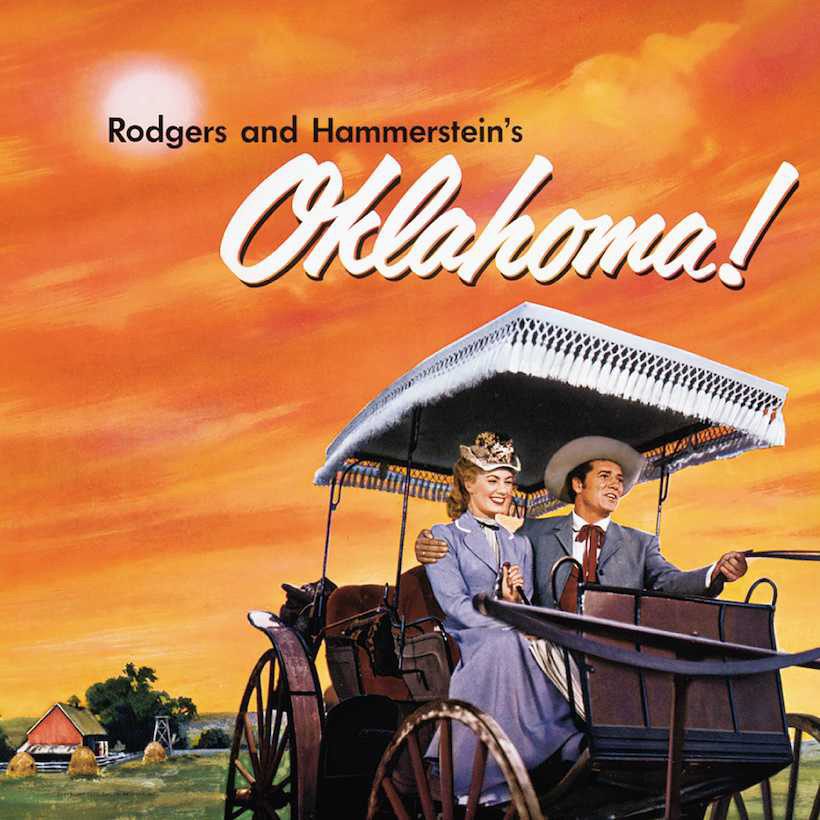
Rodgers and Hammerstein’s groundbreaking musical, Oklahoma!, is more than just a collection of catchy tunes and charming characters; it’s a vivid portrait of American frontier life at the turn of the 20th century, set against the breathtaking landscape of its namesake territory as it prepares for statehood. The story, deeply rooted in the unique spirit and challenges of this pivotal era, offers a fascinating glimpse into the nascent culture and burgeoning community of a land on the cusp of monumental change. While the musical is celebrated for its theatrical innovations and enduring songs, its narrative also serves as a rich tapestry of local culture, the aspirations of its people, and the inherent drama of daily life in a developing region. Understanding Oklahoma! provides a window into a specific, yet universally resonant, American experience.
The Heart of the Territory: Setting the Scene
The musical is set in the Indian Territory of the United States, specifically in and around a fictional small town, in 1906, just before the Oklahoma Territory and the Indian Territory were to be unified and admitted as a state. This historical context is crucial to understanding the underlying themes and the motivations of the characters. The impending statehood represents a significant transition, a move from a rugged, independent existence to a more structured, formalized society. This backdrop imbues the story with a sense of anticipation and, for some, trepidation about the future.
The landscape itself plays a vital role, evoking the vastness and raw beauty of the American prairie. Descriptions of sun-drenched fields, dusty roads, and open skies paint a picture of a land ripe for settlement and development, but also one that demands resilience and hard work from its inhabitants. This is not the manicured elegance of European cities or the bustling metropolis of established American centers; this is a land where nature dictates much of life, and human endeavors are shaped by its rhythms.
Frontier Life and Community Spirit
Life on the frontier was characterized by a strong sense of community, born out of necessity and shared challenges. Neighbors relied on each other for support, whether it was help with a harvest, building a new barn, or simply companionship in isolation. Oklahoma! captures this communal spirit through various scenes, from the spirited square dances that bring everyone together to the collective efforts involved in organizing events like the box social.
The play highlights the diverse individuals who were forging a new life in this territory: farmers, ranchers, merchants, and families, all with their own hopes and dreams. The interplay between these characters reveals the social dynamics of a frontier town, including its established hierarchies, burgeoning romances, and occasional conflicts. The town itself, though fictional, serves as a microcosm of the developing American West, showcasing the blend of optimism and pragmatism that defined the era.
The Dream of Statehood
The looming statehood of Oklahoma is a constant undercurrent in the musical. It signifies progress, opportunity, and a step towards greater integration into the United States. For some, it represents a chance for improved infrastructure, better schools, and more established law and order. For others, particularly those with deep roots in the land or a strong sense of independent living, it might bring concerns about losing the unique character of the territory and the freedoms they currently enjoy. This duality of anticipation and apprehension adds a layer of historical depth to the personal stories unfolding.
The Narrative Threads: Love, Rivalry, and Identity
At its core, Oklahoma! is a love story, or rather, two intertwined love stories that drive the dramatic action. These romances are not mere fleeting attractions; they are deeply connected to the characters’ identities, their aspirations, and the very fabric of the community. The musical masterfully uses song and dance to express the characters’ inner emotions, desires, and conflicts, a revolutionary approach for its time.
Laurey and Curly’s Courtship
The central romance is between the spirited farm girl Laurey Williams and the handsome, confident cowboy Curly McLain. Their courtship is marked by playful banter, teasing, and an unspoken, but powerful, attraction. They represent the idealized vision of frontier romance – strong, independent individuals drawn together by genuine affection and a shared appreciation for their life on the land.
Their love story unfolds against the backdrop of the approaching Adlai E. Stevenson II Memorial Rodeo and the celebrated box social. These events are not just social gatherings; they are crucial junctures where feelings are revealed, rivalries come to a head, and the characters’ futures are shaped. The iconic song “Oh, What a Beautiful Mornin'” sung by Curly, sets a tone of optimism and the joy of existence, reflecting his hopeful outlook on life and his burgeoning feelings for Laurey.
Ado Annie and Will Parker’s Relationship
Complementing the central romance is the charming, yet often chaotic, relationship between the flirtatious Ado Annie Carnes and the slightly naive but devoted cowboy Will Parker. Their story provides comedic relief and highlights different facets of love and commitment on the frontier. Ado Annie, known for her vivaciousness and susceptibility to flattery, finds herself torn between the steadfast Will and the alluring but less scrupulous traveling salesman, Ali Hakim. This love triangle offers a lighter, yet still significant, exploration of relationships and the choices individuals make.
The Shadow of Jud Fry
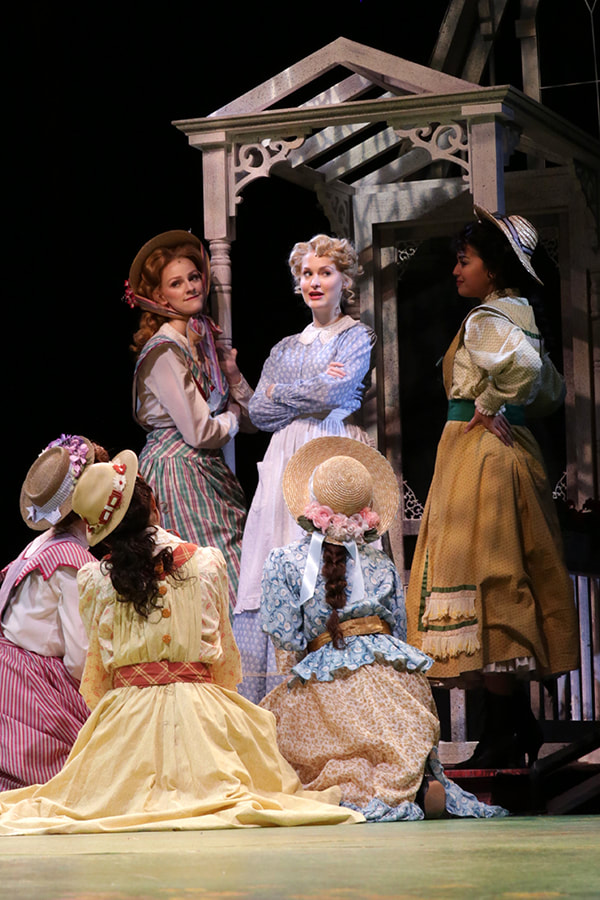
Looming over Laurey and Curly’s relationship is the menacing presence of Jud Fry, the ranch hand who harbors a dark obsession with Laurey. Jud represents the darker, more unsettling aspects of frontier life – loneliness, resentment, and dangerous possessiveness. His character serves as a dramatic foil to Curly’s optimism and Laurey’s independent spirit, introducing a palpable tension that drives much of the musical’s plot. The famous “Pore Jud is Daid” sequence, sung by Laurey and Curly, is a darkly humorous yet crucial scene where they conspire to keep Jud away, revealing their shared desire for each other and their collective distaste for his presence.
Cultural Significance and Artistic Innovation
Oklahoma! is not only a compelling story but also a landmark achievement in musical theatre. Its success lies in its seamless integration of song, dance, and dialogue to advance the plot and reveal character, a significant departure from the more disjointed musical revues that preceded it. The integration of Agnes de Mille’s choreography, which drew heavily from folk dances and imbued the performances with a distinct sense of place and character, was particularly revolutionary.
The Integrated Musical
Before Oklahoma!, musicals often felt like a series of unrelated songs interspersed with spoken dialogue. Rodgers and Hammerstein, however, conceived of a work where every element served the narrative. The songs are not simply inserted for entertainment; they are vehicles for expressing character, moving the plot forward, and exploring the emotional landscape of the story. The dream ballet sequence, in particular, showcases this integration, using dance to delve into Laurey’s subconscious fears and desires, a profound psychological exploration through movement.
Folk Music and American Identity
The musical’s score is rich with melodies and rhythms that evoke the American heartland. Songs like “People Will Say We’re in Love,” “Surrey with the Fringe on Top,” and “Kansas City” draw inspiration from folk traditions, country music, and the burgeoning sounds of American popular song. This use of distinctively American musical styles helped to forge a unique theatrical identity, moving away from European operetta influences and establishing a new voice for American storytelling on stage. The music itself becomes a character, reflecting the spirit and aspirations of the people and the land.
A Glimpse into Local Culture
The “box social” depicted in Oklahoma! is a quintessential example of frontier social tradition. These events, where women would prepare elaborate picnic baskets and men would bid on them, were not only a means of raising money for community projects but also a lively social occasion where courtship and flirtation could flourish. The musical captures the spirit of these gatherings, from the competitive bidding to the communal enjoyment of food and company, offering a vivid snapshot of a specific aspect of local culture. The descriptions of food, the interactions between townspeople, and the overall festive atmosphere all contribute to a rich portrayal of frontier community life.
Themes That Endure
Beyond its historical setting and artistic innovations, Oklahoma! resonates because it explores universal themes that remain relevant today: love, jealousy, prejudice, the pursuit of happiness, and the struggle between tradition and progress. The musical offers a nuanced look at human relationships and the challenges of building a life in a new and often unforgiving environment.
The Nature of Love and Commitment
The various romantic entanglements in Oklahoma! explore different facets of love and commitment. Laurey and Curly’s relationship represents a mature, deeply felt connection built on mutual respect and shared dreams. Ado Annie’s predicaments, while often comedic, touch upon the complexities of choosing a partner and the allure of different kinds of affection. The musical suggests that true love is often found not in grand gestures, but in steadfast devotion and understanding.
Overcoming Adversity
Life on the frontier was not without its hardships, and Oklahoma! acknowledges this reality. The characters face personal challenges, economic uncertainties, and even the threat of violence. Yet, the overarching tone is one of resilience and optimism. The community’s ability to come together in times of need, and the characters’ determination to overcome personal obstacles, underscore the enduring human capacity for hope and perseverance. The eventual triumph of good over the darker forces, particularly in the resolution of Jud Fry’s storyline, reinforces a belief in justice and the triumph of a more hopeful future.
The American Dream
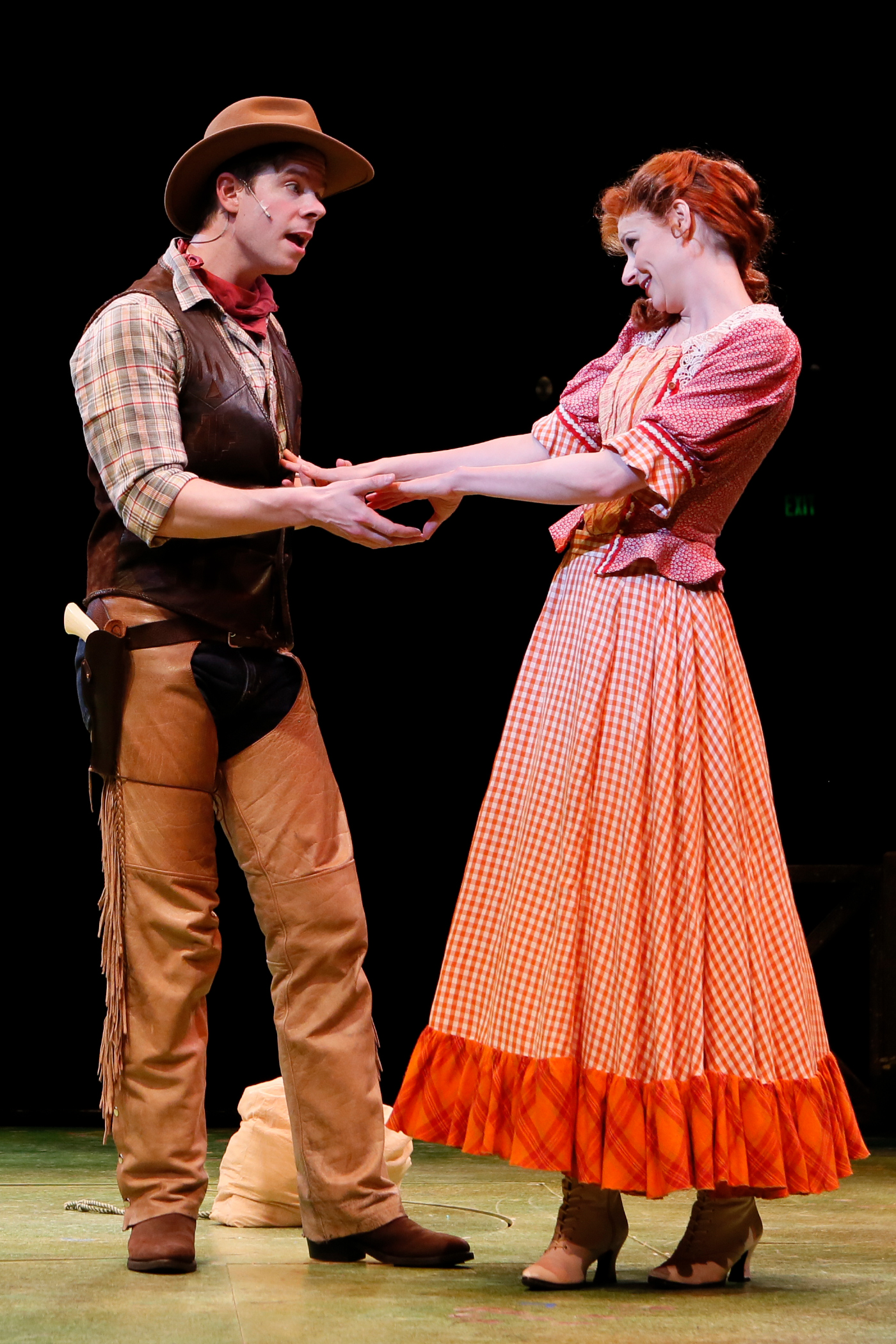
Oklahoma! can be seen as a testament to the American Dream – the idea that through hard work, determination, and a bit of luck, individuals can achieve success and build a better life for themselves and their families. The aspirations of the characters, from Laurey and Curly’s desire for their own farm to the broader community’s anticipation of statehood, reflect this fundamental American ethos. The musical celebrates the pioneers who ventured into uncharted territories with the hope of creating a prosperous future, making it a powerful cultural artifact that continues to inspire. The dream of a thriving, independent life, deeply intertwined with the land and the community, is central to the musical’s enduring appeal.
LifeOutOfTheBox is a participant in the Amazon Services LLC Associates Program, an affiliate advertising program designed to provide a means for sites to earn advertising fees by advertising and linking to Amazon.com. Amazon, the Amazon logo, AmazonSupply, and the AmazonSupply logo are trademarks of Amazon.com, Inc. or its affiliates. As an Amazon Associate we earn affiliate commissions from qualifying purchases.