
Embarking on an entrepreneurial journey in the Golden State offers a unique blend of opportunity and lifestyle. Whether you’re dreaming of opening a chic boutique, launching an online vintage store, or curating artisanal goods at a local market, understanding the foundational steps is crucial. For anyone planning to resell tangible personal property, one of the most vital prerequisites is obtaining a California Seller’s Permit, often referred to as a resale license. This permit isn’t merely a bureaucratic hurdle; it’s a cornerstone for legitimate business operations, allowing you to purchase items for resale without paying sales tax to your suppliers and subsequently collecting sales tax from your customers. Integrating this essential business step into your larger lifestyle vision for California is key to long-term success and peace of mind.
Understanding the California Seller’s Permit: A Foundation for Your Lifestyle Business
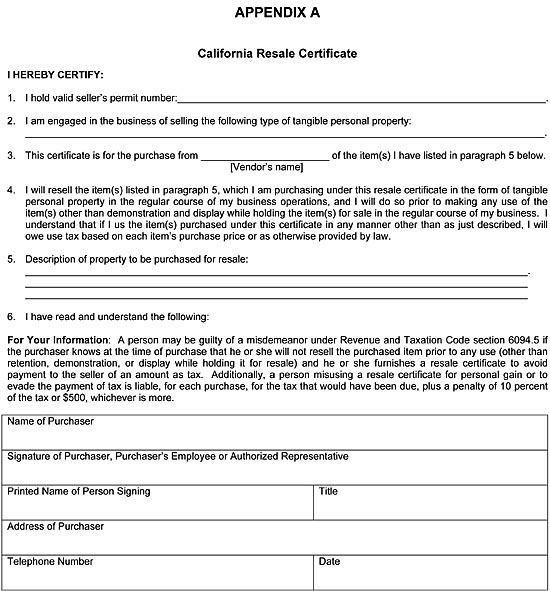
The California Seller’s Permit is issued by the California Department of Tax and Fee Administration (CDTFA). It serves multiple critical functions for your business and for the state. For your business, it legally empowers you to engage in retail sales activities and enables you to issue a resale certificate to your vendors, affirming that the goods you are purchasing are intended for resale. This means you won’t pay sales tax on these wholesale purchases, preventing double taxation. For the state, it ensures that sales tax is properly collected from end-consumers and remitted, funding vital public services.
Who Needs a Seller’s Permit?
Generally, anyone who:
- Sells or leases tangible personal property that is ordinarily subject to sales tax.
- Is engaged in business in California.
- Sells items for a profit, even if only occasionally.
This covers a vast array of lifestyle businesses, from brick-and-mortar stores in bustling cities like Los Angeles or San Francisco to home-based e-commerce operations reaching customers globally. Even if your sales are infrequent, or you plan to operate a seasonal pop-up shop in a picturesque location like Napa Valley, a Seller’s Permit is typically required. Ignorance is no defense against penalties, making early application a smart business practice. It legitimizes your venture, moving it from a hobby to a recognized entity contributing to the vibrant California economy.
Types of Permits: Navigating Your Options
The CDTFA offers two main types of Seller’s Permits:
- Regular Permit: This is for businesses with a fixed location or those who anticipate ongoing sales activities. It’s the most common type and suitable for established stores, long-term online retailers, or service providers who also sell goods.
- Temporary Permit: Designed for short-term selling activities, such as seasonal kiosks, craft fairs, or limited-time events. These permits are typically valid for 90 days or less. If your entrepreneurial lifestyle involves frequent participation in festivals or markets across California, you might apply for multiple temporary permits or opt for a regular permit if your activities become more consistent.
Choosing the right permit type ensures compliance and aligns with the scale and duration of your lifestyle business operations.
The Application Process: Navigating the California Department of Tax and Fee Administration (CDTFA)
Securing your Seller’s Permit is a straightforward process, primarily managed online through the California Department of Tax and Fee Administration (CDTFA) website. The CDTFA is the state agency responsible for collecting sales and use taxes, and their online portal is designed to streamline applications.
Step-by-Step Guide to Applying Online
-
Gather Your Information: Before you begin, compile all necessary details about your business. This includes:
- Your Social Security Number (SSN) or Federal Employer Identification Number (FEIN/EIN).
- Your business name and address.
- The type of business entity (sole proprietorship, partnership, LLC, corporation).
- Start date of business operations.
- A detailed description of the products you will be selling.
- Your estimated monthly taxable sales.
- Information about any prior permits or licenses.
- Contact information for owners, partners, or corporate officers.
-
Visit the CDTFA Website: Navigate to the California Department of Tax and Fee Administration website (cdtfa.ca.gov). Look for the “Register for a Permit, License, or Account” section.
-
Complete the Online Application: The online portal will guide you through a series of questions. Be meticulous and ensure all information is accurate. Errors can lead to delays. The process is intuitive, designed to be user-friendly for aspiring business owners.
-
Security Deposit (If Required): Depending on factors like your credit history or the nature of your business, the CDTFA may require a security deposit. This deposit ensures the state’s ability to collect taxes should the business default on its obligations. This is typically determined during the application review process.
-
Receive Your Permit: Once your application is approved and any required deposit is paid, your Seller’s Permit will be mailed to you. This permit should be prominently displayed at your place of business. For online businesses, while physical display isn’t relevant, having the permit number readily available for wholesale purchases and tax filings is essential. The timeframe for receiving your permit can vary but is generally efficient when all information is accurate and complete.
Other Important Considerations During Application
- Local Business Licenses: Remember that the California Seller’s Permit is a state-level permit for sales tax. You may also need to acquire local business licenses or permits from the city or county where your business operates. For instance, operating a retail space in San Diego would likely require a San Diego business license in addition to your Seller’s Permit. Research local requirements thoroughly.
- Fictitious Business Name (DBA): If you plan to operate your business under a name different from your legal name (for a sole proprietorship) or registered entity name, you’ll need to file a Fictitious Business Name (FBN) statement, also known as a “Doing Business As” (DBA). This is usually done with the county clerk where your principal place of business is located.
- Sales Tax Reporting Frequency: Based on your estimated sales volume, the CDTFA will assign you a reporting frequency (e.g., monthly, quarterly, annually). Understanding and adhering to these deadlines is critical for compliance and avoiding penalties.
Beyond the Permit: Sustaining Your California Venture
Obtaining your resale license is just the first step in building a thriving lifestyle business in California. Sustaining your venture requires ongoing attention to compliance, financial management, and adapting to market dynamics.
Sales Tax Collection and Remittance
As a Seller’s Permit holder, you are responsible for collecting sales tax from your customers at the point of sale. The sales tax rate in California is a combination of a statewide rate and any applicable district (city/county) rates. It’s crucial to correctly identify the sales tax rate for each transaction, especially if you sell across different jurisdictions or operate an online store with customers in various parts of the state.
You will then file periodic sales and use tax returns with the CDTFA and remit the collected taxes. Accurate record-keeping of all sales and purchases is paramount. Many accounting software solutions can help automate sales tax calculations and reporting, simplifying this ongoing responsibility and allowing you to focus more on the creative aspects of your lifestyle business.
Maintaining Your Permit and Records
Your Seller’s Permit does not expire, but it can be revoked if you fail to comply with sales tax laws. Always keep your business information updated with the CDTFA, especially if your business address changes or you alter your business structure. Comprehensive record-keeping is not just good practice; it’s a legal requirement. Maintain records of all sales, purchases, deductions, and tax returns for at least four years. This documentation is vital for audits and demonstrates your commitment to operating a transparent and compliant business.

Embracing the Entrepreneurial California Lifestyle
For many, starting a business in California isn’t just about profit; it’s about curating a desired lifestyle. Whether you dream of running a beachside art gallery in San Diego, a gourmet food truck traversing Los Angeles neighborhoods, or a sustainable fashion brand based out of San Francisco, the Seller’s Permit is your gateway to legal operation. It enables you to participate in the state’s vibrant economy, access wholesale opportunities, and confidently build your brand.
Understanding and fulfilling these fundamental business requirements allows you to channel your creative energy into product development, customer engagement, and community building, rather than worrying about compliance issues. By properly securing your resale license, you lay a solid foundation, empowering your entrepreneurial spirit to flourish within the unique and dynamic California lifestyle. It’s an investment in your business’s legitimacy and your peace of mind, allowing you to fully embrace the journey of bringing your vision to life.
LifeOutOfTheBox is a participant in the Amazon Services LLC Associates Program, an affiliate advertising program designed to provide a means for sites to earn advertising fees by advertising and linking to Amazon.com. Amazon, the Amazon logo, AmazonSupply, and the AmazonSupply logo are trademarks of Amazon.com, Inc. or its affiliates. As an Amazon Associate we earn affiliate commissions from qualifying purchases.