
Visiting a new city often involves exploring its unique culture, attractions, and culinary scene. For travelers, understanding the local laws, particularly those concerning firearms, is a crucial aspect of responsible tourism. The question “Are guns legal in Chicago?” is complex, requiring an understanding of both Illinois state law and specific Chicago municipal ordinances, which are among the strictest in the United States. For tourists, navigating these regulations can be challenging, making thorough preparation essential before any trip to the Windy City.
Understanding Illinois and Chicago Firearm Laws for Visitors
The legal landscape surrounding firearms in Illinois is distinct from many other states, and Chicago’s local regulations further refine these rules. For out-of-state visitors, the primary challenge often lies in the lack of reciprocity for concealed carry permits and the broad scope of prohibited activities and locations.
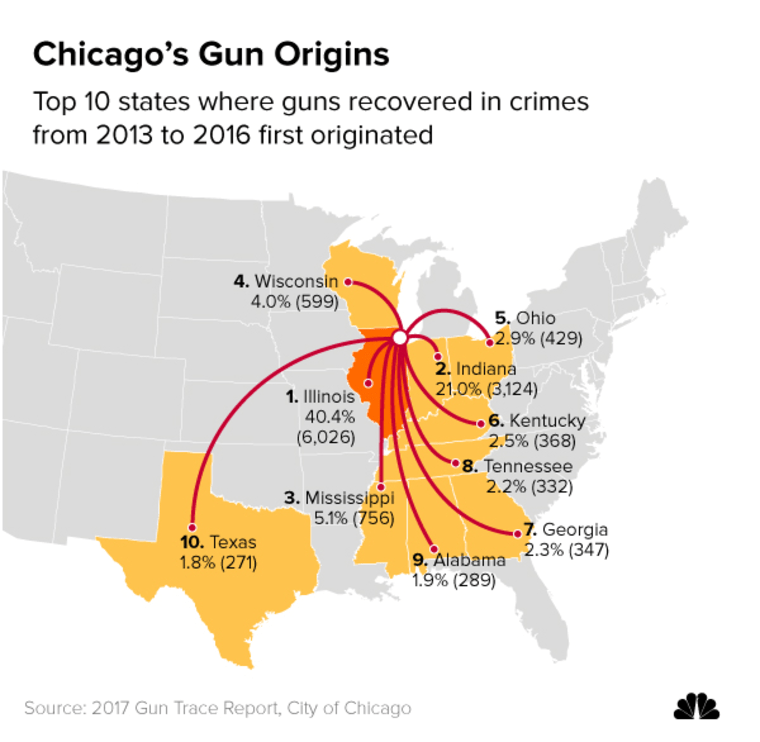
Concealed Carry and Open Carry in Illinois
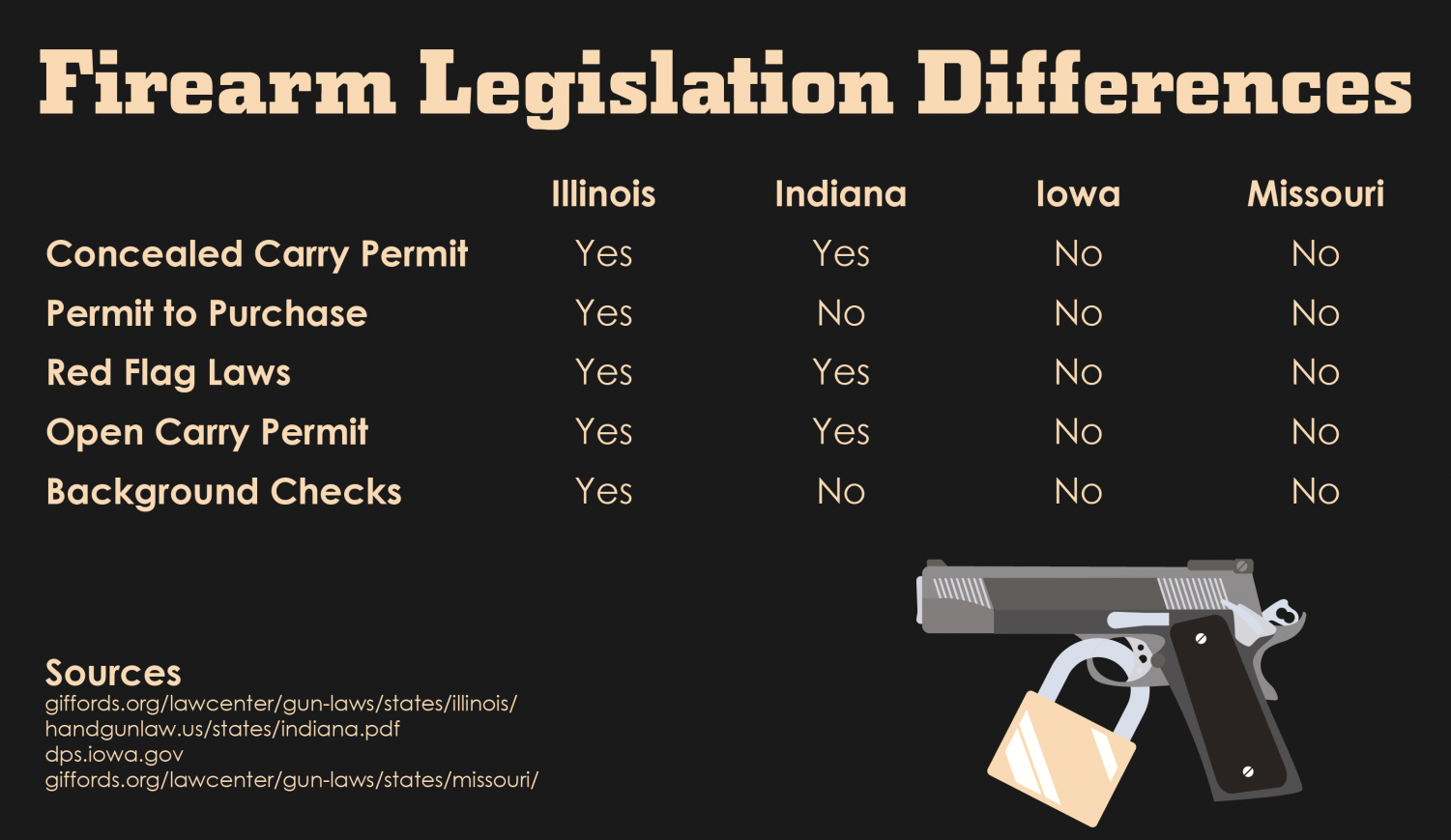
Illinois is a “shall issue” state for concealed carry, meaning that qualified residents who meet specific criteria can obtain a Firearm Concealed Carry License (FCCL). However, this privilege generally does not extend to non-residents. Illinois has very limited reciprocity agreements with other states. As of current law, only residents of states with substantially similar licensing requirements and training standards, which are few, may apply for an Illinois non-resident FCCL. This means that a concealed carry permit valid in one’s home state is highly unlikely to be recognized in Illinois, especially for visitors planning to spend time in Chicago.
Open carry of firearms is generally prohibited in Illinois, with very few exceptions, such as while hunting in designated areas or on one’s own property. For a tourist in an urban setting like Chicago, open carry is effectively illegal and would likely lead to immediate legal issues. The intent of Illinois law is clear: firearms should not be openly displayed in public spaces.
Chicago’s Stricter Local Ordinances
Chicago operates under some of the most stringent gun control measures in the United States, often imposing restrictions that go beyond state law. While a 2010 Supreme Court ruling (McDonald v. City of Chicago) struck down its outright handgun ban, and subsequent rulings have challenged other aspects, the city has continuously adapted its ordinances to maintain strict control.
Key restrictions within Chicago that are particularly relevant to visitors include:
- Assault Weapon Ban: The city maintains a ban on various types of firearms classified as “assault weapons,” as well as high-capacity magazines (generally those holding more than 10 rounds). Possessing these within city limits is illegal, regardless of state permits or where the weapon was legally purchased.
- Registration Requirements: While a state-issued Firearm Owner’s Identification (FOID) card is required for firearm ownership in Illinois, Chicago has, at times, had additional registration requirements, though these have been subject to legal challenges. It’s crucial for any potential firearm owner to check the most current Chicago Police Department ordinances.
- Prohibited Locations: Beyond state-mandated “no-gun zones,” Chicago may have additional local prohibitions, making carrying a firearm in public areas exceptionally difficult, even with a valid FCCL (which, as discussed, is rarely applicable to tourists).
The overarching message for tourists is that Chicago’s legal environment is highly restrictive regarding firearms. Relying on permits from other states or assuming general legality based on national trends is a perilous approach.
Transporting Firearms Through Chicago
Travelers who intend to merely pass through Chicago with a firearm, without the intention of carrying it within city limits, face a different set of considerations. This scenario often applies to those driving across the country or flying into one of Chicago’s major airports.
Federal vs. State and Local Laws
The Firearm Owners’ Protection Act (FOPA) is a federal law that allows individuals to transport unloaded firearms in a locked container through states where they might otherwise be illegal, provided the firearm is not readily accessible and the traveler is in continuous transit. However, “FOPA protections are specifically for interstate travel from a place where a person may lawfully possess and carry a firearm to any other place where a person may lawfully possess and carry a firearm.”
The critical caveat for Chicago is that any deviation from a direct, continuous route – such as stopping for sightseeing, an overnight stay, or even refueling at a distant exit – could potentially negate FOPA protections. Once FOPA is no longer applicable, local and state laws immediately take precedence. This means if you stop in Chicago, even briefly, with a firearm that is illegal under local ordinances (e.g., an “assault weapon” or high-capacity magazine), you could be in violation of the law.
For vehicle transport, firearms must be:
- Unloaded.
- Enclosed in a case, firearm carrying box, shipping box, or other container.
- Not immediately accessible, meaning the firearm should be in a separate compartment from the passenger area (e.g., trunk) or a locked container if within the passenger compartment.
- Ammunition should be stored separately, not loaded into the firearm or its magazine.
Air Travel and O’Hare International Airport / Midway International Airport
For those flying into or out of Chicago, specific federal Transportation Security Administration (TSA) regulations apply, in addition to state and local laws.
- TSA Requirements: Firearms must be unloaded, declared to the airline at check-in, and transported in a locked, hard-sided container in checked baggage only. Ammunition must be in original manufacturer’s packaging or similar secure containers.
- Arrival in Chicago: The moment a firearm leaves airline custody at O’Hare International Airport or Midway International Airport, Illinois and Chicago laws become paramount. If you do not possess an Illinois FOID card or a valid FCCL (which, again, is unlikely for a non-resident tourist), simply retrieving your firearm from baggage claim could put you in legal jeopardy under Chicago’s ordinances regarding possession.
The safest course of action for most tourists traveling by air is to avoid bringing firearms into Chicago entirely, unless they are specifically traveling for a regulated event like a shooting competition and have made all necessary prior legal arrangements with an Illinois attorney.
Places Where Firearms Are Prohibited
Even if a visitor somehow possessed a valid Illinois FCCL, numerous locations in Chicago are designated “no-gun zones” by state and local law. These prohibitions are extensive and cover virtually every public space a tourist might wish to visit.
“No Gun” Zones
Under Illinois law, firearms are strictly prohibited in over two dozen types of locations, many of which are popular tourist destinations or essential public services. These include, but are not limited to:
- Schools, universities, and child care facilities.
- Government buildings, courthouses (e.g., the Daley Center), and polling places.
- Public transportation, including buses, trains, and their stations.
- Places of worship.
- Hospitals and nursing homes.
- Any stadium (like Soldier Field or Wrigley Field), arena, or performing arts venue.
- Airports (beyond the TSA checkpoints, into public areas).
- Gaming facilities (casinos).
- Any building or portion of a building under the control of an establishment that serves alcohol if more than 50% of its gross receipts come from the sale of alcohol (most bars and many restaurants).
- Public playgrounds, parks, and special events requiring security screening.
- Museums (e.g., Art Institute of Chicago, Field Museum) and libraries.
Many of these locations will have clearly posted “No Firearms” signs, but their absence does not negate the legal prohibition. For a tourist looking to experience Chicago’s rich cultural offerings and vibrant city life, the vast majority of activities and destinations fall under these prohibitions.
Hotels and Private Property
Private property owners, including hotels, have the right to prohibit firearms on their premises. Many hotels in Chicago, such as The Langham Chicago or Hyatt Regency Chicago, have internal policies against firearms, even if state law might otherwise permit carrying in a hotel room under certain conditions. It is always advisable for travelers to check with their specific accommodation provider about their firearm policies before arrival. Violating a hotel’s policy could result in immediate expulsion and potential legal issues if local laws are also breached.
Consequences of Non-Compliance and Best Practices for Tourists
The legal ramifications of violating Illinois and Chicago firearm laws can be severe, ranging from significant fines to felony charges and imprisonment. For tourists, an arrest can lead to a ruined trip, substantial legal fees, and long-term consequences that affect future travel and employment.
Penalties for Violations
Possessing a firearm without a valid FOID card or FCCL in Illinois can lead to felony charges. Carrying a concealed firearm without a valid FCCL is a Class 4 felony, punishable by 1 to 3 years in prison. Possessing prohibited firearms (like an “assault weapon” in Chicago) or high-capacity magazines carries similar severe penalties. Even seemingly minor infractions, such as possessing an unloaded firearm incorrectly cased, can result in misdemeanor charges with fines and potential jail time. Ignorance of the law is never a valid defense, particularly in jurisdictions with highly publicized strict gun control.

Essential Tips for Visitors
For any tourist considering bringing a firearm to Chicago, or even passing through, these best practices are paramount:
- Research Thoroughly and Continuously: Firearm laws are dynamic. Before your trip, consult the official websites of the Illinois State Police and the Chicago Police Department for the most current statutes and ordinances.
- When in Doubt, Leave it Out: For the vast majority of tourists, the safest and most practical approach is to avoid bringing firearms to Chicago altogether. The city offers an incredible array of attractions, from its stunning architecture, world-class museums, and diverse culinary scene, that can be enjoyed without the legal complexities and risks associated with firearms.
- Seek Legal Counsel: If there is a compelling, legally justifiable reason to travel with a firearm to Illinois and Chicago (e.g., participation in a sanctioned shooting event, requiring specific legal exemptions), it is imperative to consult with an Illinois attorney specializing in firearm law before your travel dates. This professional guidance can help navigate the intricate legal framework and ensure compliance.
- Focus on the Experience: Embrace Chicago’s vibrant tourism offerings. Take a Chicago Architecture Center River Cruise, explore the Magnificent Mile, enjoy a deep-dish pizza, or visit Millennium Park to see “The Bean.” These experiences are the essence of a Chicago visit and do not require the added stress of firearm legality.
In conclusion, while the question “Are guns legal in Chicago?” can be answered with a qualified “yes” under very specific, narrow circumstances for a select few, the practical reality for nearly all tourists is that carrying a firearm in Chicago is highly restricted, legally perilous, and strongly advised against. Prioritize safe and informed travel by understanding and respecting local laws.
LifeOutOfTheBox is a participant in the Amazon Services LLC Associates Program, an affiliate advertising program designed to provide a means for sites to earn advertising fees by advertising and linking to Amazon.com. Amazon, the Amazon logo, AmazonSupply, and the AmazonSupply logo are trademarks of Amazon.com, Inc. or its affiliates. As an Amazon Associate we earn affiliate commissions from qualifying purchases.