
Oregon, a state renowned for its diverse landscapes, from the rugged Oregon Coast to the majestic Cascade Mountains, offers abundant opportunities for outdoor exploration. Hiking trails weave through ancient forests, scenic byways invite leisurely drives, and expansive wilderness areas beckon adventurers. However, for those planning a visit or a new life in the Beaver State, a common concern arises: are there ticks in Oregon? The answer is a definitive yes, but understanding their prevalence, types, and how to mitigate risks is crucial for a safe and enjoyable experience.
Understanding Tick Prevalence in Oregon
The presence of ticks in Oregon is not a widespread epidemic but rather a localized phenomenon, largely dependent on habitat and season. While not every corner of the state harbors significant tick populations, certain environments are more conducive to their survival and reproduction. These typically include:
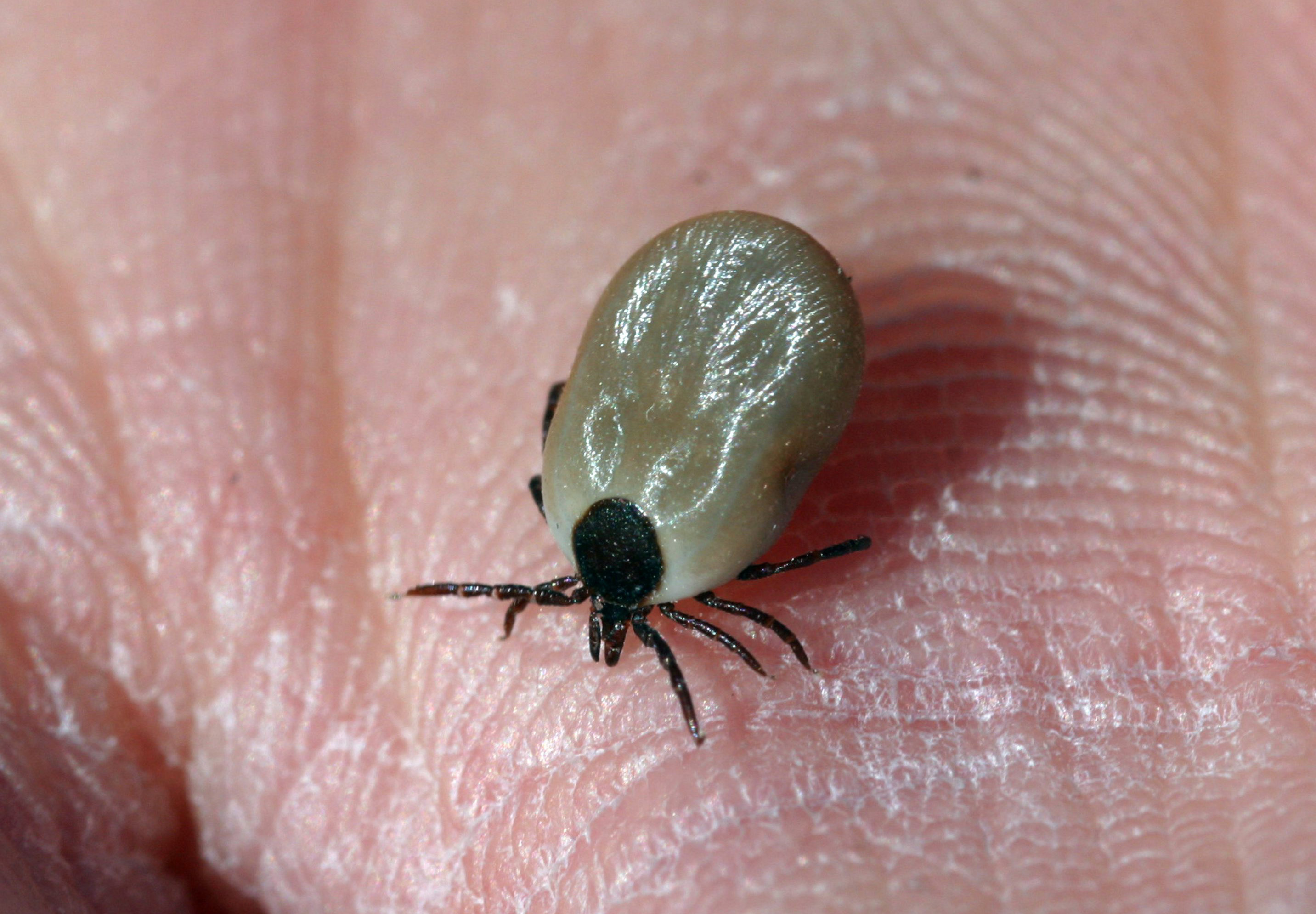
- Wooded Areas: Dense forests, particularly those with thick undergrowth and leaf litter, provide ideal habitats for ticks. This is where their preferred hosts, such as deer and small mammals, are most commonly found.
- Tall Grass and Brush: Areas with overgrown fields, unkempt parks, and the edges of walking trails can be tick hotspots. Ticks often wait on the tips of grass blades or brush, ready to latch onto unsuspecting passersby.
- Specific Regions: While ticks can be found statewide, some areas are known to have higher concentrations. The western part of the state, with its extensive forests and moderate climate, often reports more tick activity than the arid eastern regions. However, even in the east, pockets of suitable habitat can harbor tick populations.
- Seasonal Activity: Tick activity is largely seasonal, with peak periods generally occurring from spring through fall. Warmer temperatures encourage ticks to become more active in their quest for a blood meal. Early spring and late autumn can still see tick presence, especially in milder years.
It’s important to note that tick populations can fluctuate year to year due to factors like rainfall, temperature, and the abundance of host animals. Therefore, vigilance is always recommended, regardless of general trends.
Common Tick Species in Oregon
Oregon is home to several tick species, each with its own preferred habitat and potential to transmit diseases. The most commonly encountered are:
The Western Black-Legged Tick (Ixodes pacificus)
This tick is arguably the most significant in terms of public health in Oregon. It is a primary vector for Lyme disease and anaplasmosis.
- Habitat: Primarily found in wooded and shrubby areas, particularly west of the Cascade Mountains. They are often found in coastal forests, deciduous woodlands, and mixed coniferous forests.
- Life Cycle: This tick has a two-year life cycle, involving four stages: egg, larva, nymph, and adult. Larvae and nymphs are most active in the spring and summer, while adults are more prevalent in the fall and winter.
- Host Preference: Primarily targets deer and rodents for blood meals, but will also feed on birds and humans.
- Key Characteristics: Adult females have black bodies with reddish-brown legs. Males are mostly black. Nymphs and larvae are smaller and harder to spot.
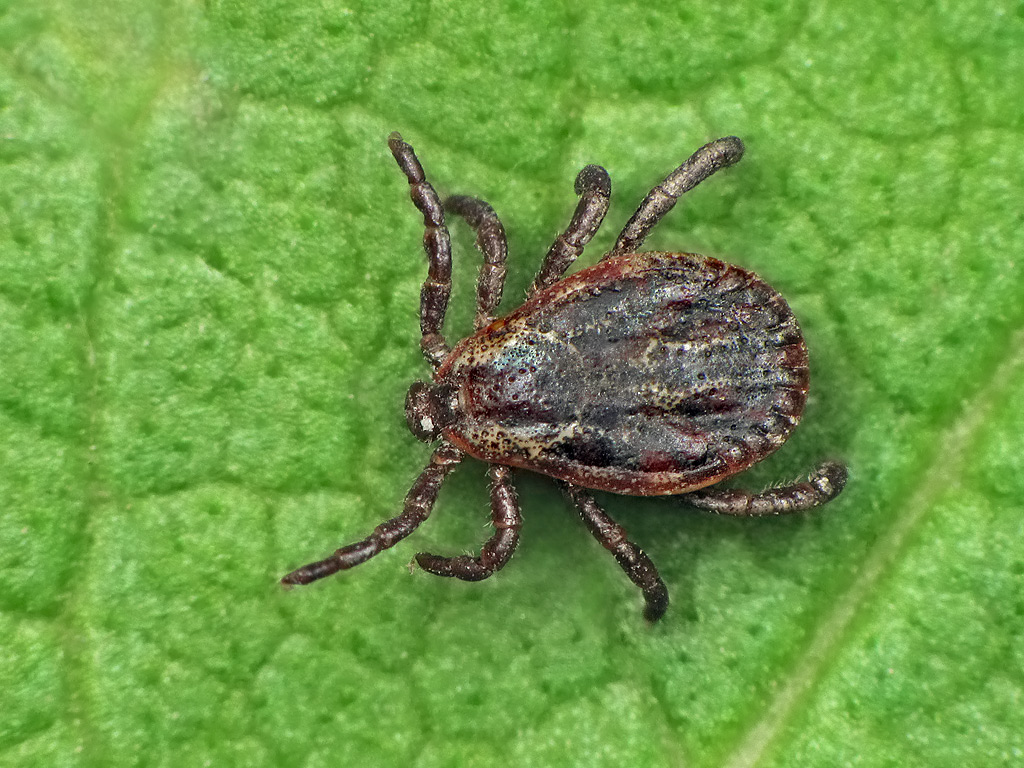
The American Dog Tick (Dermacentor variabilis)
While less frequently associated with Lyme disease in Oregon compared to the western black-legged tick, the American dog tick can transmit other diseases, such as Rocky Mountain Spotted Fever.
- Habitat: Found in grassy, brushy, and wooded areas throughout Oregon, though often more prevalent in the eastern and southern parts of the state. They are commonly found in open, uncultivated fields and along trails.
- Life Cycle: This tick also has a multi-stage life cycle and is most active during warmer months, typically from spring to early fall.
- Host Preference: Known for feeding on a wide range of hosts, including dogs, other mammals, and humans.
- Key Characteristics: Recognizable by a silvery-white shield-like marking on its back. They are generally larger than western black-legged ticks.
Other Tick Species
While less common or of lesser public health concern in Oregon, other tick species like the Deer Tick (a synonym for the Western Black-legged Tick in this context) and the brown dog tick (Rhipicephalus sanguineus) may be encountered, particularly around domestic animals.
Protecting Yourself from Ticks in Oregon
Encountering ticks in Oregon is not an insurmountable obstacle to enjoying the outdoors. With proper precautions and awareness, you can significantly reduce your risk of tick bites and tick-borne illnesses. The key lies in proactive measures before, during, and after your outdoor excursions.
Before You Go: Preparation is Key
- Choose Appropriate Clothing: When venturing into tick-prone areas, wear long, loose-fitting clothing. Tuck your pants into your socks and your shirt into your pants. Light-colored clothing makes it easier to spot ticks.
- Use EPA-Registered Insect Repellent: Apply insect repellents containing DEET, picaridin, or oil of lemon eucalyptus to exposed skin. Always follow product instructions carefully, especially for children.
- Treat Clothing and Gear: Consider using permethrin-based products to treat clothing, shoes, tents, and other gear. Permethrin is an insecticide that repels and kills ticks. It’s important to note that permethrin should only be applied to clothing, not directly to skin.
- Plan Your Route: Stick to marked trails and avoid walking through tall grass, brush, or leaf litter whenever possible.
During Your Adventure: Vigilance on the Trail
- Regular Tick Checks: If you’re spending an extended period outdoors, perform tick checks on yourself and your companions at least every two hours. Pay close attention to areas where ticks commonly hide:
- Scalp and hair
- Ears (inside and out)
- Armpits
- Navel
- Waistline
- Groin and behind knees
- Between the legs
- Anywhere else skin is exposed.
- Keep Pets Protected: If you’re hiking with dogs, ensure they are on a leash and check them thoroughly for ticks after every outing. Discuss tick prevention products for pets with your veterinarian.
After Your Return: The Crucial Post-Activity Checks
- Thorough Tick Check: Upon returning home, conduct a thorough tick check of your entire body. This is the most critical step in preventing tick bites from becoming an issue.
- Shower Soon After Coming Inside: Showering within two hours of coming indoors can help wash off any unattached ticks and provides an excellent opportunity to check for any that may have been missed.
- Examine Gear and Clothing: Inspect your clothing, backpacks, and any other gear that may have come into contact with vegetation. Tumble dry clothes in a hot dryer for at least 10 minutes to kill any remaining ticks.
- Check Pets Again: Give your pets another thorough check for ticks.
Tick Removal and What to Do If Bitten
If you discover a tick attached to your skin, prompt and proper removal is essential to minimize the risk of disease transmission.
How to Remove a Tick
- Use Fine-Tipped Tweezers: Grasp the tick as close to the skin’s surface as possible with fine-tipped tweezers.
- Pull Upward with Steady Pressure: Pull upward with steady, even pressure. Do not twist or jerk the tick, as this can cause the mouth-parts to break off and remain in the skin. If the mouth-parts do break off, try to remove them with clean tweezers. If you cannot remove them easily, leave them alone and let the skin heal.
- Clean the Bite Area and Hands: After removing the tick, thoroughly clean the bite area and your hands with rubbing alcohol or soap and water.
- Dispose of the Tick: Dispose of a live tick by submersing it in alcohol, placing it in a sealed bag or container, wrapping it tightly in tape, or flushing it down the toilet. Do not crush a tick with your fingers.
Monitoring After a Tick Bite
After removing a tick, it’s important to monitor the bite area for any signs of rash or illness.
- Watch for Symptoms: Keep an eye out for any developing rash, particularly a bull’s-eye rash (erythema migrans), which is characteristic of Lyme disease. Other symptoms to watch for include fever, chills, headache, muscle and joint aches, and fatigue.
- Seek Medical Attention: If you develop any of these symptoms or are concerned about the bite, consult your healthcare provider. Be sure to inform them of when and where you were likely bitten by a tick. Your doctor may recommend a course of antibiotics depending on the type of tick, the duration of attachment, and your symptoms.

Enjoying Oregon’s Outdoors Safely
Oregon offers a wealth of natural beauty and recreational opportunities. From exploring the trails around Mount Hood to enjoying the coastal vistas of Cannon Beach, understanding and respecting the environment includes being aware of its inhabitants, including ticks. By implementing sensible precautions, performing regular checks, and knowing how to respond to tick encounters, you can confidently enjoy all that the great outdoors of Oregon has to offer. A little preparedness goes a long way in ensuring your adventures are memorable for all the right reasons.
LifeOutOfTheBox is a participant in the Amazon Services LLC Associates Program, an affiliate advertising program designed to provide a means for sites to earn advertising fees by advertising and linking to Amazon.com. Amazon, the Amazon logo, AmazonSupply, and the AmazonSupply logo are trademarks of Amazon.com, Inc. or its affiliates. As an Amazon Associate we earn affiliate commissions from qualifying purchases.