
The question of cannabis legality is a complex one, particularly when navigating the vast and diverse landscape of the United States. For travelers and residents alike who find themselves in the Lone Star State, understanding the nuances of marijuana laws is paramount. While Texas has seen some shifts in its approach to cannabis, the reality for recreational users remains largely restrictive. This guide aims to clarify the current legal standing of smoking weed in Texas, focusing on its implications for tourism and local experiences.
Understanding Texas’s Cannabis Legislation
Texas has historically maintained a conservative stance on drug policy, and cannabis has been no exception. However, recent years have witnessed a gradual, albeit limited, movement towards reform. It is crucial to distinguish between different forms of cannabis and their respective legal statuses within the state.
The Low-THC Delta-9 THC Landscape
The most significant legislative change affecting cannabis in Texas came with the passage of House Bill 1535 in 2021, which expanded the Texas Compassionate Use Program (TCUP). This program now allows for the prescription of low-THC cannabis to patients with a wider range of qualifying medical conditions.
What Constitutes “Low-THC”?
Under Texas law, “low-THC cannabis” is defined as cannabis that contains no more than 0.5% delta-9 tetrahydrocannabinol (THC) by weight. This is a critical distinction from the higher concentrations typically found in recreational marijuana. The intent of TCUP is to provide therapeutic benefits for patients experiencing conditions such as epilepsy, multiple sclerosis, spasticity, and terminal cancer, among others.
Medical Access and Restrictions
To legally obtain and use low-THC cannabis in Texas, individuals must be diagnosed with a qualifying condition by a physician registered with the state’s Compassionate Use Registry of Texas (CURT). Patients then receive a prescription, which can be filled at one of the state’s licensed dispensaries. It is important to note that smoking is generally not the prescribed method of consumption for low-THC cannabis in Texas; rather, it is typically administered in oil, tincture, or edible forms. This means that even for medical patients, the act of “smoking weed” in the traditional sense is not legally sanctioned.
The Stance on Recreational Marijuana
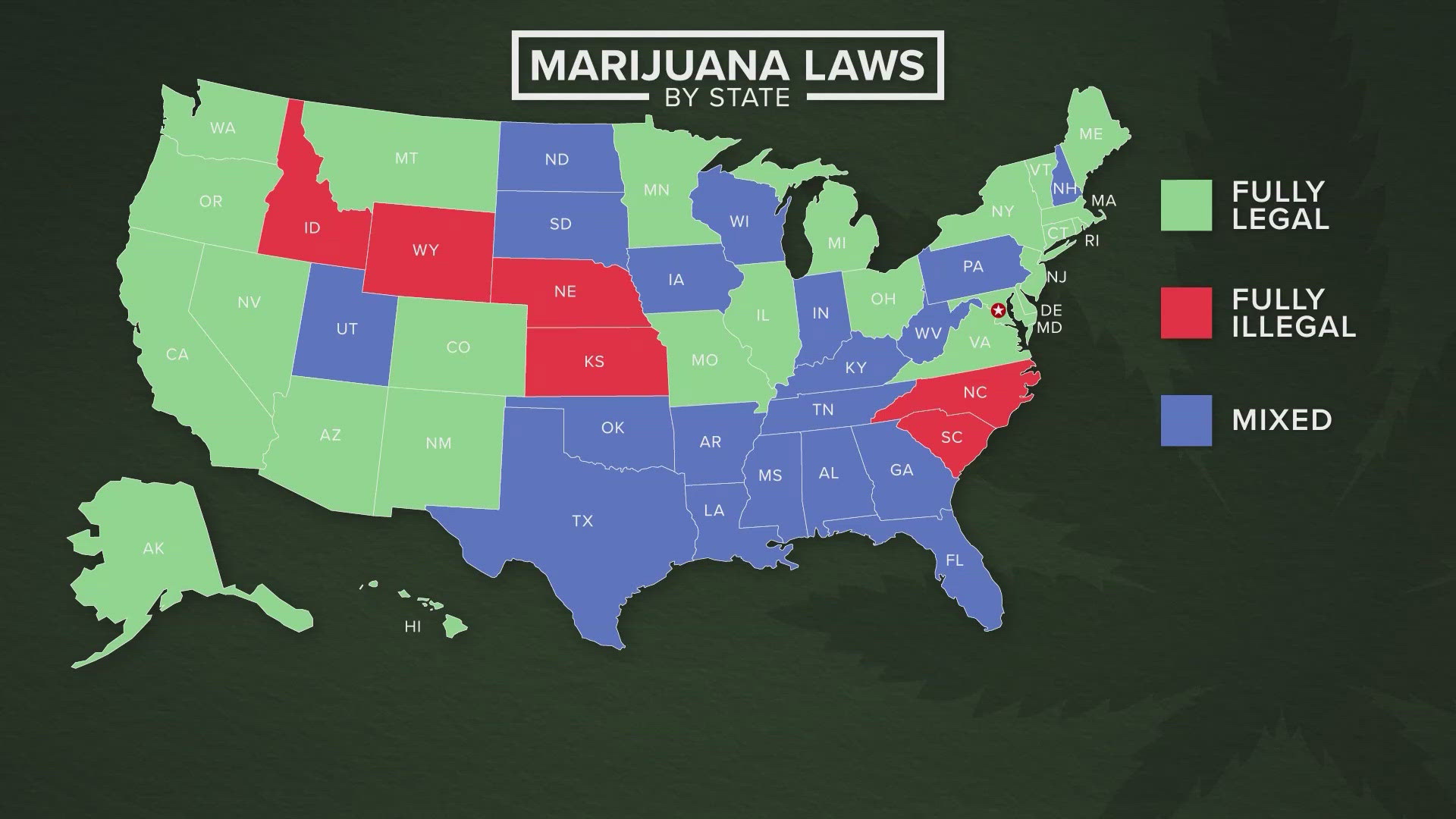
For the vast majority of visitors and residents, the answer to “Is smoking weed legal in Texas?” remains a definitive “no” when it comes to recreational use. Texas has not legalized recreational marijuana, and possession of cannabis with a THC content exceeding the low-THC threshold is still considered a criminal offense.
Penalties for Possession
The penalties for possessing recreational marijuana in Texas vary depending on the amount. Even small quantities can result in significant fines and jail time.
- Less than 2 ounces: This is classified as a misdemeanor, potentially leading to a fine of up to $2,000 and/or up to 180 days in jail.
- 2 to 4 ounces: This is a Class A misdemeanor, punishable by a fine of up to $4,000 and/or up to one year in jail.
- Over 4 ounces: As the quantity increases, the charges escalate to felony offenses, carrying much more severe penalties, including lengthy prison sentences and substantial fines.
These penalties can have a profound impact on an individual’s ability to travel, secure employment, and maintain a clean criminal record. Therefore, it is imperative for anyone traveling to or residing in Texas to be aware of and adhere to these laws.
Local Ordinances and Enforcement

While state law dictates the legality of cannabis, some cities in Texas have explored ways to de-prioritize enforcement of low-level marijuana offenses. Cities like Austin, San Antonio, and Houston have seen local prosecutors announce policies that aim to reduce arrests and prosecutions for minor marijuana possession.
A Nuance to Consider
It is crucial to understand that these local initiatives do not change the state law. Possession of recreational marijuana remains illegal throughout Texas. These local policies primarily affect how law enforcement and the district attorney’s office choose to allocate their resources and pursue charges. For instance, in some cities, officers might be instructed to issue citations instead of making arrests for very small amounts, or prosecutors may decline to pursue certain cases. However, this is not a guarantee, and individuals can still face charges. Travelers should not rely on these local ordinances as a decriminalization measure.
Implications for Travelers and Tourists
For those planning a visit to Texas, whether for business, leisure, or to explore attractions like the Alamo or the vibrant nightlife of Austin, the legal status of cannabis is a significant consideration.
What to Avoid
- Bringing Cannabis into the State: It is illegal to transport marijuana across state lines, even if you are traveling from a state where it is legal. Federal law prohibits the possession of marijuana, and the Transportation Security Administration (TSA) at airports can report any discovered cannabis to law enforcement.
- Purchasing or Possessing Recreational Marijuana: Do not attempt to buy or possess any form of marijuana that is not part of the sanctioned low-THC medical program in Texas. This includes products purchased from unlicensed sources.
- Consuming Cannabis in Public: Even if you were to legally obtain low-THC cannabis (which is unlikely for recreational purposes and typically not smoked), public consumption is prohibited and can lead to citations or arrest.
What is Permitted
- Legal CBD Products: Products derived from hemp that contain 0.3% delta-9 THC or less are legal in Texas under federal and state law. These are widely available in stores across the state and are distinct from marijuana. Travelers can purchase and use these products without legal repercussions, provided they meet the hemp-derived THC threshold.
- Medical Marijuana (Low-THC) for Qualifying Patients: If you are a registered patient in the Texas Compassionate Use Program, you are legally permitted to possess and use your prescribed low-THC cannabis according to your doctor’s recommendations. However, as noted, this typically does not involve smoking.
Navigating Legal Landscapes in Other States
It is worth noting that the cannabis landscape varies dramatically across the United States. Many states, including neighboring ones like Colorado and California, have legalized recreational marijuana. This can lead to confusion for travelers who are accustomed to different laws in their home states or in other destinations they visit.
The Importance of Due Diligence
Before traveling to any new destination, it is always advisable to research the local laws and regulations, especially concerning controlled substances. This proactive approach can help prevent unintended legal troubles and ensure a smoother, more enjoyable travel experience. For Texas, the key takeaway remains that recreational marijuana use and possession are illegal.
A Look Towards the Future
While Texas has not joined the growing number of states that have legalized recreational cannabis, the conversation surrounding marijuana reform continues. Debates in the state legislature regarding potential expansions of the Compassionate Use Program and decriminalization of minor possession offenses are ongoing.
Potential for Change
Advocacy groups and a segment of the public continue to push for broader reform, citing potential economic benefits and a more just approach to drug policy. However, significant political and social hurdles remain. For the foreseeable future, travelers and residents in Texas must operate under the current legal framework.
In conclusion, for those wondering if smoking weed is legal in Texas for recreational purposes, the answer is a clear and firm no. While the state has made strides with its low-THC medical program, recreational marijuana remains prohibited, with penalties that are strictly enforced. Travelers should exercise caution and be fully aware of these laws to ensure a safe and lawful visit to the Lone Star State.
LifeOutOfTheBox is a participant in the Amazon Services LLC Associates Program, an affiliate advertising program designed to provide a means for sites to earn advertising fees by advertising and linking to Amazon.com. Amazon, the Amazon logo, AmazonSupply, and the AmazonSupply logo are trademarks of Amazon.com, Inc. or its affiliates. As an Amazon Associate we earn affiliate commissions from qualifying purchases.