
Oregon, a state celebrated for its diverse landscapes ranging from the rugged Oregon Coast to the majestic Cascade Mountains, and its vibrant urban centers like Portland, presents a unique cost of living profile. Understanding this financial landscape is crucial for potential residents, long-term visitors, and even discerning travelers seeking extended stays beyond typical tourist itineraries. While often perceived as more affordable than its southern neighbor, California, Oregon has seen a steady increase in its cost of living, particularly in its most popular areas. This analysis delves into the various factors contributing to the expense of residing in the Beaver State, offering insights for those contemplating a move or an extended visit.
Housing Costs: The Biggest Determinant
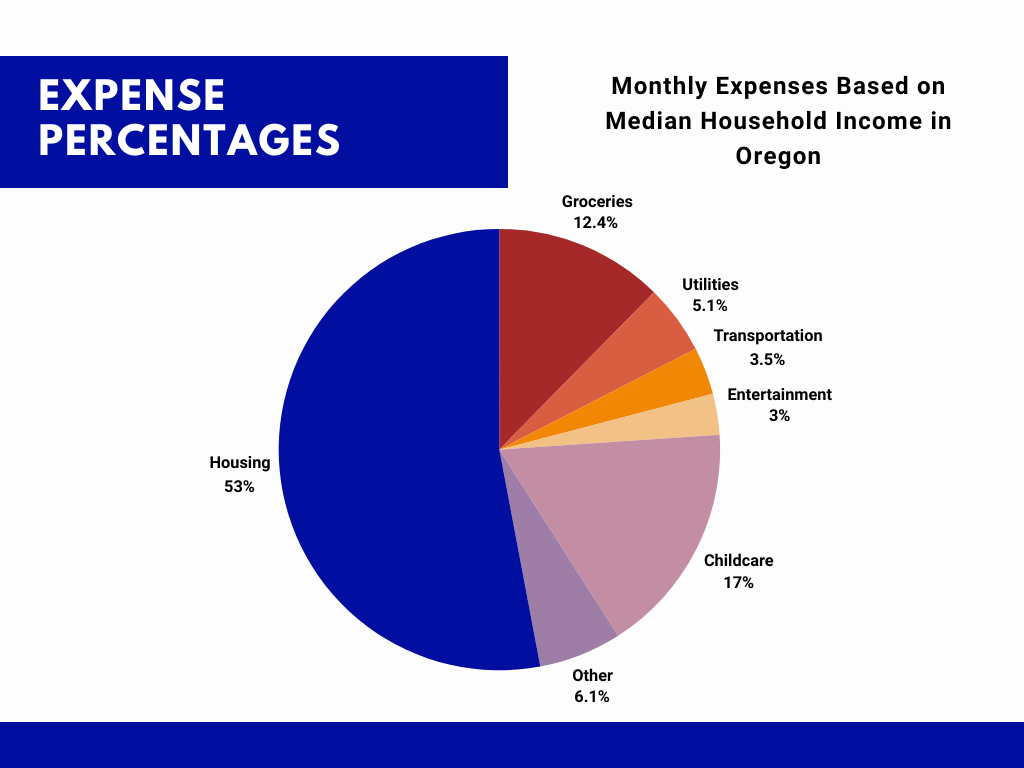
Housing is invariably the largest expenditure for most households, and Oregon is no exception. The state’s housing market is heavily influenced by supply and demand, with population growth and limited new construction in desirable areas driving up prices. This is particularly evident in metropolitan areas such as Portland, its surrounding suburbs, and rapidly growing cities like Bend.
Metropolitan vs. Rural Differences
The disparity in housing costs between urban and rural areas in Oregon is significant.
-
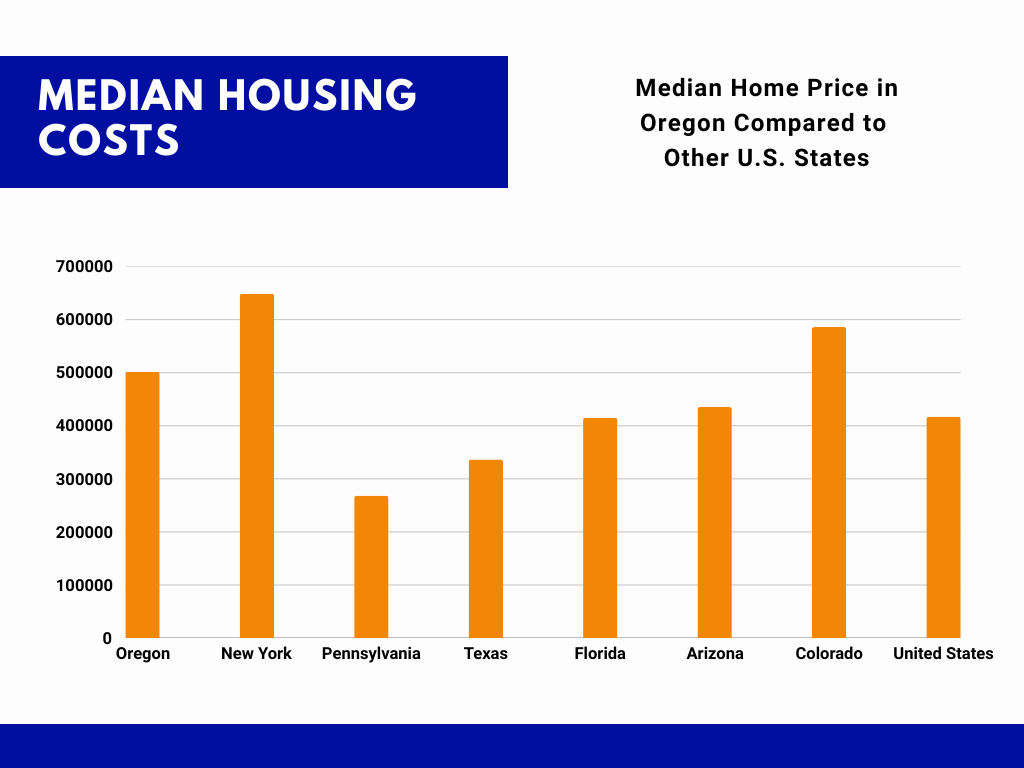
Portland Metro Area: Portland and its immediate vicinity consistently rank among the pricier regions in the state. Rent for a one-bedroom apartment can range from $1,500 to $2,200 or more, depending on the neighborhood and amenities. Home prices in Portland have also surged, with median home values often exceeding $500,000, and in highly sought-after neighborhoods, reaching well over $700,000. This makes homeownership a substantial financial undertaking for many. The demand for housing in Portland is fueled by its thriving job market, cultural attractions, and renowned culinary scene.
-
Mid-Willamette Valley: Cities like Salem and Eugene offer a slightly more moderate cost of living compared to Portland, though housing prices have also climbed. A one-bedroom apartment might cost between $1,200 and $1,800, with median home prices generally in the $400,000 to $500,000 range. These cities provide a balance of urban amenities with a less frenetic pace and generally more accessible housing markets.
-
Coastal Communities: The Oregon Coast presents a mixed bag. Popular tourist destinations like Cannon Beach and Seaside can have surprisingly high housing costs due to their appeal as vacation spots and retirement destinations. However, smaller, less-touristed coastal towns might offer more affordable options. Rent in these areas can vary widely, from $1,000 to $1,700 for an apartment, with home prices typically ranging from $350,000 to $600,000, again with significant local variations.
-
Rural and Eastern Oregon: For those seeking the most affordable housing, rural areas and parts of Eastern Oregon offer lower price points. Here, one-bedroom apartments might be found for $800 to $1,200, and median home prices can be as low as $250,000 to $350,000. However, these areas often come with fewer job opportunities and a more limited range of amenities and services.
Renting vs. Buying
The decision to rent or buy in Oregon involves weighing the upfront costs and long-term equity of ownership against the flexibility and lower initial investment of renting. Both options require a significant financial commitment, with mortgage interest rates and property taxes adding to the overall cost of buying, while security deposits and the absence of equity are drawbacks to renting.
Everyday Expenses: Beyond Shelter
While housing dominates the budget, other daily expenses in Oregon contribute significantly to the overall cost of living. These include utilities, transportation, groceries, and healthcare.
Utilities
Oregon’s utility costs are generally in line with national averages, though they can fluctuate based on season and location.
- Electricity: The average monthly electricity bill can range from $100 to $170, with higher usage in colder months for heating and warmer months for cooling.
- Water and Sewer: These costs typically fall between $50 and $100 per month.
- Heating and Cooling: Natural gas is a common heating source in many parts of the state. Heating bills can be substantial during the winter, potentially adding $100 to $250 per month during peak season. Air conditioning usage in the summer also adds to energy consumption.
- Internet and Cable: Monthly costs for internet and cable packages generally range from $80 to $150.
Transportation
Transportation costs are influenced by reliance on personal vehicles versus public transit, and the price of fuel. Oregon has a public transit system, particularly robust in the Portland metro area, but many residents depend on cars.
- Fuel Prices: Gas prices in Oregon are often slightly higher than the national average, due to state taxes and environmental regulations. A full tank of gas could cost anywhere from $50 to $80 or more, depending on the vehicle.
- Car Insurance: Auto insurance rates vary widely based on location, driving record, and coverage. Expect to pay between $100 and $200 per month on average.
- Public Transportation: For those in cities with extensive transit networks, like Portland (TriMet), monthly passes can range from $80 to $100, offering a more budget-friendly alternative to car ownership.
Groceries and Food

The cost of groceries in Oregon is generally slightly above the national average. This is partly due to transportation costs for goods and the state’s focus on local and organic produce, which can sometimes be more expensive.
- Supermarket Spending: A single person might spend between $300 and $500 per month on groceries, while a family of four could easily spend $800 to $1,200 or more.
- Dining Out: Oregon, especially Portland, is renowned for its diverse and high-quality food scene, from food trucks to fine dining. However, dining out frequently can significantly increase living expenses. A casual meal for two could cost $40 to $70, while a more upscale dining experience can easily reach $100 to $200.
Healthcare
Healthcare costs in Oregon are comparable to national averages, though they depend heavily on insurance coverage, provider choice, and individual health needs. Monthly premiums for health insurance can range from $300 to $600 or more for individuals, with family plans costing substantially higher. Out-of-pocket expenses for doctor visits, prescriptions, and procedures will add to this.
Taxes and Fees: The Hidden Costs
Oregon has a unique tax structure that is a significant factor in its overall cost of living.
Income Tax
Oregon is one of only five states that imposes a state income tax. The tax is progressive, meaning higher earners pay a larger percentage of their income in taxes. The top marginal tax rate can be substantial, impacting take-home pay for many residents, particularly those in higher income brackets. Unlike some states, Oregon does not have a sales tax, which can be a saving grace for consumers.
Property Taxes
While there is no sales tax, property taxes are levied on real estate. These rates vary significantly by county and local district, but they are generally moderate compared to some other states, especially considering the absence of a sales tax. Property tax assessments are based on the assessed value of the property.
Other Fees
Various other fees can contribute to the cost of living, including vehicle registration fees, business licenses (if applicable), and fees associated with specific recreational activities or permits.
Lifestyle and Leisure: The Price of Enjoyment
Oregon’s appeal lies not only in its natural beauty but also in its vibrant cultural scene and abundant outdoor recreation opportunities. However, enjoying these aspects comes at a cost.
Outdoor Recreation
Oregon offers unparalleled access to hiking, skiing, fishing, camping, and exploring national parks and forests. While many natural attractions are free to access, specialized gear, park entrance fees, and travel expenses can add up. For example, lift tickets at ski resorts like Mt. Hood Meadows can be expensive, and camping permits are often required.
Cultural Attractions
Cities like Portland boast a rich tapestry of museums, theaters, live music venues, and art galleries. Entrance fees, ticket prices for concerts and performances, and costs associated with cultural events contribute to leisure spending. A typical museum admission might range from $15 to $30, while tickets for popular music artists or theater productions can cost $50 to $200 or more.
Entertainment and Socializing
Socializing, whether through dining out, visiting breweries and wineries, or attending local festivals, is an integral part of Oregonian life. These activities, while enjoyable, require discretionary spending. The state has a thriving craft beer and wine scene, with tasting fees and purchases adding to monthly expenses.
In conclusion, the cost of living in Oregon is a multifaceted issue, with housing being the primary driver of expenses, especially in urban centers. While the absence of a sales tax offers some relief, the state income tax and the general cost of goods and services mean that Oregon is not a budget destination for everyone. Prospective residents and long-term visitors must carefully consider these factors and research specific locations within the state to determine if the Oregon lifestyle aligns with their financial capabilities.
LifeOutOfTheBox is a participant in the Amazon Services LLC Associates Program, an affiliate advertising program designed to provide a means for sites to earn advertising fees by advertising and linking to Amazon.com. Amazon, the Amazon logo, AmazonSupply, and the AmazonSupply logo are trademarks of Amazon.com, Inc. or its affiliates. As an Amazon Associate we earn affiliate commissions from qualifying purchases.