
Oregon, a state renowned for its diverse landscapes, from the rugged coastline to the majestic Cascade Mountains, and vibrant cities like Portland and Eugene, offers a compelling environment for a career in real estate. Becoming a licensed real estate agent in the Beaver State involves a structured process designed to ensure competence and ethical practice. This guide will walk you through each step, from fulfilling educational requirements to navigating the licensing exam and beginning your professional journey.
Understanding the Licensing Requirements
To embark on a career as a real estate agent in Oregon, prospective licensees must meet specific criteria set forth by the Oregon Real Estate Agency (OREA). The primary focus of these requirements is to guarantee that agents possess the fundamental knowledge and ethical understanding necessary to serve the public effectively.
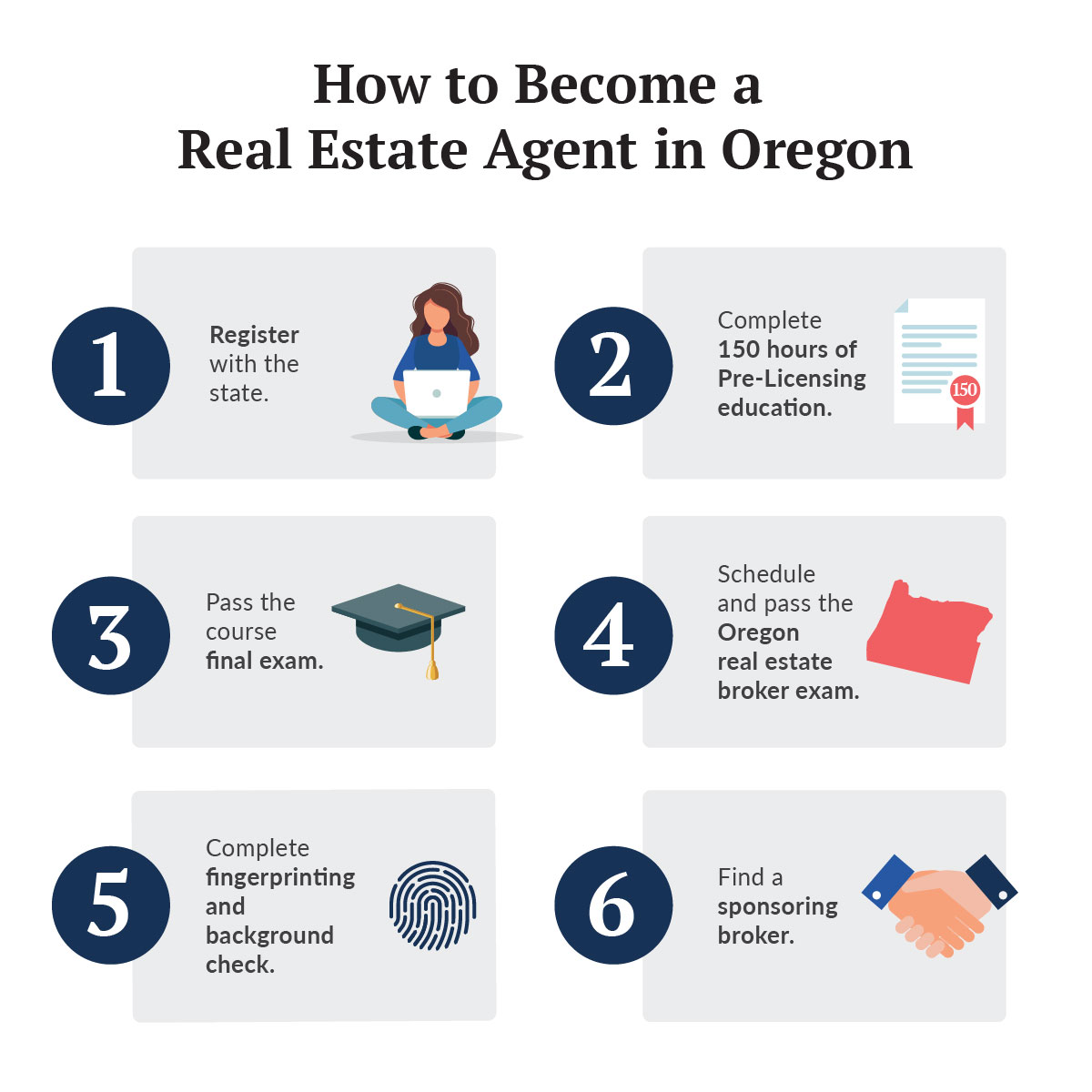
Age and Education Prerequisites
The foundational requirements are straightforward. You must be at least 18 years of age to apply for a real estate license in Oregon. Additionally, you must have a high school diploma or its equivalent, such as a GED. These are standard entry-level requirements across many professions and ensure a basic level of academic preparedness.
Pre-Licensing Education: The Cornerstone of Your Knowledge
The most significant educational hurdle is completing a state-approved pre-licensing course. The Oregon Real Estate Agency mandates a minimum of 150 hours of instruction. These courses are designed to cover a broad spectrum of real estate principles, including:
- Real Estate Principles and Practices: This covers fundamental concepts such as property ownership, legal descriptions, contract law as it pertains to real estate, agency relationships, and the roles and responsibilities of real estate licensees.
- Oregon Real Estate Law: A deep dive into the specific statutes and regulations governing real estate transactions within Oregon. This includes licensing laws, fair housing regulations, disclosure requirements, and land use controls.
- Real Estate Finance: Understanding the financing mechanisms involved in real estate transactions, including mortgages, loan types, appraisal methods, and the role of various financial institutions.
- Real Estate Practice and Forms: Familiarization with the practical aspects of conducting real estate business, including common contract forms, disclosure statements, and the steps involved in a typical transaction from listing to closing.
- Real Estate Ethics and Professional Conduct: This module emphasizes the importance of ethical behavior, fiduciary duties to clients, and maintaining a high standard of professional conduct in all dealings.
These courses are typically offered by accredited real estate schools, either online or in a classroom setting. It is crucial to select a program approved by the Oregon Real Estate Agency to ensure your education will be accepted. Many schools offer comprehensive study materials, practice exams, and instructor support to help you succeed.
Background Check and Fingerprinting
As part of the licensing process, all applicants are required to undergo a criminal background check. This involves submitting fingerprints to the Oregon State Police and the Federal Bureau of Investigation (FBI). The Oregon Real Estate Agency reviews these reports to ensure applicants meet the character and fitness standards required for licensure. Honesty and full disclosure of any past convictions are paramount during this stage.
Navigating the Licensing Exam
Once you have successfully completed your pre-licensing education, the next critical step is to pass the Oregon Real Estate Brokerage license examination. This exam is designed to test your knowledge of real estate principles and Oregon laws and regulations.
Scheduling and Taking the Exam
The exam is administered by a third-party testing service, typically Pearson VUE in Oregon. You will need to register for an exam appointment after receiving confirmation that your pre-licensing education has been processed by the Oregon Real Estate Agency.
The exam is divided into two sections:
- National Portion: This section covers general real estate principles and practices that are largely consistent across the United States. It assesses your understanding of topics such as property rights, financing, marketing, and contracts.
- State Portion: This section focuses specifically on Oregon’s real estate laws, regulations, and practices. It tests your knowledge of state-specific disclosure requirements, agency laws, and administrative rules.
The format of the exam is typically multiple-choice questions. You will be given a set amount of time to complete both sections. It is highly recommended to utilize practice exams provided by your pre-licensing education provider or other reputable sources to prepare. Familiarizing yourself with the exam format, question types, and time constraints will significantly boost your confidence and performance.

What to Expect on Exam Day
On the day of your exam, arrive at the testing center early to allow for check-in procedures. You will typically need to present a valid form of identification. The testing environment is usually a quiet computer lab, and you will use a computer to answer the questions. Most testing centers have proctors present to ensure the integrity of the exam process. Remember to stay calm, read each question carefully, and manage your time effectively.
Applying for Your License and Joining a Brokerage
Passing the licensing exam is a significant achievement, but it is not the final step to becoming a practicing real estate agent. You must then officially apply for your license and secure a place to practice your profession.
The License Application Process
After successfully passing the examination, you will need to submit a formal license application to the Oregon Real Estate Agency. This application will require you to provide details about your education, exam results, and background check. There will be a licensing fee associated with this application. It is crucial to fill out the application completely and accurately to avoid delays. The agency will review your application and, upon approval, will issue your real estate license.
The Importance of a Sponsoring Broker
In Oregon, as in most states, new real estate agents cannot operate independently. You must be sponsored by a licensed real estate broker. This means you will affiliate with an existing real estate firm, and your license will be held by that brokerage. The broker is responsible for supervising your activities and ensuring you adhere to all legal and ethical standards.
When choosing a brokerage, consider several factors:
- Company Culture and Values: Does the brokerage align with your personal values and professional aspirations? Look for a supportive and collaborative environment.
- Training and Mentorship: Many brokerages offer comprehensive training programs for new agents, including mentorship from experienced professionals. This can be invaluable as you begin your career.
- Commission Splits and Fees: Understand the brokerage’s commission structure, desk fees, and any other financial arrangements.
- Marketing and Technology Support: Does the brokerage provide tools and resources for marketing your services and managing your business effectively?
- Specialization and Reputation: Some brokerages specialize in certain types of properties (e.g., luxury homes, commercial real estate) or have a strong reputation in specific geographic areas.
Take the time to interview several brokerages and ask questions to find the best fit for your career goals. Your sponsoring broker will play a crucial role in your early success as an agent.
Building Your Real Estate Career in Oregon
Obtaining your license and affiliating with a brokerage are the first major milestones. The real work of building a successful and fulfilling career in real estate begins now. This phase is about applying your knowledge, developing your skills, and establishing yourself within the industry.
Developing Your Business Plan and Marketing Strategy
To thrive as a real estate agent, you need more than just a license; you need a business. Developing a solid business plan is essential. This plan should outline your goals, target market, marketing strategies, and financial projections.
Your marketing strategy is how you will attract clients. Consider a multi-faceted approach:
- Online Presence: Create a professional website and maintain an active presence on social media platforms relevant to your target audience, such as Instagram and Facebook.
- Networking: Attend local community events, industry meetups, and Chamber of Commerce events. Building relationships is key in real estate.
- Sphere of Influence: Reach out to your existing network of friends, family, and acquaintances. Let them know you are in real estate and how you can help them.
- Content Marketing: Share valuable information about the local Oregon real estate market through blog posts, videos, or market reports.
Continuous Learning and Professional Development
The real estate industry is constantly evolving. To stay competitive and provide the best service to your clients, you must commit to continuous learning and professional development.
- Continuing Education: Oregon requires licensed agents to complete a certain number of continuing education (CE) hours to maintain their license. These courses help you stay updated on legal changes, market trends, and best practices.
- Advanced Certifications and Designations: Consider pursuing advanced certifications and designations that specialize in areas like buyer representation (e.g., Accredited Buyer’s Representative), seller representation, negotiation, or specific property types.
- Staying Informed on Market Trends: Regularly study local market data, economic indicators, and housing inventory. Understanding the nuances of the Oregon market, whether in Portland, Salem, or a rural community, is crucial.
- Mentorship and Coaching: Seek out mentors or consider hiring a real estate coach to provide guidance and accountability as you grow your business.

Ethical Practice and Client Service
At the heart of a successful real estate career lies a commitment to ethical practice and exceptional client service. Your reputation will be built on trust, honesty, and your ability to guide clients through one of the most significant financial transactions of their lives. Always act in your clients’ best interests, maintain confidentiality, and adhere to the Oregon Real Estate Agency’s Code of Ethics. Building strong, lasting relationships with clients often leads to repeat business and valuable referrals. By diligently following these steps, aspiring agents can establish a rewarding and prosperous career in the dynamic real estate market of Oregon.
LifeOutOfTheBox is a participant in the Amazon Services LLC Associates Program, an affiliate advertising program designed to provide a means for sites to earn advertising fees by advertising and linking to Amazon.com. Amazon, the Amazon logo, AmazonSupply, and the AmazonSupply logo are trademarks of Amazon.com, Inc. or its affiliates. As an Amazon Associate we earn affiliate commissions from qualifying purchases.