
Embarking on an entrepreneurial journey in California offers unparalleled opportunities, from the bustling markets of Los Angeles to the artisan communities of Napa Valley and beyond. Whether you’re dreaming of a vibrant online boutique, a local craft stall, or a pop-up shop showcasing curated goods, understanding the foundational legal requirements is crucial for a smooth and sustainable venture. Among the most vital steps for anyone selling tangible personal property in the Golden State is obtaining a California Resale License, also commonly known as a Seller’s Permit. This isn’t just a bureaucratic hoop; it’s a key enabler for a legitimate, compliant business, allowing you to seamlessly integrate your entrepreneurial drive with the desirable California lifestyle.
Understanding the California Resale License: A Gateway to Entrepreneurial Freedom
At its core, a California Resale License is an official document issued by the California Department of Tax and Fee Administration (CDTFA) that grants a business the authority to collect sales tax from its customers and remit it to the state. It’s often referred to as a “seller’s permit” because it permits you to legally sell goods that are subject to sales tax. For those embracing an independent, entrepreneurial lifestyle, this permit is more than just a piece of paper; it’s a symbol of your business’s legitimacy and your commitment to operating within state regulations.
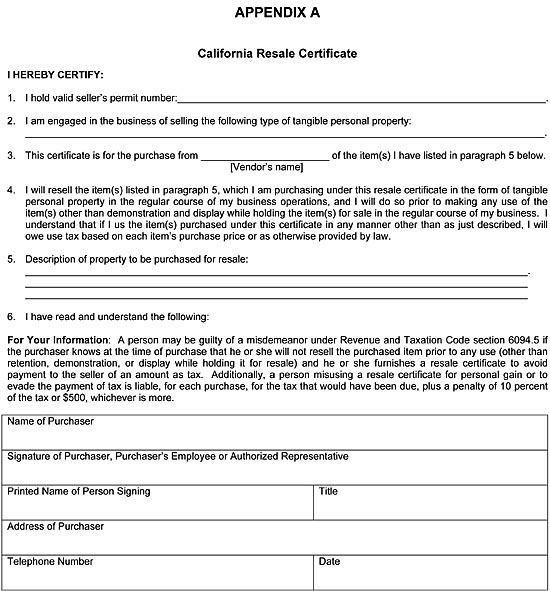
The primary purpose of the resale license is twofold. Firstly, it formalizes your responsibility to collect sales tax on taxable sales and report these collections to the state. Secondly, and often overlooked by new entrepreneurs, it allows you to issue a “resale certificate” to your suppliers. This certificate enables you to purchase items for resale without paying sales tax upfront, thus avoiding double taxation and improving your cash flow. Imagine setting up a chic clothing boutique in San Francisco or selling artisanal goods at a farmers’ market in Santa Barbara; your resale license ensures you purchase inventory tax-free, passing the sales tax burden only once, to the end consumer. This distinction is critical for maintaining healthy profit margins and efficient inventory management, essential aspects of a thriving lifestyle business.
It’s important to differentiate a seller’s permit from a general business license. While a business license is typically required by your city or county to operate any business within their jurisdiction, a seller’s permit specifically addresses sales tax obligations related to the sale of tangible goods. Many lifestyle entrepreneurs operating from home or online often mistakenly believe they don’t need a permit if they don’t have a physical storefront, but the requirement is based on the act of selling taxable goods in California, regardless of your operational footprint.
Who Needs a California Seller’s Permit? Embracing Your Business Vision
The short answer is: almost any individual or entity selling tangible personal property in California that is subject to sales tax. This broad definition encompasses a vast array of entrepreneurial pursuits that align with a flexible, independent lifestyle.
Consider these scenarios where a California Seller’s Permit would be essential:
- Retail Businesses: If you open a physical store, whether it’s a vintage shop in Palm Springs, a bookstore in Berkeley, or a souvenir stand near the Golden Gate Bridge, you’ll need one.
- Online Sellers: Operating an e-commerce platform from your California home, selling handmade jewelry, unique apparel, or curated home goods to customers within the state requires a permit. Even if your customers are primarily out-of-state, sales to California residents trigger the requirement.
- Wholesalers: If you buy products from manufacturers or distributors with the intent to resell them to other businesses, you’ll need a permit to issue a resale certificate to your suppliers.
- Pop-up Shops and Temporary Sellers: Participating in local craft fairs, farmers’ markets, art festivals, or temporary retail events anywhere in California means you’re making taxable sales, even if only for a day or a weekend.
- Service Providers Selling Products: A yoga studio in San Diego that sells branded merchandise or exercise equipment, or a beauty salon in Beverly Hills selling hair care products alongside their services, must hold a seller’s permit for the product sales portion of their business.
Even if your venture starts as a small side hustle, it’s wise to obtain the permit early. The CDTFA requires all sellers to be registered before commencing sales. Proactive compliance ensures you build a solid foundation for your lifestyle business, allowing you to expand confidently without the worry of retroactive tax issues.
The Step-by-Step Process: Navigating the CDTFA for Your Lifestyle Business
Obtaining your California Resale License is a straightforward process, primarily managed online through the CDTFA website.
Preparation: Gathering Essential Information
Before you begin the online application, ensure you have the following details ready. This preparation streamlines the process and prevents delays:
- Business Entity Type: Are you operating as a sole proprietorship, partnership, limited liability company (LLC), or corporation? This affects how your business is legally structured.
- Business Name and Location: Provide the legal name of your business and its physical address in California. Even if you’re an online seller, you’ll need a primary business address.
- Federal Employer Identification Number (EIN) or Social Security Number (SSN): If your business is a sole proprietorship with no employees, you can use your SSN. Otherwise, you’ll need an EIN from the IRS.
- Estimated Monthly Sales: The CDTFA uses this to determine your filing frequency (monthly, quarterly, or annually).
- Description of Goods Sold: A brief overview of the type of tangible personal property you will be selling.
- Start Date of Sales: The date you anticipate beginning sales activities.
- Owner/Partner/Officer Information: Personal details for all owners, partners, or corporate officers, including names, SSNs, and home addresses.
Applying Online through the CDTFA
The most efficient way to apply for your seller’s permit is via the CDTFA website.
- Visit the CDTFA Website: Navigate to the official California Department of Tax and Fee Administration website.
- Access the Online Services: Look for a section related to “Online Services” or “Register a New Business.”
- Start the Application: Select the option to apply for a “Seller’s Permit.”
- Follow the Prompts: The online application is user-friendly and will guide you through entering all the information you’ve prepared. You’ll be asked about your business activity, location, start date, and details about the owners.
- Review and Submit: Carefully review all the information before submitting your application. Any errors could delay the process.
The online portal typically provides immediate confirmation that your application has been received.
Waiting for Approval and Receiving Your Permit
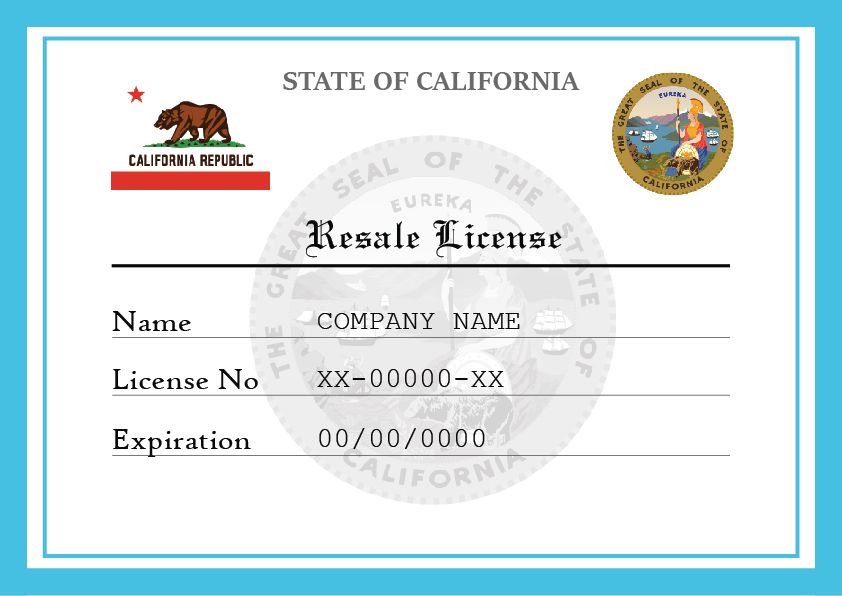
In most cases, especially for standard applications, the CDTFA processes applications quickly. You may receive your seller’s permit number almost instantly after online submission, with the physical permit mailed to you shortly thereafter. Keep your permit number safe as you’ll need it for tax filings and issuing resale certificates. Once you have it, you’re officially cleared to start collecting sales tax and purchasing items for resale tax-free, propelling your California lifestyle business forward.
Maintaining Compliance: Sustaining Your California Entrepreneurial Journey
Obtaining your resale license is just the first step. Ongoing compliance is key to a stress-free and successful entrepreneurial lifestyle in California.
Sales Tax Collection and Remittance
Once you have your permit, you are legally obligated to collect sales tax on all taxable sales made within California.
- Understanding Sales Tax Rates: California’s sales tax is not uniform across the state. While there’s a statewide base rate, district taxes (city, county, or special purpose districts) are added on top. You must collect the correct combined rate for the location where the sale occurs. The CDTFA provides tools to look up current rates by address.
- Reporting Frequency: Based on your estimated sales volume, the CDTFA will assign you a filing frequency—typically monthly, quarterly, or annually. It’s crucial to file your sales tax returns by the specified due dates, even if you had no sales for the period.
- Filing Returns: You can file your sales tax returns and remit the collected tax conveniently online through your CDTFA account.
Using Your Resale Certificate
A significant benefit of having a seller’s permit is the ability to issue a resale certificate to your suppliers. This allows you to purchase goods that you intend to resell (e.g., inventory) without paying sales tax on them.
- How it Works: When making a wholesale purchase, inform your supplier you have a California Seller’s Permit and wish to make a tax-exempt purchase for resale. They will typically require you to complete and sign a resale certificate, providing your permit number and certifying that the items are for resale.
- Importance of Documentation: Keep accurate records of all resale certificates issued and received. This is vital for potential audits and proves you legitimately bought items without paying sales tax because you intended to collect it from your end customers.
Record Keeping Best Practices
Diligent record-keeping is paramount for any successful business, especially when it comes to sales tax compliance.
- Maintain Sales Records: Keep detailed records of all sales, distinguishing between taxable and non-taxable transactions. This includes invoices, receipts, and e-commerce platform reports.
- Track Tax Collected: Document the amount of sales tax collected per transaction and summarize it for your filing periods.
- Retain Purchase Invoices: Hold onto invoices for all inventory purchases, especially those where you used a resale certificate, to demonstrate their tax-exempt status.
- Audit Preparedness: The CDTFA may conduct audits. Having organized and complete records will save you significant time, stress, and potential penalties, allowing you to focus on the enjoyable aspects of your California entrepreneurial lifestyle.
Key Considerations for Your California Business Lifestyle
Beyond the seller’s permit, a holistic approach to business compliance will ensure your California venture is both successful and stress-free, allowing you to fully embrace your chosen lifestyle.
Local Business Licenses and Permits
Remember that a state seller’s permit typically does not negate the need for local business licenses or permits. Your city and/or county may require additional registrations, especially if you operate a physical location or conduct certain types of activities. For example, a restaurant in San Diego would need local health permits in addition to a seller’s permit for food sales. Always check with your local city and county clerk’s offices to understand specific requirements for your business location, whether it’s Los Angeles, San Jose, or a smaller community.
Understanding Your Tax Obligations
While the resale license deals with sales tax, it’s only one piece of the broader tax puzzle for a business owner. You’ll also have obligations for federal and state income tax, and potentially payroll taxes if you have employees. Sales tax is distinct from income tax; sales tax is collected from customers and passed to the state, while income tax is paid on your business’s profits. For comprehensive financial planning and to ensure all your tax bases are covered, consider consulting with a qualified tax professional. They can provide tailored advice for your specific business structure and income, helping you integrate financial wisdom into your entrepreneurial lifestyle.

The Benefits of Compliance for a Stress-Free Lifestyle
Navigating business regulations might seem daunting initially, but proper compliance from the outset offers immense benefits. By securing your California Resale License and adhering to its requirements, you:
- Avoid Penalties: Non-compliance can lead to significant fines and interest charges, eroding your hard-earned profits.
- Build a Reputable Business: Operating legally enhances your business’s credibility with customers, suppliers, and financial institutions.
- Achieve Peace of Mind: Knowing your business is compliant frees you to focus on innovation, customer engagement, and enjoying the fruits of your labor without the constant worry of legal repercussions.
Ultimately, obtaining and maintaining your California Resale License is a foundational step toward building a successful and sustainable lifestyle business. It’s an investment in your entrepreneurial freedom, ensuring your journey in the Golden State is as smooth and rewarding as the California dream itself.
LifeOutOfTheBox is a participant in the Amazon Services LLC Associates Program, an affiliate advertising program designed to provide a means for sites to earn advertising fees by advertising and linking to Amazon.com. Amazon, the Amazon logo, AmazonSupply, and the AmazonSupply logo are trademarks of Amazon.com, Inc. or its affiliates. As an Amazon Associate we earn affiliate commissions from qualifying purchases.