
The abrupt departure of Orlando Jones from the highly anticipated film American Gods sent ripples through the entertainment industry and left fans clamoring for an explanation. Jones, who originated the role of Mr. Nancy, a trickster god embodying the spirit of the spider, was a pivotal figure in the initial rollout of the series. His performance, lauded for its charisma and depth, was instrumental in establishing the unique tone and cultural resonance of the show. However, as production for the second season commenced, it became clear that Jones would not be reprising his role. This absence was not a matter of creative choice or a minor contractual dispute; it was a definitive and, for many, a perplexing exclusion.

The initial official statements offered little in the way of substantive detail, citing vague reasons related to creative differences. Such pronouncements are common in Hollywood, often serving as a diplomatic veil for more complex and sometimes contentious issues. However, the silence surrounding Jones’s exit, coupled with his own subsequent public statements, painted a more intricate picture, one that touched upon themes of representation, creative integrity, and the evolving landscape of Hollywood’s approach to diversity and inclusion. The questions surrounding his departure went beyond a simple casting change; they delved into the very fabric of how stories, particularly those rooted in diverse mythologies, are told and who gets to tell them.
The Unraveling of Mr. Nancy
Orlando Jones was not just an actor playing a character; he was deeply intertwined with the essence of Mr. Nancy. Drawing from West African folklore, Mr. Nancy is a spider trickster god, a figure of wit, wisdom, and sometimes mischievous intent. Jones’s portrayal brought this complex character to life with an electrifying energy, infusing him with a gravitas and humor that resonated with audiences. His interpretation was not merely a physical performance but a cultural immersion, drawing upon the rich tapestry of Anansi stories that have been passed down through generations. The anticipation for his continued presence in American Gods, a series that sought to explore the intersection of ancient deities with modern American life, was palpable.
The first season saw Mr. Nancy as a central, albeit not always heroic, figure, a commentator on the human condition and a catalyst for divine intervention. His interactions with Shadow Moon and the other Old Gods were marked by sharp dialogue and a palpable sense of history. Jones’s performance was so integral to the character that many viewers struggled to imagine the series without him. His distinctive voice, his commanding presence, and his nuanced understanding of the mythological underpinnings of Mr. Nancy were all elements that contributed to the character’s unforgettable impact.
The Initial Disconnect
The first inkling that something was amiss came with the announcement of a significant creative overhaul for the second season. Following the departure of showrunner Bryan Fuller, who had initially championed the project and assembled the core creative team, new leadership took the helm. This transition often brings about shifts in creative direction, and American Gods was no exception. However, the nature and extent of these shifts became a point of contention, particularly regarding the character of Mr. Nancy and the broader narrative arc involving the Old Gods.
Reports emerged that the new showrunners intended to streamline the narrative and focus more intensely on the conflict between the Old Gods and the New Gods. While this is a natural evolution for a series, the proposed changes for Mr. Nancy seemed to involve a diminishment of his role and a departure from the established tone of his characterization. Some accounts suggested that the writers’ room had proposed stripping Mr. Nancy of his distinctive Anansi traits, intending to portray him in a more generic manner, a decision that deeply concerned Jones and many who understood the character’s significance. This suggested a fundamental misunderstanding or perhaps a deliberate sidelining of the cultural specificity that Jones had so powerfully brought to the forefront.
Public Statements and Escalating Concerns

As the situation developed, Orlando Jones himself began to address his impending departure more directly, albeit with a measured tone initially. He expressed his profound disappointment and confusion regarding the creative decisions that led to his exclusion. In interviews and on social media platforms, Jones articulated his belief that the proposed changes to Mr. Nancy were not merely creative differences but potentially reflected a lack of commitment to authentic representation and a misunderstanding of the character’s cultural importance.
His statements highlighted his personal investment in Mr. Nancy, explaining that he had worked closely with the original creative team to ensure the character was portrayed with respect and fidelity to his mythological origins. Jones emphasized that the Anansi stories are not just tales; they are foundational elements of West African and Caribbean heritage, carrying deep cultural and historical weight. To dilute or fundamentally alter the character, he argued, would be a disservice to the source material and the diverse audience that American Gods aimed to attract.
The Unveiling of Racial Undertones
The narrative surrounding Jones’s exit began to take on a more serious and troubling dimension as further details emerged. While initially framed as creative differences, subsequent accounts from Jones and others involved suggested that racial bias played a significant role in the decision-making process. Jones himself alluded to this, stating that he felt the new direction was not only creatively uninspired but also potentially racially insensitive. He spoke about feeling that the character of Mr. Nancy was being “othered” and marginalized in a way that suggested a discomfort with his distinct cultural identity.
This assertion was particularly potent given the premise of American Gods, a series that is, in essence, a celebration of diversity and the immigrant experience, with deities from various cultures finding themselves displaced in modern America. The idea that one of the most prominent Old Gods, whose very essence is rooted in a rich and ancient cultural tradition, would be sidelined due to what appeared to be an aversion to his specific representation, struck many as deeply ironic and problematic. The discourse shifted from a discussion of creative vision to a broader conversation about systemic issues within Hollywood, particularly concerning the authentic portrayal of Black characters and stories.
The Fallout and Broader Implications
The departure of Orlando Jones from American Gods ignited a firestorm of discussion across social media, entertainment news outlets, and fan forums. Many viewers expressed their outrage and solidarity with Jones, criticizing the network and the production for what they perceived as a racially motivated decision. Hashtags like #FireStarz and #JusticeForMrNancy began to trend, reflecting the widespread disappointment and anger. The incident became a focal point for conversations about diversity and inclusion in television production, prompting a critical examination of how showrunners and executives approach characters and narratives rooted in marginalized cultures.
The case of Orlando Jones highlighted a persistent challenge in the entertainment industry: the gap between the stated commitment to diversity and the actual practices on the ground. While many shows and films now strive for greater representation, the nuance of authentic portrayal and the genuine engagement with cultural specificity can often be lacking. The incident served as a stark reminder that simply casting actors from diverse backgrounds is not enough; it is crucial to ensure that those characters are developed with respect, integrity, and a deep understanding of their cultural context.
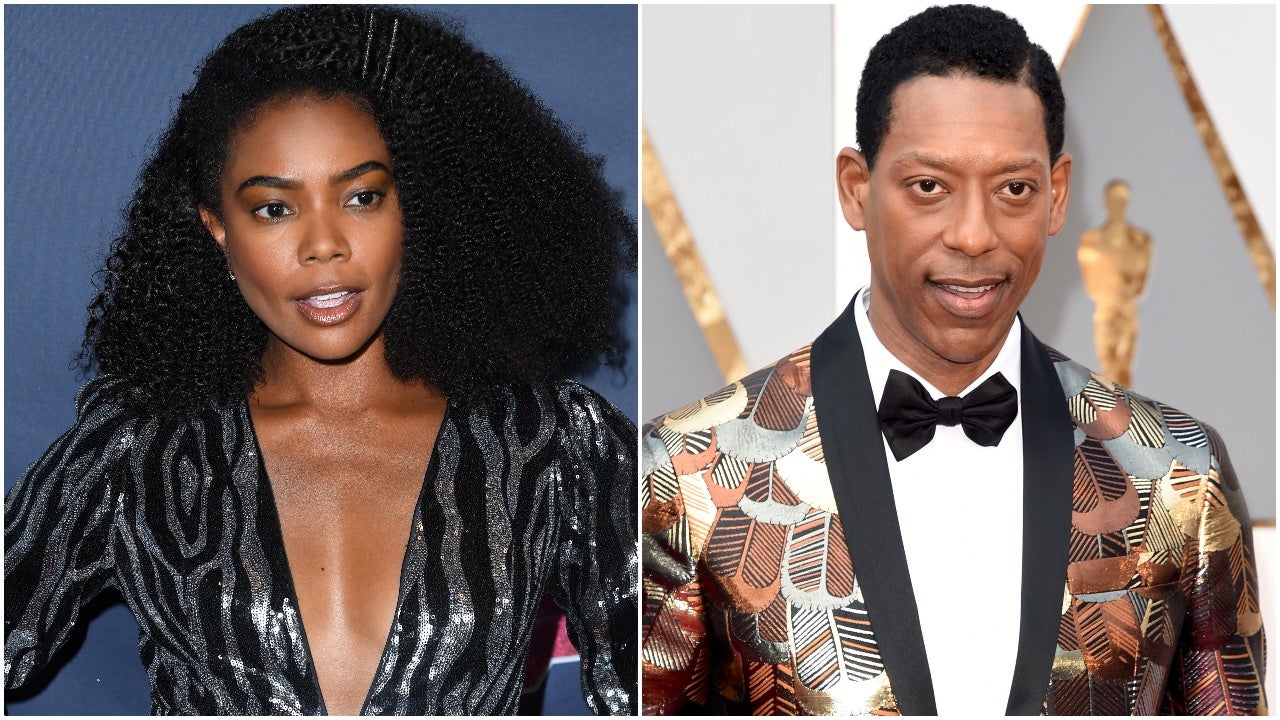
The Enduring Legacy of Mr. Nancy
Despite his absence from the screen, Orlando Jones’s portrayal of Mr. Nancy left an indelible mark on the series and on the audience. His performance was a masterclass in character embodiment, demonstrating the power of an actor to infuse a mythological figure with contemporary relevance and profound cultural significance. The controversy surrounding his departure has, in a way, amplified the legacy of Mr. Nancy, turning him into a symbol of the ongoing struggle for authentic representation in Hollywood.
The incident also served as a catalyst for industry introspection. It underscored the importance of dialogue between actors, writers, and producers, especially when dealing with characters whose identities are deeply tied to specific cultural heritages. The questions raised by Orlando Jones’s exit continue to echo in discussions about the future of storytelling, emphasizing the need for more inclusive, equitable, and culturally sensitive production practices. While the narrative of American Gods moved forward without Mr. Nancy, the conversation sparked by his departure remains a vital part of the ongoing evolution of entertainment.
LifeOutOfTheBox is a participant in the Amazon Services LLC Associates Program, an affiliate advertising program designed to provide a means for sites to earn advertising fees by advertising and linking to Amazon.com. Amazon, the Amazon logo, AmazonSupply, and the AmazonSupply logo are trademarks of Amazon.com, Inc. or its affiliates. As an Amazon Associate we earn affiliate commissions from qualifying purchases.