
The journey between San Jose, often hailed as the capital of Silicon Valley, and the sprawling metropolis of Los Angeles is a quintessential California experience, connecting the northern and southern halves of this vibrant state. Whether for business, leisure, or family visits, understanding the distance and myriad travel options is crucial for planning an efficient and enjoyable trip. The distance, time, and experience can vary significantly based on the chosen mode of transport and the specific route taken.
The Geographical Snapshot: Distance and Orientation
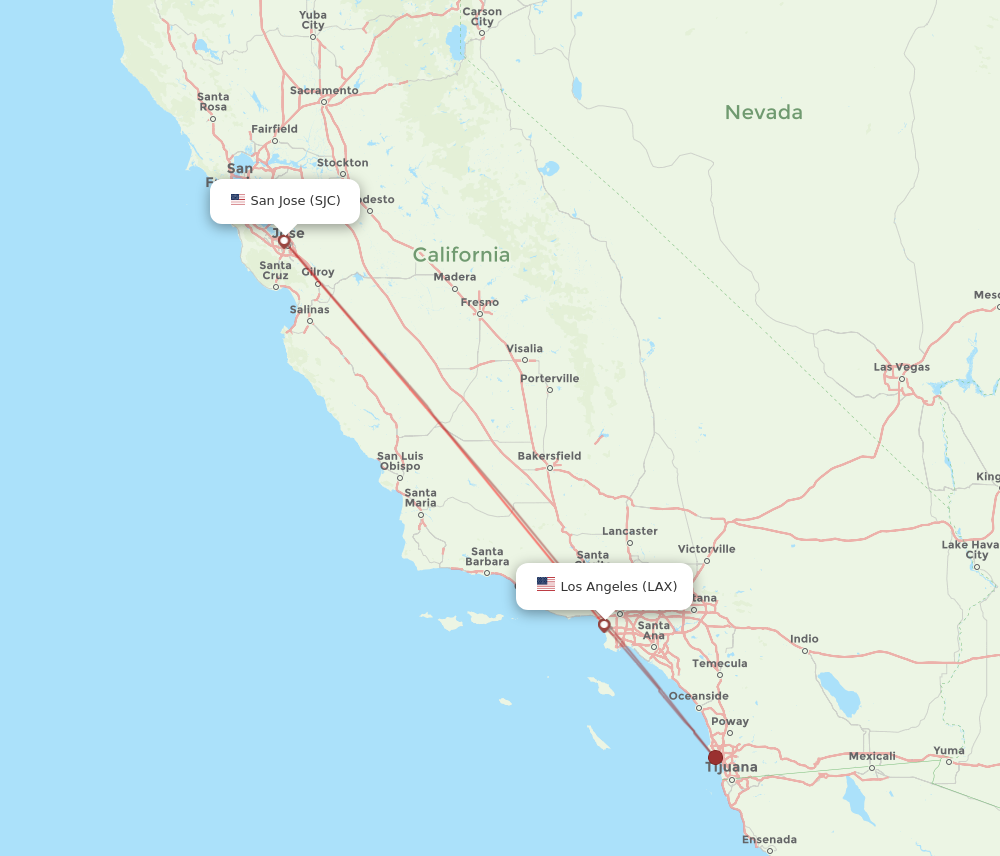
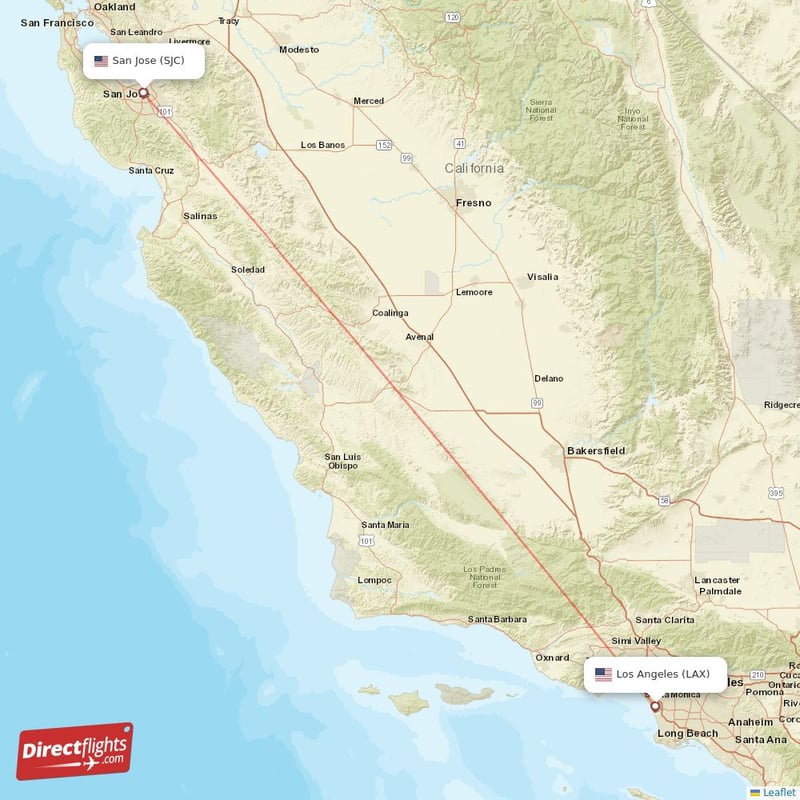
Geographically, San Jose is situated in Northern California at the southern tip of San Francisco Bay, while Los Angeles anchors Southern California along the Pacific coast. As the crow flies, the straight-line distance between these two major urban centers is approximately 300 to 320 miles (480-515 kilometers). However, air travel is the only method that comes close to this direct path. For ground travel, the actual road distance is considerably longer, shaped by the state’s complex topography, including mountain ranges and fertile valleys. The journey is not just about covering miles; it’s about traversing diverse landscapes that define California’s unique character.
On the Road: Driving Between San Jose and Los Angeles
Driving remains the most popular and flexible option for travel between San Jose and Los Angeles, offering unparalleled freedom to explore and adapt plans. There are primarily two distinct routes, each with its own advantages and scenic appeal.
The Fastest Path: Interstate 5 (I-5)
The most direct and generally quickest route is via Interstate 5 (I-5). This freeway stretches approximately 350 to 380 miles (560-610 kilometers) depending on the exact start and end points within each city.
- Distance and Time: The driving distance typically ranges from 340-360 miles (547-579 km) if starting from downtown San Jose to downtown Los Angeles. Under ideal conditions, with minimal traffic and a few brief stops, this journey can be completed in about 5 to 6 hours.
- The Route Experience: Interstate 5 is predominantly flat and straight, cutting through the vast and fertile Central Valley of California. Travelers will pass through agricultural areas, with numerous truck stops and fast-food establishments. While efficient, this route is often criticized for its lack of scenic variety. Key landmarks include the Grapevine, a mountain pass through the Tehachapi Mountains as you approach Southern California, which can experience heavy fog or even snow in winter months.
- Traffic Considerations: Traffic can significantly impact travel times, particularly around major urban centers like the approaches to Los Angeles, where congestion can add an hour or more to the journey during peak commute hours. Leaving early in the morning or later in the evening can help mitigate these delays.
The Scenic Alternative: U.S. Route 101 (US-101) and California State Route 1
For those who prioritize stunning coastal vistas and charming towns over speed, a longer but more picturesque route follows U.S. Route 101, often incorporating parts of California State Route 1 (PCH).
- Distance and Time: This route can extend anywhere from 380 to over 450 miles (610-725 kilometers), depending on how much of California State Route 1 is included. Consequently, the driving time increases substantially, ranging from 7 to 10 hours or more, not including stops for sightseeing.
- The Route Experience: Beginning with U.S. Route 101 from San Jose, travelers journey south through vibrant coastal communities. One popular detour involves merging onto California State Route 1 for a segment, particularly through the world-renowned Big Sur region. This serpentine highway offers breathtaking cliffside views of the Pacific Ocean. Towns like Monterey, San Luis Obispo, and Santa Barbara offer excellent opportunities for overnight stays or extended breaks to savor local culture and cuisine. However, sections of California State Route 1 can be narrow, winding, and prone to closures due to landslides, requiring careful planning.
- Traffic Considerations: While less prone to the relentless congestion of Interstate 5, coastal towns and popular attractions along U.S. Route 101 can experience localized traffic, especially on weekends and holidays.
Beyond the Wheel: Alternative Transportation Methods
For those who prefer not to drive, or who seek a different travel experience, several alternative options connect San Jose and Los Angeles.
Soaring Above: Air Travel
Flying is by far the fastest way to cover the distance, making it ideal for business travelers or those with limited time.
- Airports: Flights typically depart from Norman Y. Mineta San Jose International Airport (SJC) and arrive at Los Angeles International Airport (LAX), or sometimes smaller airports like Hollywood Burbank Airport (BUR) or Long Beach Airport (LGB).
- Flight Duration: The actual flight time is remarkably short, usually between 1 hour and 15 minutes to 1 hour and 30 minutes.
- Total Travel Time: While the flight is quick, the overall journey includes travel to and from airports, security checks, and boarding procedures. This can easily add 3-4 hours to the travel time, making the total door-to-door experience around 4 to 6 hours, comparable to or slightly faster than driving the Interstate 5 route.
- Cost and Convenience: Airfare can vary widely depending on booking in advance, airline, and time of year. While generally more expensive than driving, flying offers comfort and allows travelers to avoid the stresses of traffic and navigation.
The Rails: Amtrak Services
Amtrak provides a relaxing and often scenic way to travel between Northern and Southern California.
- Routes and Services: The primary service connecting the general regions is the Coast Starlight, though a direct connection often involves transfers. Travelers from San Jose Diridon Station typically connect to other Amtrak services, often requiring a transfer to the Pacific Surfliner in a southern hub like San Luis Obispo or Bakersfield (via bus link), which then continues to Los Angeles Union Station.
- Duration: The total travel time by train is significantly longer than driving or flying, often ranging from 9 to 12 hours, factoring in transfers and stops.
- Experience: Amtrak offers a comfortable journey with spacious seating, dining cars, and large windows to take in the diverse California landscape, including segments of the coastline. It’s a journey for those who enjoy the process of travel itself.
- Cost: Train tickets are generally competitive with or slightly higher than bus fares, but usually less than last-minute flights.
Budget-Friendly Choice: Bus Services
Bus travel is the most economical option, offering a straightforward connection for budget-conscious travelers.
- Operators: Major bus companies like Greyhound and FlixBus operate multiple daily services between San Jose and Los Angeles.
- Duration: Bus journeys typically take between 6.5 to 9 hours, depending on the number of stops and traffic conditions.
- Experience: While less luxurious than train travel, modern buses offer amenities such as Wi-Fi and power outlets. It’s a practical choice for solo travelers or those not wanting the hassle of driving.
- Cost: Bus tickets are often the most affordable option, especially when booked in advance.
Planning Your Journey: Essential Travel Considerations
Regardless of your chosen mode of transport, a few key considerations can enhance your travel experience between San Jose and Los Angeles.
- Timing is Everything: For road trips, avoid peak commute hours (typically 7-9 AM and 4-6 PM on weekdays) around both urban centers to save significant time. Weekends can also see increased traffic, especially on Friday afternoons and Sunday evenings.
- Weather Awareness: California’s weather is generally mild, but exceptions exist. The Grapevine on Interstate 5 can experience snow or heavy rain in winter, leading to closures or significant delays. Coastal routes can be foggy, especially in the mornings.
- Booking in Advance: For flights, trains, and even popular bus routes, booking tickets in advance can secure better prices and ensure availability, particularly during holidays or major events.
- Navigation Tools: Utilize GPS apps for real-time traffic updates and route adjustments if driving. For public transport, consult schedules and plan connections carefully.
In conclusion, the distance between San Jose, California, and Los Angeles is not merely a number but a journey offering a spectrum of experiences. From the rapid dash down Interstate 5 to the scenic meander along U.S. Route 101, or the efficiency of a short flight, each option caters to different priorities, allowing travelers to tailor their trip to their specific needs and preferences.
LifeOutOfTheBox is a participant in the Amazon Services LLC Associates Program, an affiliate advertising program designed to provide a means for sites to earn advertising fees by advertising and linking to Amazon.com. Amazon, the Amazon logo, AmazonSupply, and the AmazonSupply logo are trademarks of Amazon.com, Inc. or its affiliates. As an Amazon Associate we earn affiliate commissions from qualifying purchases.