
The allure of sun-drenched beaches, vibrant culture, and a tropical lifestyle often sparks a question for many US citizens: can they call Puerto Rico home? The answer is a resounding yes, and for good reason. As an unincorporated territory of the United States, Puerto Rico offers a unique blend of familiar governance and distinct island charm, making it an attractive destination for those seeking a change of scenery or a new chapter in their lives. This guide delves into the practicalities and considerations for US citizens looking to establish residency on this beautiful Caribbean island.
The Unique Legal Status of Puerto Rico
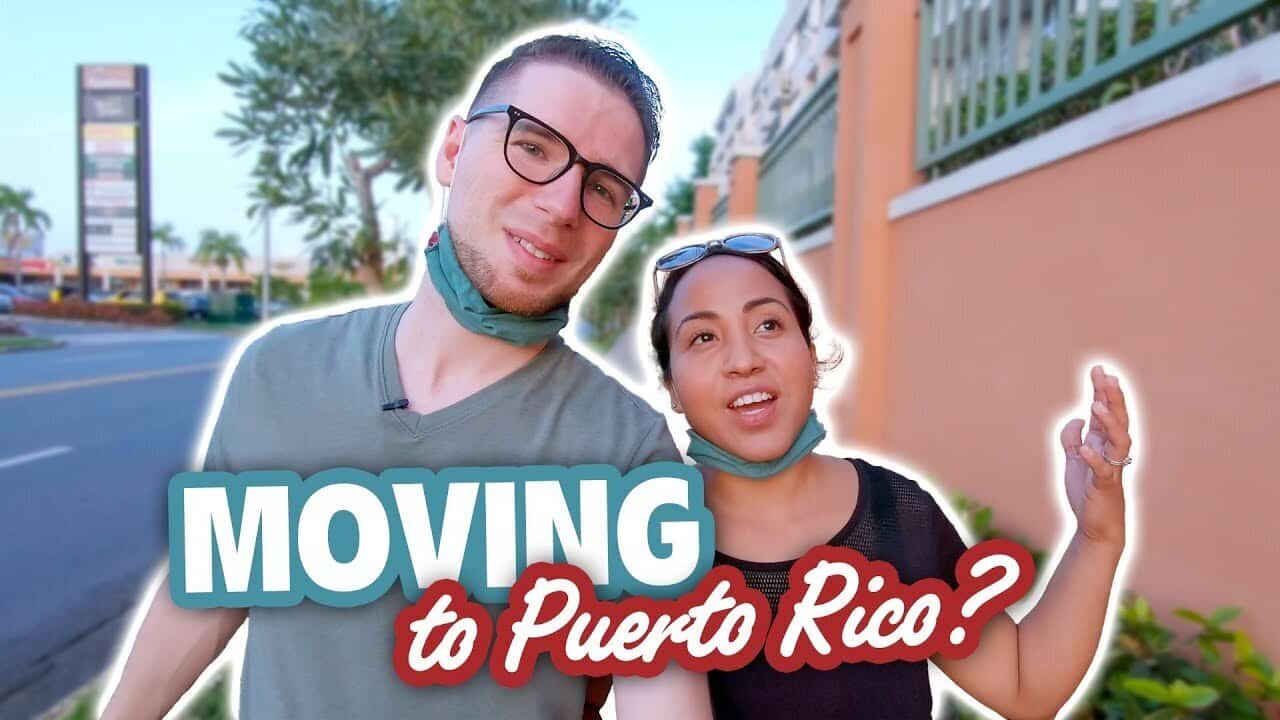
Understanding the relationship between Puerto Rico and the United States is fundamental to grasping why US citizens can move there with relative ease. Puerto Rico is a US territory, meaning its inhabitants are US citizens. This status grants US citizens the right to live, work, and travel freely between the island and the mainland without the need for visas or special permits. The legal framework is significantly different from moving to a foreign country, simplifying many of the logistical hurdles.
Citizenship and Rights
As US citizens, individuals moving to Puerto Rico retain all their constitutional rights and privileges. This includes the right to vote in federal elections (though not for President unless residing in a US state), serve in the US military, and receive Social Security benefits. Furthermore, US currency is the official medium of exchange, and US postal service operates on the island, further embedding it within the United States administrative system.
Governance and Laws
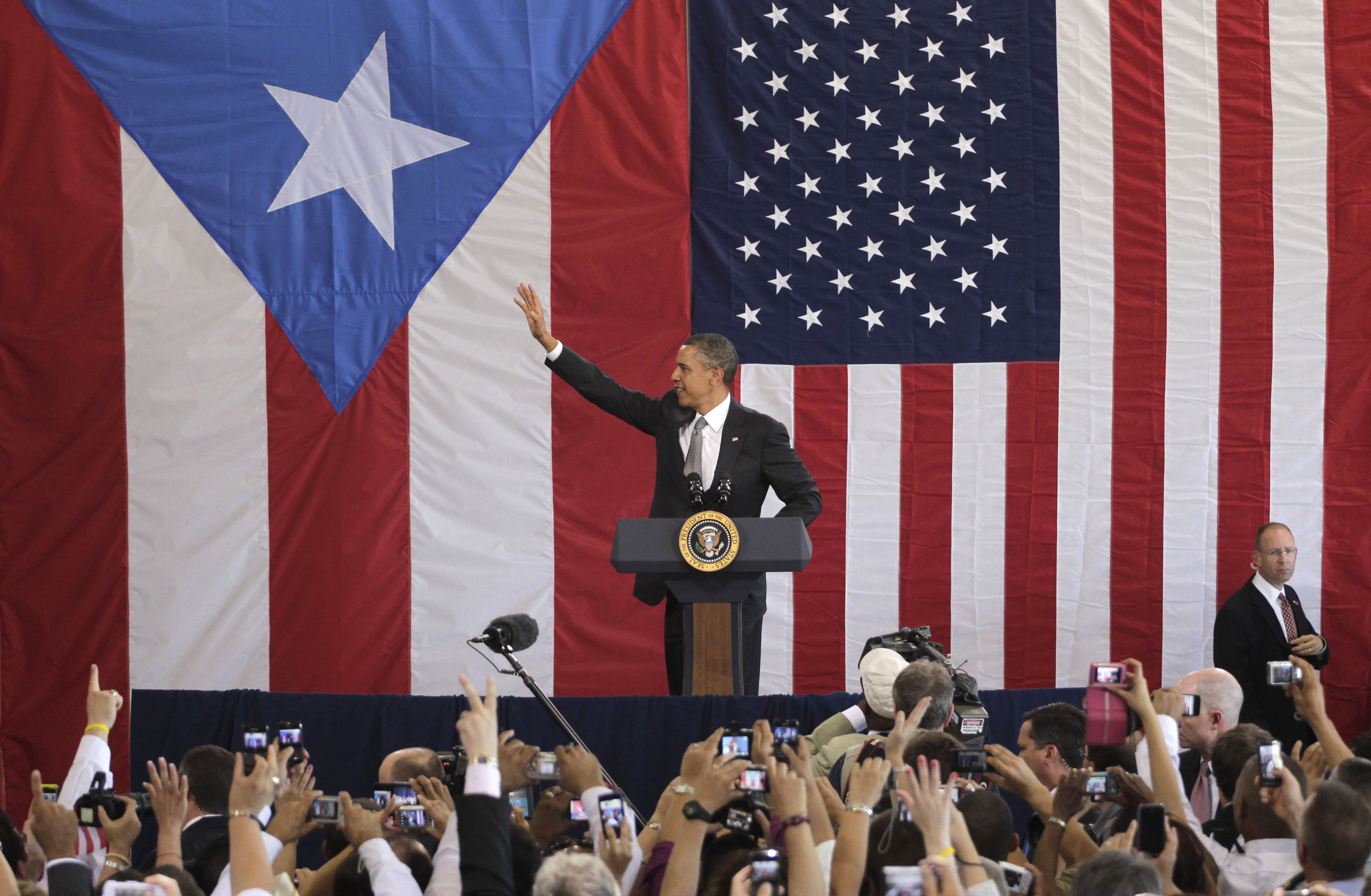
Puerto Rico has its own constitution and a democratically elected governor, but federal laws of the United States generally apply. This means that while Puerto Rico has a distinct cultural identity and local governance, the overarching legal framework is familiar to US citizens. This can be a significant factor for those accustomed to US laws and regulations.
Practicalities of Relocation
While the legal barriers are low, relocating to Puerto Rico involves practical considerations that are crucial for a smooth transition. These range from establishing residency and managing finances to understanding the healthcare system and finding suitable accommodation.
Establishing Residency
For US citizens, establishing residency in Puerto Rico is straightforward. There are no specific residency requirements to live on the island. However, to obtain a Puerto Rican driver’s license, register to vote in local elections, or access certain local services, you may need to demonstrate residency. This typically involves providing proof of address, such as a utility bill or a lease agreement.
Financial Considerations
Moving to Puerto Rico also involves financial planning. While the US dollar is used, the cost of living can vary significantly from the mainland. Some goods and services may be more expensive due to import costs, while others, particularly local produce and certain services, can be more affordable.
Banking and Taxes
Opening a bank account in Puerto Rico is generally as easy as on the mainland, requiring standard identification. For tax purposes, US citizens residing in Puerto Rico are typically subject to US federal income tax. However, there are specific tax incentives, such as the Act 60 (formerly Acts 20 and 22), designed to attract businesses and individuals by offering significantly reduced tax rates on income and capital gains for qualifying residents and businesses. Understanding these incentives can be a major draw for entrepreneurs and investors.
Healthcare
The healthcare system in Puerto Rico is a mix of public and private providers. Many US citizens moving to the island maintain their existing US health insurance plans, provided they are accepted by providers in Puerto Rico. Medicare and Medicaid are also available. While major cities like San Juan have modern hospitals and specialized care, access to advanced medical facilities might be more limited in rural areas. It’s advisable to research healthcare options and potentially secure a local primary care physician upon arrival.
Exploring Your New Island Home
Puerto Rico is more than just a place to live; it’s a vibrant destination with a rich history, diverse landscapes, and a captivating culture. From the bustling streets of Old San Juan to the serene beauty of the El Yunque National Forest, there’s an endless array of experiences awaiting.
Cities and Regions
The island offers a variety of living experiences, each with its unique character.
San Juan Metropolitan Area
San Juan, the capital, is the island’s economic and cultural hub. It offers a mix of modern city living, historical charm in Old San Juan, and beautiful beaches like Condado and Isla Verde. This area is ideal for those seeking convenience, a wide range of amenities, and a lively social scene.
The North Coast
Beyond San Juan, the northern coast boasts cities like Arecibo, known for its observatory, and Manatí, offering a more laid-back coastal vibe. This region is a good balance between access to urban centers and a more relaxed pace of life.
The South and West Coasts
The southern and western coasts are famous for their stunning beaches and surfing spots, such as those in Rincón. This area appeals to those who love the ocean, outdoor activities, and a bohemian lifestyle.
The Interior
For those who prefer mountains and cooler climates, the central mountain range, often referred to as “La Cordillera Central,” offers lush landscapes, coffee plantations, and a tranquil escape from the coast. Towns like Utuado and Jayuya provide a glimpse into rural Puerto Rican life.
Cultural Immersion
Living in Puerto Rico is an opportunity to immerse yourself in a rich and vibrant culture. The island’s heritage is a unique blend of Taíno, Spanish, and African influences, evident in its music, dance, cuisine, and festivals.
Music and Dance
Salsa, reggaeton, and bomba y plena are just a few of the musical genres that fill the air. Participating in local dance classes or attending live music performances is a fantastic way to connect with the local community.
Cuisine
Puerto Rican cuisine is a culinary adventure. From the staple of arroz con gandules and pasteles to the ubiquitous mofongo, the flavors are bold and delicious. Exploring local “chinchorros” (roadside eateries) and fine dining restaurants alike is a must.
Festivals and Traditions
The island celebrates numerous festivals throughout the year, from religious holidays like the Epiphany in Ponce to local patron saint celebrations and the vibrant Carnival celebrations in places like Loíza. These events offer a deep dive into the island’s traditions and community spirit.
Navigating the Transition
The decision to move to Puerto Rico is exciting, and with careful planning, the transition can be seamless. Many US citizens find the adjustment easier than expected, thanks to the familiar legal and monetary systems.
Language
While Spanish is the official language of Puerto Rico, English is widely spoken, especially in tourist areas, business settings, and among younger generations. However, making an effort to learn some Spanish will undoubtedly enrich your experience and foster deeper connections with the local community. Numerous language schools and online resources are available to help you get started.
Community and Integration
Puerto Ricans are known for their warmth and hospitality. Integrating into the community often involves participating in local events, frequenting local businesses, and engaging with neighbors. Many US citizens find that the sense of community on the island is particularly strong and welcoming.
Considerations for Families and Professionals
For families, Puerto Rico offers a unique upbringing for children, with access to both US accredited schools and local educational institutions. For professionals, the job market can be competitive, but opportunities exist, particularly in sectors like healthcare, education, tourism, and the growing tech and financial services industries, especially with the aforementioned tax incentives. Remote work is also a popular option, allowing many to enjoy the island lifestyle while maintaining their careers.
In conclusion, for US citizens, moving to Puerto Rico is not just a possibility but a readily achievable dream. The island offers a compelling blend of familiarity and exoticism, a vibrant culture, and a unique lifestyle that many find irresistible. By understanding the legal framework, preparing for the practicalities, and embracing the island’s rich offerings, you can successfully establish your new life in this Caribbean paradise.
LifeOutOfTheBox is a participant in the Amazon Services LLC Associates Program, an affiliate advertising program designed to provide a means for sites to earn advertising fees by advertising and linking to Amazon.com. Amazon, the Amazon logo, AmazonSupply, and the AmazonSupply logo are trademarks of Amazon.com, Inc. or its affiliates. As an Amazon Associate we earn affiliate commissions from qualifying purchases.